
 En
En Português
 عربى
عربى
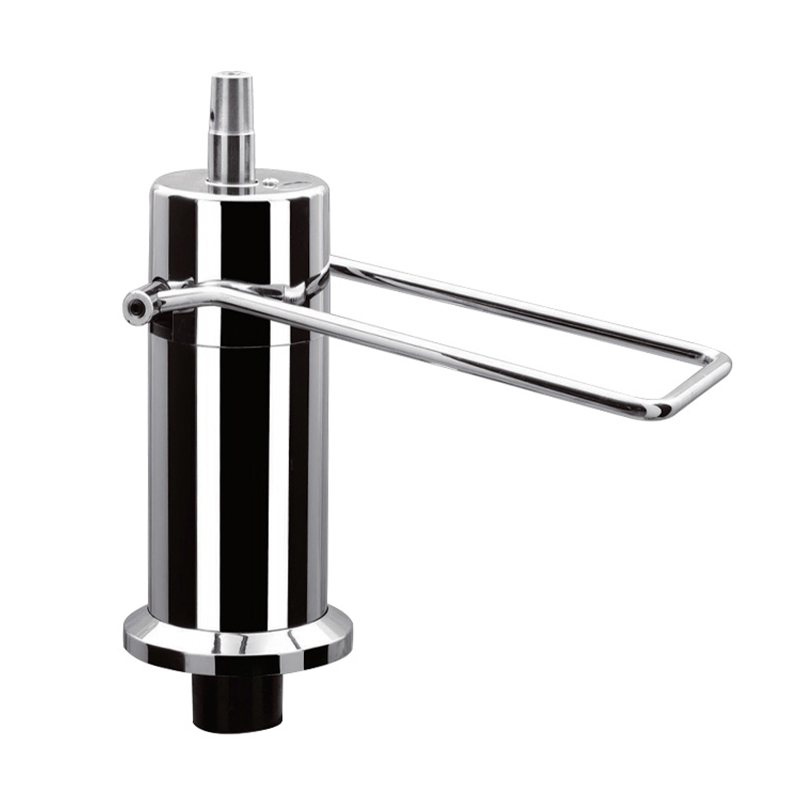
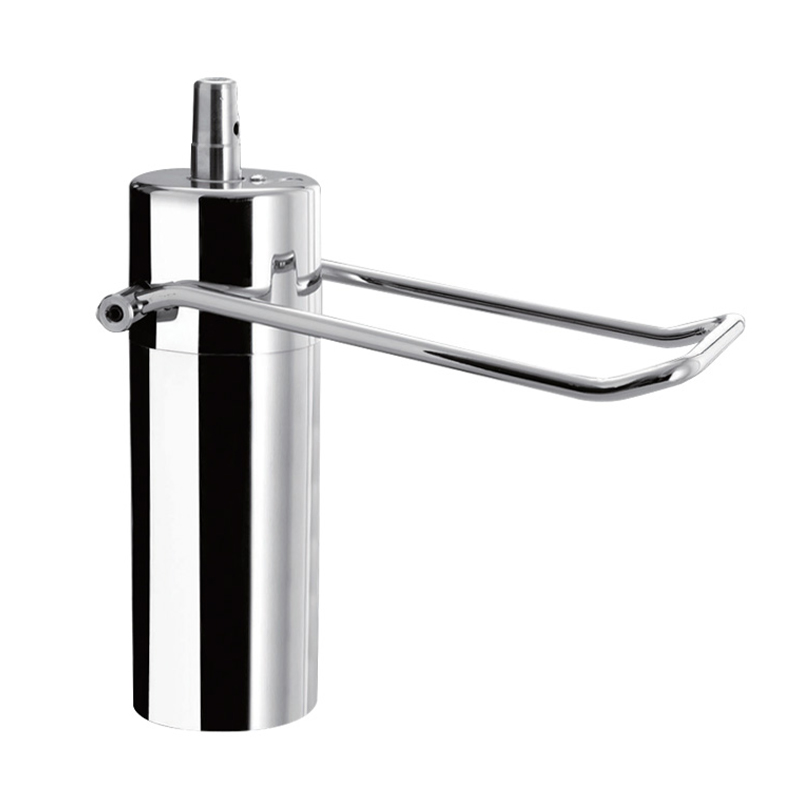
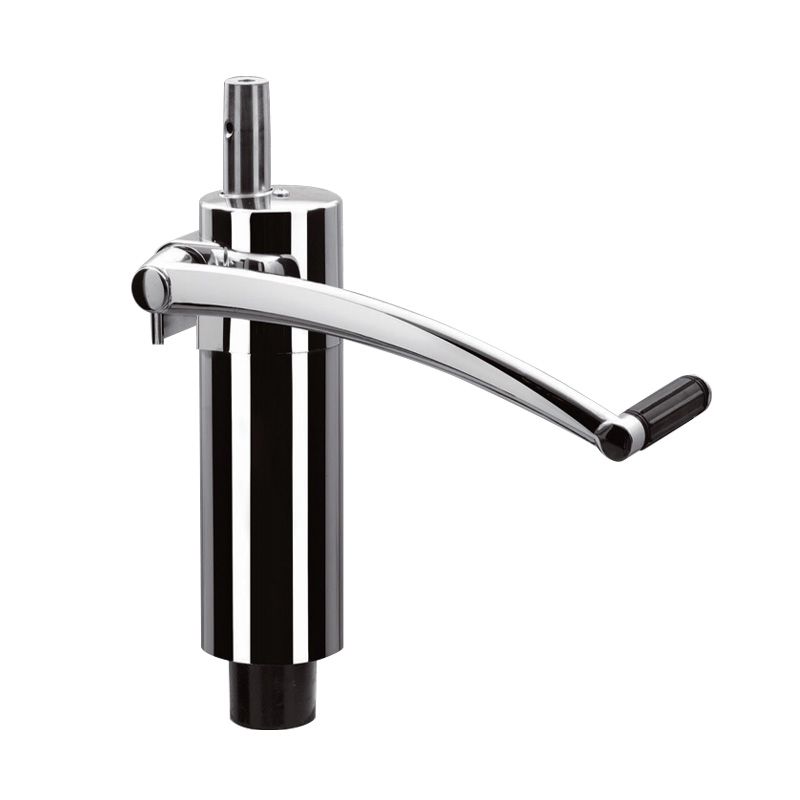
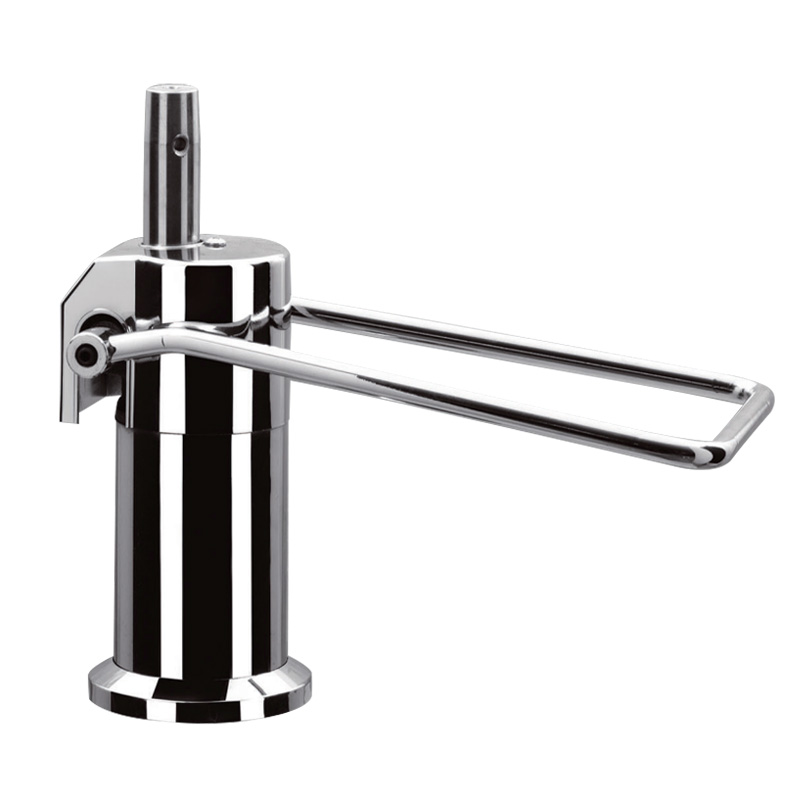
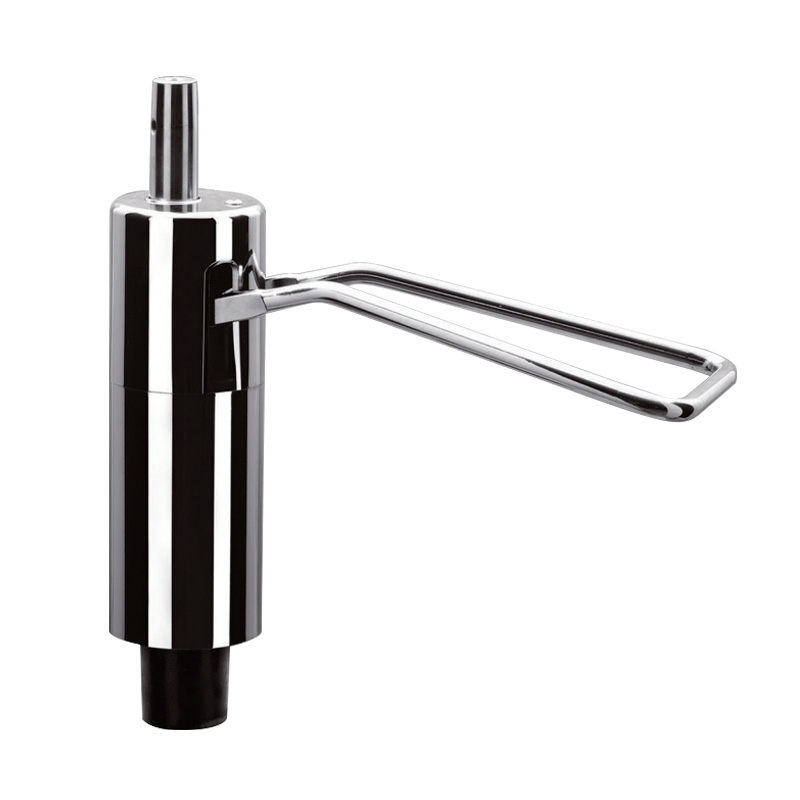
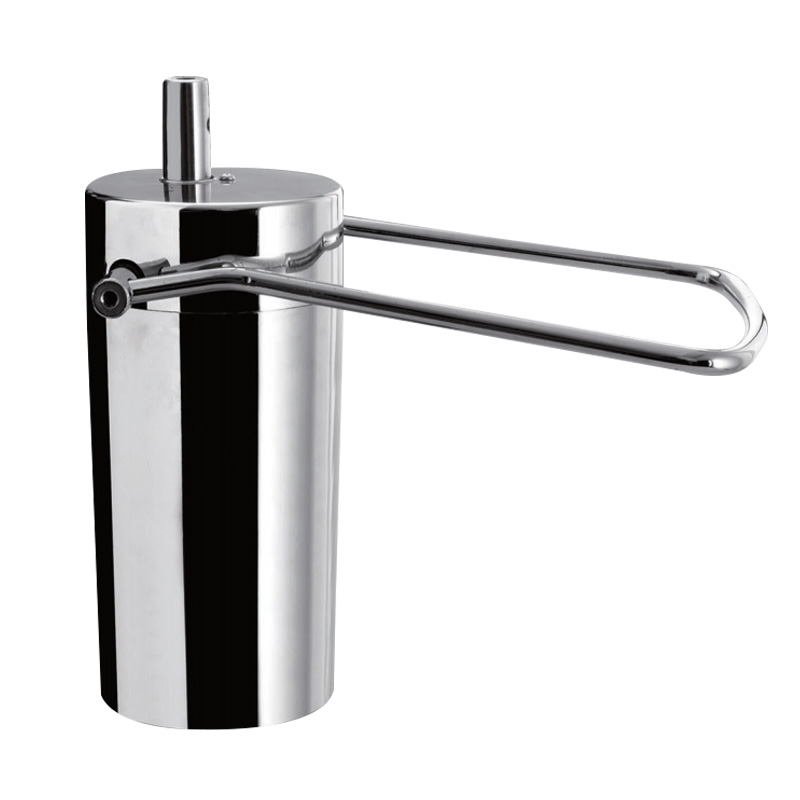
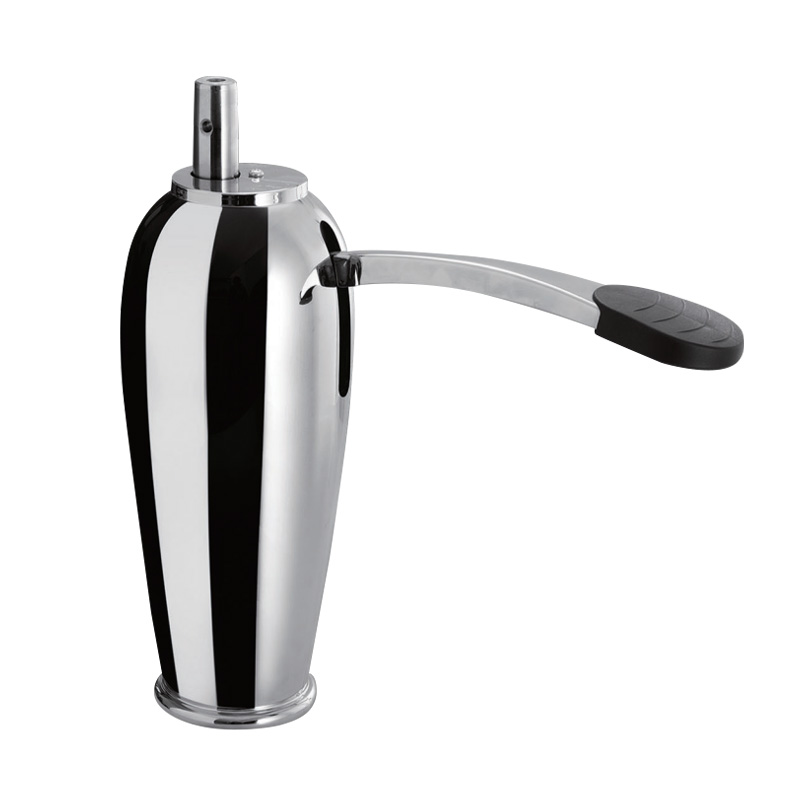
A barber chair hydraulic base is the lower mechanical unit that allows the chair to be raised or lowered smoothly using hydraulic pressure. It typically consists of a hydraulic pump, piston or cylinder, oil reservoir, foot pedal, release valve, and a wide metal base plate that contacts the floor. The system works by converting foot-operated mechanical force into fluid pressure, which then moves the internal piston upward or downward.
In practical terms, when the barber steps on the foot pump, hydraulic oil is compressed and forced into a sealed chamber. This pressure pushes the piston upward, lifting the chair and the seated client. When the release mechanism is activated—usually through a separate pedal or lever—the pressure is gradually released, allowing the chair to descend in a controlled manner.
Main Structural Components
The hydraulic base typically includes several core components, each with a specific function:
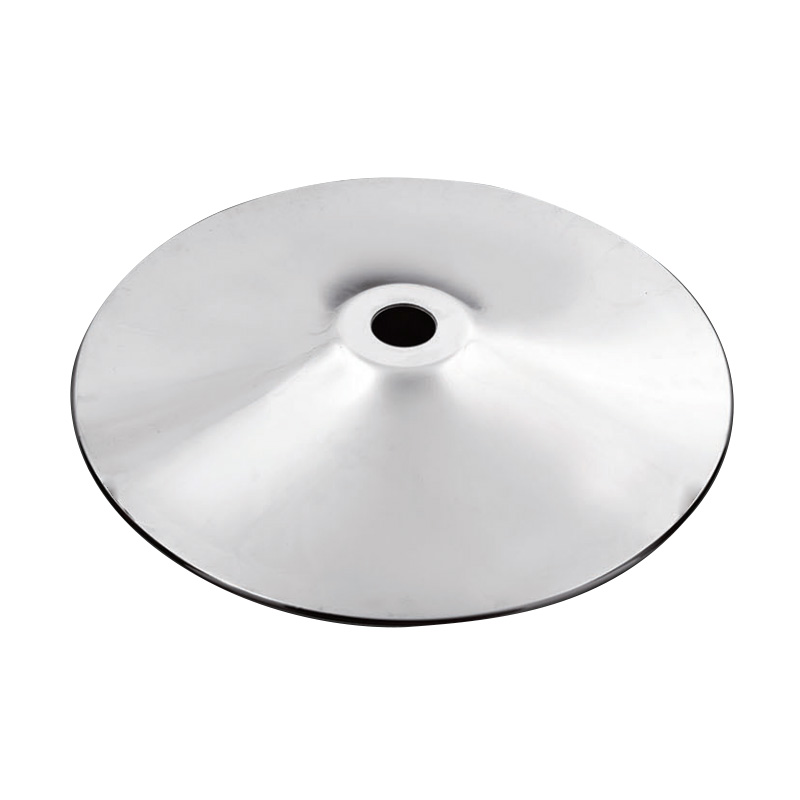
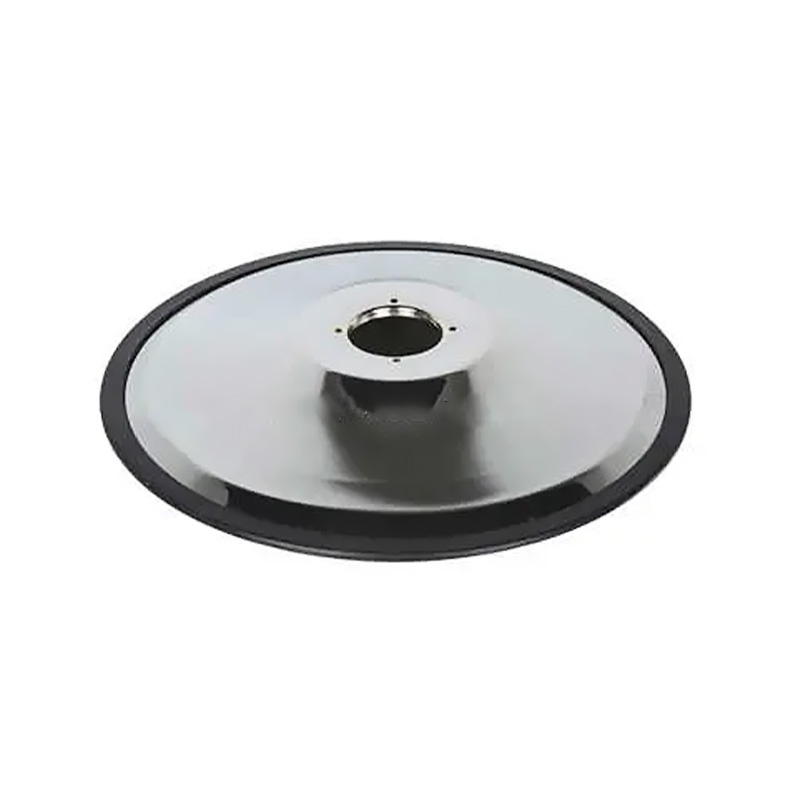
The base plate is the flat, heavy metal platform that rests on the floor. It provides stability and prevents tipping during use. Depending on the design, it may be round, square, or slightly contoured.
The hydraulic cylinder houses the piston and hydraulic fluid. This sealed unit is responsible for generating lifting force. The quality of sealing inside the cylinder directly affects smoothness of movement and the system’s resistance to oil leakage.
The pump mechanism, usually connected to a foot pedal, controls the intake and pressurization of hydraulic oil. Each press of the pedal increases internal pressure incrementally.
The release valve allows controlled lowering of the chair. By opening this valve, the pressurized oil returns to the reservoir, and the piston descends under the combined weight of the chair and user.
Bearings and rotational joints may also be integrated into the upper section of the base to allow the chair to rotate smoothly without affecting height stability.
Working Principle of the Hydraulic System
The hydraulic base operates on the principle of fluid incompressibility. Hydraulic oil does not compress under pressure, making it suitable for transmitting force across small mechanical distances. When the barber applies force to the pump pedal, the pump drives oil into a pressurized chamber beneath the piston. Because the oil cannot compress, it pushes the piston upward.
The lifting force is multiplied through the difference between the pedal lever arm and the piston surface area. This allows a relatively small foot force to lift a significant combined weight of the chair and client. Lowering occurs when the release valve is opened, which allows oil to flow back into the reservoir and reduces pressure under the piston.
This process allows for smooth, controlled vertical motion rather than abrupt lifting or dropping. The slow and steady movement is important for maintaining client comfort and safety.
Functional Role in Daily Barbering Work
The hydraulic base supports several key operational needs in a barbershop. First, it allows barbers to adjust the client’s height to a comfortable working level. This reduces the need for excessive bending or stretching, which can contribute to long-term fatigue and strain injuries.
Second, it allows easy repositioning when serving clients of different heights or when performing different services such as hair cutting, shaving, or facials. For example, a barber may raise the chair for detailed scissor work and lower it for beard trimming or shampoo services.
Third, the base contributes to the overall balance of the chair. A well-designed hydraulic base distributes load evenly across the floor, preventing wobbling during use. This stability is especially important when the client shifts position or when the barber applies pressure during styling.
Materials and Construction Characteristics
Most barber chair hydraulic bases are made of metal, commonly steel or cast iron, due to the need for load-bearing strength and durability. The base plate is often coated with chrome plating, powder coating, or other surface finishes to resist corrosion and make cleaning easier.
The internal hydraulic components include steel pistons, sealed gaskets, and industrial-grade hydraulic oil. The quality of these materials directly affects lifting consistency and service life. Lower-grade seals may harden over time, leading to oil leakage or slow pressure loss.
Because barber chairs are exposed to water, hair products, disinfectants, and frequent cleaning, corrosion resistance is an important material consideration for both the external base and internal components.
Common Types of Hydraulic Bases
Hydraulic bases vary in diameter, load capacity, and structural design. Some bases are designed for heavier traditional barber chairs, while others are lighter and used in general salon styling chairs. Larger diameter bases offer improved stability, while smaller bases reduce overall weight and footprint.
Some hydraulic bases integrate rotation locks, which allow the barber to prevent the chair from turning when necessary. Others allow full 360-degree rotation without locking. The choice depends on shop layout and working preferences.