
 En
En Português
 عربى
عربى
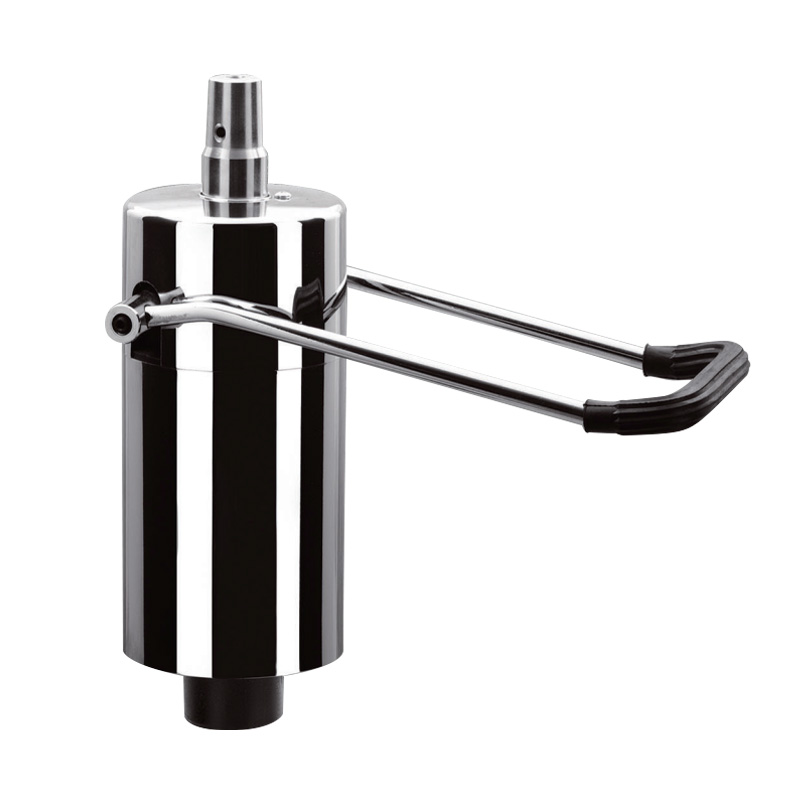
The hydraulic pump is a critical component of a modern barber or salon chair, responsible for the smooth and reliable height adjustment that allows stylists to work comfortably and clients to access the chair easily. These pumps are typically foot-operated, using hydraulic fluid to raise the chair and a mechanical release to lower it. While the external appearance of the pump may be similar across different chairs, the materials used in its construction vary depending on the manufacturer, the chair's price point, and the intended duty cycle. The selection of materials directly impacts the pump's durability, reliability, resistance to corrosion, and overall lifespan.
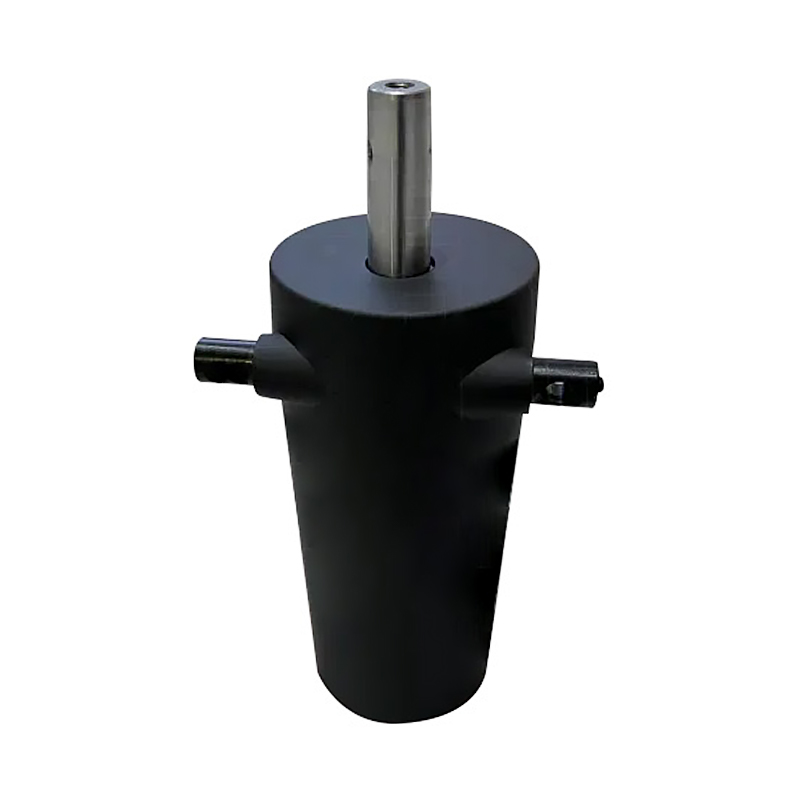
The Pump Housing and Reservoir
The main body of the salon chair pump, which contains the hydraulic fluid and houses the internal mechanisms, is typically made from metal to withstand the internal pressures generated during operation.
Cast Iron: In many traditional and heavy-duty barber chair pumps, the housing and reservoir are made from cast iron. Cast iron offers strength and rigidity, ensuring that the pump body does not deform under pressure. It also has good vibration damping characteristics, which can contribute to quieter operation. Cast iron is durable and can withstand years of use, but it is heavy and can be susceptible to rust if the external paint or coating is damaged.
Steel: Some pumps use fabricated steel housings, often made from stamped or formed steel sheets that are welded together. Steel also provides good strength and is somewhat lighter than cast iron. Like cast iron, steel requires a protective coating, such as paint or powder coating, to prevent corrosion, especially in a salon environment where moisture and hair products may be present.
Aluminum Alloys: In higher-end or more modern chair designs, the pump housing may be made from cast or machined aluminum alloy. Aluminum offers significant weight savings compared to steel or cast iron, which can make the chair easier to move. It also naturally resists corrosion without requiring a heavy protective coating, although it is often painted or anodized for aesthetic reasons. Aluminum has good strength-to-weight ratio but may not be as durable as cast iron in very high-cycle, heavy-duty applications.
Plastic Reservoirs: Some pumps, particularly in lower-cost chairs or in designs where the pump is integrated into the chair base, may use a high-density polyethylene (HDPE) or other engineering plastic for the hydraulic fluid reservoir. Plastic reservoirs are lightweight, corrosion-proof, and inexpensive to manufacture. However, they are typically used in conjunction with a metal pump head that contains the actual pumping mechanism, as plastic alone may not withstand the high pressures generated at the pump outlet.
The Pump Piston and Cylinder
The piston and cylinder assembly is the heart of the hydraulic pump, creating the pressure that raises the chair. These components must be manufactured to tight tolerances and from materials that can withstand repeated sliding contact and high pressure.
Hardened and Ground Steel: The piston is typically made from a high-carbon or alloy steel that has been hardened and precision ground. This creates a very hard, smooth surface that can slide within the cylinder with minimal friction and wear. The cylinder bore, in which the piston moves, is often made from the same material as the housing (cast iron or steel) and is also precision machined and sometimes honed to a smooth finish. The combination of a hardened steel piston running in a cast iron or steel cylinder provides wear resistance and long life.
Chrome-Plated Steel: Many pistons are chrome-plated. The chrome plating provides an hard, low-friction surface that is highly resistant to wear and corrosion. This is particularly important because the piston is exposed to hydraulic fluid, which may contain additives, and operates in a environment where moisture could be present. The smooth chrome finish also helps maintain a good seal with the piston seals.
Stainless Steel: In some high-end pumps, the piston may be made from stainless steel. Stainless steel offers corrosion resistance without the need for plating. It is also very strong and durable. However, it is more expensive than chrome-plated carbon steel and can be more difficult to machine to the required precision.
Cast Iron Cylinders: When the pump housing is cast iron, the cylinder bore is often machined directly into the housing. Cast iron has natural lubricity due to its graphite content, which aids in the smooth operation of the steel piston. This combination has been used for decades in hydraulic applications and is proven for its durability.
Seals and O-Rings
The seals are critical for preventing hydraulic fluid from leaking past the piston and out of the pump. They must be compatible with the hydraulic fluid, resistant to wear, and able to maintain a seal under high pressure over many cycles.
Nitrile Rubber (Buna-N): This is the common elastomer used for seals and O-rings in barber chair hydraulic pumps. Nitrile offers resistance to petroleum-based hydraulic fluids, good abrasion resistance, and a wide operating temperature range. It is also relatively inexpensive. Standard hydraulic pump seals are made from a 70-durometer (hardness) nitrile compound.
Polyurethane: Polyurethane seals are sometimes used for their exceptional abrasion and wear resistance. They can withstand high pressures and have good extrusion resistance. Polyurethane is often used for rod wipers (seals that clean the piston rod as it retracts) and for some piston seals in higher-duty-cycle applications.
PTFE (Teflon): In some pump designs, particularly for backup rings or anti-extrusion devices, PTFE is used. PTFE has a very low coefficient of friction, which can reduce wear on the seals and the piston. It is also chemically inert and compatible with all hydraulic fluids. However, PTFE is not as elastic as rubber, so it is typically used in combination with an elastomeric energizer (like an O-ring) that provides the sealing force.
Leather: In very old or vintage barber chairs, the pump seals may have been made from leather. Leather was a traditional sealing material that could be soaked in oil to provide a flexible, reasonably effective seal. Modern chairs universally use synthetic elastomers for performance and longevity.
Valves and Internal Components
The pump contains several small valves that control the flow of hydraulic fluid during the raising and lowering operations. These components must be precisely machined and made from wear-resistant materials.
Steel Check Balls: The pump typically uses one or more small steel balls that act as check valves. When the pump pedal is depressed, the ball is pushed off its seat, allowing fluid to flow. When the pedal is released, the ball is pushed back onto its seat by spring force or fluid pressure, preventing fluid from flowing backward. These balls are made from hardened bearing steel, such as 52100 chrome steel, to ensure a sphere and high wear resistance. The seats they seal against are typically machined directly into the steel or cast iron pump body.
Steel Springs: Small helical springs are used to return the check balls to their seats and to return the pump pedal to its raised position. These springs are made from spring steel, typically music wire or oil-tempered wire, chosen for its ability to withstand repeated compression and extension without taking a set.
Release Valve Mechanism: The release valve, which is opened by the chair's lowering lever or pedal, is typically a precision-machined steel component. It may have a tapered or poppet-style end that seals against a seat in the pump body. The materials for this valve and its seat are typically the same as the pump body (cast iron or steel) and are hardened and ground for wear resistance.
External Components: Pedal and Linkage
The parts of the pump that the user interacts with directly, such as the foot pedal and its connecting linkage, are made from materials chosen for strength and durability.
Steel Pedal and Linkage: The foot pedal and the linkage that connects it to the pump piston are typically made from formed or stamped steel. Steel provides the necessary strength to withstand the force applied by the user's foot day after day. These components are usually painted or powder-coated to match the chair's finish and to prevent rust.
Aluminum Pedals: On some chairs, particularly those designed for a more modern aesthetic, the pedal may be made from cast or machined aluminum. Aluminum is lighter than steel and can be given various finishes, such as polished, brushed, or anodized. It must be of sufficient thickness and design to provide the necessary strength without bending.
Plastic Pedal Covers: Some pedals may have a plastic or rubber cover or pad on the foot contact surface. These are typically made from a durable, slip-resistant material like polypropylene or a thermoplastic elastomer (TPE). They provide a comfortable, non-slip surface for the user's foot and can also protect the underlying metal pedal from scuffs and wear.