
 En
En Português
 عربى
عربى
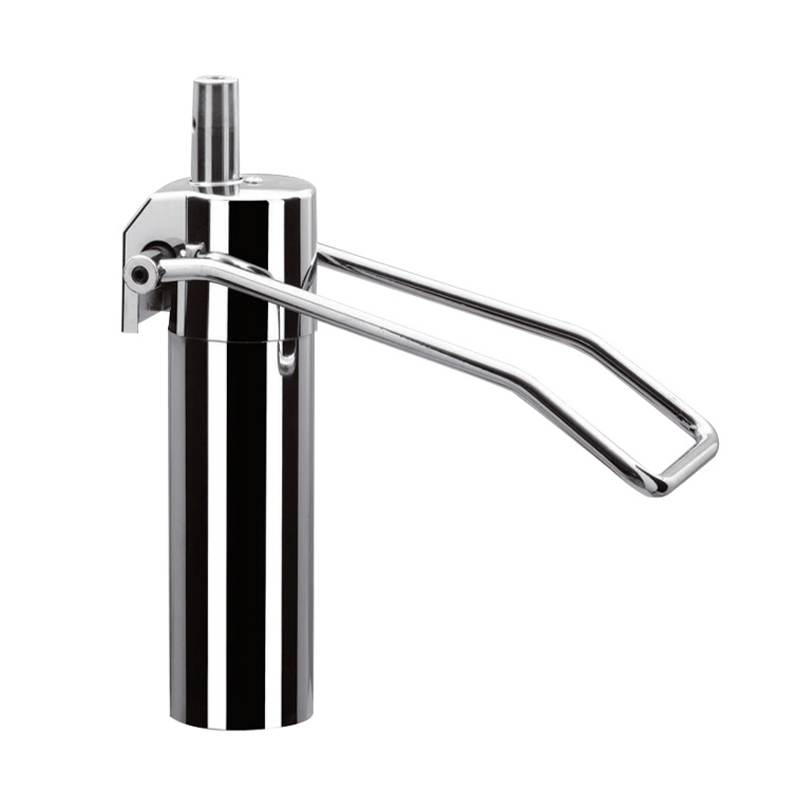
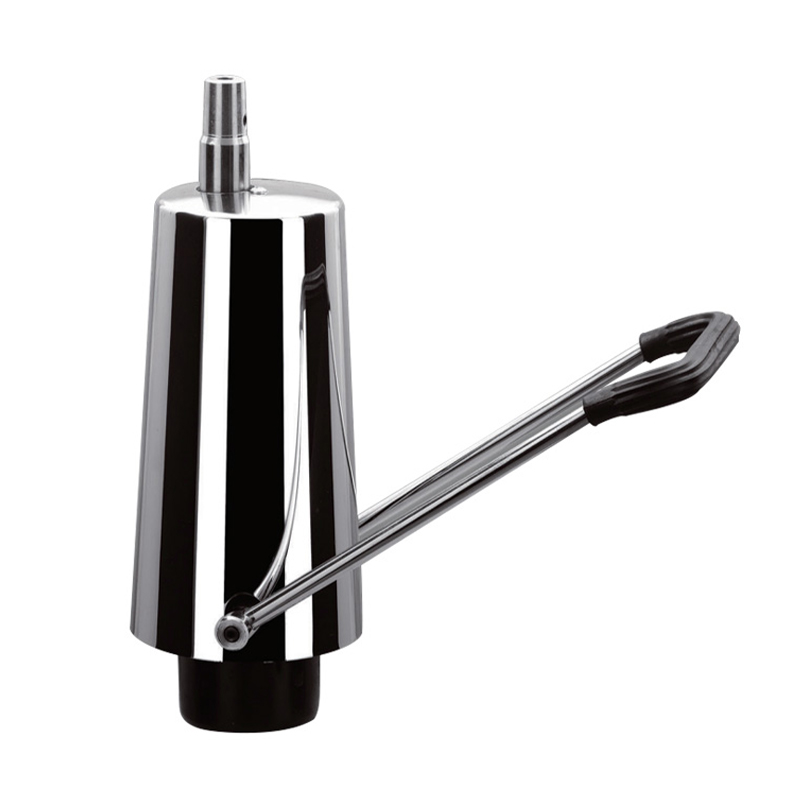
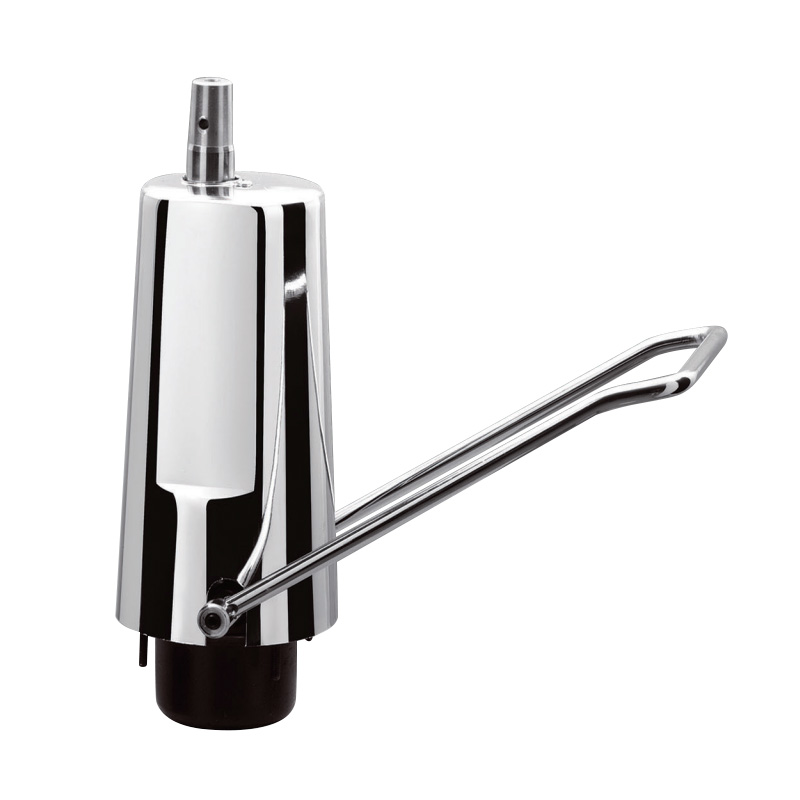
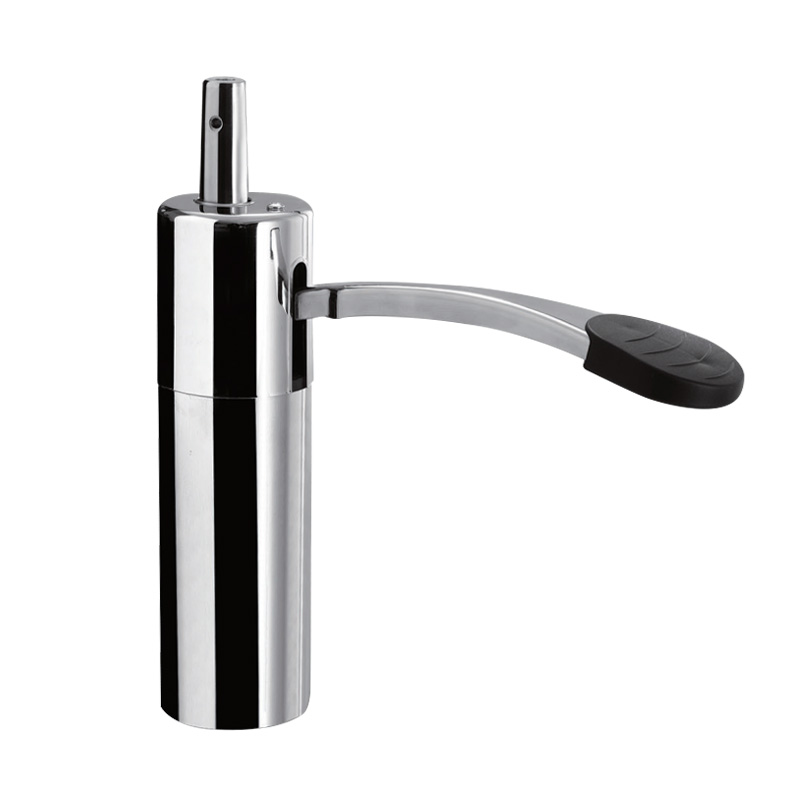
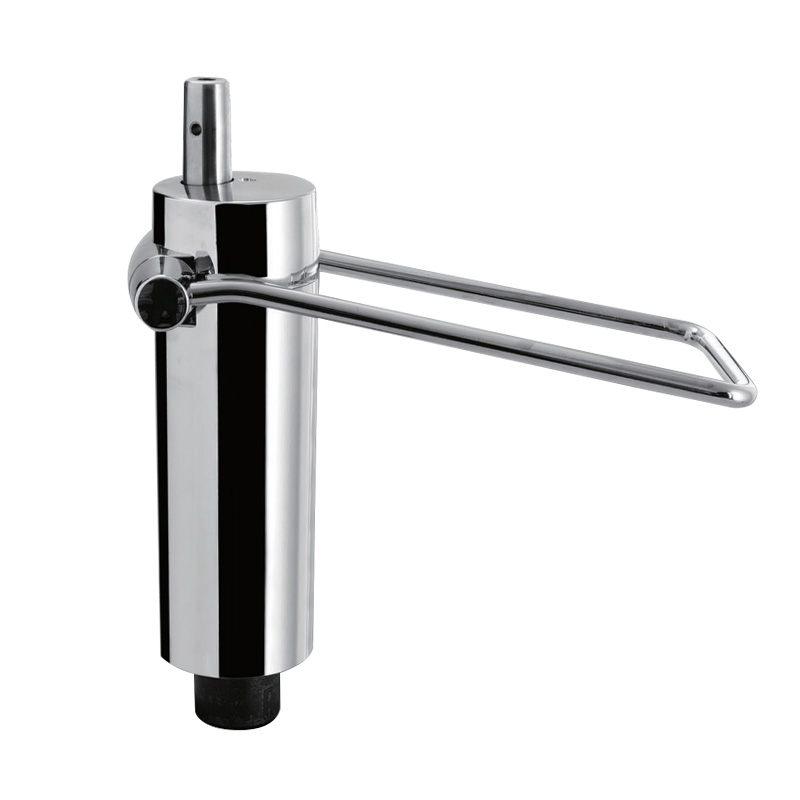
The hydraulic base is a key component of a barber chair, allowing smooth height adjustment and stability during haircuts, shaves, and other grooming services. It uses hydraulic fluid to lift and lower the chair, enabling barbers to adjust the seating position for client comfort and ergonomic operation.
Hydraulic System Materials
Hydraulic Cylinder: The cylinder barrel is seamless steel tubing, precision-honed to create a smooth surface for the piston seal.
Piston and Rod: The piston is machined steel or cast iron, while the piston rod is hardened and chrome-plated steel for wear resistance and smooth operation.
Seals and O-rings: These are nitrile rubber (NBR) or polyurethane, formulated to resist hydraulic fluid and maintain sealing pressure over thousands of cycles.
Mobility Components
Casters and Wheels: Housings are nylon or zinc-plated steel. Wheels are polyurethane or hard nylon, chosen for floor protection and rolling ease.
Base Cover: The decorative shroud covering the mechanism is ABS plastic or polypropylene, molded to match the chair design.
The combination of cast aluminum for structure, steel for load-bearing components, and engineered plastics for mobility creates a durable base capable of supporting both chair and occupant through years of daily use.
Structure and Operation of Barber Chair Hydraulic Bases
The hydraulic base is composed of several integral components that ensure stability and controlled movement:
Hydraulic Cylinder: Converts hydraulic pressure into vertical motion, allowing the chair to raise or lower smoothly.
Piston and Reservoir: The piston moves within the cylinder, and the reservoir stores hydraulic fluid while maintaining pressure.
Foot Pedal or Lever: Barbers operate the chair height using a foot pedal or lever, allowing hands-free adjustment during service.
Seals and Valves: Maintain hydraulic pressure, prevent leakage, and provide controlled movement.
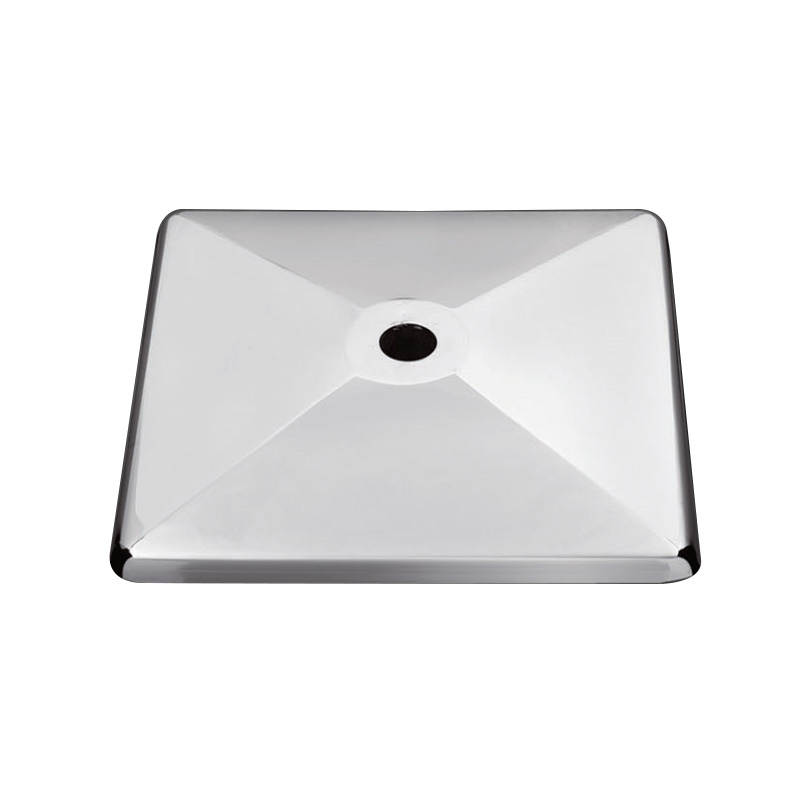
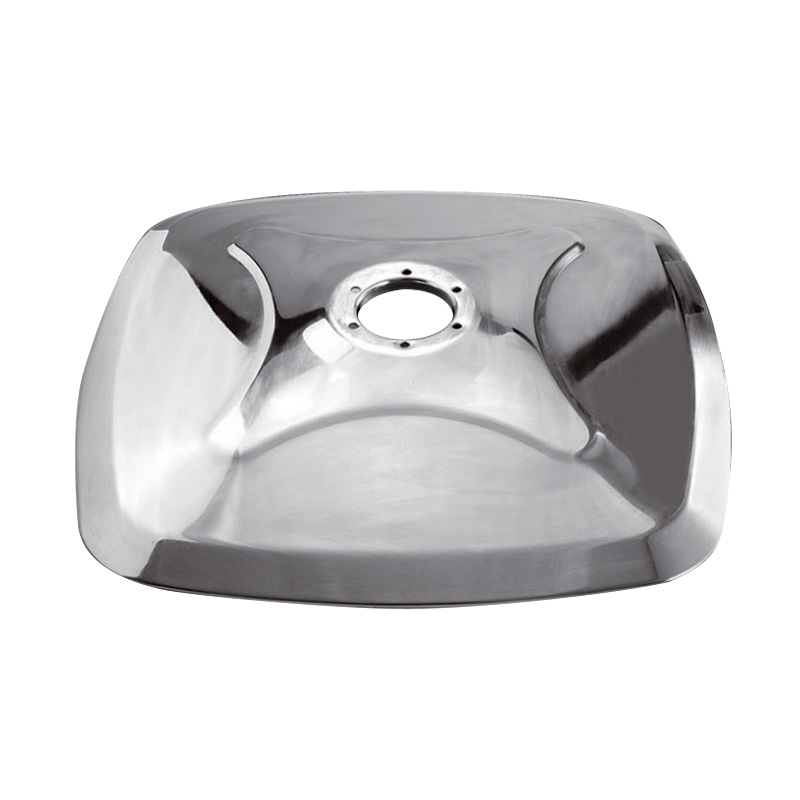
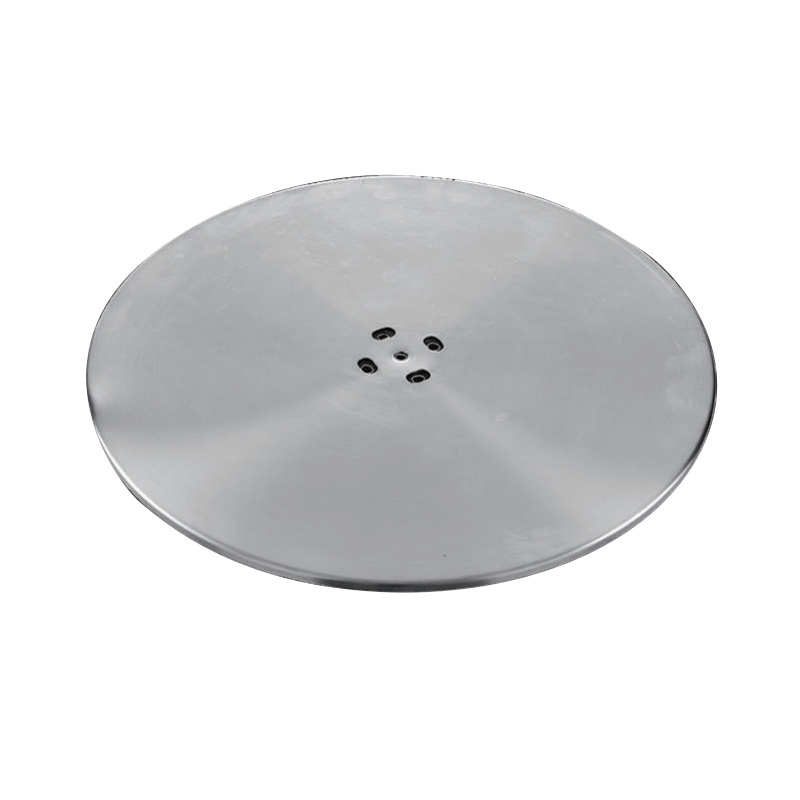
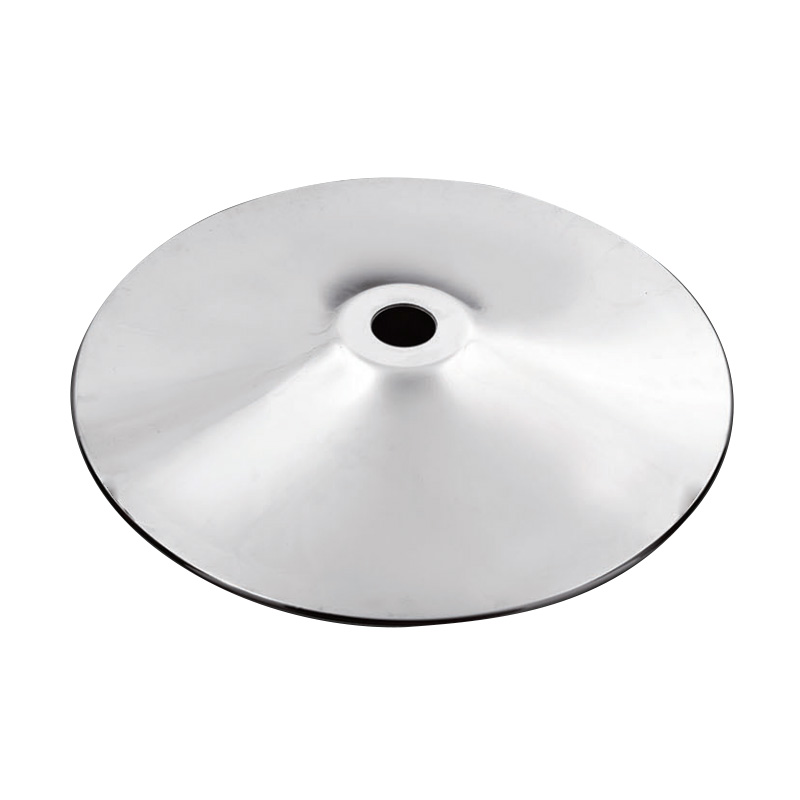
Base Plate and Mounting System: Ensures the chair remains stable on the floor while supporting the client's weight.
The combination of these components allows precise control over chair height while maintaining stability during client use.
Applications of Barber Chair Hydraulic Bases
Barber chair hydraulic bases are used in a variety of settings:
Professional Barber Shops: Enable ergonomic height adjustments for precise haircuts and grooming.
Salon and Beauty Studios: Provide versatility for styling, shaving, and facial treatments.
Training Institutes: Allow students to adjust chair height safely and practice techniques efficiently.
Home Barber Chairs: Smaller hydraulic bases are sometimes used in personal grooming setups.
These bases are designed to support weight safely while providing smooth, controlled operation for different chair types and environments.
Problems with Barber Chair Hydraulic Bases
Despite their widespread use, barber chair hydraulic bases have several limitations:
Hydraulic Fluid Leakage: Over time, seals can wear, causing leaks that reduce lifting capacity and smoothness.
Reduced Stability: Improper maintenance or worn components can cause wobbling or tilting of the chair.
Limited Load Capacity: Standard hydraulic bases are designed for average adult weight; heavier clients may exceed the recommended limits, affecting performance.
Maintenance Requirements: Hydraulic systems require periodic inspection, fluid replacement, and occasional seal or piston repair.
Wear of Moving Parts: Frequent use can accelerate wear on pistons, levers, and valves, reducing operational reliability.
These problems highlight the importance of proper installation, regular maintenance, and correct usage to ensure safe and consistent performance.
The barber chair hydraulic base is a crucial component that provides adjustable height and stability for grooming services. Its structure includes a hydraulic cylinder, piston, reservoir, foot pedal, seals, and a stable mounting system. The base is widely used in professional barber shops, beauty studios, training institutes, and home setups due to its ergonomic and operational advantages. However, hydraulic bases can experience issues such as fluid leakage, reduced stability, load limitations, and wear on moving parts, emphasizing the need for maintenance and careful usage. Understanding these aspects allows salon operators and manufacturers to ensure reliable and safe performance over the life of the chair.