
 En
 Português
 عربى
Home / News / Industry News / Why Does a Styling Chair Hydraulic Pump Sink or Fail to Hold Its Height?
A styling chair should remain at the selected height while a client is seated. If it slowly sinks, drops unexpectedly, or rises before lowering again, the problem may involve the hydraulic pump, release mechanism, or operating conditions. Because an unstable chair can create a safety risk, diagnose the fault before reuse.
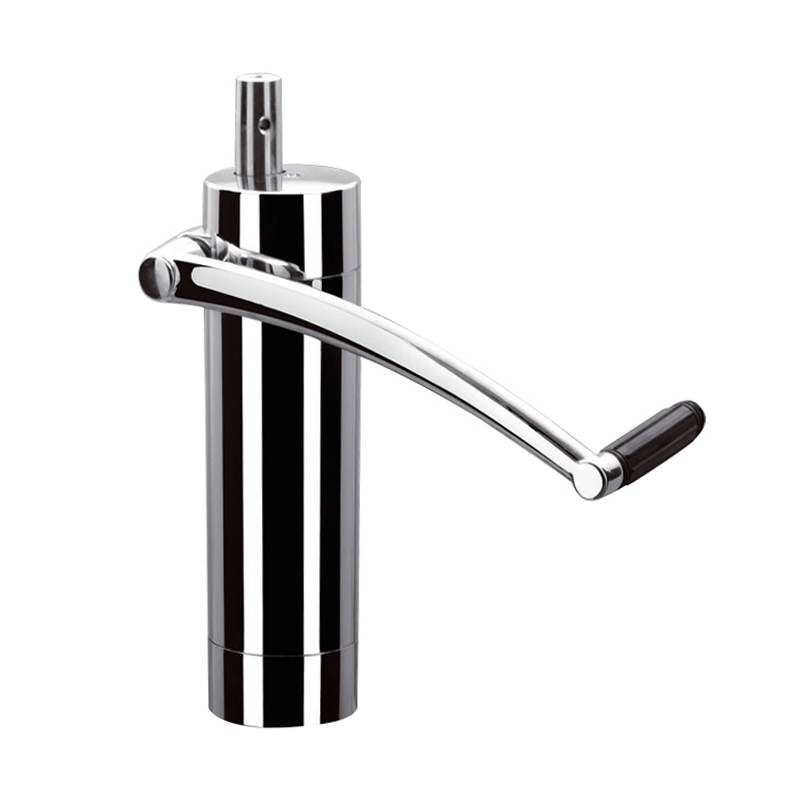
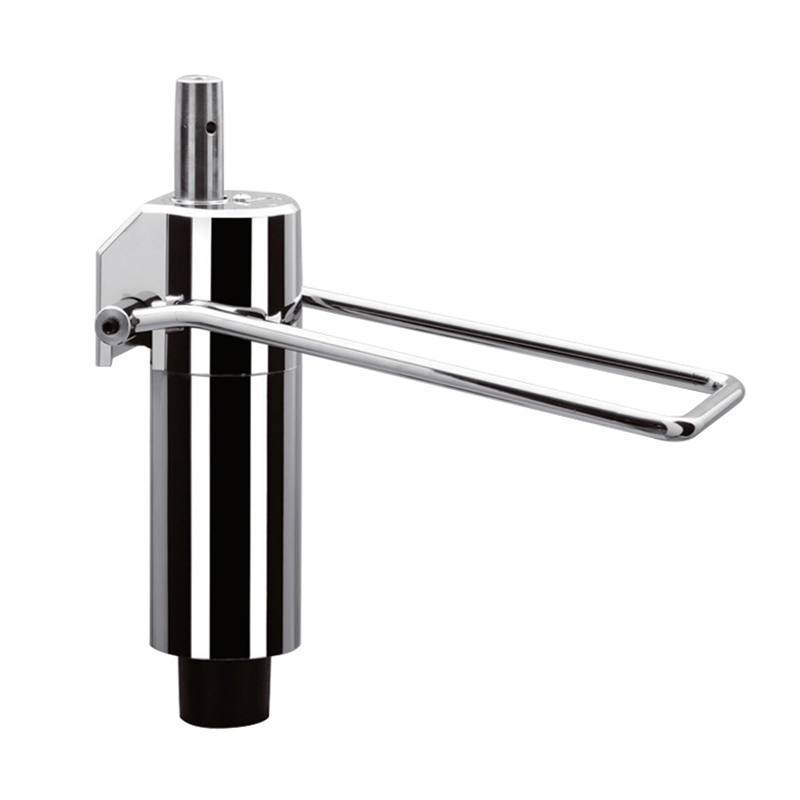
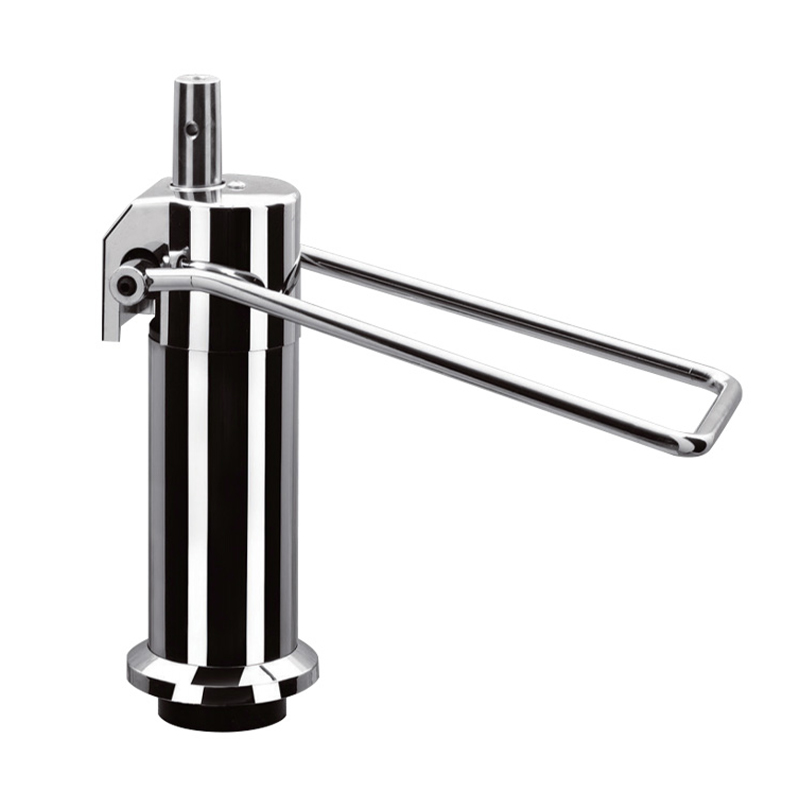
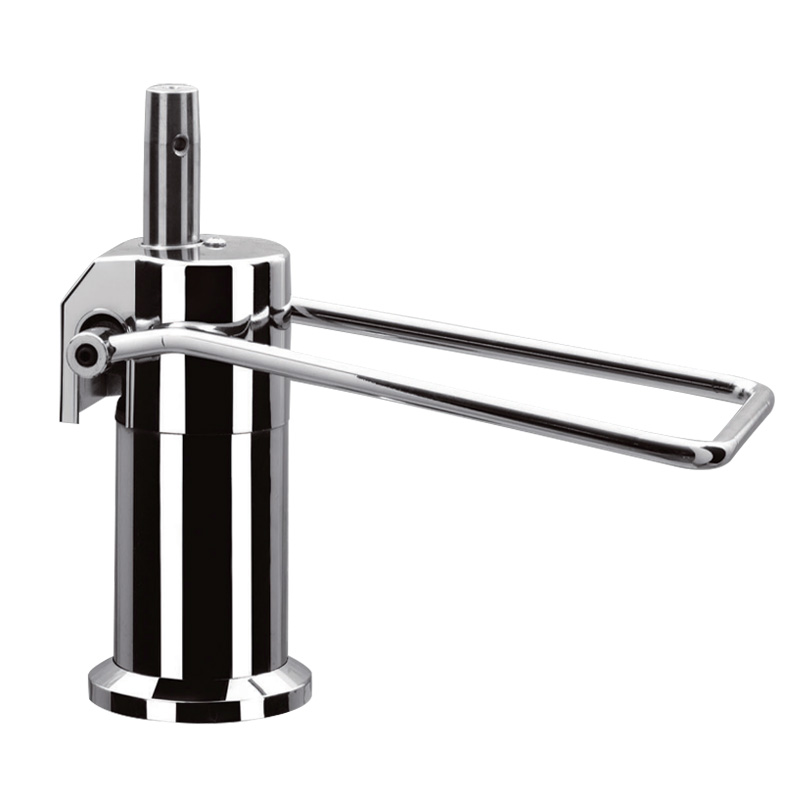
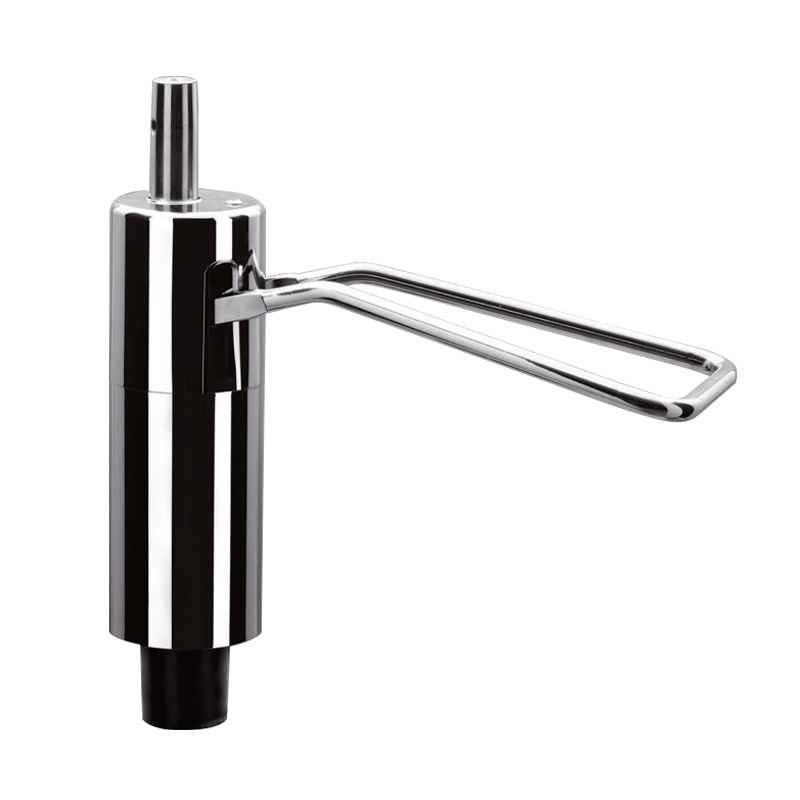
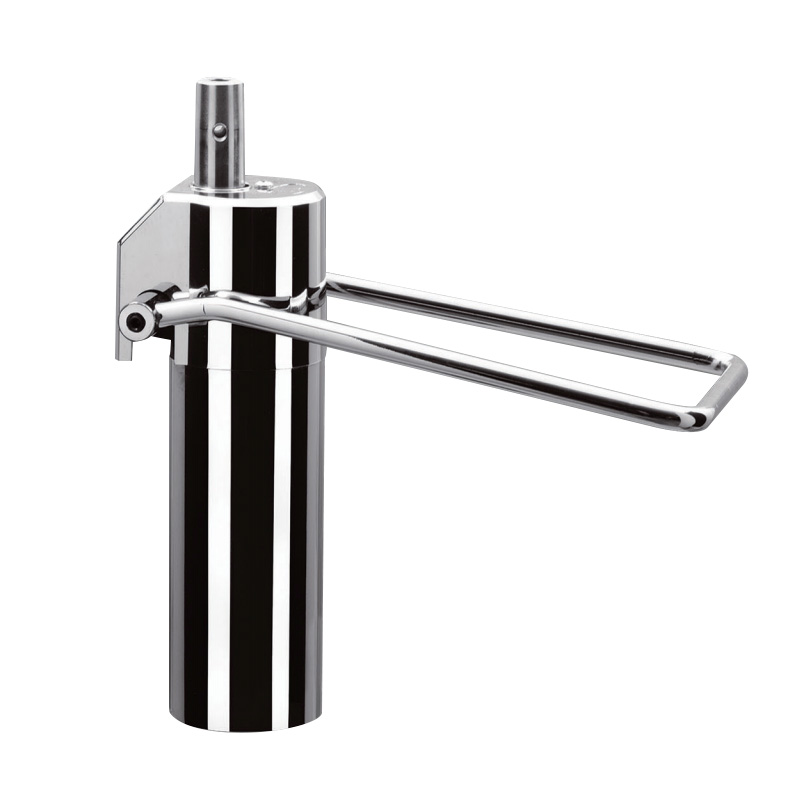
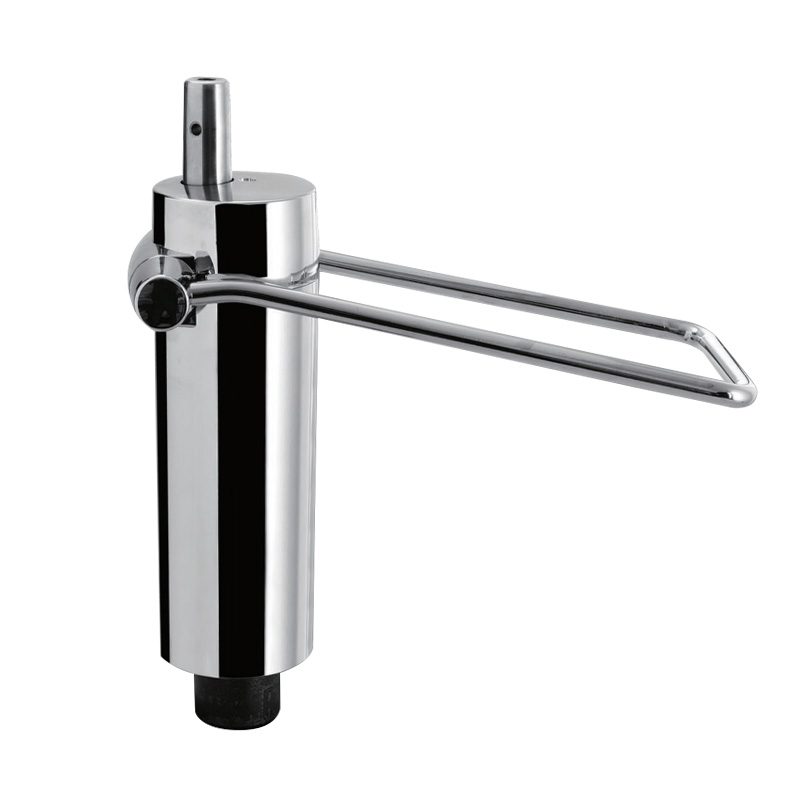
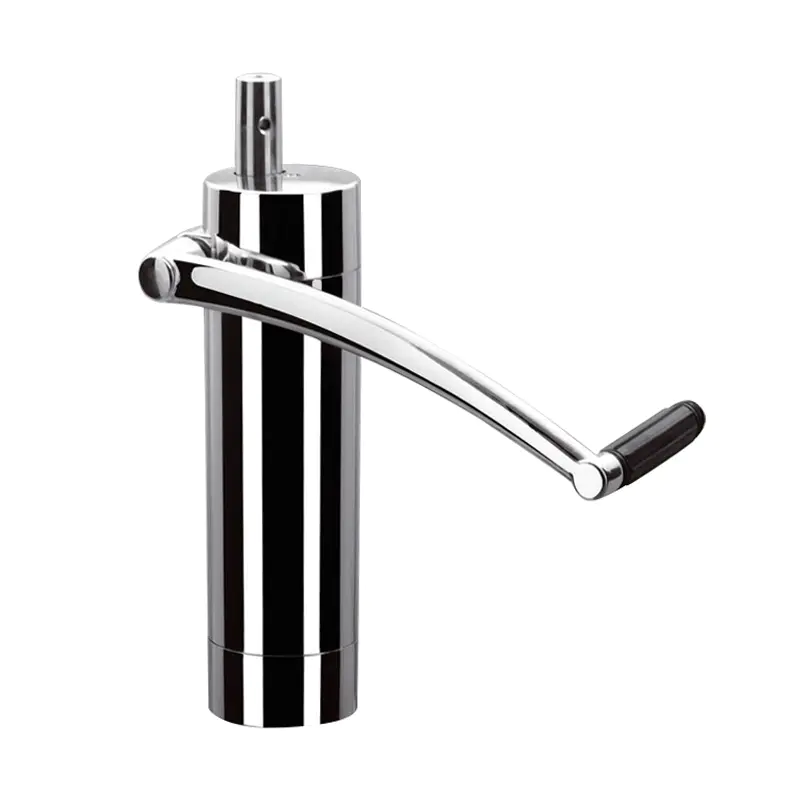
Most styling chairs use hydraulic pressure to raise the seat and hold it in place. Internal seals contain the fluid, while a control valve manages lowering. If the seat sinks under normal load, pressure may be escaping internally, the release valve may not be closing fully, or a component may be damaged.
Common Reasons a Styling Chair Hydraulic Pump Sinks
1. Worn Internal Seals
Seals inside the cylinder and valve help contain pressurized fluid. Wear, age, heavy use, or contamination can reduce their effectiveness. Fluid may bypass a seal without leaving visible oil outside the pump, allowing the chair to rise normally but gradually descend under load.
If the chair sinks while the pedal is untouched, the pump may need professional assessment or replacement.
2. A Release Valve That Does Not Close Fully
The foot pedal operates a valve that allows the chair to lower. If the linkage sticks, is misadjusted, or remains under pressure, the valve may stay slightly open. The seat can then descend without deliberate pedal operation.
Check that the pedal returns fully and is not obstructed by mats or debris. Do not dismantle the valve without a manufacturer-approved procedure.
3. Hydraulic Fluid Loss or Component Damage
Oil around the pump, cylinder, fittings, or floor may indicate a leak. On models designed for servicing, low fluid can affect lifting performance. Damaged seals or cylinder surfaces can also prevent pressure from being maintained.
Not every styling chair pump is refillable or user-serviceable. Do not add generic hydraulic oil or open a sealed unit unless the manufacturer identifies the correct fluid and procedure. Incorrect fluid or contamination may make the problem worse.
4. Excessive Load or Mechanical Damage
Every chair has a specified load capacity. Exceeding it repeatedly can accelerate wear and contribute to poor lifting performance or instability. Impact damage or incorrect installation can also affect operation.
Confirm the rated capacity and follow the product instructions before ordering parts.
Diagnose the Symptom Before Replacing the Pump
Use this table as an initial guide and consult the chair’s manual.
|
Symptom |
Possible cause |
Next step |
|---|---|---|
|
Seat gradually lowers while occupied |
Internal seal bypass or valve leakage |
Stop using the chair and arrange inspection |
|
Seat lowers when the pedal is untouched |
Sticking linkage or valve not fully closed |
Check for obstruction; request service if it persists |
|
Oil appears around the pump or cylinder |
Seal, fitting, or cylinder leak |
Stop use and have the leak assessed |
|
Chair will not rise or rises unevenly |
Pump wear, low fluid in a serviceable model, or mechanical damage |
Consult the manual and arrange inspection |
|
Seat tilts or feels loose without steadily sinking |
Loose hardware, worn joints, or structural damage |
Check mounting points as directed by the manual |
Safe Checks Salon Staff Can Perform
Take the chair out of service if it drops suddenly, sinks under a client, or feels unstable. Do not ask someone to sit in it while testing. Keep hands and feet away from moving parts, and never reach beneath a raised chair unless it is secured using a manufacturer-approved method.
With the chair unloaded, check that the release pedal moves freely and returns to its resting position. Look for oil residue, external damage, loose fasteners, or pedal obstructions.
Do not repeatedly pump a chair that loses height under load. Never loosen hydraulic fittings, drill into the cylinder, apply heat, or open a pressurized component. If an approved external check does not resolve the fault, contact the supplier or a qualified technician.
Repair or Replace the Hydraulic Pump?
The decision depends on the pump design, chair age, parts availability, and severity of the fault. Some chairs have serviceable seals or valves, while other assemblies are sealed and should be replaced as a complete unit.
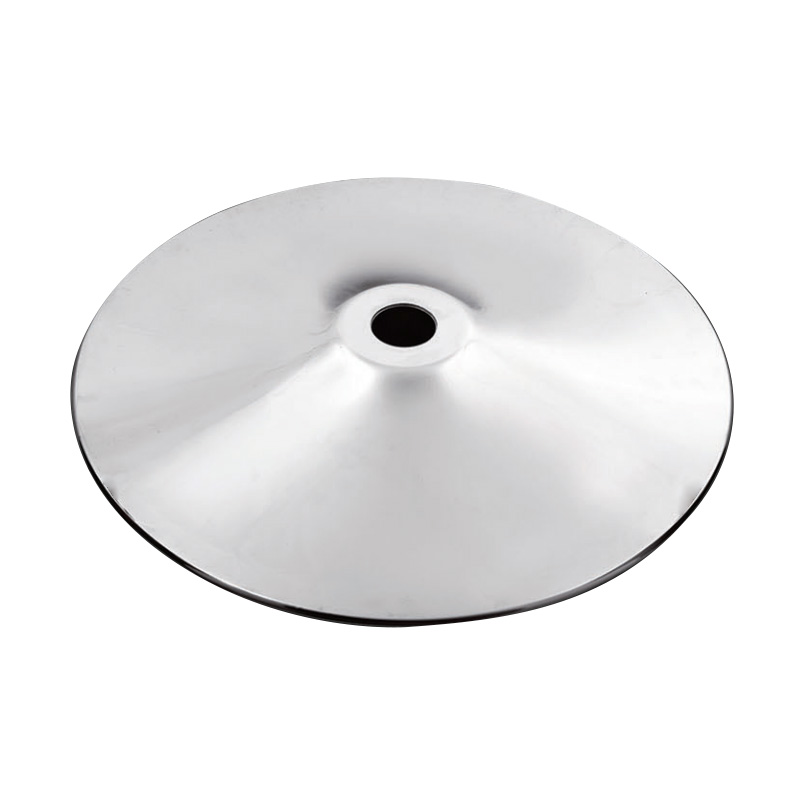
Ask the supplier to confirm compatibility, load rating, dimensions, and installation requirements. Similar-looking pumps may differ in stroke or connection geometry. An incompatible replacement can create installation and safety issues.
If the cylinder is damaged, parts are unavailable, or repair costs approach the cost of a suitable replacement, replacing the pump or chair may be more practical. Have the repair checked before the chair is returned to client use.
Prevent Repeat Hydraulic Problems
Keep the base and pedal area free of hair, product buildup, and objects that could obstruct the release mechanism. Use cleaners approved by the chair manufacturer, and avoid spraying them directly into mechanical openings.
Respect the stated load limit and operate the foot control as instructed. During routine maintenance, look for oil residue, unusual movement, loose hardware, or changes in lifting and lowering behavior. Report recurring symptoms promptly so a supplier or technician can diagnose them before the fault worsens.
Keep the Chair Stable Before Returning It to Service
A Styling Chair Hydraulic Pump that cannot hold height may have worn seals, a valve that remains open, fluid loss, or mechanical damage. Start with safe external checks, consult the model-specific manual, and stop using a chair that sinks unexpectedly. The manufacturer or a qualified technician can determine whether a component can be repaired or the pump assembly needs replacement. Reliable height control protects clients and helps prevent salon downtime.