
 En
 Português
 عربى
Home / News / Industry News / Which Surface Finishes Are Best for a Salon Chair Base Plate in High-Traffic Salons?
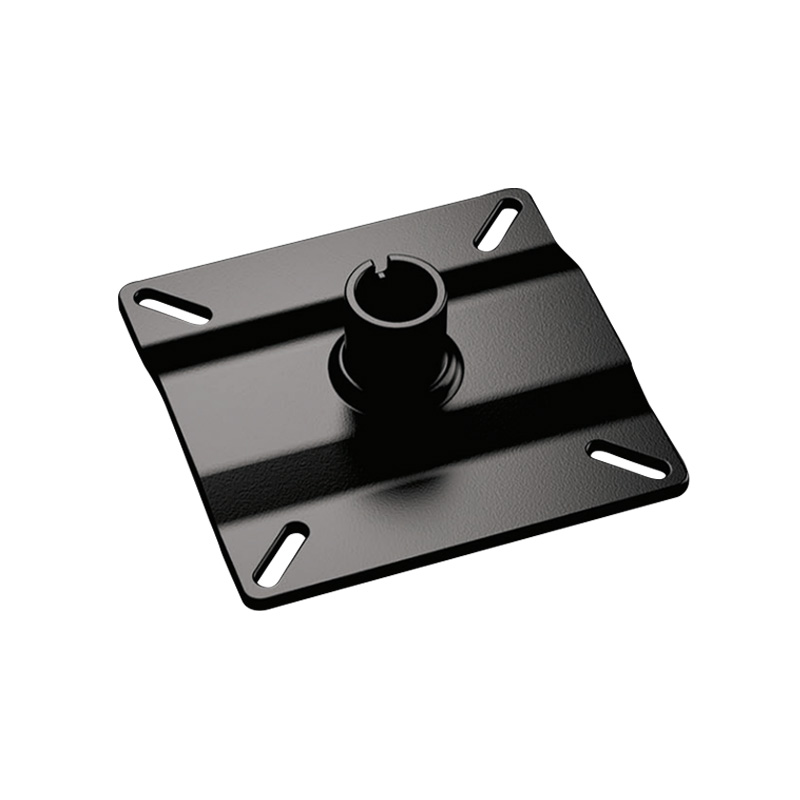
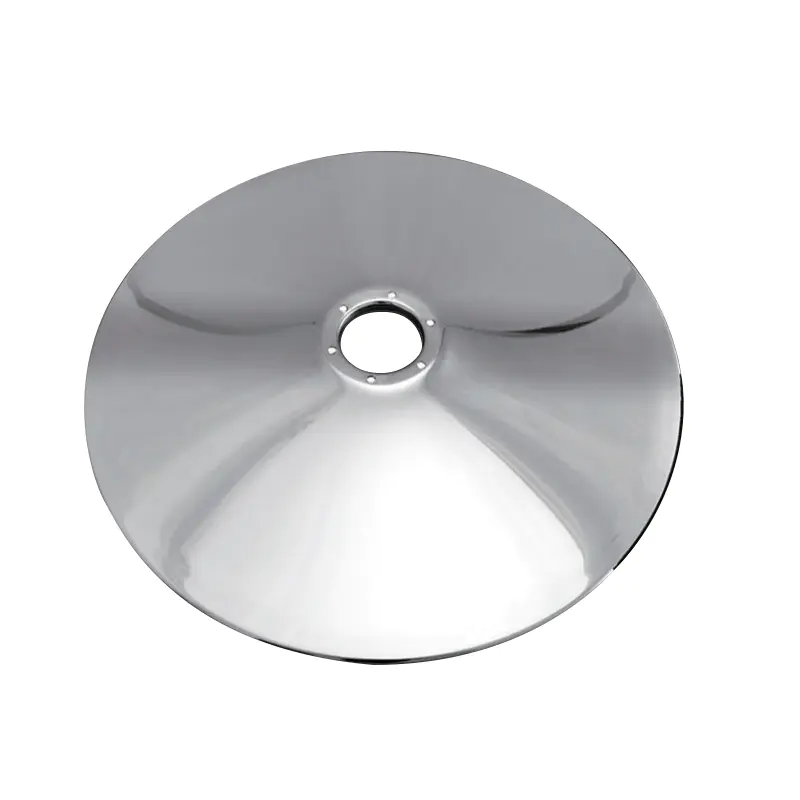
A salon chair base plate takes a beating. Shoes scuff it, cleaning tools bang into it, moisture sits on it, styling products drip on it. In a busy salon, that adds up to scratches, stains, corrosion marks. The right finish protects the base plate, makes cleaning easier, and keeps things looking professional. Common options? Chrome plating, powder coating, stainless steel, anodized aluminum. The right pick depends on base material, manufacturing quality, cleaning chemicals, daily use, and the look you're after.
Why Surface Finish Matters
A finish isn't just decoration. How it performs comes down to surface prep, coating adhesion, material grade, maintenance. When comparing products, think about four things:
- Wear and scratches: Footwear and equipment scuff the base plate. Surface texture and reflectivity affect how visible those marks become.
- Corrosion protection: Moisture and cleaning chemicals damage some metals or coatings, especially when the protective layer breaks down.
- Cleaning: Smooth surfaces wipe easy. Some textured finishes hold residue.
Appearance over time: Fingerprints, water spots, fine scratches show more on highly reflective finishes.
Comparing Common Finishes
|
Finish |
Advantages |
Limitations |
Suitable use |
|---|---|---|---|
|
Chrome plating |
Bright, classic metallic appearance; simple routine cleaning |
Plating can be damaged by impacts or abrasive cleaners |
Traditional or polished salon interiors |
|
Powder coating |
Color options; good wear protection when properly applied |
Chips can expose the underlying material |
Busy salons and modern designs |
|
Brushed stainless steel |
Subtle metallic look; good corrosion resistance with the right grade |
Scratches may follow or disrupt the visible grain |
Contemporary salons |
|
Polished stainless steel |
Smooth, reflective, premium appearance |
Fingerprints and fine scratches are noticeable |
High-end interiors with regular upkeep |
|
Anodized aluminum |
Lightweight substrate with a treated surface |
Performance depends on alloy and anodizing quality |
Lightweight chair designs |
Powder Coating for Heavy Daily Use
Powder coating works for many high-traffic base plates made from compatible steel or aluminum. Powder goes on a prepared surface, then cures into a continuous coating. With proper pretreatment and curing, it resists everyday abrasion and corrosion. Comes in lots of colors and textures. Matte or low-gloss finishes suit modern interiors and make minor scuffs less obvious. Deep chips can still expose the substrate. Textured surfaces may need extra cleaning. For busy salons, quality powder coating balances durability, design flexibility, and maintenance.
Chrome Plating for a Classic Look
Chrome plating suits salons that want a bright metallic appearance. Pairs well with traditional chairs and polished fixtures. Usually easy to wipe clean. Durability depends on plating quality, adhesion, substrate prep. Impacts, abrasive pads, unsuitable chemicals can damage the plated layer and expose the underlying material to corrosion. Ask suppliers about plating quality, corrosion testing, approved cleaning methods.
Brushed or Polished Stainless Steel
Stainless steel contains chromium, which helps form a corrosion-resistant passive layer. Performance depends on grade, surface condition, chemical exposure. Brushed stainless steel has a directional grain that makes minor scratches less obvious—especially when staff clean along the grain. Suits modern interiors. Polished stainless steel is more reflective and can look premium. But fingerprints, water spots, fine scratches show easily. Use soft cloths and manufacturer-approved cleaners. Neither finish is completely stain-proof or scratch-proof. Confirm chemical compatibility before buying.
How to Choose the Right Finish
Start with the salon's workload. Chairs used all day? Consider quality powder coating or a suitable stainless steel grade. Chrome or polished stainless steel may better match interiors with bright metallic accents. Check chemical compatibility with the disinfectants and cleaners used in the salon. Follow instructions for dilution, contact time, rinsing. Ask suppliers about substrate material, surface prep, coating application, adhesion, corrosion testing. These specs matter more than appearance alone. Matte and brushed surfaces hide everyday marks better. Reflective finishes need more frequent wiping.
Maintenance That Helps Preserve the Finish
Remove hair, dust, product residue with a soft cloth and approved cleaner. Follow disinfectant directions for contact time and residue removal. Skip steel wool, abrasive pads, unapproved solvents—they scratch metal or damage coatings. Inspect for chips, peeling plating, rust spots. Follow supplier repair guidance when damage appears. Keep cleaning instructions handy for staff.
Make the Choice Based on Real Salon Conditions
For many high-traffic salons, quality powder coating is a solid all-round option. Brushed stainless steel suits modern metallic interiors. Chrome and polished stainless steel offer more shine. Compare finish quality, base material, cleaning routine, maintenance needs. That's how you pick a base plate that stays practical through daily use.