
 En
En Português
 عربى
عربى
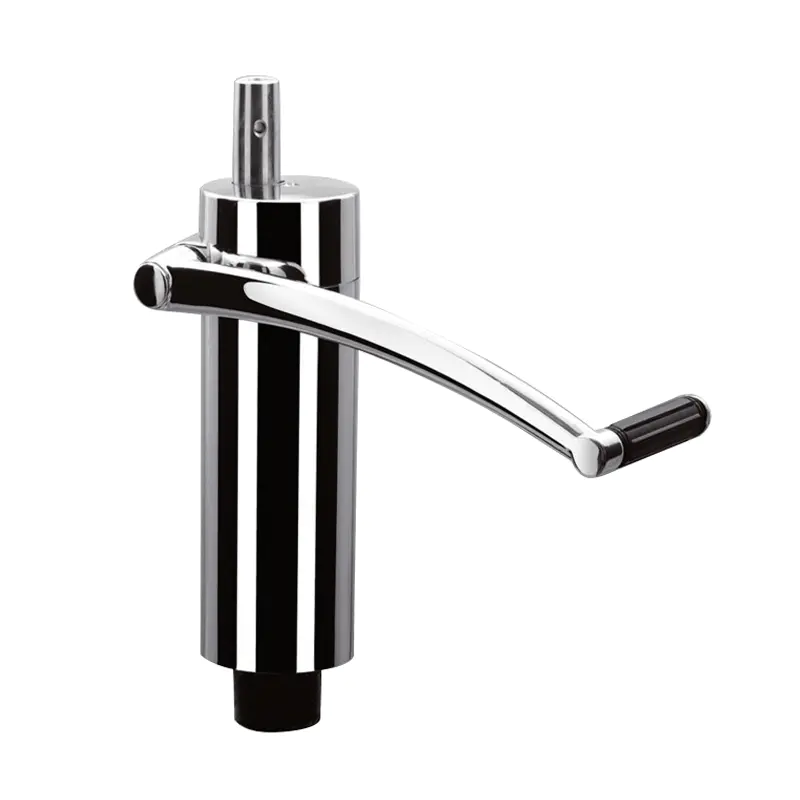
A hydraulic barber chair should rise and fall smoothly, hold its height where you set it, and lower under control. When oil starts weeping out of the pump, the cylinder, or a connection, it hurts performance and it's a real safety hazard. Once you know why a barber chair pump ends up leaking oil, you can narrow down the likely culprits and pick the right fix.
Worn or damaged hydraulic seals
Seals are what keep the oil inside the pump and cylinder. Age, friction, constant use, and the wrong fluid can leave them hard, cracked, or shrunken. Fresh oil pooled around the pedal, the pump piston, or the cylinder rod is usually a seal crying out. A chair that slowly sinks on its own may also have an internal leak or a release valve that's gone off.
Prevention: Keep an eye out for fresh oil during your regular walk-through. Swap in seals that match the model. If the pump is a sealed cartridge, you may end up replacing the whole assembly.
Loose fittings or damaged connections
Vibration, past repairs, worn washers, and chewed-up threads can all let oil seep around hoses and fittings. Oil likes to travel down the frame before it drips, so the puddle on the floor often isn't under the actual leak.
Prevention: Look over the joints and hoses you can reach. Tighten fittings the way the manufacturer says—cranking too hard strips threads or ruins the sealing surface.
A damaged hydraulic cylinder
The cylinder is what actually lifts the chair. Worn seals, corrosion, a scratched piston rod, or a dinged cylinder body can dump oil and kill the lift. A rough rod will chew up a brand-new seal, so the leak comes right back.
Prevention: Keep hydraulic bits clean and shield them from knocks and harsh cleaners. Get a qualified tech to look at damaged rods or bodies; replacement may be the only realistic fix.
Incorrect or contaminated hydraulic oil
The wrong fluid messes with lubrication, seal compatibility, and how the pump behaves. Dirt in the system speeds up internal wear, and mixing fluids that don't get along makes the problem harder to pin down.
Prevention: Run only the hydraulic fluid the manufacturer specifies. Keep refill bottles and service tools clean, and follow the right fill and bleed steps.
Overfilling or incorrect servicing
Fill it wrong and oil can work its way out through a reservoir opening or vent, depending on the chair. Air left in after service can also give you a jerky lift. How you check the level and top up changes from model to model.
Prevention: Follow the manual rather than just pouring oil into a chair that's leaking. Hunt down the leak and fix it first.
How to identify where the leak is coming from
Work your way over the pump, cylinder, hoses, and fittings until you see where oil first shows up. Treat these signs as clues, not a final verdict—oil can run along parts, and internal leaks may never leave a puddle at all.
| Symptom | Possible cause | Recommended action |
|---|---|---|
| Oil near the pedal or pump piston | Worn seal or damaged pump | Check serviceable seals or replace the pump |
| Oil around a hose or fitting | Loose joint, worn washer, cracked hose | Tighten or replace the faulty part |
| Oil on the cylinder rod | Worn rod seal or damaged rod | Get the cylinder inspected |
| Chair sinks under load | Internal leak or bad release valve | Take it out of service until checked |
| Leak after a refill | Bad fill or an underlying fault | Look up the model's service steps |
Pull the chair from service if it's leaking heavily, sinks on its own, or can't hold a client safely. Never slide under a chair that's only being held up by hydraulics. Parts can stay pressurized, so leave disassembly to someone qualified.
How to keep future leaks away
Every so often, check for fresh oil, corrosion, tired hoses, and joints that are giving up. How often you do this depends on how hard the chair works and what the maintenance guide suggests.
Stay inside the rated load, and work the pedal and release lever the way they were meant to be used. If the movement feels off, don't force it. Clean the chair with products that play nice with it, and keep gunk away from any open service ports.
Jot down recurring leaks and past repairs. If a fresh seal fails quickly, look at the rod surface, the sealing surfaces, fluid compatibility, or how the part was installed. Getting to the root cause cuts down on repeat fixes and downtime.
Repair or replace the pump?
Repair makes sense when the fault is a replaceable seal, washer, or fitting and everything else is holding up. Pump or cylinder replacement becomes the practical call when the housing is cracked, the rod is beat up, parts aren't available, or the last repair didn't take.
Weigh repair cost, parts availability, and the chair's overall shape. Don't keep a leaking chair in service just because it still goes up and down. Matching replacement parts and following the model's service procedure is what gets you back to reliable operation.