
 En
En Português
 عربى
عربى
Home / News / Industry News / Can a Heavy-Duty Salon Chair Base Improve Chair Stability and Service Life?
A salon chair goes through a lot during a normal working day. A client sits down, gets up, leans back, shifts to one side, and sometimes puts quite a bit of weight on the chair without thinking about it. Meanwhile, the stylist may raise or lower the chair several times during a haircut or other service. All of this movement eventually comes back to the chair structure, including the base.
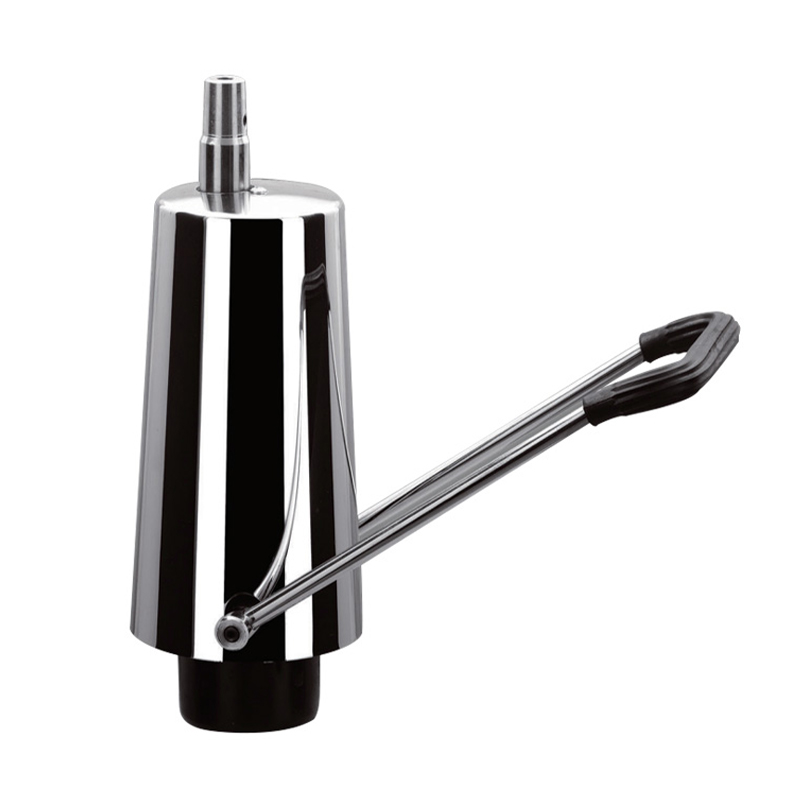
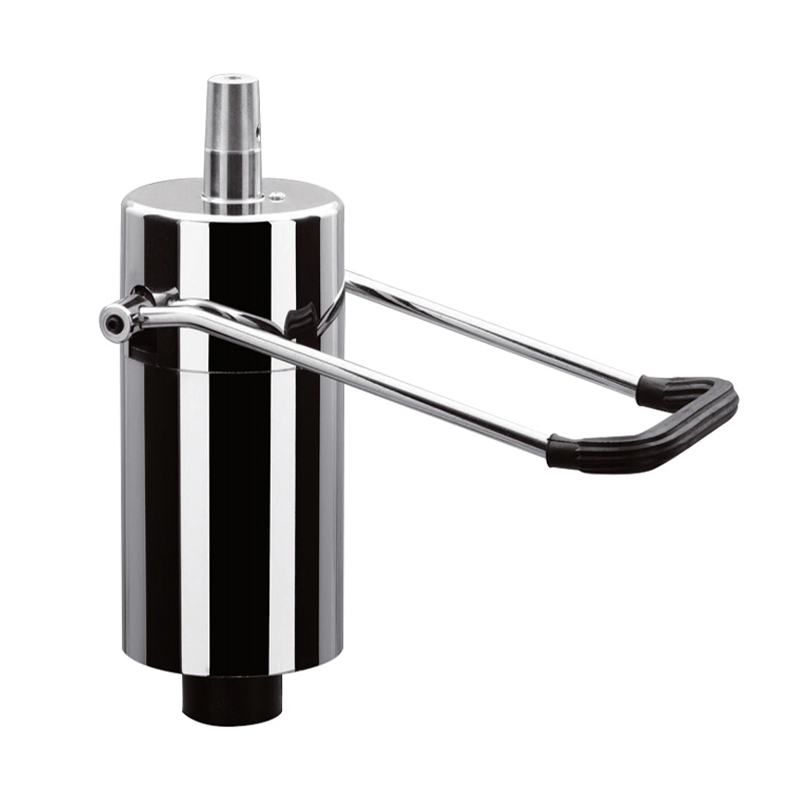
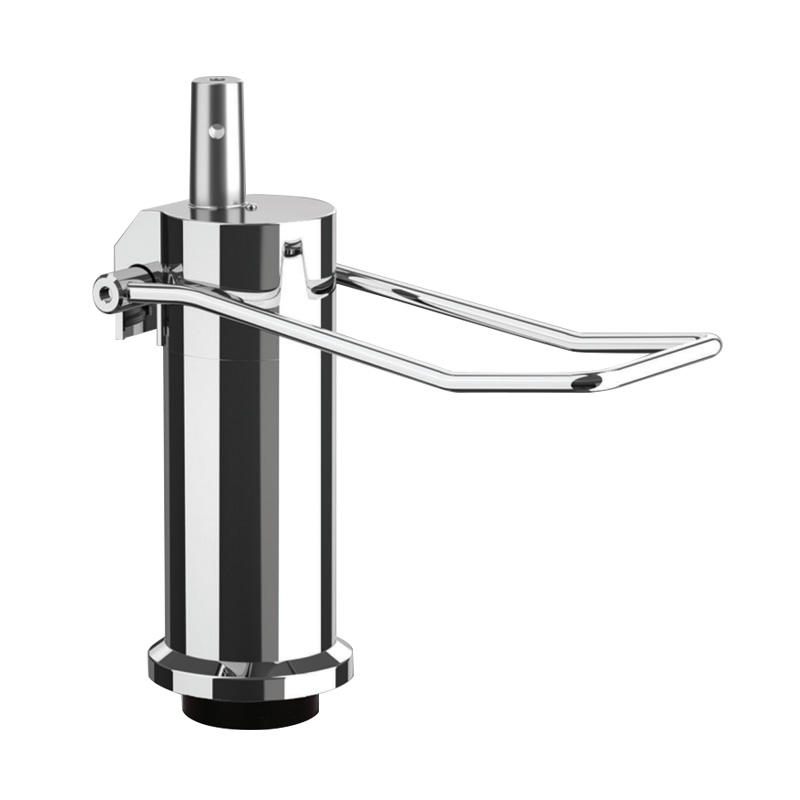
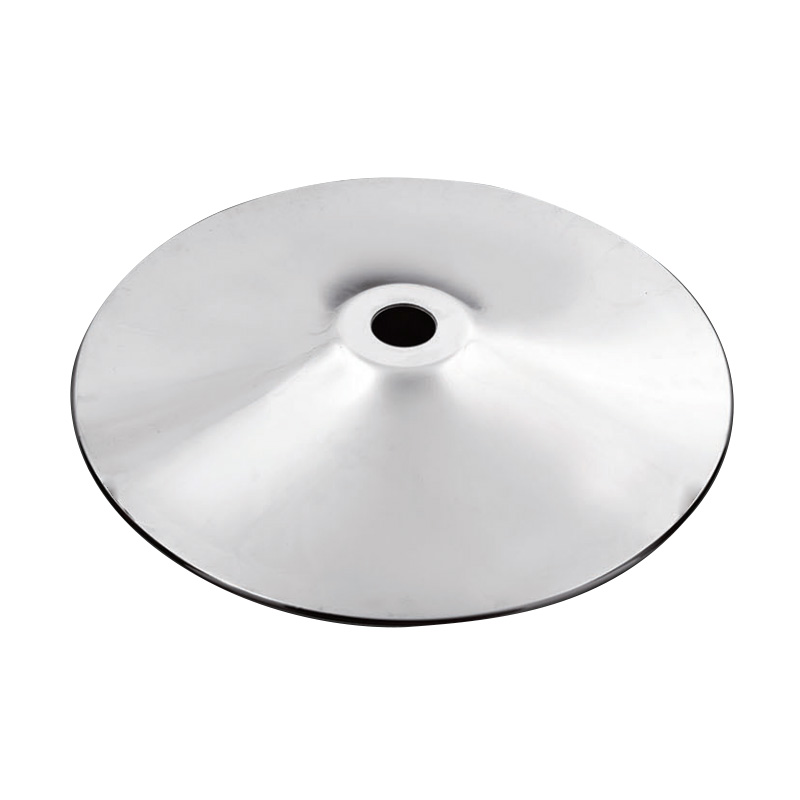
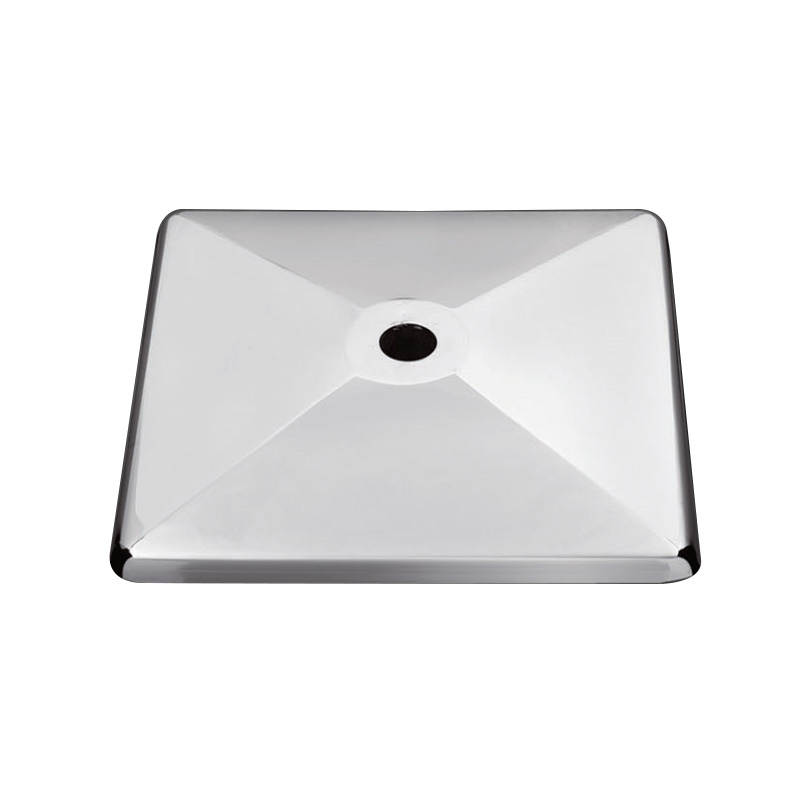
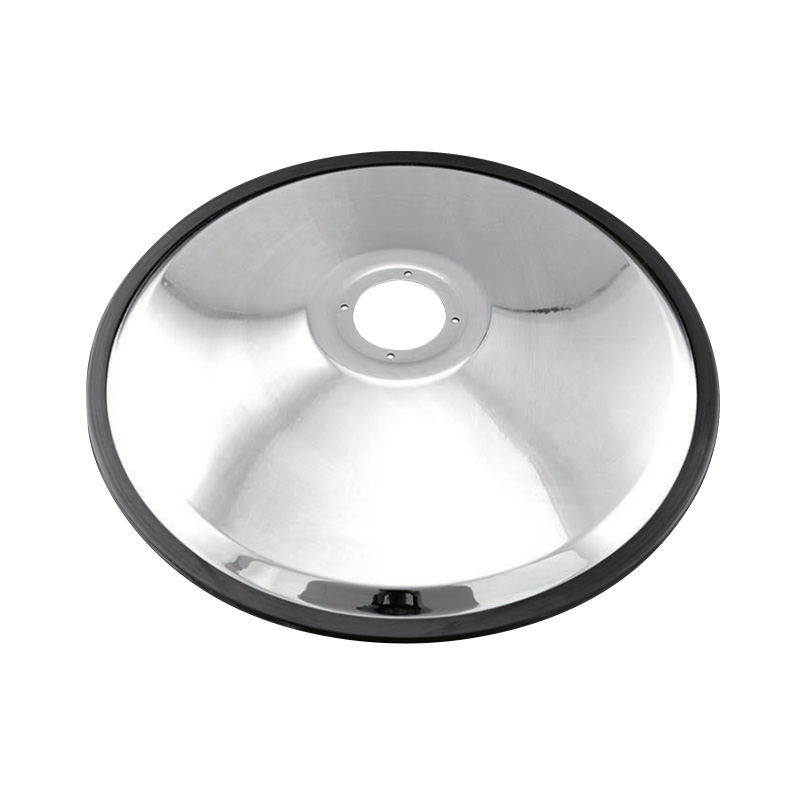
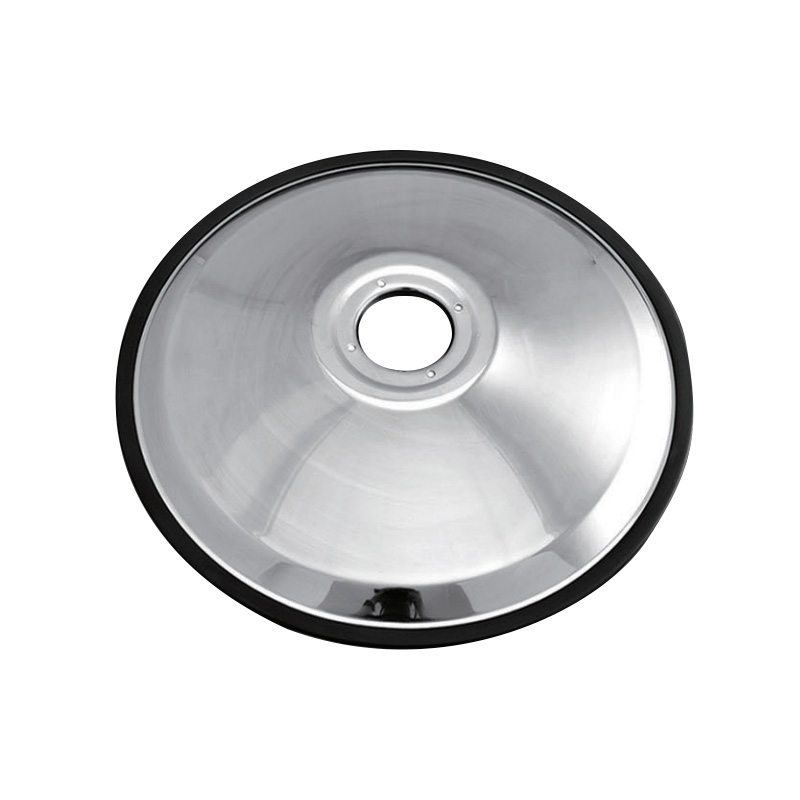
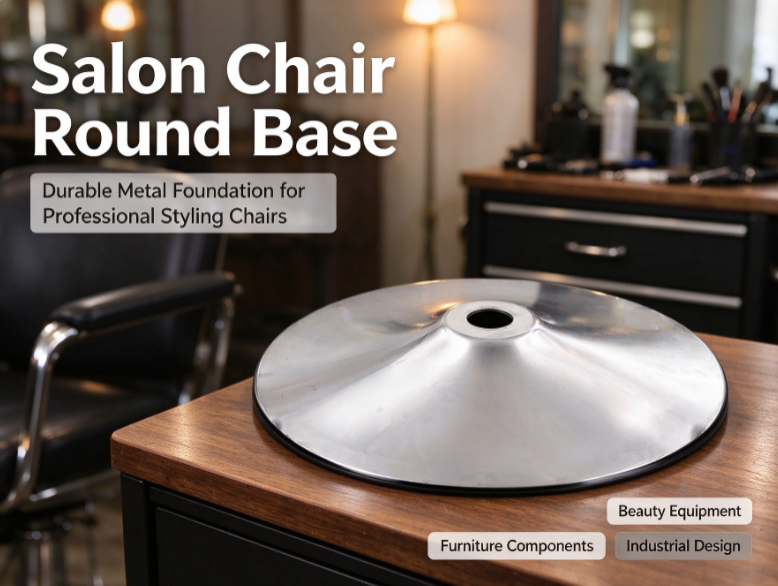
For salon furniture manufacturers, wholesalers, distributors, and replacement-part buyers, choosing a Heavy-Duty Salon Chair Base isn't simply about finding something that looks solid. The base affects how the chair sits on the floor, how the weight is distributed, how well it handles movement, and how securely it works with the hydraulic pump and chair frame.
A heavier base can certainly help in some designs, but adding weight by itself doesn't solve every stability problem. The base size, material, mounting points, hydraulic system, frame design, and actual use of the chair all matter.
Why the Chair Base Matters for Overall Stability
The base is basically where the chair puts its load onto the floor.
When someone sits in the chair, the base carries the combined weight of the person and the chair. The load changes again when the person leans back or to one side, or when the chair is raised or lowered.
A properly designed base can help provide:
- A stable footprint
- Better weight distribution
- Support for the hydraulic pump
- Less unwanted movement
- A solid connection to the chair frame
But the base doesn't work on its own. A strong base can't fix a weak frame, a badly fitted hydraulic pump, or poor installation. The whole chair has to work together.
How a Larger Footprint Can Improve Stability
One obvious difference between base designs is their overall size.
A wider or longer base gives the chair more contact area with the floor. In the right chair design, this can help reduce movement when the user shifts position or leans back.
| Base characteristic | Potential effect |
|---|---|
| Wider footprint | Gives the chair a larger support area |
| Heavier construction | Can make unwanted movement harder |
| Rigid structure | Helps keep the chair properly aligned |
| Low center of gravity | Can contribute to better overall stability |
| Strong mounting plate | Provides a firmer connection with the chair |
Still, bigger isn't automatically better.
An oversized base can make the chair heavier, take up more floor space, and add cost without giving the chair much practical benefit. The dimensions should make sense for the complete chair design.
Base Weight Also Influences Chair Behavior
A heavier base can help keep the chair planted on the floor when a customer moves around.
This can be useful for barber chairs, reclining chairs, and larger salon chairs where the frame and seat already carry more weight.
That said, simply adding more metal isn't the whole answer. The position of that weight matters too. A base with well-distributed weight may provide useful stability without making the entire chair unnecessarily heavy.
When developing a chair, manufacturers should look at the base weight together with the seat size, chair height, frame, and center of gravity. These parts affect each other.
Material Selection Affects Strength and Durability
Heavy-duty salon chair bases can be made from several materials, depending on the design and the load they need to handle.
Steel is commonly used when the chair needs a rigid, strong base. Aluminum can be useful when keeping the overall chair weight down is important. Stainless steel may make sense where corrosion resistance and appearance are priorities.
Buyers should look at:
- Material type
- Material thickness
- Structural design
- Weld quality
- Surface treatment
- Corrosion resistance
| Material | General characteristic | Typical consideration |
|---|---|---|
| Steel | Strong and rigid | Suitable for heavy-use furniture |
| Stainless steel | Corrosion resistant | Useful where appearance and moisture resistance matter |
| Aluminum | Lower weight | Suitable for selected designs |
| Coated metal | Adds surface protection | Coating quality affects durability |
Don't rely only on a supplier saying the base is “heavy-duty.” Ask for the actual material and construction details.
Hydraulic Pump Compatibility Is Essential
Most salon chairs that need height adjustment use a hydraulic pump.
The pump connects to the base, so even a well-made base isn't useful if the mounting dimensions don't match the pump.
Things worth checking include:
- Pump diameter
- Mounting hole pattern
- Mounting plate size
- Pump height
- Shaft or connection dimensions
- Release mechanism position
This is one of those details that can cause trouble later if it's ignored at the beginning. A base may look fine and feel strong, but if the pump doesn't fit properly, installation becomes a problem.
For OEM projects, it's often easier to design the base and hydraulic pump as a matched set.
The Center of Gravity Affects Chair Stability
Where the chair's weight is concentrated has a direct effect on how stable it feels.
For example, when a client leans backward, their weight moves away from the normal seating position. The chair then puts a different load on the base and mounting structure.
Reclining chairs need extra attention here because the center of gravity can change quite a bit as the chair moves.
| Chair condition | Stability consideration |
|---|---|
| Upright seating | Normal load distribution |
| Client leaning backward | Center of gravity moves |
| Chair at maximum height | Overall center of gravity is higher |
| Reclining position | Load path changes |
| Uneven user position | Side loading can increase |
These situations are worth including in testing, especially for commercial chairs that will be used all day.
Base Design Can Affect Service Life
The base also has a role in how much stress other chair components have to deal with.
If the base flexes too much or the mounting area isn't strong enough, repeated movement can transfer extra stress into the:
- Hydraulic pump
- Chair frame
- Mounting bolts
- Welded joints
- Seat structure
At first, the problem may only show up as a little movement or a loose bolt. After repeated use, it can turn into deformation, alignment problems, or more serious component wear.
A rigid base can help reduce this kind of unnecessary stress, but only when the rest of the chair is designed to handle the same loads.
Surface Treatment Matters in Salon Environments
Salon furniture has to deal with more than people sitting on it. Water, shampoo, hair products, cleaning chemicals, and frequent wiping are all part of everyday use.
The base can also be exposed to moisture from wet floors or cleaning.
A suitable surface treatment helps protect the metal and keeps the base in usable condition for longer.
Common finishes include:
- Chrome plating
- Powder coating
- Polished metal
- Brushed stainless steel
- Other protective coatings
For B2B buyers, the finish should match the environment where the chair will be used.
A busy salon may clean its furniture several times a day, so the finish needs to tolerate the cleaning method recommended by the manufacturer.
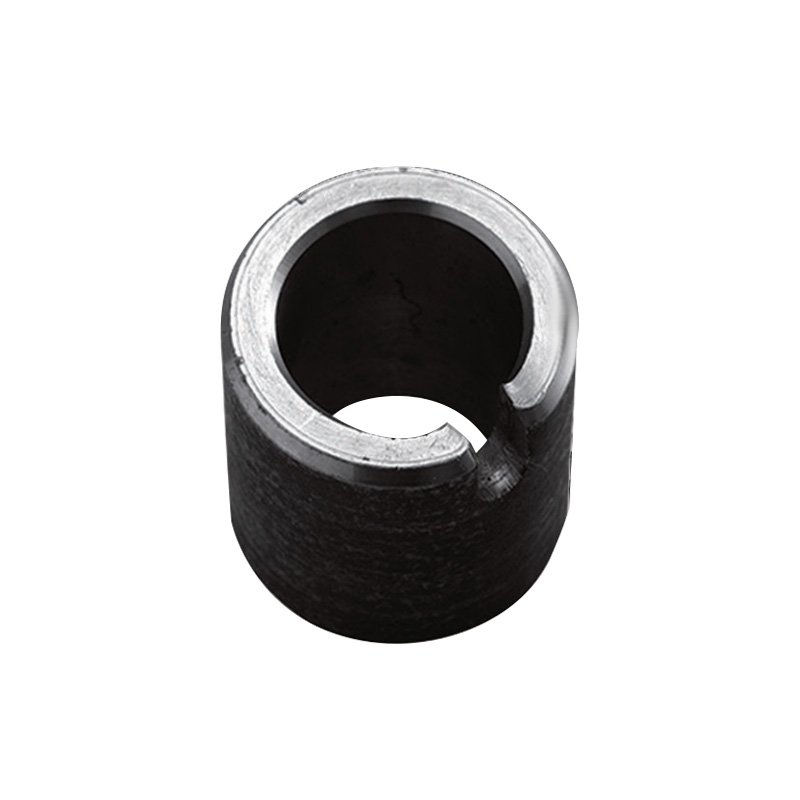
Foot Contact and Floor Protection Should Be Considered
The bottom of the base needs to sit securely on the floor.
Depending on the design, it may use leveling feet, rubber pads, protective pieces, or another type of floor-contact structure.
These parts can help compensate for small floor irregularities and prevent direct metal-to-floor contact.
Floor protection is also worth thinking about. A heavy base that works well mechanically can still be a headache if it scratches expensive flooring.
This matters for tile, wood, vinyl, and polished commercial floors. Buyers should check how the underside of the base behaves during normal movement and rotation.
Fixed Bases and Mobile Bases Have Different Requirements
Salon chairs don't all stay completely still.
Some chairs rotate, some allow limited movement, and others are designed to remain firmly in one position. Those different uses place different requirements on the base.
For a fixed chair, rigidity and load support may be the main concerns. A rotating chair needs the base and rotation mechanism to work together without unwanted play.
Before selecting a Heavy-Duty Salon Chair Base, buyers should decide whether the chair needs:
- Fixed support
- Swivel capability
- Controlled movement
- Rotation
- Floor-level adjustment
There's no point choosing a base designed for one type of movement and then using it in a chair with completely different requirements.
Heavy-Duty Designs Can Be Useful for High-Frequency Salon Use
A salon chair in a busy shop can go through hundreds or thousands of movement and loading cycles over its working life.
It may be raised, lowered, rotated, reclined, and loaded by different customers throughout the day. That's a lot of repeated use.
A heavy-duty base may provide:
- Greater structural rigidity
- Stronger mounting points
- Better support for heavier chair frames
- More resistance to repeated loading
But the base is still only one part of the product. Pump quality, frame construction, assembly, maintenance, and operating conditions all affect actual service life.
What Should B2B Buyers Check Before Ordering?
When buying salon chair bases in bulk, don't compare suppliers based only on product photos or a short product description. Technical details are much more useful.
| Item | What to check |
|---|---|
| Material | Steel, stainless steel, aluminum, or other |
| Dimensions | Overall size and mounting measurements |
| Weight | Helps assess stability and shipping requirements |
| Load rating | Suitability for the complete chair |
| Mounting | Compatibility with hydraulic pump and frame |
| Surface finish | Appearance and corrosion protection |
| Floor contact | Pads, feet, or leveling features |
| Customization | Dimensions, finish, and mounting options |
| Testing | Load and durability testing |
| Packaging | Protection during shipment |
Having this information in advance makes supplier comparisons much easier.
Quality Control Can Affect Long-Term Performance
Small manufacturing differences can become bigger problems after a chair has been used repeatedly.
For example, inconsistent mounting-hole positions can make assembly difficult. Uneven welds or poor surface finishing can also affect the final product.
Quality checks may include:
- Overall dimensions
- Mounting holes
- Flatness
- Weld quality
- Surface finish
- Load performance
- Fit with hydraulic components
For repeat orders, buyers should also make sure the supplier keeps the same agreed specifications from batch to batch.
An approved sample or technical drawing is useful here. It gives both sides something specific to work from when future orders are produced.
Customization Can Support Different Chair Designs
Salon chairs come in many shapes and sizes. A standard base won't necessarily work for every model.
Depending on the manufacturer's capabilities, buyers may be able to customize:
- Base diameter
- Base height
- Mounting plate
- Hole pattern
- Hydraulic pump interface
- Surface finish
- Decorative structure
- Weight
This can be particularly useful for OEM furniture manufacturers developing chairs with unusual proportions or a custom frame.
If customization is needed, provide a drawing with dimensions where possible. A physical sample can also help when the existing chair has already been built.
Sample Testing Is Useful Before Bulk Production
Before placing a large production order, testing a sample with the complete chair can reveal issues that aren't obvious from drawings.
The sample can be checked for:
- Chair stability
- Hydraulic compatibility
- Rotation
- Height adjustment
- Load behavior
- Reclining operation
- Floor contact
- Visible deformation
Testing should use a chair configuration that represents the actual production model, including realistic loading.
This is especially important when a base has been resized or redesigned. It may look right on paper but behave differently once the actual frame, pump, and seat are installed.
Service and Maintenance Also Matter
Even a strong base still needs some basic maintenance.
Operators should periodically inspect the base and mounting hardware for:
- Loose bolts
- Surface damage
- Corrosion
- Cracks
- Unusual movement
- Hydraulic mounting issues
Maintenance should follow the manufacturer's instructions for the specific chair.
For a busy commercial salon, regular checks are useful because small problems are easier to deal with before they affect the rest of the chair.
How to Choose a Base for Different Salon Chairs
Different chair types put different demands on the base.
| Chair design | Base selection focus |
|---|---|
| Standard styling chair | Stability, size, hydraulic compatibility |
| Barber chair | Load support, rigid construction |
| Reclining chair | Center of gravity and mounting strength |
| Large salon chair | Footprint and load distribution |
| Lightweight chair | Balance between weight and stability |
| Custom OEM chair | Dimensions and mounting customization |
The base should always be considered together with the chair it will support.
Can a Heavy-Duty Salon Chair Base Extend Chair Service Life?
A Heavy-Duty Salon Chair Base can contribute to longer chair service life when its design matches the frame, hydraulic pump, expected load, and working conditions.
A properly sized and rigid base can help distribute loads and reduce unnecessary stress on the hydraulic system and chair frame. Strong mounting points and suitable materials can also help the chair handle repeated daily use.
Still, the base isn't the only factor. The hydraulic pump, chair frame, upholstery structure, assembly quality, maintenance, and working environment all have an effect on how long the chair remains in service.
For B2B buyers, it makes more sense to evaluate the base as one part of the complete salon chair system.
Choosing a Base Around the Complete Chair Design
A heavy-duty base isn't simply about making the chair heavier. What really matters is how its dimensions, material, structure, mounting points, surface treatment, and hydraulic compatibility fit the rest of the chair.
For salon furniture manufacturers, wholesalers, and distributors, clear drawings, sample testing, and consistent production specifications can make the sourcing process much easier.
A suitable Heavy-Duty Salon Chair Base can give professional salon furniture a stable foundation and help support long-term use when the base is properly matched with the other chair components.