
 En
En Português
 عربى
عربى
Home / News / Industry News / How to Choose a Salon Chair Hydraulic Pump for Different Chair Designs
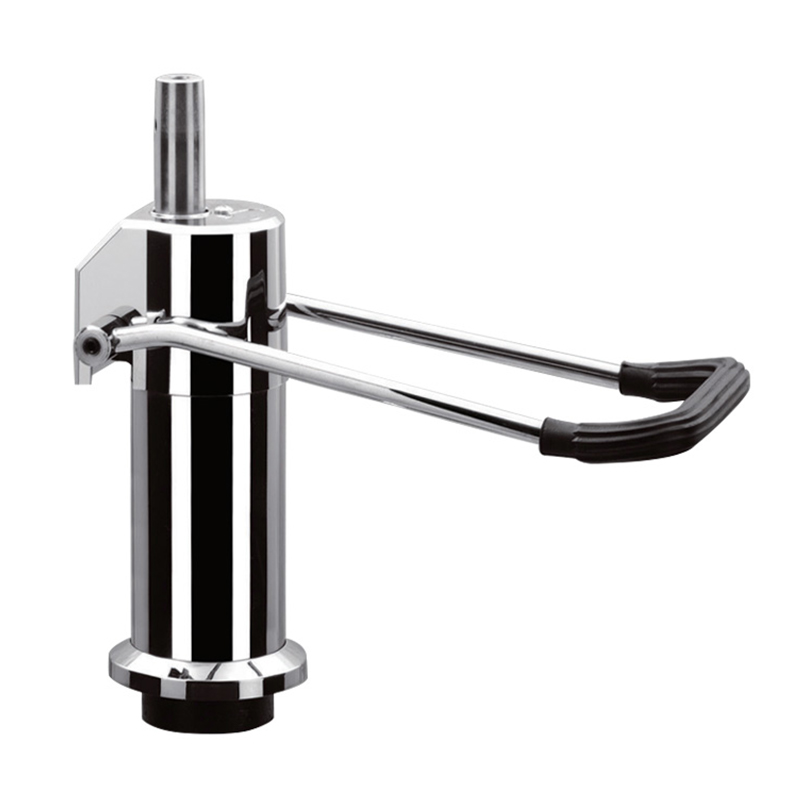
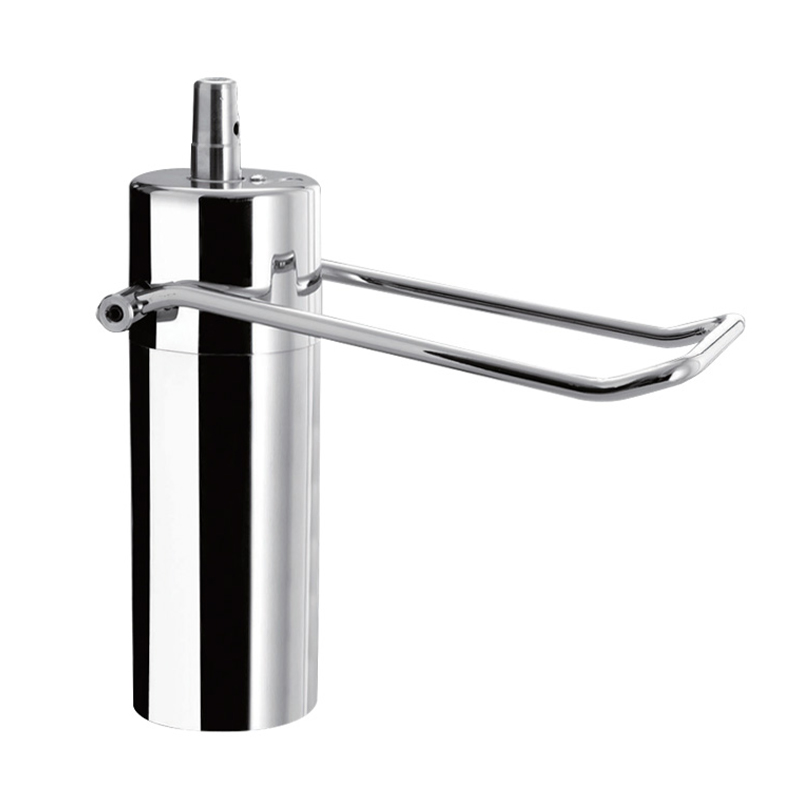
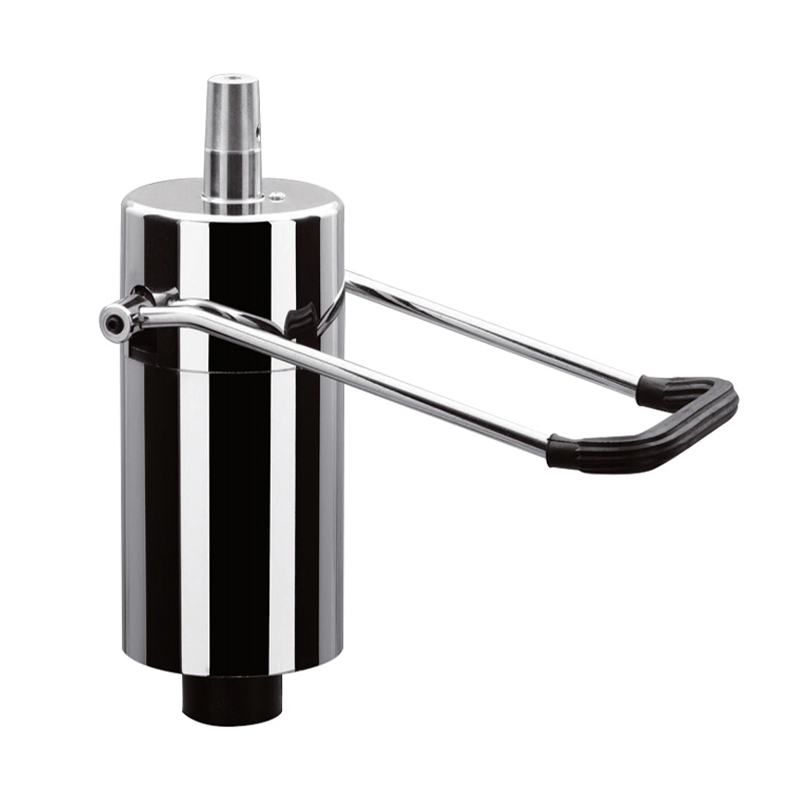
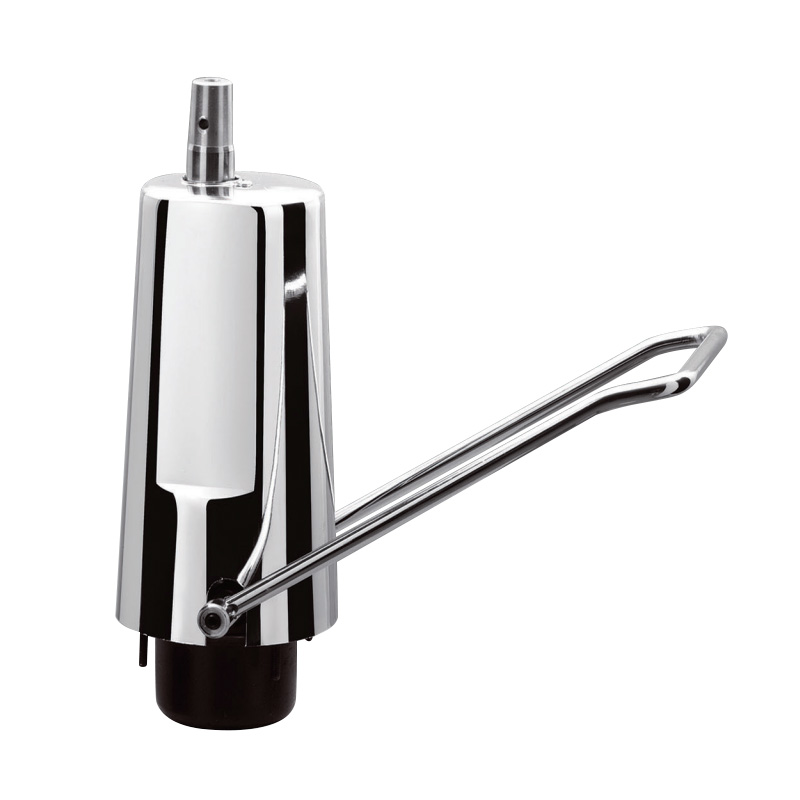
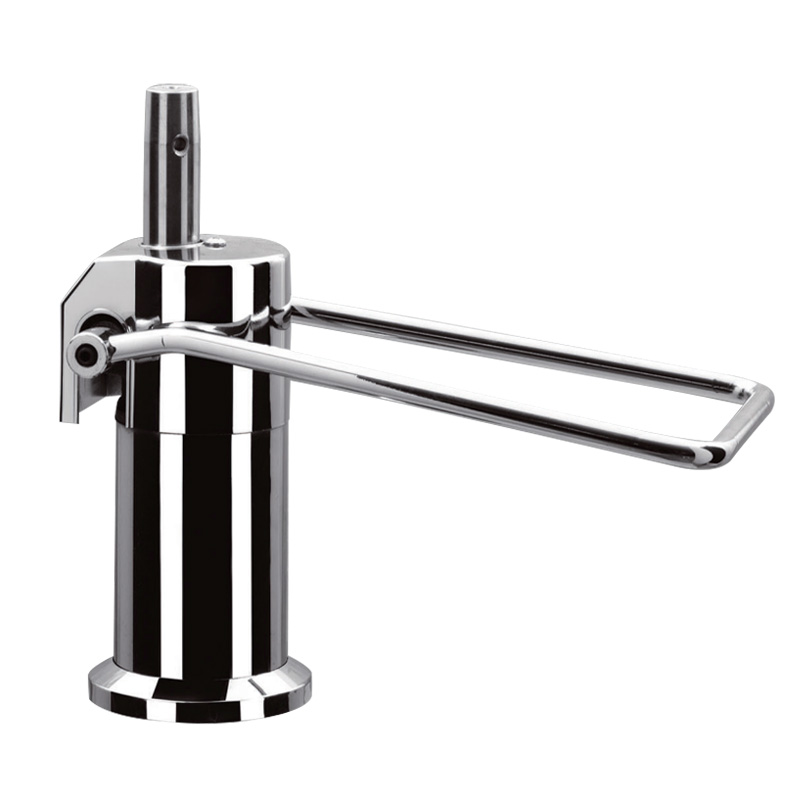
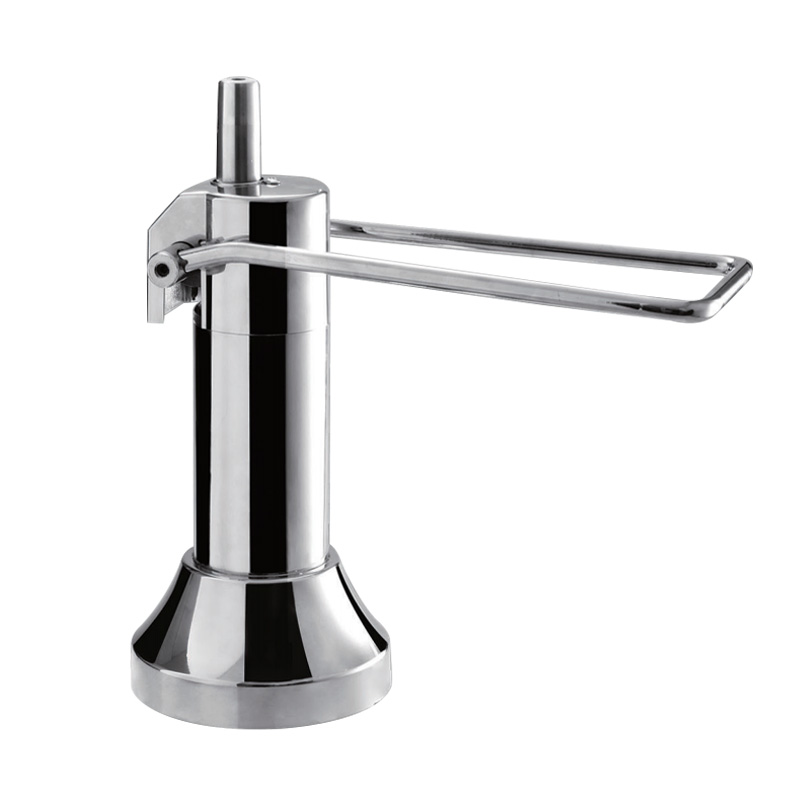
Choosing a Salon Chair Hydraulic Pump is not just about finding a pump that can move a chair up and down. The chair itself has a lot to do with the choice.
A small styling chair, a heavy barber chair, and a reclining chair can look similar at first glance, but their structures and load conditions are usually different. The way the pump is mounted, the space under the seat, the working height, and even how the chair is used every day can all affect which pump makes sense.
For wholesalers, distributors, chair manufacturers, and other B2B buyers, it is worth looking at the pump as part of the whole chair. Buying based only on lifting capacity or price can create problems later during assembly or daily use.
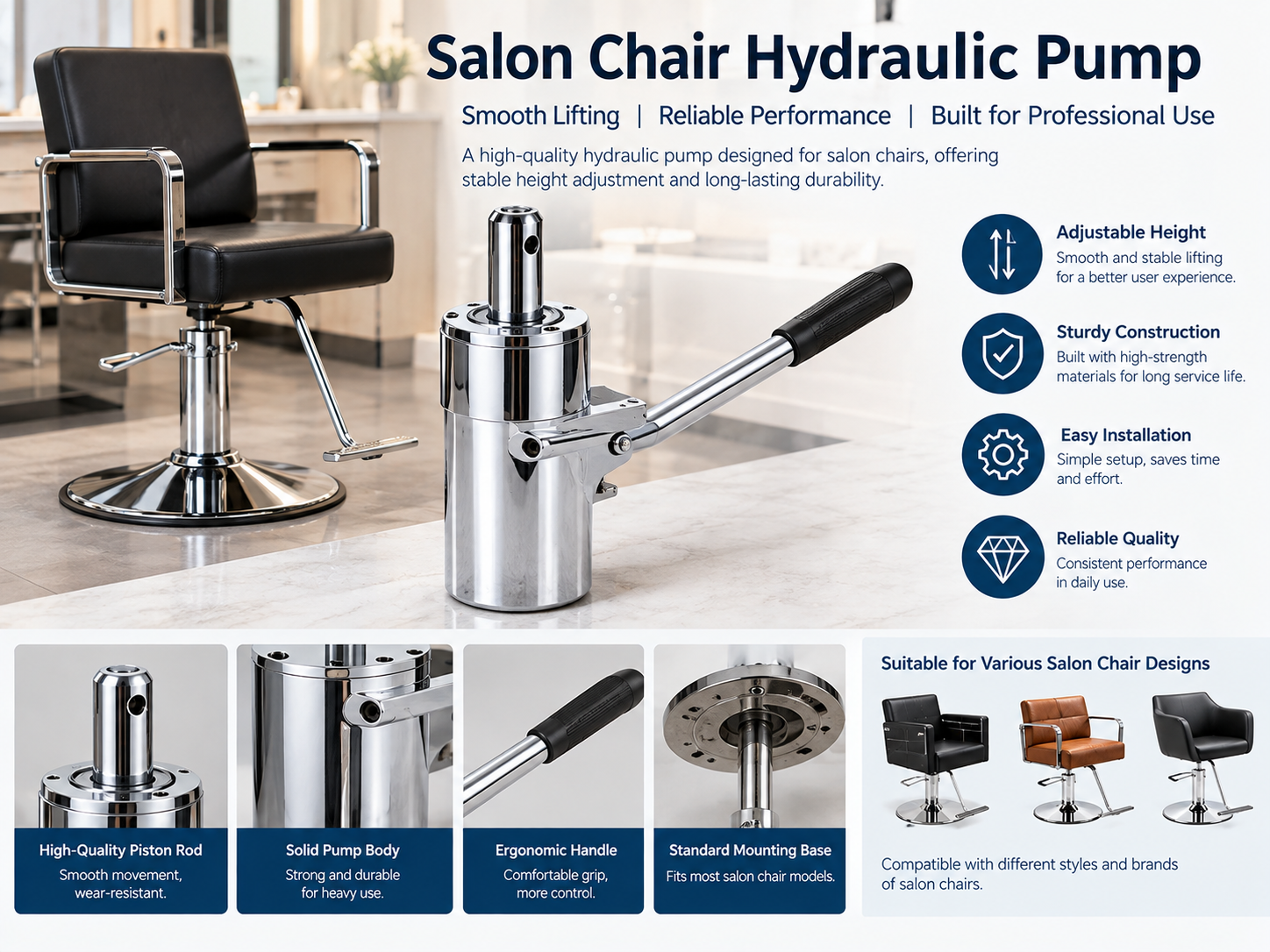
Why Chair Design Should Come Before Pump Selection
Before checking pump specifications, look at the chair design.
The overall size of the chair matters because a larger seat and heavier frame can change the load placed on the pump. Mounting position matters too. A pump may have the right lifting range but still be difficult to install if the mounting dimensions do not fit the chair base.
There is also the actual lifting requirement. Some chairs need only a moderate height adjustment, while others need more travel because of their structure.
For bulk purchasing, buyers should have basic information ready:
- Chair dimensions and overall structure
- Approximate chair weight
- Expected user load
- Pump mounting dimensions
- Required lifting height
- Base and seat construction
- Whether the chair reclines or has moving sections
Having these details early makes pump selection much easier.
Different Salon Chair Designs Require Different Pump Characteristics
Not every salon chair puts the same demand on a hydraulic pump. A compact styling chair may focus on saving space, while a heavy barber chair needs more attention to load and structural matching.
| Chair Design | Main Pump Considerations |
|---|---|
| Compact styling chair | Small footprint, suitable mounting arrangement |
| Standard salon chair | Balanced lifting range and installation space |
| Heavy-duty barber chair | Load capacity and structural support |
| Reclining barber chair | Clearance, stability, and movement space |
| Wide or oversized chair | Larger load and stronger structural match |
| Custom chair | Special dimensions or customized pump setup |
This does not mean every chair in one category uses the same pump. The actual chair construction still needs to be checked.
Check the Required Lifting Height
Lifting height is one of those specifications buyers can easily overlook.
A pump with a long lifting range is not automatically suitable for every chair. If the chair only needs a smaller amount of movement, the available space and working position may make a different design more practical.
For manufacturers, the useful measurement is the actual height difference between the lowest and highest working positions.
It is also worth checking how much space is available when the chair is at its lowest point. A pump that looks suitable on paper may cause installation issues once all the chair components are put together.
Load Capacity Needs to Be Evaluated as a Complete System
Load capacity should be considered as part of the complete chair structure.
The pump does not carry the user in isolation. The chair frame, seat, base, mounting plate, and other connected parts all affect how the load is distributed.
A heavy chair can also create more demanding conditions during movement. For example, a wide seat or a large backrest may change the balance of the chair when someone sits down or leans back.
For B2B buyers, it is better to provide the supplier with the expected chair weight and intended load instead of asking only, “How many kilograms can this pump lift?”
That gives both sides a clearer starting point.
Mounting Dimensions Must Match the Chair Structure
Even when the hydraulic specifications look right, installation can still be a problem.
Mounting dimensions need to match the chair structure, including the position of fixing points and available installation space. Small differences can become annoying during production because the pump may require additional brackets, drilling, or structural changes.
For chair manufacturers, these details should be checked before placing a larger order.
A simple dimensional drawing can save a lot of back-and-forth communication.
Compact Styling Chairs Usually Need Space-Efficient Designs
Compact styling chairs often have less room around the base and underneath the seat.
That means the physical size and mounting arrangement of the pump become more important. There may be no need for a large or complicated setup when the chair itself is relatively light and simple.
For this type of chair, buyers normally need to balance lifting requirements with the available installation space.
It sounds straightforward, but this is exactly where a pump selected only from a product list can cause trouble.
Heavy Barber Chairs Need a More Careful Structural Match
Heavy barber chairs usually have a different structure from lightweight salon chairs. They may include a thicker frame, larger seat, heavier upholstery, or additional reclining components.
Because of that, buyers should look beyond the pump's basic lifting specification and consider how the chair's weight is distributed.
The mounting structure is important here as well. A pump may have enough nominal capacity, but the complete chair still needs to be designed around it.
For regular bulk production, checking the pump and chair together during sample assembly is useful before moving into a larger order.
Reclining Chairs Require Additional Clearance
Reclining chairs have another issue that standard styling chairs may not have: moving parts.
When the backrest or other sections change position, the space around the pump and base can change too. Something that clears the pump in one position may come closer in another.
Before selecting a pump, buyers should check:
- Where the pump is installed
- How the chair moves during reclining
- Whether any components pass close to the pump
- Whether the base provides enough support
- Whether the full movement range works without interference
This is a small detail during product development, but it can become a real headache once production starts.
The Base Design Also Affects Pump Selection
The chair base and hydraulic pump work together.
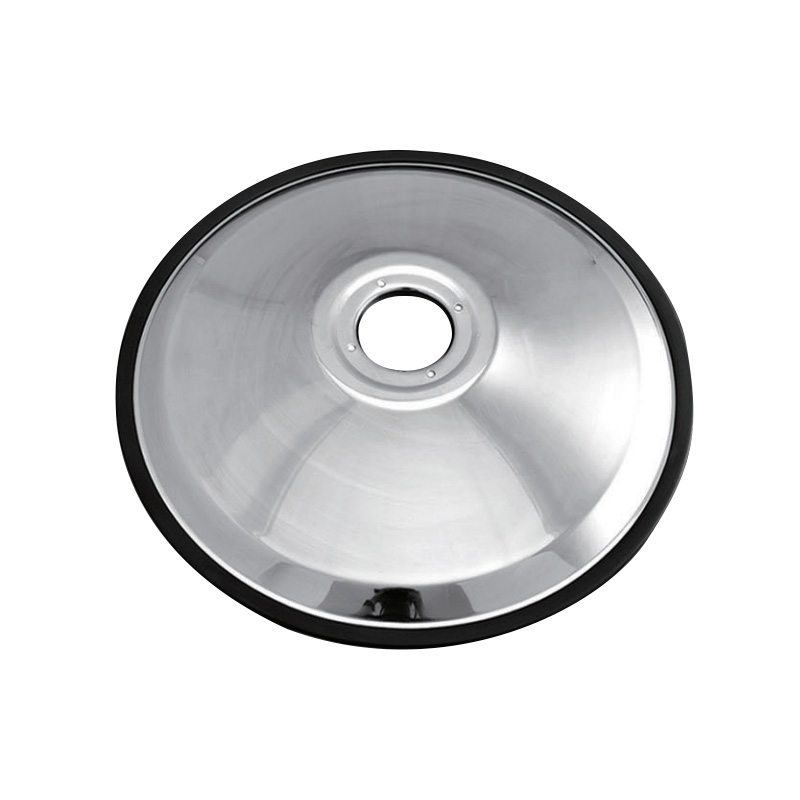
Different base structures can have different mounting arrangements and available space. The connection between the pump, base, and chair frame needs to be considered as one setup.
This is why sending the pump supplier clear chair drawings or sample dimensions is usually more useful than simply sending the chair name.
Hydraulic Release Mechanisms Need to Match the Chair
The release mechanism is another practical detail.
The control position should work with the chair structure and allow the user to operate the pump naturally. Pedal or other release arrangements also need to fit the available space.
For manufacturers, this is partly an assembly issue. A pump can function correctly but still be inconvenient if the release mechanism is awkwardly positioned.
Pump Movement Should Be Smooth and Predictable
For salon and barber chairs, users expect the height adjustment to feel controlled. Sudden movement or inconsistent operation can make the chair uncomfortable to use.
During product evaluation, buyers can check how the pump behaves under load and whether the movement remains steady through the working range.
This is especially useful when comparing samples from different suppliers. Looking only at written specifications does not always show how a pump actually feels once installed in a chair.
Material and Construction Influence Long-Term Use
Construction details also deserve attention, especially for buyers placing repeat or bulk orders.
Depending on the product design, buyers may want to review:
- Cylinder construction
- Surface treatment
- Seal materials
- Spring components
- Fixing hardware
- Pedal materials
- Corrosion resistance
These details can affect how the pump performs over repeated use.
For B2B purchasing, it is useful to ask what materials are used in the key components and whether the same construction will be maintained across production batches.
How Usage Frequency Changes the Selection
The same chair may be used very differently depending on where it is installed.
A chair in a busy commercial salon may be adjusted many times each day. A lower-use environment may put less frequent demand on the pump.
| Usage Level | What Buyers Should Consider |
|---|---|
| Low | Basic compatibility and installation |
| Medium | Repeated movement and component durability |
| High | Frequent cycling, structure, and quality consistency |
For wholesalers and distributors, understanding the end-use environment can also help when selecting different pump models for different chair ranges.
Custom Hydraulic Pumps Can Help With Non-Standard Chair Designs
Not every chair follows a standard design.
Custom salon furniture may have unusual dimensions, special mounting points, or a different working height. In these cases, a standard pump may require too many changes to the chair structure.
A customized hydraulic pump can be considered when the normal dimensions do not fit the product.
For OEM or ODM projects, it is helpful to discuss drawings, mounting dimensions, load requirements, and movement range at the beginning of the project. This reduces the chance of discovering compatibility problems after the chair design is already finished.
Quality Control Matters for Bulk Purchases
For bulk buyers, quality control is not only about checking one sample.
Consistency between batches matters too. A chair manufacturer may assemble hundreds or thousands of units, so small changes in pump dimensions or components can create production problems.
Buyers should pay attention to sample approval, dimensional consistency, operating checks, and the supplier's production quality process.
It is also useful to confirm whether the specifications agreed during the sample stage will remain unchanged in mass production.
A Practical Buying Checklist for Salon Chair Hydraulic Pumps
Before placing an order, buyers can use a simple checklist like this:
| Item | What to Check |
|---|---|
| Chair type | Styling, barber, reclining, custom, etc. |
| Chair weight | Include the complete chair structure |
| User load | Consider expected working conditions |
| Lifting height | Confirm the required working range |
| Mounting size | Match fixing points and available space |
| Base structure | Check pump and base compatibility |
| Clearance | Make sure moving parts do not interfere |
| Release system | Confirm the control position and mechanism |
| Usage frequency | Consider expected daily operation |
| Custom needs | Identify non-standard dimensions early |
This list is simple, but it covers many of the problems that appear during actual chair assembly.
Selecting the Pump Around the Chair's Real Requirements
A Salon Chair Hydraulic Pump should be selected around the chair it will actually support.
Chair type, dimensions, load, lifting range, mounting position, base structure, movement, and usage frequency all have a part to play. For standard chairs, the process may be fairly straightforward. For heavier or custom reclining chairs, more detailed checking is usually needed.
For B2B buyers, the practical approach is to treat the pump as one part of the complete chair system. Sharing accurate drawings and requirements with the supplier at the beginning can make sample testing, customization, and mass production much easier.