
 En
 Português
 عربى
Home / News / Industry News / How Does a Salon Chair Hydraulic Pump Improve Comfort and Efficiency in Professional Salons?
During a salon appointment, the chair may need to be raised or lowered several times. Clients have different heights, and stylists need room to work without constantly bending or stretching. The hydraulic pump beneath the seat handles these adjustments. When it operates smoothly and holds its position, the chair is easier to use and less likely to interrupt the service.
For salon owners and equipment buyers, the pump is worth examining when purchasing chairs or sourcing replacement parts. It affects how the chair moves and supports a load, although the overall comfort of the seat also depends on its shape, padding, and other design features.
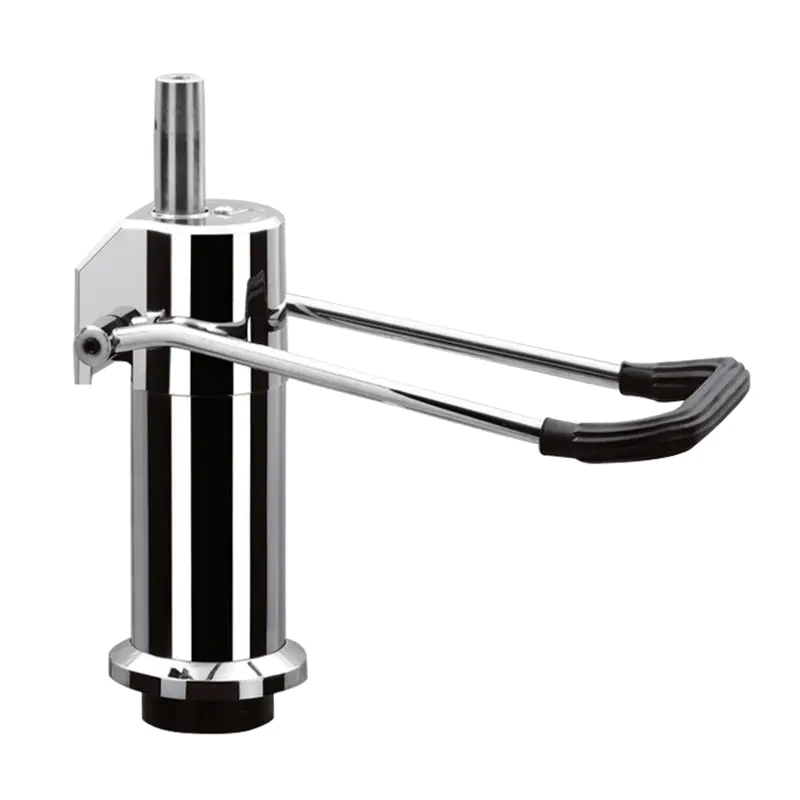
How a Salon Chair Hydraulic Pump Works
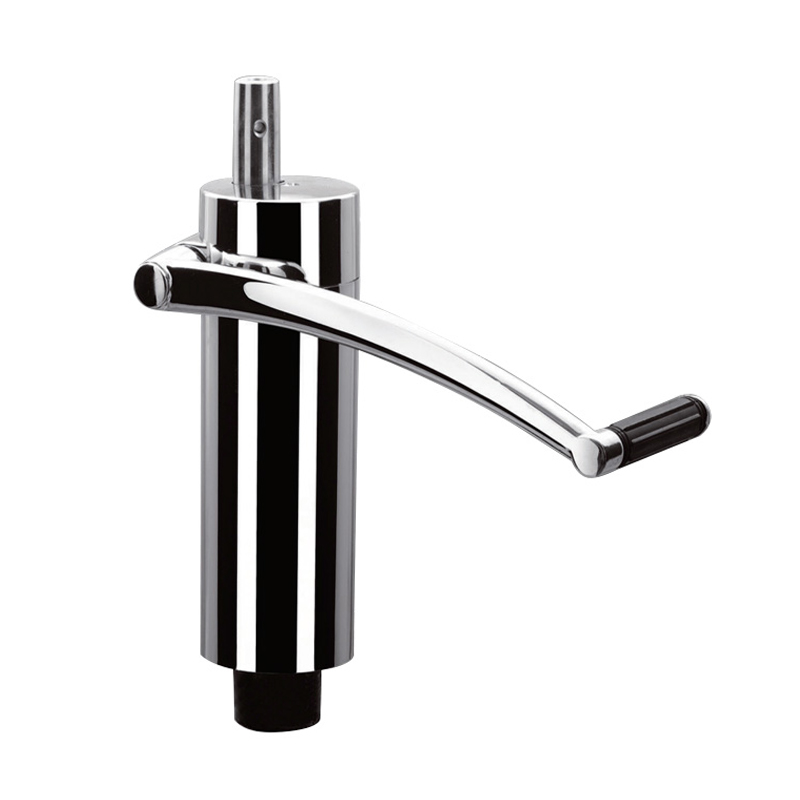
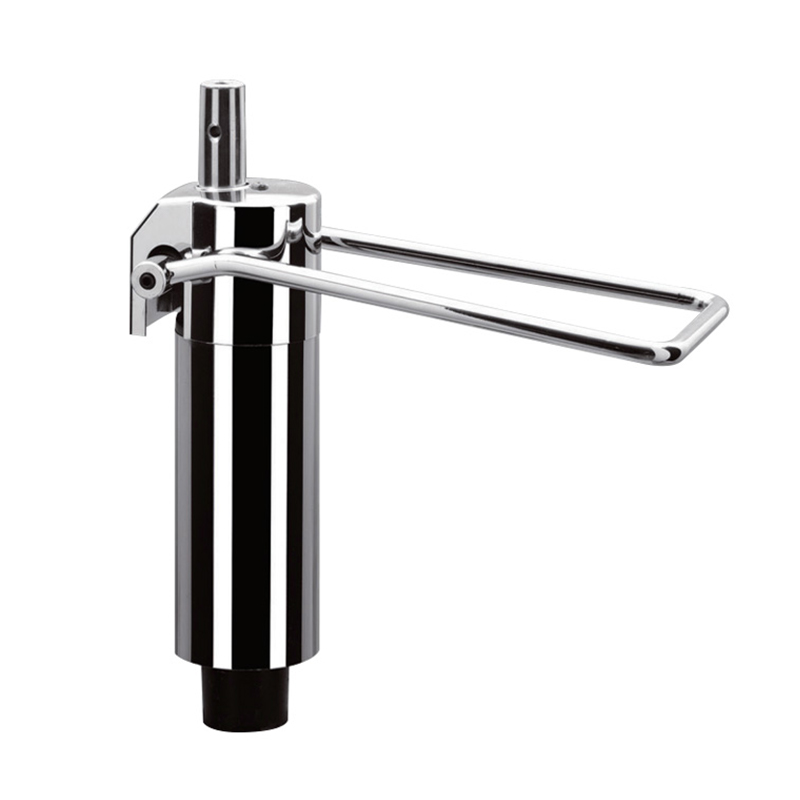
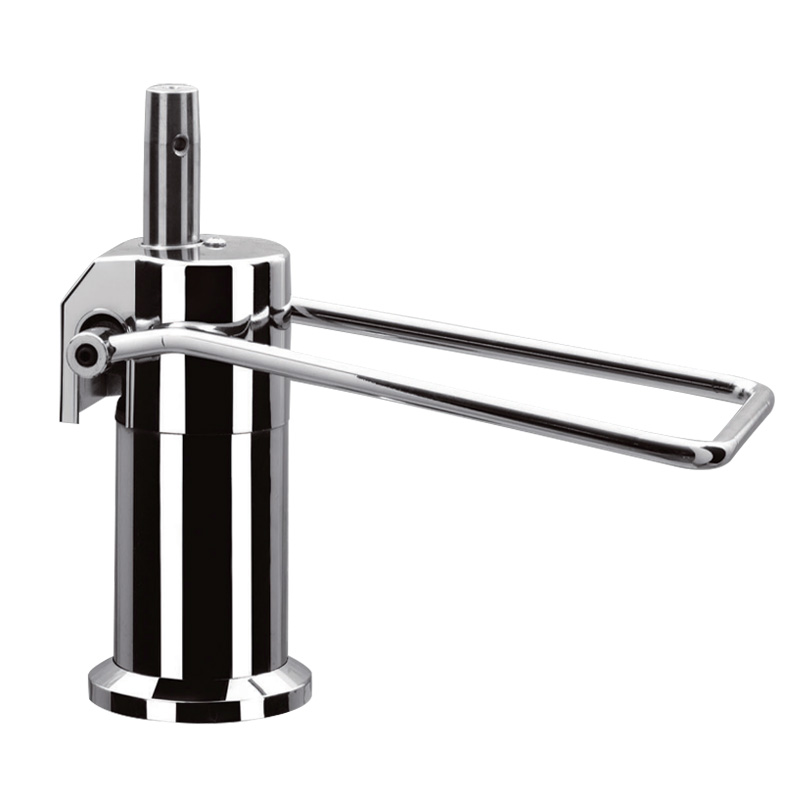
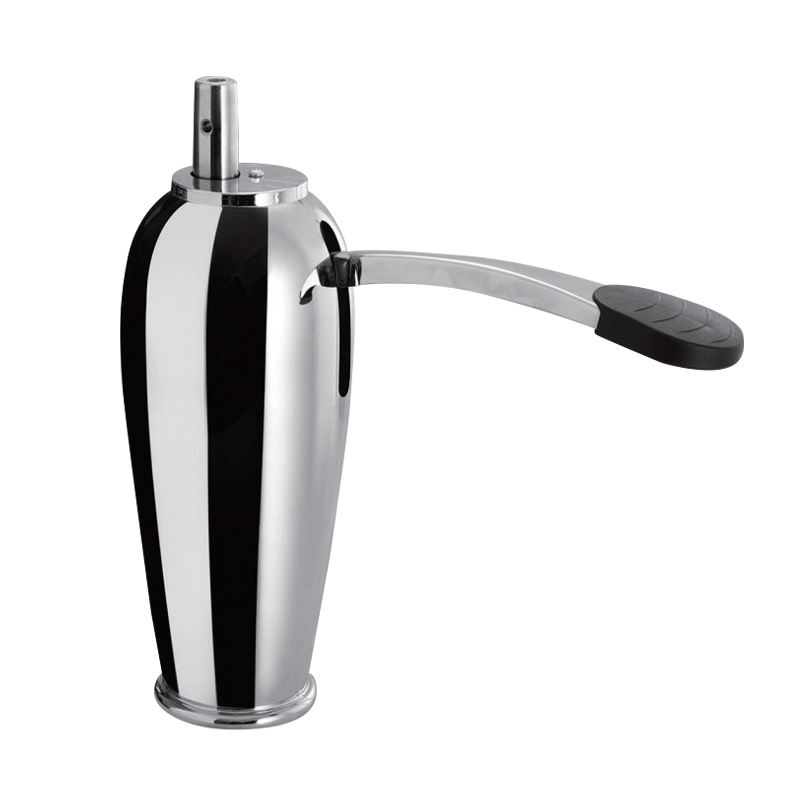
In a typical professional styling chair, the pump is operated by a foot pedal. Pressing the pedal moves hydraulic oil into a chamber, where pressure acts on a piston and raises the seat. To lower the chair, the stylist operates the release mechanism, allowing oil to return through the hydraulic system.
This arrangement leaves the stylist's hands free and makes height changes possible during a service. Rather than lifting or adjusting the chair manually, they can use the pedal to bring the client to a workable position.
How much weight the pump can lift depends on its pressure, cylinder dimensions, and overall construction. Its rated load should match the chair's intended use. Pumps that look similar are not necessarily interchangeable, particularly when their mounting dimensions or operating specifications differ.
Improve Client Comfort Through Stable Positioning
Seat height affects more than the stylist's working position. A chair that can be adjusted smoothly is easier for clients to get into and out of, and it allows their position to be changed during cutting, coloring, or styling.
The chair also needs to stay where it is placed. Gradual sinking, uneven movement, or unexpected tilting can make a client uncomfortable, especially during a longer appointment. Under its rated load, the pump should hold the selected height without noticeable movement.
There are other factors involved, of course. Cushioning, backrest shape, armrest placement, footrest design, and swivel movement all contribute to how a client feels in the chair. The pump is one part of that overall design, not a substitute for a well-made seat.
Reduce Physical Strain for Stylists
A stylist may spend much of the day working with clients at different heights. Without seat adjustment, bending or reaching can become part of nearly every service. Raising or lowering the chair gives the stylist more control over their working position.
The foot pedal makes this adjustment easier to fit into the work routine. The stylist does not need to stop and use both hands to reposition the seat. Across a full day of appointments, avoiding repeated manual adjustments can also save effort.
Pedal operation should feel consistent. A pump that requires excessive force, responds slowly, or releases unevenly can become frustrating with frequent use. When assessing a chair, try the adjustment mechanism under a representative load rather than testing it only when the seat is empty.
Compare Important Pump Specifications
A replacement pump needs to match the chair it is going into. Load capacity is one thing to check, but dimensions and pedal design can cause problems too.
| Specification | What to check | Why it matters |
|---|---|---|
| Load capacity | Rated maximum load | Defines the permitted load |
| Height range | Minimum and maximum seat height | Determines adjustment range |
| Pump type | Hydraulic design and pedal arrangement | Affects operation and compatibility |
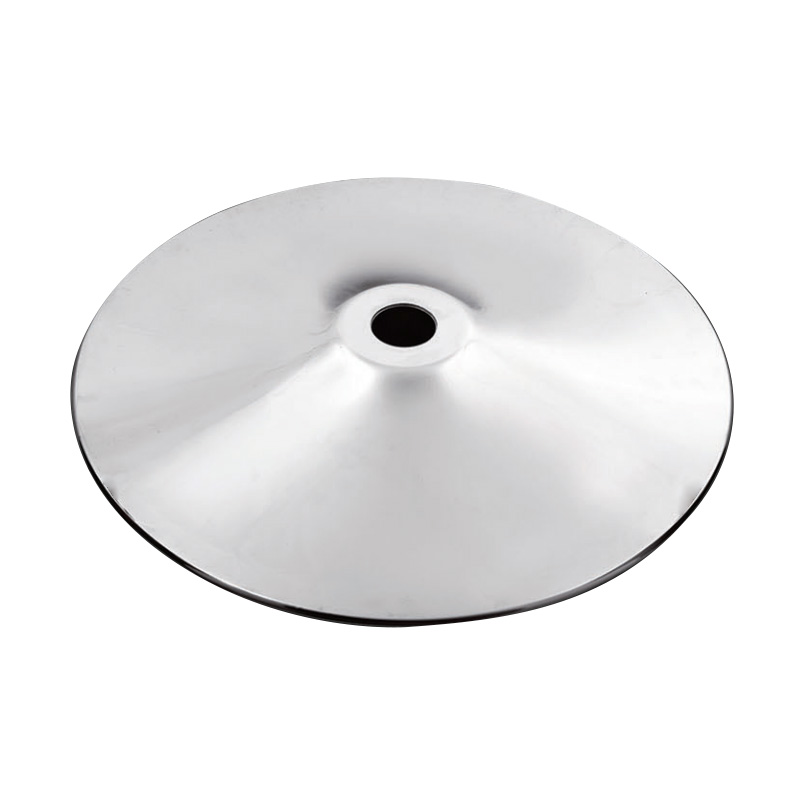
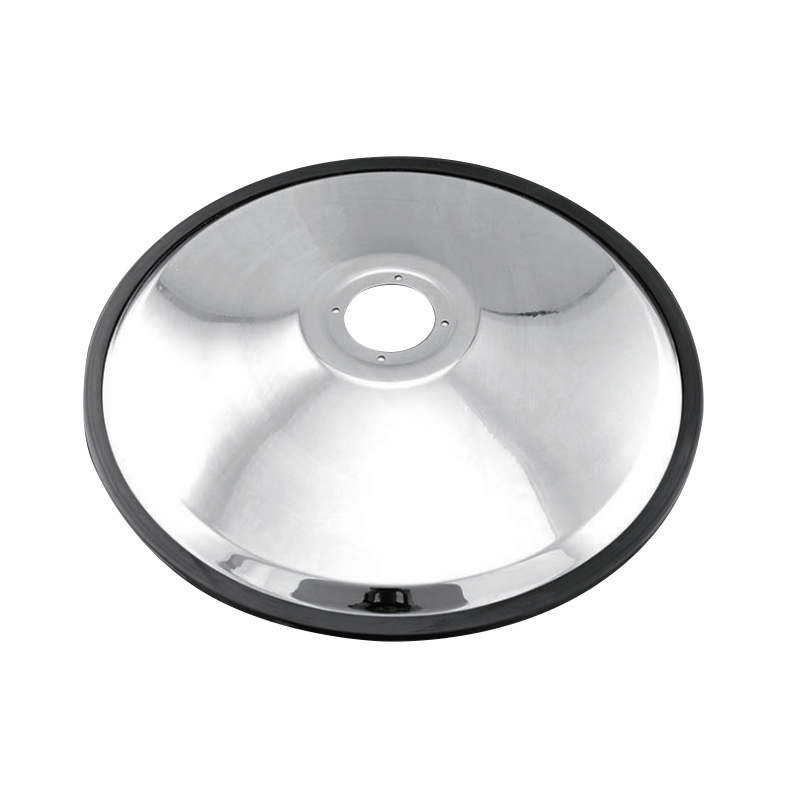
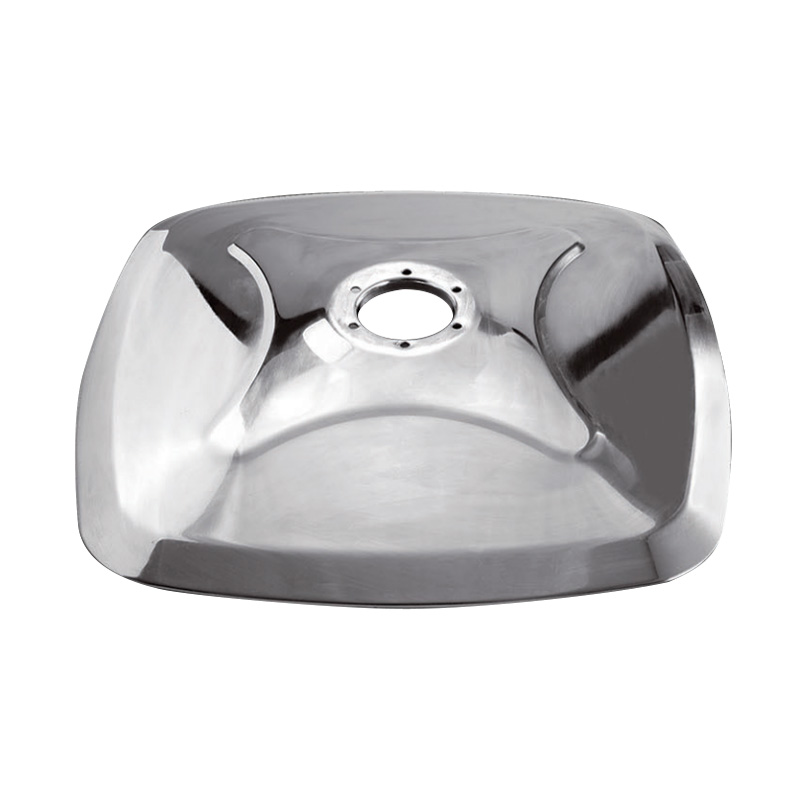
| Base and mounting | Dimensions and fixing points | Ensures correct installation |
| Rotation | Swivel function and locking features, if fitted | Allows access around the chair |
| Materials | Cylinder, seals, and corrosion protection | Affects durability and maintenance |
Before ordering a replacement, compare its measurements with the original pump. Similar appearance does not guarantee a matching fit.
Maintain the Hydraulic System for Reliable Performance
A chair that slowly sinks or takes several pedal presses to rise is showing signs of a problem. Low oil, worn seals, trapped air, or a faulty release valve may be responsible. Uneven movement and unusual noises are also worth checking.
Look for oil around the pump, cylinder, and connections. Maintenance should follow the chair manufacturer's instructions, including the specified hydraulic fluid. Do not open a pressurized unit without proper training; repairs to damaged components should be handled by a qualified technician. Hair and styling product residue around the pedal should also be cleaned away.
Choose a Pump That Fits the Salon's Workload
A chair used throughout a busy working day puts more demands on its pump than one in a small studio. Daily usage, client weight range, and access to replacement parts all affect the choice.
For bulk purchases, salon furniture manufacturers and distributors can request load-test results, cycle-test data, material details, warranty terms, and compatibility information. Testing a sample is worthwhile too. Repeatedly operate the pedal under load and see whether the seat rises smoothly and stays at the chosen height.
The pump needs to suit both the chair and the way the salon uses it. Otherwise, even a small issue with lifting or height retention can become a daily annoyance.