
 En
 Português
 عربى

A barber chair may look like a simple piece of salon furniture sitting quietly in the corner, but its base carries a genuinely important share of the physical load during everyday use. Every time a customer sits down, shifts position, reclines, or stands up to check the mirror, the base responds to changes in weight and movement happening above it.
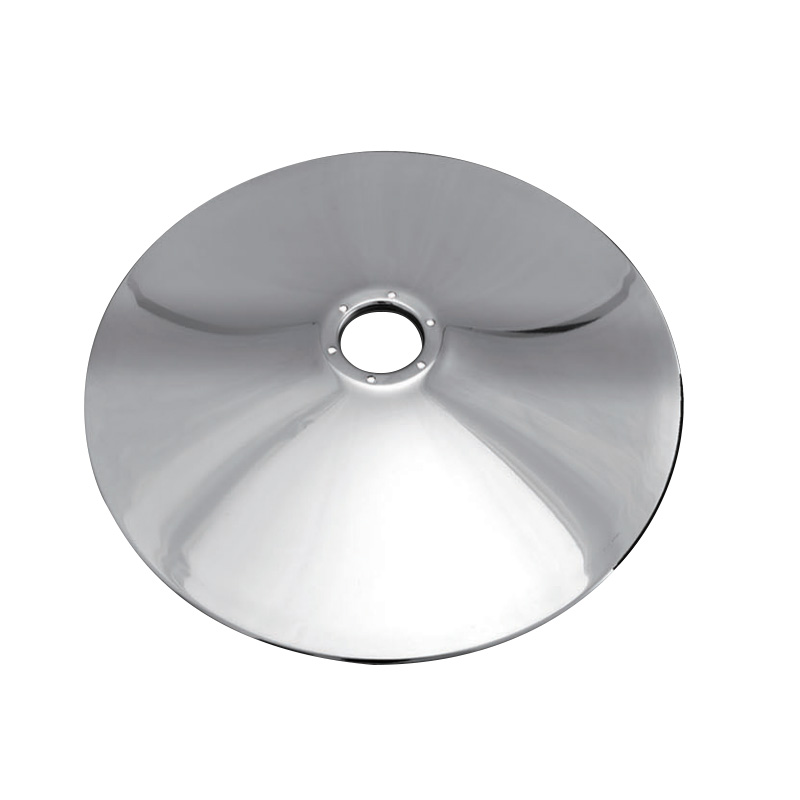
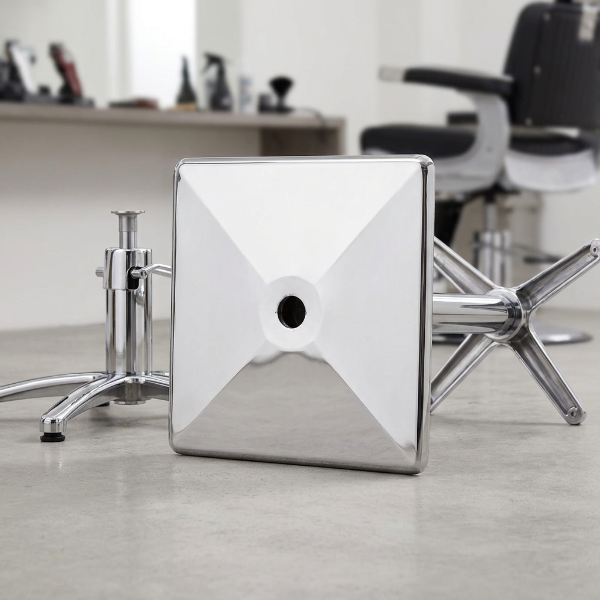
The Barber Chair Base Plate sits close to the point where the chair connects with the floor and supporting mechanism underneath. Its structure helps distribute the load, rather than allowing pressure to concentrate around a small connection area that could wear out faster than the rest.
For manufacturers, this means the base plate needs consideration as part of the complete chair system rather than a standalone part. Material, shape, thickness, connection points, surface condition, and repeated movement can all influence how the plate behaves during daily salon use across a busy week.
What Role Does a Barber Chair Base Plate Play?
The base plate provides a structural connection between the chair assembly and the supporting base beneath it. It helps transfer the load created by the chair, customer, and normal movement down toward the floor.
This role becomes genuinely more important whenever the chair gets adjusted or reclined during a haircut. The position of the customer's weight can shift, which means the force acting on different parts of the base may also shift along with it.
A suitable base plate needs to stay stable while handling these changing loads throughout the day.
| Base Plate Function | Practical Role |
|---|---|
| Load transfer | Moves weight toward the supporting structure |
| Connection support | Links major chair components |
| Stability | Helps keep the chair steady |
| Load distribution | Reduces concentration around connection areas |
| Structural support | Works with the rest of the base assembly |
The plate shouldn't get viewed as an isolated metal component sitting off on its own. Its performance depends on how it works alongside the hydraulic system, chair frame, fasteners, and floor contact structure around it.
How Does Load Distribution Affect the Base Plate?
A customer doesn't always sit perfectly in the center of a barber chair like a mannequin. People lean, turn, recline, place their feet in different positions, and shift around during a haircut or shaving service.
These movements can shift where the load actually acts on the chair at any given moment. If a load concentrates around a small area, that section may experience genuinely greater stress than surrounding parts nearby.
A well-planned base plate helps spread the load across a wider structural area instead of letting it pile up in one spot.
| Load Situation | Base Plate Consideration |
|---|---|
| Centered sitting | General load distribution |
| Reclined position | Changed load location |
| Customer movement | Repeated shifting |
| Uneven sitting | Localized loading |
| Chair adjustment | Changing load path |
The purpose isn't simply making the plate heavier to compensate. A suitable structure should distribute forces in a controlled way while still fitting the space available inside the chair base.
Why Does Base Plate Shape Matter?
The shape of a base plate affects how forces travel through the component during everyday operation. A flat plate may distribute load across its surface fairly evenly, while formed edges or other structural features can influence overall stiffness.
Corners, openings, mounting areas, and changes in shape can also affect how the plate responds to loading under a customer's weight. Manufacturers need to consider these areas during design, because stress can genuinely concentrate around changes in geometry that aren't always obvious at first glance.
A smooth transition between structural sections can help create a genuinely more balanced load path throughout the piece. The exact design depends on the chair structure and the connection method used in that particular model.
The plate also needs to fit within the surrounding base assembly without interfering with hydraulic components or other moving parts nearby.
How Does a Salon Chair Hydraulic Base Work With the Plate?
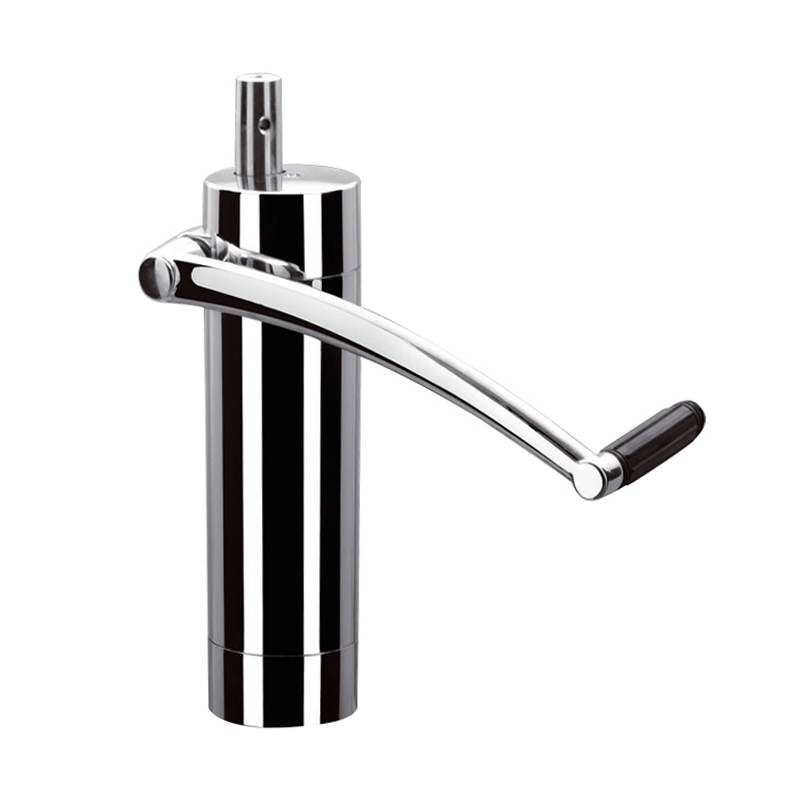
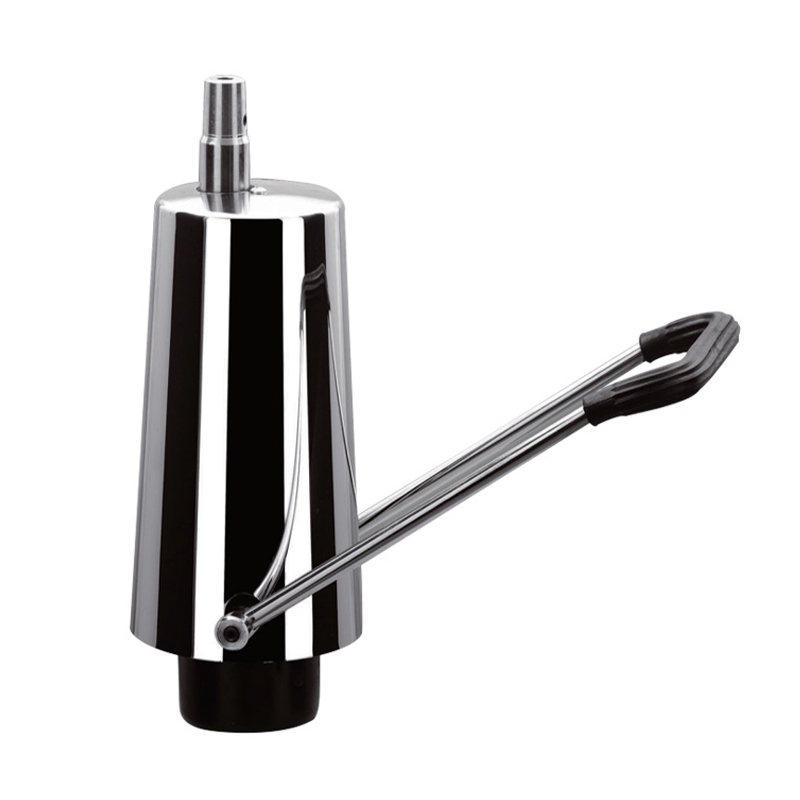
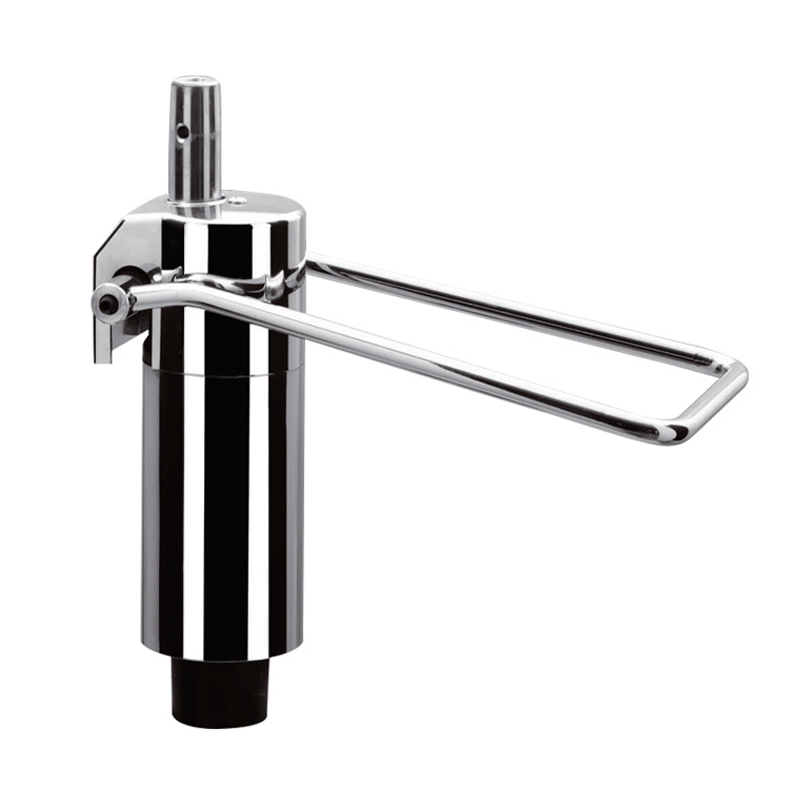
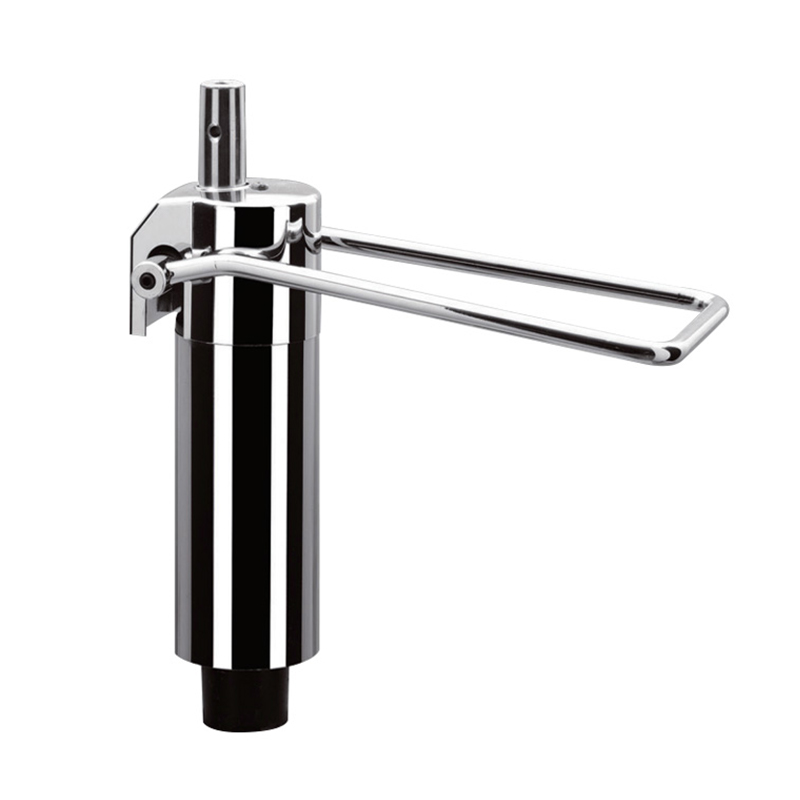
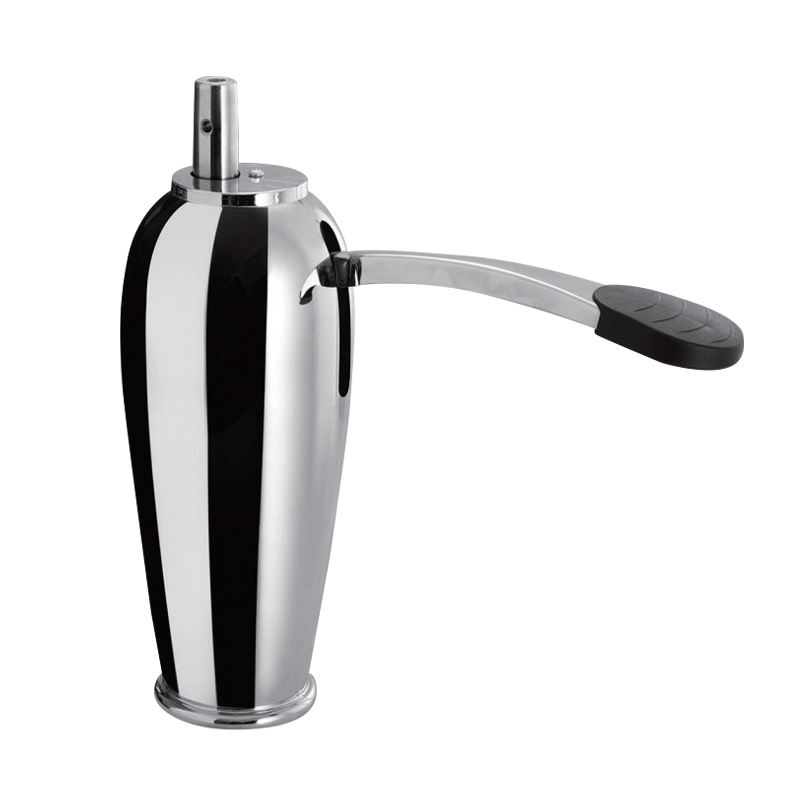
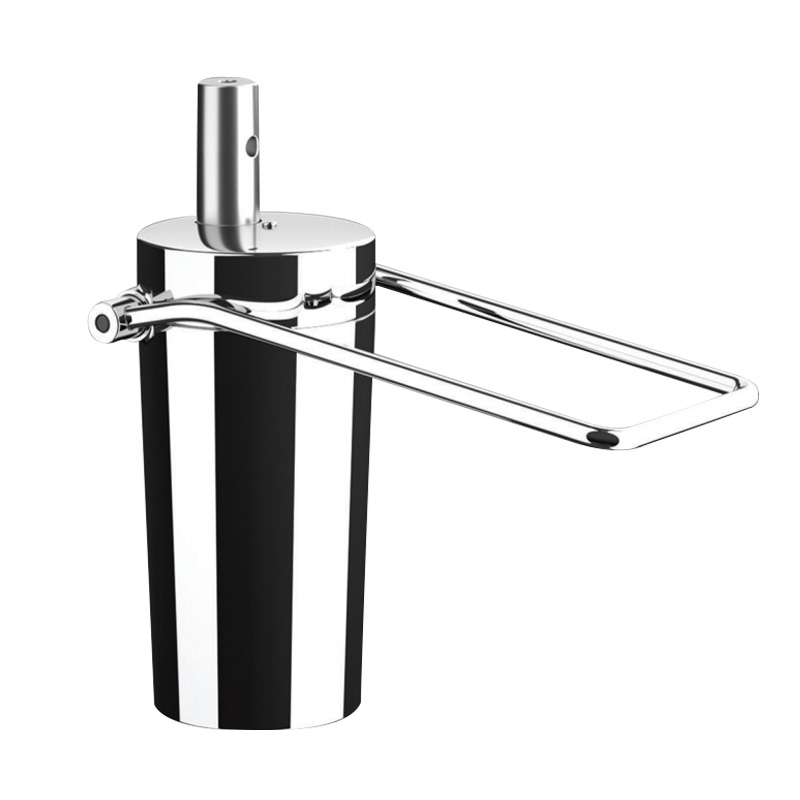
The Salon Chair Hydraulic Base and base plate perform different but genuinely connected roles within the same assembly. The hydraulic base supports chair movement and height adjustment, while the plate helps connect and distribute loads within the supporting structure underneath.
When the chair rises, lowers, or changes position for a different service, the forces acting through these components change right along with it. This means the base plate can't get designed without considering the movement of the hydraulic system working alongside it.
A connection that works well when the chair sits stationary may experience a genuinely different loading pattern during adjustment. Manufacturers can therefore examine the base assembly under several normal operating positions before finalizing anything.
| Chair Condition | Base Plate Consideration |
|---|---|
| Chair stationary | Supports regular seating load |
| Chair raised | Load passes through adjusted structure |
| Chair lowered | Connection remains stable |
| Chair reclined | Load position changes |
| Customer entering or leaving | Short-duration load changes |
The interaction between these components stays a genuinely important part of the overall structural design process.
What Materials Can Be Used for Barber Chair Base Plates?
Material selection affects strength, weight, manufacturing process, surface condition, and long-term durability of the finished piece. Metal gets commonly considered for structural base components because it can provide a rigid supporting structure that holds up under daily traffic.
Different metal choices can behave differently under repeated loading and environmental exposure over months of salon use. The choice should reflect the actual requirements of that specific chair design rather than a generic assumption.
A material that's unnecessarily heavy may complicate manufacturing and handling on the production line. A material that doesn't provide suitable structural behavior may require changes elsewhere in the design to compensate.
| Material Consideration | Why It Matters |
|---|---|
| Structural strength | Supports repeated loading |
| Weight | Affects handling and assembly |
| Surface condition | Influences appearance and maintenance |
| Corrosion resistance | Matters in humid salon environments |
| Manufacturing suitability | Affects forming and production |
Manufacturers should also consider cleaning products, moisture, hair products, and other substances that may come into contact with the base during everyday salon operation throughout a working week.
How Do Connection Points Affect Load Support?
A base plate may connect with other chair components through several attachment points scattered across its surface. These locations transfer forces between the plate and the surrounding structure holding everything together.
The arrangement of these points can affect how evenly the load moves through the plate as a whole. If connections concentrate in a small area, that region may experience genuinely greater stress than the rest of the piece.
Spreading attachment points across a suitable structural area can help create a genuinely more balanced connection overall. The fasteners themselves are only part of the issue here, though.
The surrounding plate material also needs enough structural support around each connection point. Openings that sit too close to an edge or another opening can change how the material behaves under repeated loading over time.
This makes connection layout a genuinely important part of base plate design from the start.
Why Should the Base Plate Handle Repeated Loads?
A barber chair may get used many times throughout a single working day without much rest in between. The base therefore needs to deal with repeated loading, rather than a single static load applied once and forgotten.
A customer sits down, then the chair may get adjusted for their height. The customer changes position partway through the service, and the chair may recline before returning to its original upright position. These actions can happen repeatedly during normal salon operation across dozens of appointments.
Repeated loading can gradually reveal weaknesses that aren't obvious during a single test run in a lab. Manufacturers can therefore consider both immediate load support and long-term repeated use when planning the design.
A base plate that remains stable under one loading event may still need further evaluation before it counts as suitable for continuous salon operation over years.
How Can Long-Term Use Testing Evaluate a Base Plate?
Long-term testing can reproduce repeated chair movements and loading conditions in a controlled environment away from an actual salon floor. The goal is observing whether the plate maintains its intended structural behavior after repeated use over a simulated timeline.
Testing can focus on load response, showing how the plate behaves when weight gets applied and removed repeatedly. Connection condition matters too, revealing any movement or changes around attachment points after cycles of stress.
Surface condition can help identify visible wear or damage building up over time, while structural stability shows whether the plate keeps supporting the chair assembly as expected. Repeated movement testing can help reveal issues that might develop only after extended use, not during a single trial.
Testing should reflect the actual application as closely as practical given the constraints of a lab setting. A barber chair used in a busy salon experiences a combination of sitting, adjustment, reclining, and movement, rather than one isolated load applied in isolation.
How Does Reclining Change the Load on the Base?
Reclining changes the position of the customer's body and therefore changes how the load passes through the chair frame. When the chair sits upright, the load may distribute differently compared to when the backrest tilts back for a shave or wash.
The base plate and supporting components need to accommodate these changes without losing stability partway through the motion. This proves particularly relevant for barber chairs that support several service positions across a single appointment.
The design should account for the movement of the chair, rather than focusing only on the upright position as if that's the only state that matters. A well-integrated base assembly lets the plate, hydraulic mechanism, chair frame, and other supporting parts work together as the chair changes position throughout the service.
Can Floor Contact Affect Base Plate Performance?
The base plate doesn't work independently from the floor beneath it. The complete base assembly needs to transfer the chair load into the supporting surface underneath, whatever that surface happens to be.
An uneven floor can change how the chair actually sits in that spot. This may affect the distribution of forces through the base in ways that aren't immediately visible to the eye.
The base structure should therefore get designed for the type of floor contact expected in the intended environment, whether that's tile, concrete, or something else entirely. Salon floors can also face exposure to water, cleaning products, hair, dust, and other materials throughout the day.
These conditions may affect the contact area or surface condition over time as the salon operates day after day. Regular cleaning and suitable installation can help keep the base operating within its intended environment as designed.
How Does Surface Treatment Support Long-Term Use?
The surface of a barber chair base plate may face exposure to moisture and cleaning products during daily salon work without much of a break. Surface treatment can therefore get considered alongside the structural material chosen for the piece.
A suitable finish can help protect the material and maintain its appearance during normal use over months and years. The appropriate approach depends on the base plate material and the environment in which that particular chair will operate.
Surface treatment doesn't replace sound structural design underneath it, though. The plate still needs appropriate geometry, connections, and material selection regardless of what coating sits on top.
Protection and structural performance should get considered as related but genuinely separate design requirements during development.
What Manufacturing Processes Can Affect Base Plate Quality?
The way a base plate gets produced can influence its final shape and structural consistency across a production run. Cutting, forming, drilling, welding, and surface treatment may all become part of the manufacturing process, depending on the specific design chosen.
Each stage needs to maintain the intended geometry from start to finish. Poor alignment around mounting holes can affect assembly further down the line, while uneven forming can change how the plate fits with other parts nearby.
Welding can also alter the local condition of the material if the process isn't controlled appropriately during that step. Manufacturers can therefore inspect the plate at different stages, rather than relying only on a final visual check once everything's assembled.
| Production Stage | Quality Consideration |
|---|---|
| Material preparation | Consistent material condition |
| Cutting | Correct component shape |
| Forming | Stable geometry |
| Hole preparation | Suitable connection position |
| Welding or assembly | Secure component connection |
| Surface treatment | Consistent protective finish |
This approach can help reduce variation between individual base plates coming off the same line.
How Can Manufacturers Check Stress Around the Base Plate?
Stress distribution isn't always visible from the outside just by looking at a finished plate. A plate may appear solid while certain areas experience genuinely greater loading during chair operation than others.
Manufacturers can examine the structure around mounting holes, corners, bends, and other changes in geometry where stress tends to gather. The purpose is understanding where loads travel through the plate and whether the design distributes those loads appropriately across the whole piece.
Physical testing can then provide additional information about how the finished component actually behaves under real conditions. The combination of design review and practical testing gives manufacturers a genuinely clearer picture of how the plate performs as part of the complete chair assembly.
What Should Buyers Check When Selecting a Hydraulic Barber Chair Base?
For buyers, the base may receive genuinely less attention than upholstery, appearance, or chair movement when browsing a showroom. The supporting structure, however, influences how the chair behaves during daily use for years to come.
A Hydraulic Barber Chair Base should get considered as a complete assembly, rather than judged by the base plate alone in isolation. Buyers can ask about the materials, connection structure, intended operating environment, maintenance requirements, and testing approach used by the manufacturer.
Useful questions include how the base plate connects to the hydraulic base, and what type of material gets used in construction. How does the plate stay protected from salon moisture day after day, and how do manufacturers evaluate repeated loads over time?
How does the base behave during reclining, and how do inspectors check connection points periodically? What maintenance does the base actually require from salon owners? These questions can help buyers understand how the supporting structure fits into the overall chair design before making a purchase.
How Can Manufacturers Improve Base Plate Design for Daily Salon Use?
Manufacturers can begin by considering the complete movement and loading pattern of the chair as a whole system. The plate needs to work with the hydraulic mechanism, chair frame, seat structure, and floor contact, rather than getting designed as a separate component off on its own.
Design reviews can examine how customers enter, sit, recline, move, and leave the chair throughout a typical appointment. Repeated actions should get included in testing because everyday use involves changing loads, rather than one fixed position held indefinitely.
Material selection and manufacturing consistency also matter quite a bit here. A carefully controlled production process can help maintain the intended shape and connection layout across different units coming off the line.
Inspection around attachment points and formed areas can provide useful information before the finished base gets assembled into a chair and shipped out.
How Does the Base Plate Fit Into the Complete Chair Structure?
A barber chair depends on several structural components working together in concert. The seat frame carries the customer, the hydraulic system supports adjustment, and the base transfers forces toward the floor beneath everything.
The Barber Chair Base Plate connects into this larger system and helps manage the path through which loads travel across the whole assembly. Its performance is therefore influenced by every component sitting around it.
A suitable base plate needs to accommodate normal sitting, movement, adjustment, and reclining while maintaining its connection with the surrounding structure through it all. This is why load distribution, material choice, connection layout, manufacturing quality, and long-term testing all have a genuine place in base plate development from the earliest design stage.
For manufacturers, examining these factors together can make it genuinely easier to develop a Salon Chair Hydraulic Base and Hydraulic Barber Chair Base that fit the practical demands of repeated salon use across busy days and years of service.