
 En
En Português
 عربى
عربى
A barber chair can look genuinely sturdy when it's new, sitting fresh on a showroom floor. But daily salon use places continuous demands on the structure beneath the seat, hour after hour. The base supports the chair, connects major components, and works with the hydraulic system whenever the chair gets adjusted during normal service throughout a busy day.
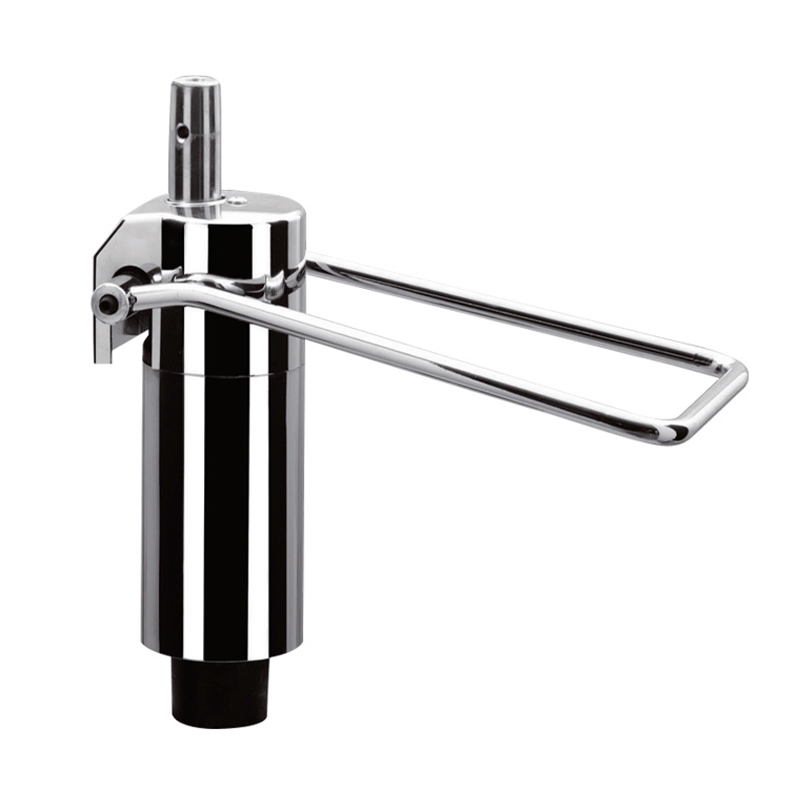
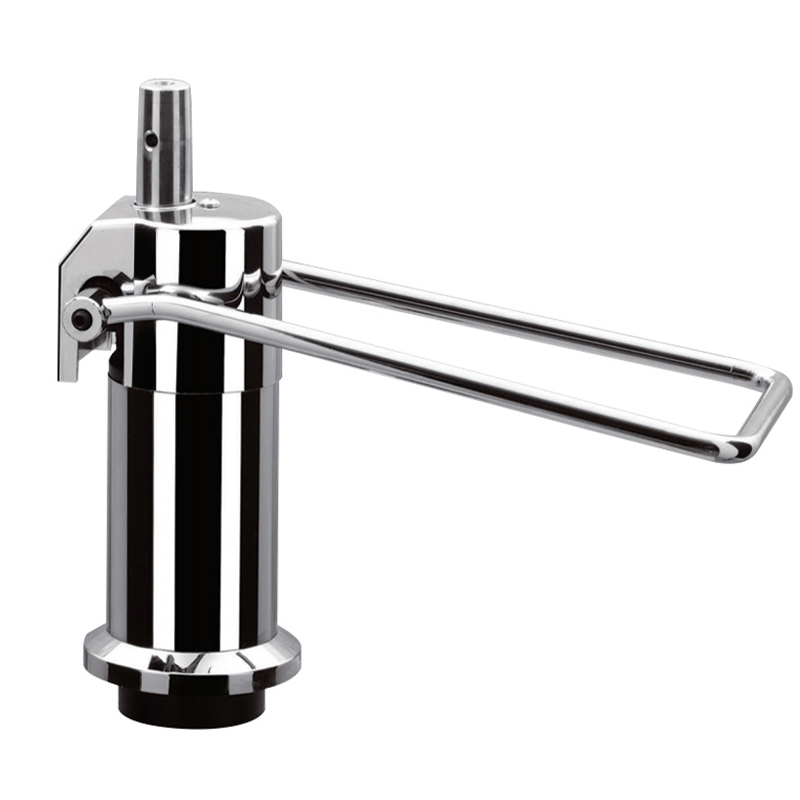
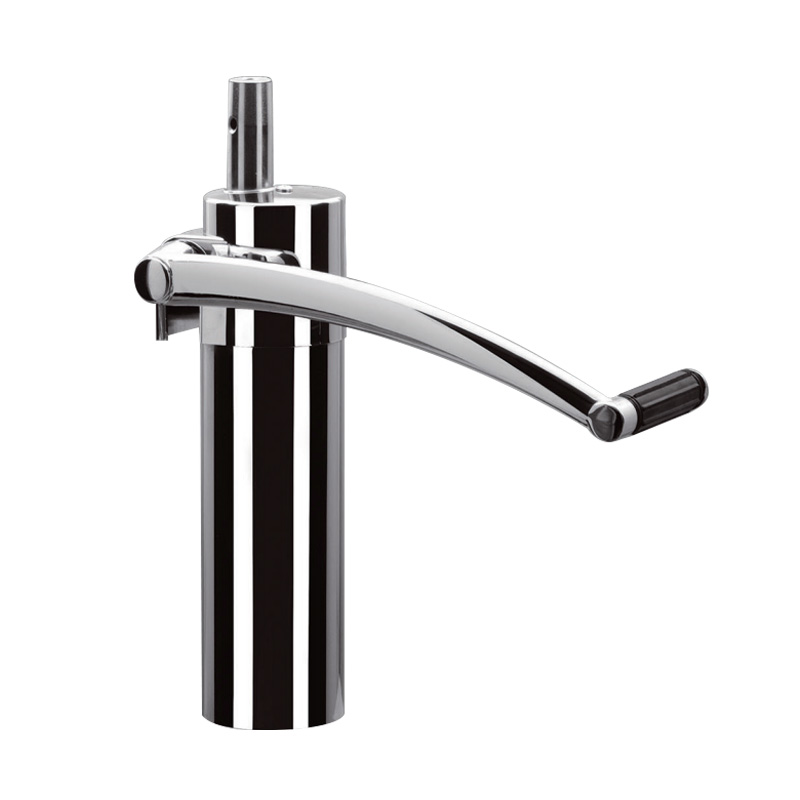
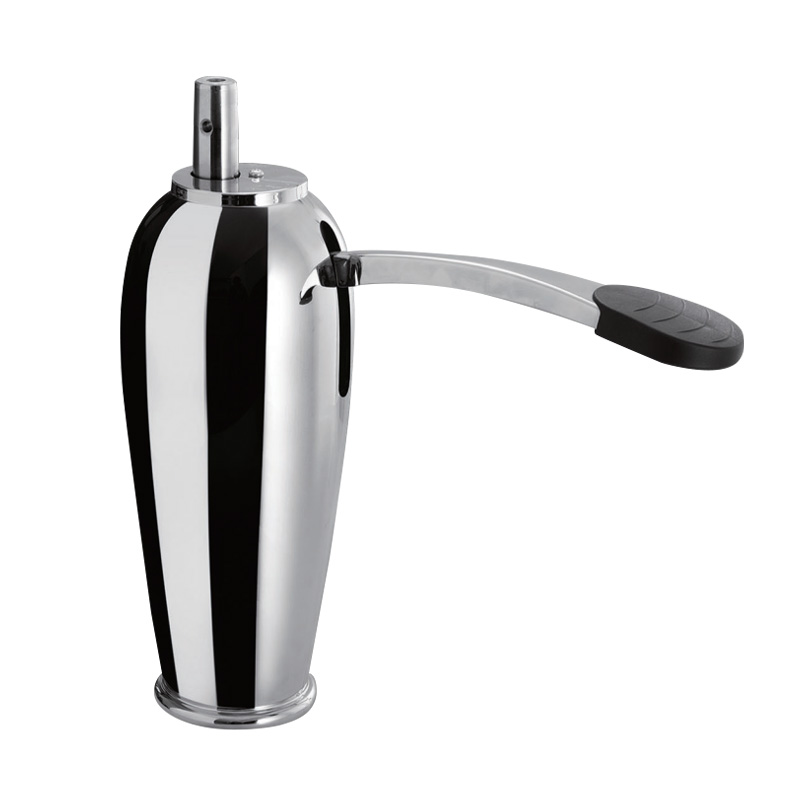
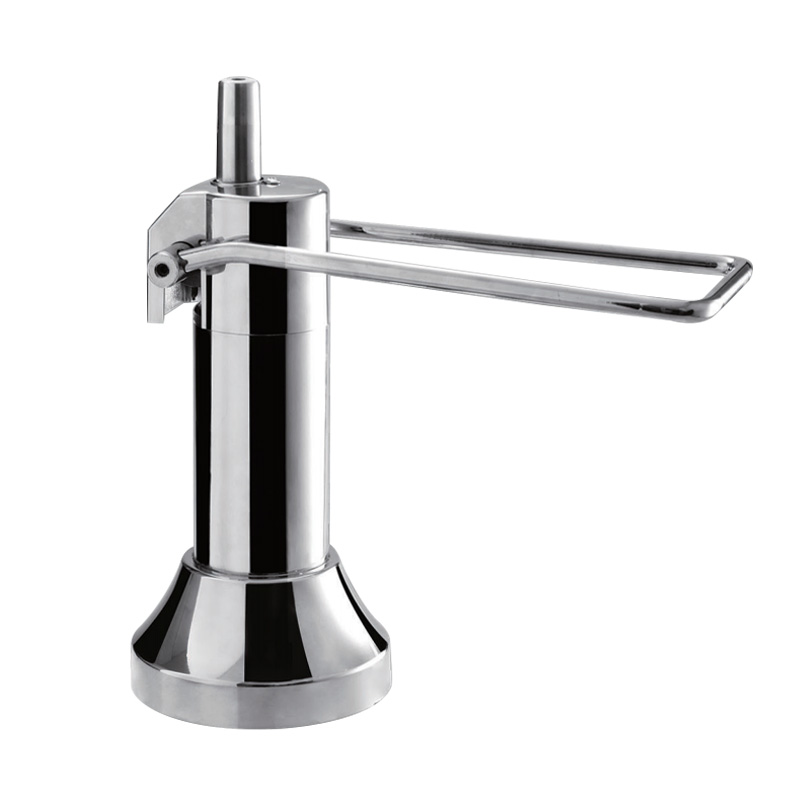
The service life of a Hydraulic Barber Chair Base depends on how these parts work together over months and years of use. Material selection, joint construction, hydraulic component quality, load distribution, surface protection, and maintenance can all influence how the base behaves after repeated use.
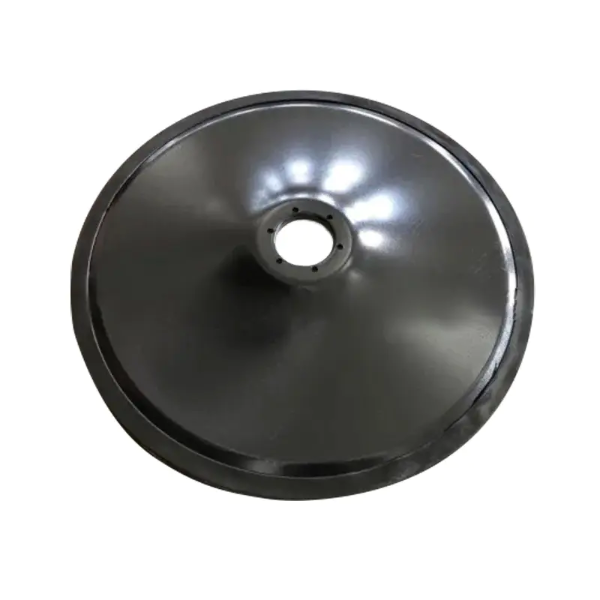
For salons and furniture manufacturers, this makes the base a lot more than a supporting piece bolted to the floor. It's part of the chair's long-term operating structure. Understanding what affects its condition can also help buyers ask more useful questions when evaluating commercial barber furniture before signing a purchase order.
Why Do Materials Matter for Hydraulic Barber Chair Base Service Life?
Material choice has a genuinely direct connection with how a chair base handles everyday use in a working salon. The base may experience repeated loading, contact with moisture, cleaning products, and changes in pressure as the chair gets used throughout the day by different clients.
Metal is commonly considered for structural sections, because it can provide a firm supporting structure that holds up under weight. The exact material and construction method depend on the product design, intended application, and manufacturing process behind it.
| Material Consideration | Long-Term Concern |
|---|---|
| Structural strength | Ability to support repeated use |
| Surface condition | Resistance to wear and environmental exposure |
| Material thickness | Influence on structural behavior |
| Joint area | Response to repeated loading |
| Surface treatment | Protection against moisture and contact |
A material shouldn't get judged only by how strong it feels when the chair is brand new on delivery day. Its behavior after repeated use over many months also matters quite a bit.
Material selection also needs to account for the environment in which the chair will actually operate day to day. A busy salon may involve frequent cleaning, water exposure, hair products, and other substances that come into contact with furniture constantly throughout a shift.
A suitable material and surface treatment can help maintain the condition of the base, while reducing concerns related to everyday exposure in a working shop.
How Do Hydraulic Components Influence the Service Life of a Chair Base?
The hydraulic system is closely connected with the base, because it supports height adjustment and transfers forces through the chair structure with every pump. When the hydraulic components work smoothly, the surrounding structure can operate according to its intended design without extra strain.
A hydraulic system contains several connected parts working together. These may include the lifting mechanism, cylinder, control components, seals, and mounting sections. Each part has a genuine role in the adjustment process a barber relies on all day.
| Hydraulic Part | Role in the System |
|---|---|
| Cylinder | Generates lifting force |
| Seals | Prevent fluid leakage |
| Control components | Manage adjustment response |
| Mounting sections | Connect the system to the base |
Wear in one component can influence the way other parts get used over time. For example, changes in hydraulic performance may cause users to operate the adjustment mechanism differently or place additional attention on the supporting structure beneath them.
For this reason, a Salon Chair Hydraulic Base should be considered as part of a complete system, rather than as an isolated metal component sitting on its own. Regular inspection can help identify changes such as unusual resistance, fluid leakage, unstable adjustment, or visible damage before things get worse.
Any maintenance should follow the manufacturer's instructions and get handled by a qualified service professional when required.
Can Load Distribution Affect Long-Term Base Condition?
A chair base doesn't simply carry weight in one fixed position throughout its life. The load can change as a person sits down, stands up, leans against the backrest, or adjusts the chair during a haircut.
The way that force reaches the base depends on the overall chair structure surrounding it. The seat, hydraulic mechanism, mounting points, and base plate all contribute to how the load actually gets transferred downward.
| Load-Related Factor | Possible Effect |
|---|---|
| Seating load | Creates downward force on the support structure |
| Uneven loading | Can increase stress in particular areas |
| Repeated loading | Creates ongoing structural demand |
| Off-center pressure | May affect certain connection points |
| Sudden loading | Can create short periods of greater structural stress |
Uneven loading can place greater stress on particular areas of the base over time. If this happens repeatedly through daily use, those areas may experience more wear than parts receiving a more balanced load across the structure.
This is why load-bearing capacity should get considered during product development, not just at the final testing stage. A base needs evaluation according to the complete chair structure, rather than by looking at the base alone in isolation.
Manufacturers can also consider how users are likely to interact with the chair during normal salon service throughout a typical week. The expected pattern of use provides genuinely useful context for structural design and testing decisions.
How Does the Barber Chair Base Plate Affect Structural Durability?
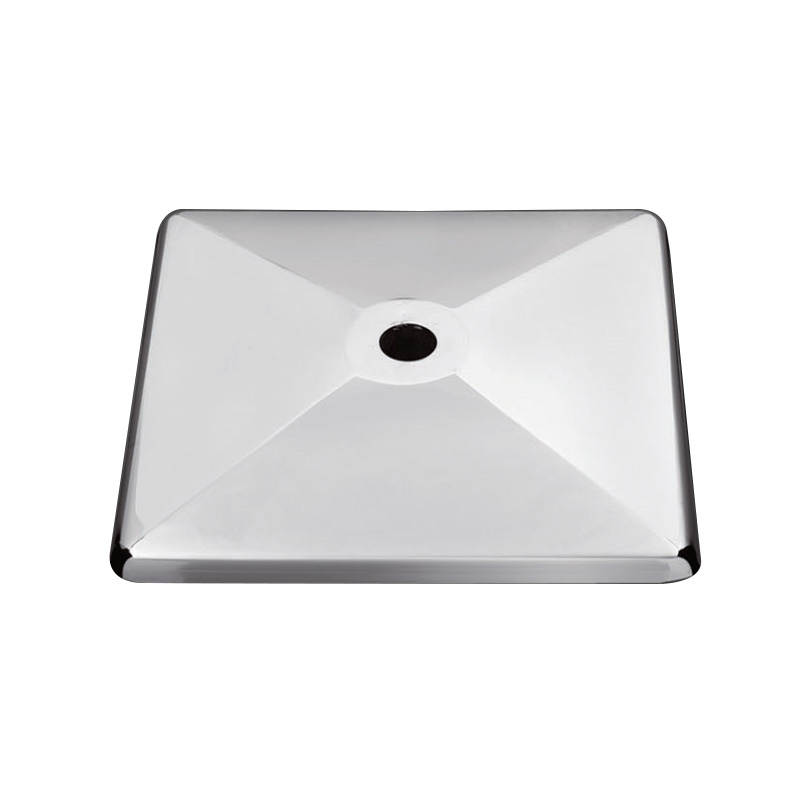
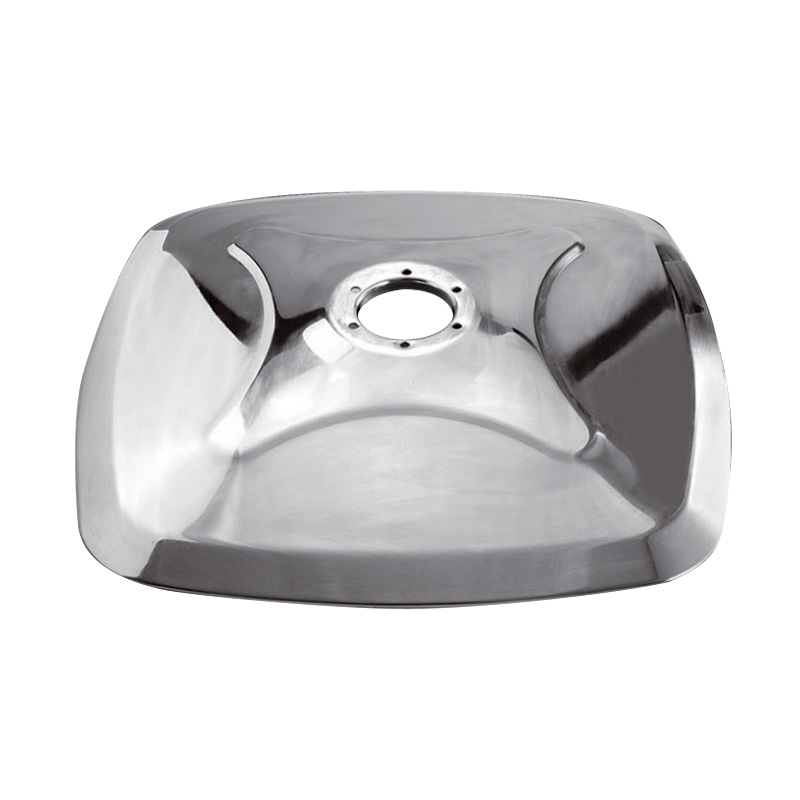
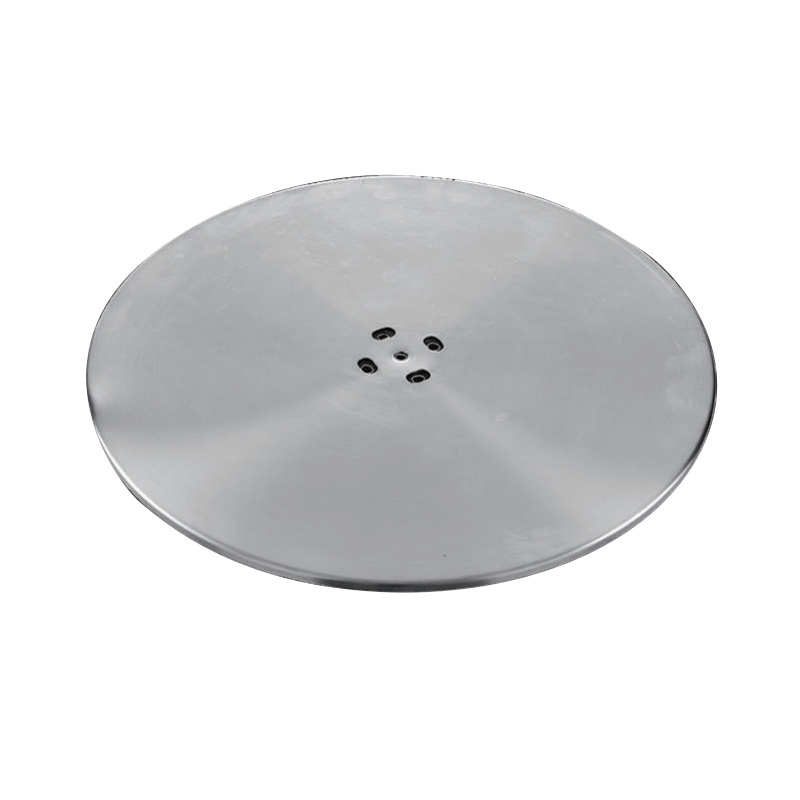
The Barber Chair Base Plate provides a genuinely important connection between the chair structure and the supporting base beneath it. Its shape, material, attachment method, and contact with neighboring components can all influence how forces move through the assembly during use.
A plate that doesn't fit properly may create unwanted pressure around connection points scattered across the base. The surrounding structure may then experience forces differently from what was intended during the original design phase.
| Plate Factor | Structural Influence |
|---|---|
| Fit accuracy | Prevents uneven pressure distribution |
| Material choice | Affects load-bearing consistency |
| Attachment method | Determines connection stability |
| Contact surfaces | Influences force transfer efficiency |
The plate also needs to remain stable during repeated use across countless adjustments. Small changes at the connection area can become a lot more noticeable over time, if the chair gets used frequently by a busy shop.
Manufacturers may therefore examine the base plate as part of the complete structural assembly rather than a standalone piece. Its performance can't get separated entirely from the hydraulic mechanism, chair frame, mounting hardware, and floor-contact structure surrounding it.
Inspection of connection areas can help identify signs such as looseness, deformation, surface damage, or unusual contact marks worth investigating further.
What Role Does Structural Testing Play in Service Life?
Structural testing allows manufacturers to examine how a chair base responds to expected use before the product ever reaches customers. It can provide information that's genuinely difficult to obtain from visual inspection alone on a finished piece.
Testing may involve repeated loading, static loading, hydraulic operation, connection checks, and examination of structural components after use over a simulated timeline. The exact testing process depends on the product design and applicable requirements set by the manufacturer.
| Testing Area | What It Can Examine |
|---|---|
| Load testing | Response to expected loads |
| Repeated-use testing | Behavior after continued operation |
| Connection testing | Condition of mounting areas |
| Hydraulic testing | Operation of lifting components |
| Surface inspection | Signs of wear or damage |
The purpose isn't simply seeing whether the base can support a load once during a single test. Long-term use involves genuine repetition, so testing can also examine how the structure behaves after continued operation over an extended period.
Testing can also help manufacturers compare different material choices and construction methods during development before committing to full production. A Hydraulic Barber Chair Base intended for commercial furniture should therefore get evaluated within the context of its expected use rather than in a vacuum.
Testing the individual base without considering the connected chair structure may provide an incomplete picture of real-world performance.
How Can Surface Protection Extend the Useful Life of a Chair Base?
Salon furniture operates in an environment where cleaning is genuinely part of everyday work between clients. Water, cleaning solutions, hair products, and other substances can come into contact with the chair base repeatedly throughout a single day.
If the surface isn't suitably protected, repeated exposure may affect its appearance or contribute to surface deterioration over months of use. Surface treatment can provide a protective layer between the structural material and the surrounding environment it sits in.
| Exposure Type | Protection Consideration |
|---|---|
| Water contact | Requires moisture-resistant finish |
| Cleaning chemicals | Needs compatible surface treatment |
| Hair product residue | Benefits from wipeable coating |
| Frequent handling | Calls for durable outer layer |
The appropriate treatment depends on the base material and the conditions in which the chair will actually get used. Cleaning practices also matter quite a bit here.
A product may tolerate ordinary cleaning fine, but respond poorly to harsh substances or unsuitable tools scrubbed against it. Manufacturers can provide clear care instructions, so users understand how the surface should get maintained properly.
For salon operators, simple habits can help preserve the condition of the base over time. Wiping away moisture, using suitable cleaning products, and checking exposed areas during routine cleaning can make maintenance a lot easier overall.
Can Joint Construction Influence the Life of a Hydraulic Barber Chair Base?
Connections are genuinely important, because different parts of the chair need to work together as one structure supporting a client's weight. Bolted, welded, or otherwise attached sections can experience repeated forces throughout normal use over years of service.
The surrounding material also matters here quite a bit. A strong connection method doesn't automatically guarantee good long-term performance, if the connected sections aren't properly designed for the expected loads placed on them.
| Joint Type | Common Concern |
|---|---|
| Bolted connections | Loosening over repeated use |
| Welded joints | Stress concentration near the weld |
| Combined methods | Interaction between different techniques |
Repeated stress can gradually reveal weaknesses around attachment points that weren't obvious at first. Small gaps, movement, surface marks, or changes in alignment may indicate that a connection deserves genuine inspection.
Manufacturers can consider these areas during both design and structural testing phases before finalizing a product. A useful evaluation looks at the entire connection, rather than focusing only on the fastener or joining method used.
The base material, plate structure, hydraulic mounting point, and surrounding frame all contribute to how the joint actually behaves under load. This approach can help identify potential wear areas before they become more noticeable during regular salon use.
How Do Hydraulic Leaks Affect Long-Term Chair Performance?
Hydraulic fluid is a genuinely important part of a hydraulic lifting system built into the chair. A leak can affect the operation of the chair and may also create an unwanted condition around nearby components sitting close by.
Leaks can develop for different reasons over the life of the chair. Seals may wear down, connections may become damaged, or components may be affected by repeated use across thousands of adjustments.
| Hydraulic Condition | Maintenance Consideration |
|---|---|
| Normal operation | Continue routine inspection |
| Unusual movement | Check the hydraulic system |
| Fluid leakage | Arrange appropriate inspection |
| Damaged component | Follow the manufacturer's service guidance |
| Persistent operating change | Seek qualified evaluation |
The surrounding base should therefore get inspected when hydraulic problems get noticed by staff. Fluid near a connection or under the chair shouldn't simply get ignored until it becomes worse.
The base itself may remain structurally sound while a hydraulic component develops a problem separately. However, continued use without addressing the issue can change how the chair operates over time, sometimes suddenly.
For commercial furniture, timely maintenance can help prevent a small hydraulic issue from becoming a wider operating concern affecting daily business.
How Does Repeated Commercial Use Change Maintenance Needs?
A barber chair in a busy salon can get used repeatedly throughout the working day, client after client. The chair may support different users, undergo frequent adjustments, and get cleaned between services without much downtime.
This pattern of use makes routine inspection a lot more relevant than occasional checking done once in a while. A maintenance routine can include checking visible areas for cracks, deformation, or surface damage during a quiet moment.
| Maintenance Task | Purpose |
|---|---|
| Visual inspection | Spots cracks or deformation early |
| Mounting point check | Identifies unusual looseness |
| Hydraulic observation | Notices adjustment irregularities |
| Leak inspection | Catches fluid issues promptly |
| Regular cleaning | Prevents buildup and residue |
Inspecting mounting points for unusual looseness matters too, along with observing the hydraulic system during normal adjustment throughout the shift. Looking for signs of fluid leakage and cleaning the base using suitable products rounds out a practical routine.
These checks don't replace professional inspection when a structural or hydraulic problem gets suspected by staff. They can, however, help salon operators notice changes before the chair develops a more serious operating issue down the line.
Maintenance should also reflect the actual environment the chair sits in. A chair used in a quiet private studio may experience a genuinely different pattern of wear from one used continuously in a busy commercial salon downtown.
What Manufacturing Factors Can Affect Base Service Life?
Service life genuinely begins with manufacturing, rather than after the chair reaches the salon floor. Cutting, forming, welding, machining, coating, assembly, and inspection can all influence the finished base long before it ships.
Production quality depends on how these steps get coordinated across the factory floor. A small issue created during one stage may become a lot harder to identify after several components have already been assembled together.
| Manufacturing Stage | Area to Review |
|---|---|
| Material preparation | Material condition |
| Forming or machining | Shape and surface condition |
| Joining | Connection quality |
| Surface treatment | Coverage and finish |
| Assembly | Component positioning |
| Final inspection | Overall condition |
Manufacturers can establish inspection points throughout production, rather than relying only on a final visual check at the very end. The Salon Chair Hydraulic Base should get checked as a finished assembly as well as through its individual components separately.
This approach can help manufacturers identify differences between the design intention and the actual assembled product sitting on the line. It also provides genuinely useful information for improving production processes, when recurring issues appear during inspection over time.
How Should Buyers Evaluate a Hydraulic Barber Chair Base?
Buyers purchasing commercial barber furniture often focus on appearance, comfort, and chair functions when browsing a showroom. The supporting base deserves similar attention, because it plays a genuinely important role in long-term use that isn't always visible at first glance.
A buyer can ask about the base material, hydraulic system, structural testing, surface treatment, maintenance requirements, and replacement parts before committing to a purchase. It's also useful to understand how the Barber Chair Base Plate connects with the rest of the chair as a whole.
| Purchasing Question | Why It Matters |
|---|---|
| What materials are used for the base? | Reveals structural durability |
| How is the hydraulic mechanism supported? | Indicates long-term reliability |
| How are connection points inspected? | Shows quality control practices |
| What maintenance does the base require? | Sets realistic expectations |
| How should the surface be cleaned? | Prevents premature wear |
| What should be checked if performance changes? | Prepares for troubleshooting |
| Are replacement components available? | Affects long-term ownership cost |
A well-designed chair depends on the relationship between its individual components, rather than on one isolated feature highlighted in a brochure. These questions can give buyers a genuinely clearer understanding of what they're purchasing, without relying only on appearance or marketing descriptions on a sales sheet.
What Design Choices Support Long-Term Hydraulic Barber Chair Use?
Long-term service life comes from several connected design decisions made early in development. The base material, hydraulic components, mounting structure, surface protection, and connection methods all need to suit the intended application from the start.
A Hydraulic Barber Chair Base should also get considered alongside the rest of the chair rather than in isolation. Load distribution depends on the seat and frame, hydraulic behavior depends on connected components, and structural performance depends on how the parts get assembled together.
Manufacturers can use structural testing and production inspection to examine these relationships before the product reaches regular commercial use in a working shop. For salon operators, maintenance remains a genuinely important part of the same process throughout the chair's life.
Keeping the base clean, watching for changes, and addressing hydraulic or structural concerns according to the manufacturer's instructions can help preserve the chair's intended operating condition for years to come.
The service life of a chair base is therefore shaped by what happens throughout the product's entire life, from material selection and manufacturing to testing, installation, cleaning, inspection, and continued daily use.