
 En
 Português
 عربى
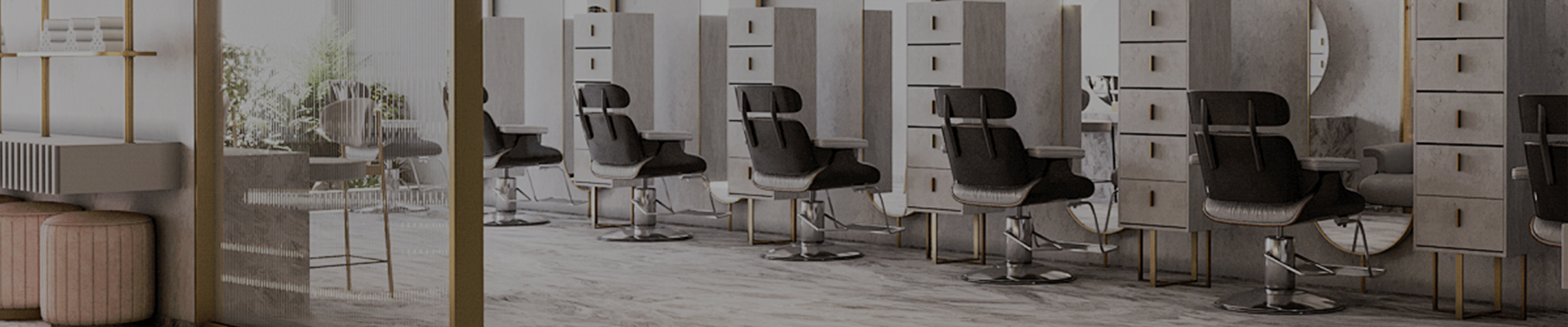
A barber chair that drops a few centimeters while someone is sitting in it usually has a hydraulic problem that needs attention. Sometimes the fault is easy to spot: oil has collected around the bottom of the chair or a connection is visibly leaking. Other times, the outside of the hydraulic assembly looks perfectly normal, yet the seat slowly descends after being raised.
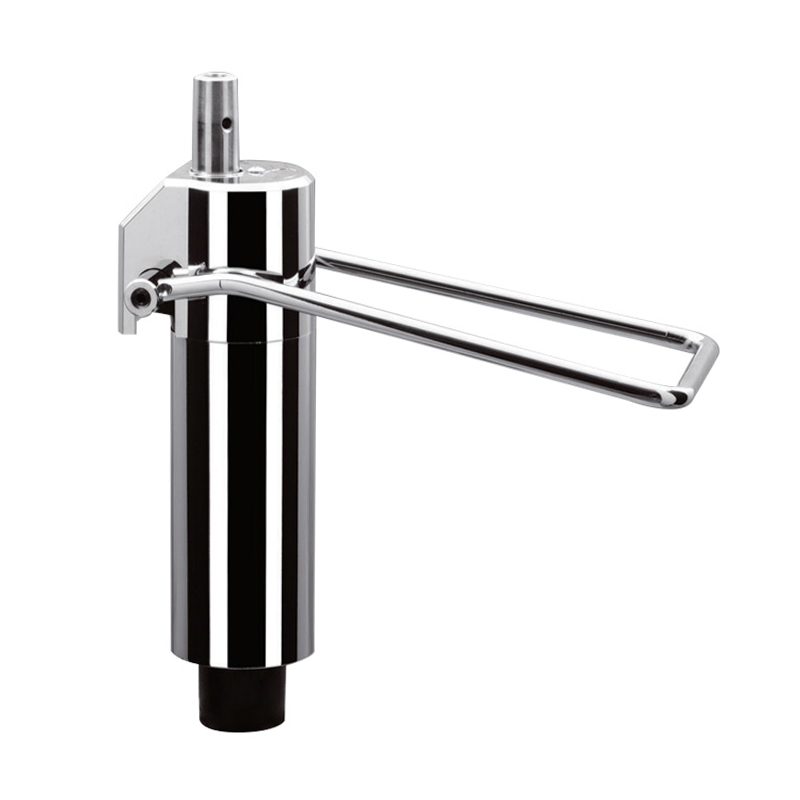
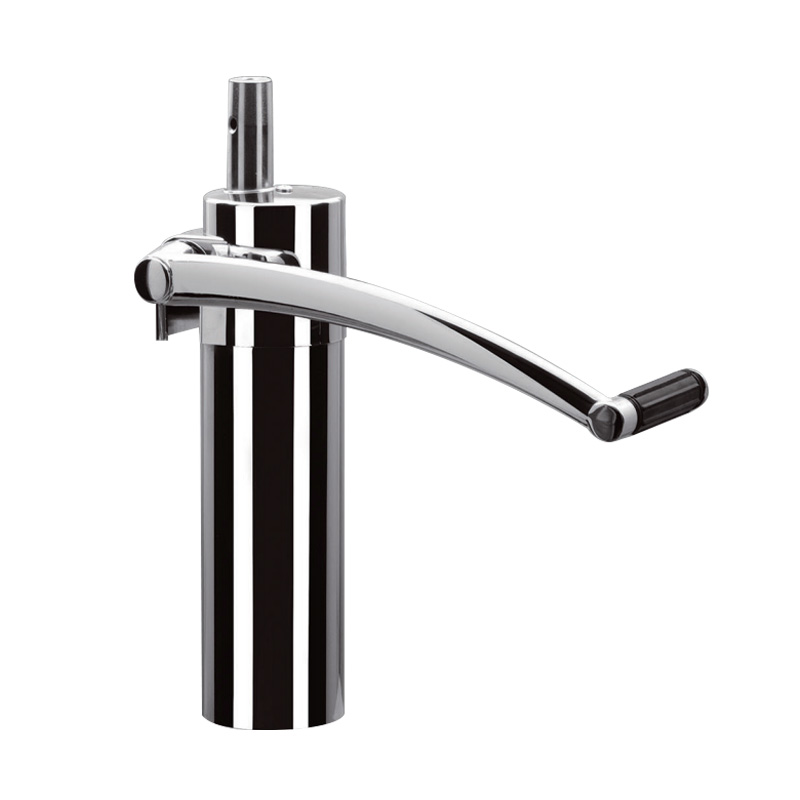
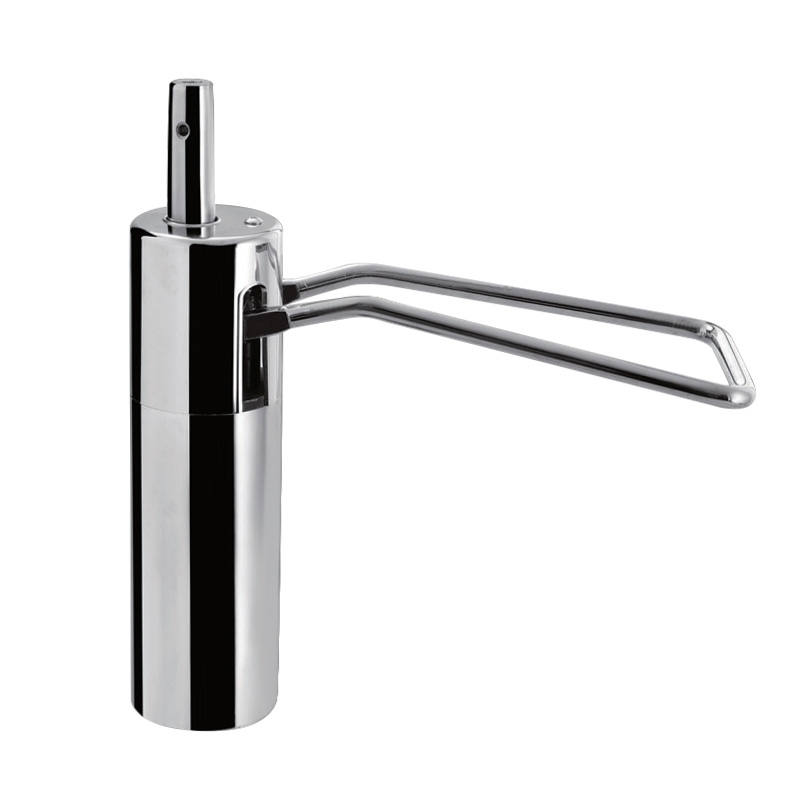
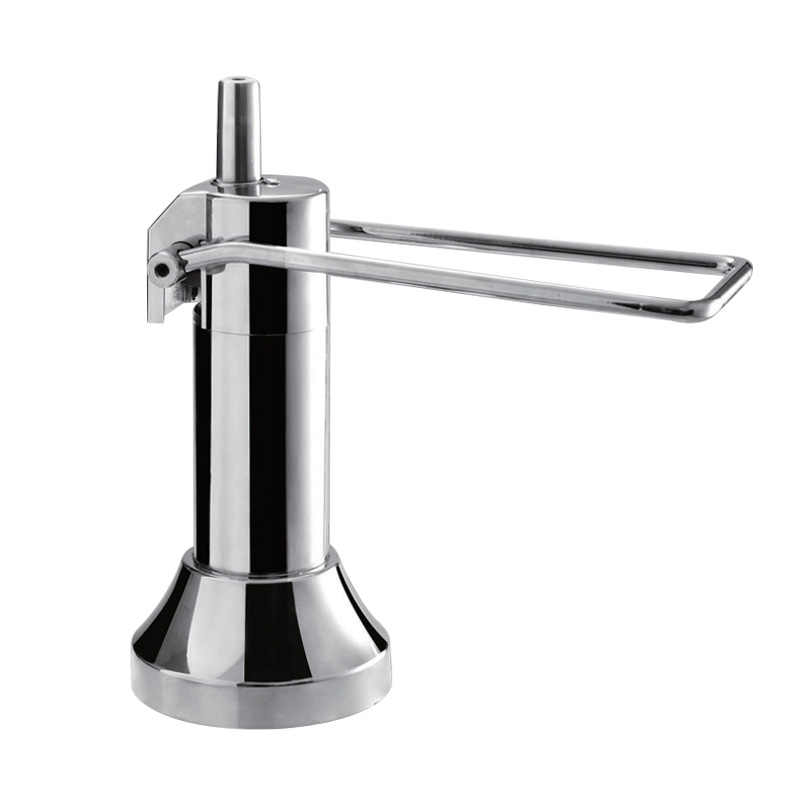
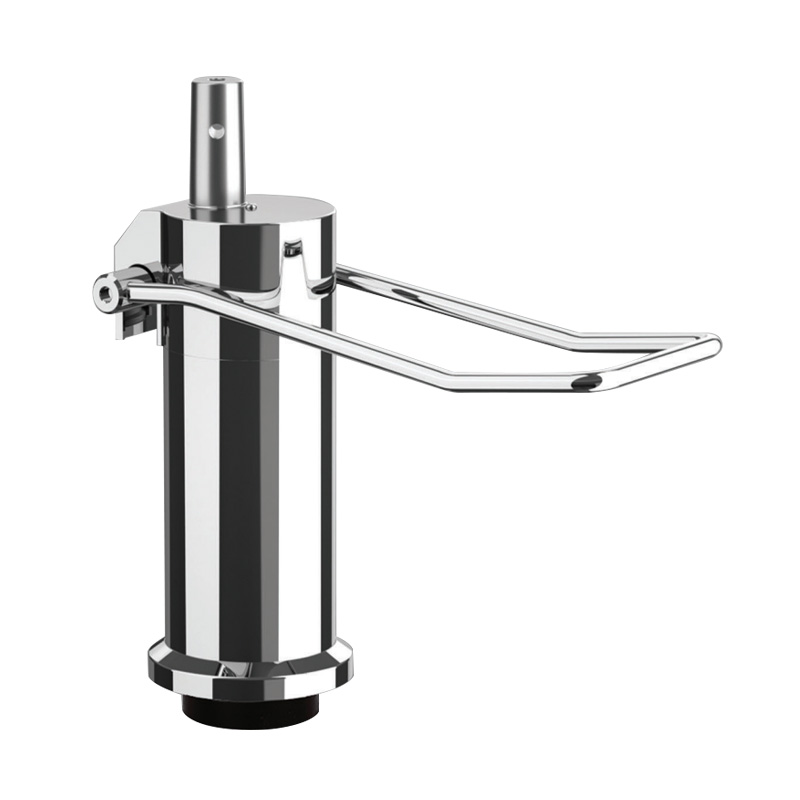
The second situation can be more difficult to diagnose because hydraulic fluid may be escaping inside the cylinder or passing through a valve that no longer seals properly. Several components in a Barber Chair Hydraulic Base can produce similar symptoms, so identifying where the pressure is going is more useful than immediately replacing the pump.
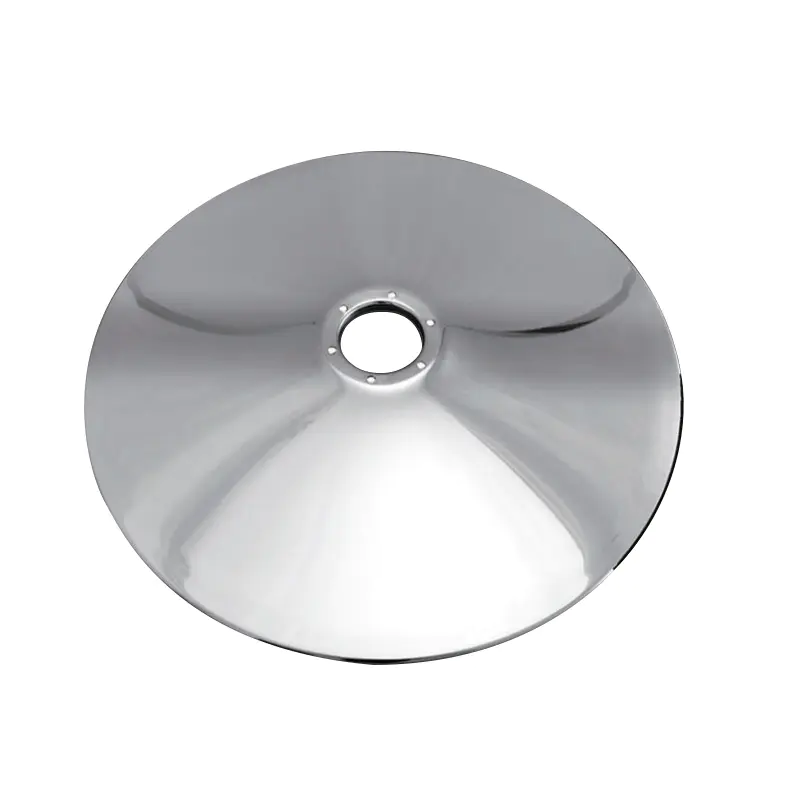
How the Hydraulic Base Holds the Chair at a Fixed Height
Most barber chairs use a foot-operated hydraulic pump. Pressing the lifting pedal drives oil into the cylinder, forcing the piston upward. When the pedal is released, a check valve helps retain the pressure and keeps the chair at the selected height.
The lowering pedal operates a release mechanism, opening a return passage so the oil can flow back and the seat can descend.
The system is relatively simple, but each component has a specific job:
- Pump: Moves hydraulic fluid and generates lifting pressure.
- Cylinder: Converts fluid pressure into upward movement.
- Piston seals and O-rings: Prevent oil from bypassing moving components.
- Check valve: Restricts reverse fluid flow after lifting.
- Release valve: Controls the return of hydraulic fluid.
- Hydraulic oil: Transfers force and lubricates compatible internal parts.
A chair may still lift even when one of these components is beginning to fail. The more revealing test is whether it can hold a load at a fixed height.
Six Reasons a Hydraulic Barber Chair May Lose Pressure
Worn Seals Allow Oil to Escape
Seals are exposed to repeated movement and pressure changes. As they age, they can harden, lose elasticity or develop small tears. Incorrect hydraulic fluid can also affect seal materials.
External seal damage may leave oil around the cylinder or pump. Internal seal wear is less obvious. Oil can pass around the piston without leaving any visible leakage on the outside.
This often produces a familiar complaint: the chair rises when the pedal is pressed but slowly sinks when someone sits on it. In this case, checking the piston seals is more useful than automatically replacing the pump.
Connections and Hydraulic Lines Are Leaking
Fittings, hoses and connection points can loosen or deteriorate through repeated use. Even a small leak can eventually reduce the available fluid volume.
Inspect the areas around the pump, cylinder and hydraulic connections. Look for fresh oil residue, damp surfaces or signs of fluid collecting beneath the base.
Tightening every fitting as much as possible is not a good repair method. Excessive force can damage threads, deform sealing surfaces or make a connection leak more severely. Use the manufacturer's specified tightening procedure and replace damaged seals or fittings where necessary.
The Check Valve Cannot Retain Pressure
The check valve is particularly important when a chair sinks without showing an external oil leak.
After the lifting pedal is released, the valve should prevent hydraulic fluid from flowing backward. Dirt, corrosion or wear on the valve seat can leave a small passage open. Oil then gradually returns through the hydraulic circuit, allowing the chair to descend.
If lifting remains normal but height retention becomes unreliable, the check valve deserves inspection. Depending on its construction, cleaning or replacement may be sufficient.
The Cylinder Has Internal Leakage
A damaged piston seal can allow fluid to move between the two sides of the piston. Because the oil stays inside the cylinder, there may be no visible leak around the chair base.
The seat may initially reach the correct height and then gradually move downward under load. If the check valve is functioning properly, the cylinder itself becomes a more likely source of the problem.
Cylinder inspection should include the piston seal and internal surface. Scratches, wear or deformation can prevent a replacement seal from working properly. In such cases, replacing the seal alone may only provide a temporary repair.
Low or Contaminated Oil Affects Pump Operation
Insufficient oil can cause inconsistent lifting because the pump cannot deliver the required fluid volume. Air entering the circuit may produce a spongy pedal feel or uneven movement.
Contamination creates a different problem. Dirt and moisture can interfere with valve sealing and accelerate wear inside the pump and cylinder.
Use the hydraulic fluid specified for the chair. Oils with unsuitable chemical properties may affect seals and other internal materials. When air has entered the circuit, follow the manufacturer's bleeding procedure rather than simply continuing to operate the pedal.
Pump Wear or a Faulty Pressure Relief Valve
A chair that gradually becomes harder to raise may have a worn pump. Repeated operation can affect internal pumping surfaces and reduce the amount of fluid delivered with each pedal movement.
A malfunctioning pressure relief valve can cause similar symptoms by allowing oil to bypass the lifting circuit before sufficient pressure is reached.
Pump output and relief valve operation should be checked before replacing the complete assembly. The problem may be limited to one replaceable component.
Symptoms and Where to Look First
| What Happens | Possible Cause | Inspection |
|---|---|---|
| Chair struggles to rise | Pump wear or insufficient oil | Check fluid level and pump output |
| Chair slowly sinks under load | Piston seal or check valve leakage | Inspect cylinder and valve |
| Oil appears around the base | Damaged seals or loose connections | Examine fittings and hydraulic lines |
| Pedal feels spongy | Air in the circuit or low fluid | Check fluid level and bleeding requirements |
| Lifting becomes inconsistent | Contamination or valve problems | Inspect oil and internal components |
These symptoms are not definitive diagnoses. A chair that sinks without visible leakage, for example, may have either an internal cylinder leak or a check valve that does not close completely.
Maintenance Issues That Are Easy to Overlook
Hydraulic chair problems often develop gradually. Regularly checking the base for oil residue can reveal a leak before lifting performance deteriorates noticeably.
Fluid condition also deserves attention. Follow the manufacturer's replacement schedule and avoid mixing incompatible oils. During servicing, inspect hoses, seals, fittings and valve operation. After any repair, test the chair's lifting, holding and lowering functions under an appropriate load.
A chair that cannot maintain its height should be taken out of service until the fault is corrected.
What Manufacturers Need to Control During Production
For manufacturers, pressure retention depends heavily on seal quality, cylinder machining and valve tolerances. A poorly finished cylinder surface can damage seals during movement, while inconsistent valve seating may cause gradual pressure loss.
Testing only whether a new chair can rise is insufficient. Hydraulic assemblies should also undergo leakage checks, loaded height-retention tests and repeated operating cycles. These checks can reveal faults that a short functional test may miss.
For buyers sourcing a Barber Chair Hydraulic Base, asking about seal materials, cylinder tolerances and pressure-retention testing provides more useful information than relying on lifting capacity alone.