
 En
En Português
 عربى
عربى
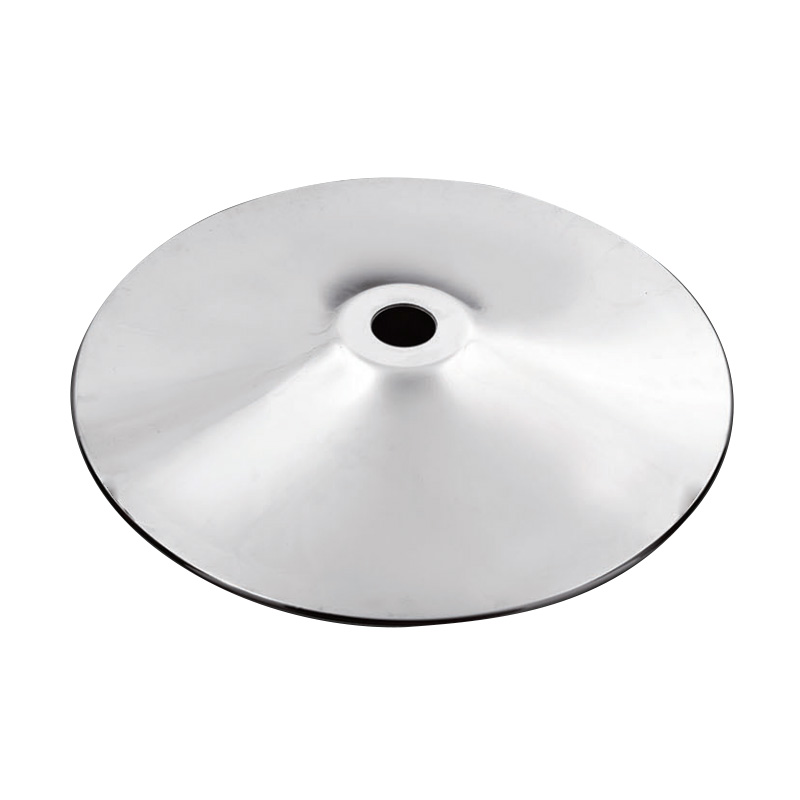
The material of the base plate is a primary factor in its strength, corrosion resistance, and overall longevity. Different manufacturers use different materials based on the chair's price point, weight capacity, and intended environment.
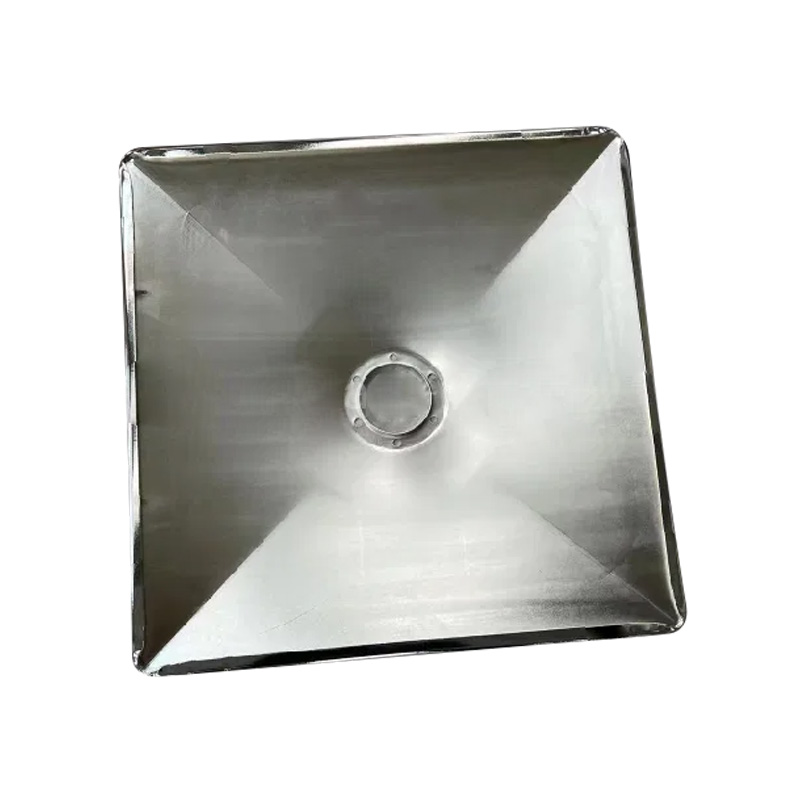
Steel (Mild or Carbon Steel): This is the common material for salon chair base plates, particularly in mid-range to heavy-duty chairs. Steel offers high strength and rigidity, making it capable of supporting significant weight without bending or flexing. Base plates made from steel are typically formed by stamping or laser-cutting from sheet steel, then welded if a multi-piece construction is used. To prevent rust, steel base plates are always coated with a protective layer, such as powder coating or paint. The thickness of the steel (measured in gauge) directly impacts its strength; thicker steel (lower gauge number) provides greater durability but adds weight.
Stainless Steel: In higher-end salon chairs or those designed for wet environments (such as spa treatment rooms where water exposure is common), stainless steel base plates may be used. Stainless steel offers corrosion resistance without requiring a protective coating. It is also very strong and durable. However, it is significantly more expensive than mild steel, which limits its use to premium applications. Stainless steel plates are often left with a brushed or polished finish that is both functional and aesthetically pleasing.
Cast Iron: Some older or very heavy-duty salon chairs may feature base plates made from cast iron. Cast iron is strong and rigid, with vibration-damping properties. However, it is also very heavy and can be brittle, meaning it may crack if subjected to a sharp impact rather than bending. Cast iron is also susceptible to rust if its protective paint coating is compromised. Modern salon chairs rarely use cast iron due to the availability of lighter and equally strong steel alternatives.
Aluminum: Aluminum base plates are sometimes found on lightweight or portable salon chairs. Aluminum offers a good strength-to-weight ratio and natural corrosion resistance. However, it is generally not as strong as steel of equivalent thickness, so aluminum plates must be thicker to achieve the same load capacity. This can make them bulkier, even if lighter. Aluminum is more common in folding or travel chairs than in stationary salon chairs.
How Is a Salon Chair Base Plate Properly Installed and Secured?
Proper installation of the base plate is essential for safety and stability. An improperly secured chair can tip, wobble, or become detached, posing a risk to both the client and the stylist.
Floor Anchoring: In commercial salon settings, the base plate is designed to be anchored to the floor. This is typically done using heavy-duty lag bolts or concrete anchors (such as wedge anchors or sleeve anchors) that pass through holes in the base plate and into the subfloor. For concrete floors, masonry anchors are required. For wooden subfloors, lag bolts that thread directly into the wood are used. The holes in the base plate are usually slotted or oversized to allow for minor adjustments in positioning before final tightening.
Mounting the Pedestal or Hydraulic System: The base plate also serves as the mounting point for the chair's pedestal or hydraulic pump assembly. This is typically achieved with bolts that pass through the base of the pedestal and thread into the base plate, or with studs welded to the base plate that extend up through the pedestal flange and are secured with nuts. The specific configuration varies by manufacturer, so following the provided instructions is important. Some chairs use a flanged connection where the pedestal sits on top of the base plate and is secured from underneath.
What Are the Signs That a Salon Chair Base Plate Needs Replacement?
Like any mechanical component, base plates can wear out or become damaged over time. Recognizing the signs of a failing base plate is important for preventing accidents.
Visible Cracks or Deformation: The obvious sign that a base plate needs replacement is visible damage. Cracks in the metal, particularly around bolt holes or weld points, indicate that the plate is fatigued and may fail under load. Bending or warping of the plate, which can occur after an impact (such as being struck by a heavy object), compromises its ability to support the chair evenly.
Rust or Corrosion: While surface rust on a painted steel plate may be cosmetic, extensive rust that has caused pitting, flaking, or loss of material weakens the plate structurally. Rust is particularly concerning around bolt holes and mounting points, as it can bring about bolt failure. In wet environments, regular inspection for corrosion is advisable.
Loose or Wobbling Chair: If a salon chair begins to wobble even after the mounting bolts have been tightened, the problem may be in the base plate. Worn-out or elongated bolt holes can prevent a secure fit. The base plate itself may have become bent, preventing it from sitting flat on the floor.
Stripped or Damaged Mounting Threads: Some base plates have threaded holes (rather than through-holes) for mounting the pedestal. If these threads become stripped or damaged, the pedestal cannot be securely attached. While some plates may allow for thread repair (using helicoils or thread inserts), severe damage often necessitates base plate replacement.
Can a Base Plate from One Salon Chair Brand Be Used on Another?
Compatibility between base plates and chair pedestals is not standardized, so interchangeability is limited.
Weight Rating Considerations: Even if the bolt pattern could be adapted (such as by drilling new holes), the weight rating of the base plate must be considered. A base plate designed for a lighter-duty chair may not be safe to use with a heavier, more expensive salon chair intended for high-volume use.
Aftermarket and Universal Options: Some aftermarket suppliers offer universal or adaptable base plates with multiple hole patterns or adjustable mounting features. These are designed to fit a range of common chair models. However, verifying compatibility with the specific chair model is essential before purchasing. When in doubt, obtaining a replacement base plate from the original chair manufacturer is the safest approach to ensure proper fit and load capacity.