
 En
En Português
 عربى
عربى
Home / News / Industry News / What factors determine the stability and safety of a salon chair base?
The stability of a salon chair base is fundamental to client safety and stylist functionality. A chair that tips, rocks, or shifts unexpectedly during service creates safety hazards and interferes with precision work. Several interrelated factors contribute to base stability, and understanding them helps salon owners select chairs appropriate for their space and clientele.
Base diameter and geometry
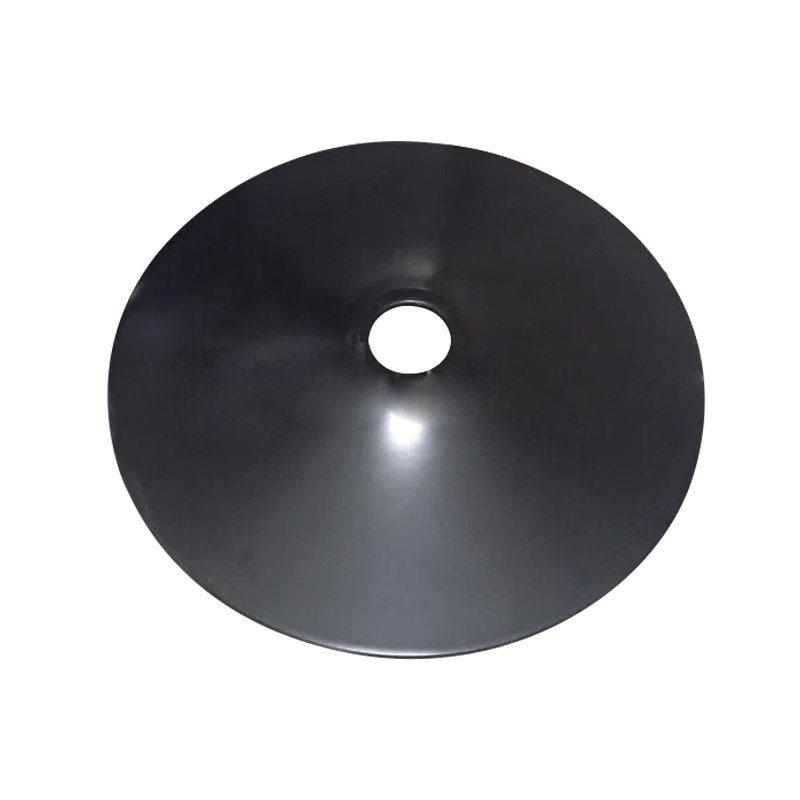
The diameter of the base is the primary determinant of stability. Salon chair bases typically range from 550 to 700 millimeters (22 to 28 inches) in diameter. A wider base provides a larger footprint, increasing resistance to tipping when clients lean forward, shift their weight, or when the chair is fully reclined. For chairs used in shampoo services where clients recline to near-horizontal positions, bases at the larger end of this range are recommended. The geometry of the base also matters; bases with five legs arranged at 72-degree intervals provide better stability than four-leg configurations because the load is distributed across more points and the leg spacing creates a more effective tipping resistance in all directions.
Construction material and structural integrity
The material from which the base is constructed affects both its strength and its resistance to deformation under load. Cast aluminum bases offer a favorable combination of strength and weight. The casting process allows for integral reinforcement ribs that add structural rigidity without significantly increasing mass. High-quality cast aluminum bases are typically manufactured from A356 or similar alloys with T6 heat treatment, achieving yield strengths of 170 to 200 megapascals. Steel bases, whether fabricated from tubing or stamped from sheet metal, provide strength but are generally heavier. The critical consideration is the integrity of the central hub where the base attaches to the chair column; this area experiences the stress concentrations and must be adequately reinforced to prevent fatigue cracking over years of use.
How do caster configurations affect mobility and floor protection?
Casters are essential components of salon chair bases, enabling repositioning for different services and facilitating salon floor cleaning. However, caster selection involves trade-offs between mobility, stability, floor protection, and durability. Understanding these trade-offs helps salon owners select configurations appropriate for their specific environment.
Caster types and their characteristics
Dual-wheel casters: The common configuration for salon chairs. Two wheels mounted side by side distribute load over a larger surface area, reducing pressure on flooring materials. Dual-wheel casters also provide greater stability than single-wheel designs, as they are less likely to tip or bind when changing direction. The swivel mechanism in dual-wheel casters typically incorporates ball bearings or nylon bushings; ball bearings offer smoother swiveling but require protection from hair and debris to maintain performance.
Single-wheel casters: Less common in salon chairs but used in some lightweight or specialty chairs. Single-wheel casters have lower rolling resistance but concentrate load on a smaller contact area, increasing the risk of floor marking or damage. They are also more susceptible to getting caught in carpet fibers or floor cracks.
Locking casters: Some salon chairs feature casters with locking mechanisms that prevent rolling. These are useful in salons where chairs are positioned and left in place for extended periods, or where stability during services is prioritized over frequent repositioning. Locking mechanisms may engage the wheel, the swivel, or both. However, locking casters can be more expensive and may require more maintenance than non-locking alternatives.
Threaded stem versus grip ring stems: Casters attach to the chair base via either threaded stems or spring-loaded grip ring stems. Threaded stems provide a more secure attachment but require specific threading that must match the base. Grip ring stems, which snap into sockets in the base, are easier to replace but may loosen over time if the sockets wear. For high-traffic salons where casters experience frequent movement, threaded stems offer greater long-term reliability.
Load ratings and caster spacing
Each caster has a rated load capacity, typically 45 to 90 kilograms (100 to 200 pounds). A five-caster base with properly rated casters provides a total load capacity that significantly exceeds the chair's expected load, providing a safety margin. However, load distribution is not always equal across all casters. When the chair is reclined or when a client shifts weight, some casters may bear more load than others. Casters should be selected with sufficient capacity to handle these uneven load distributions.
The spacing and positioning of casters relative to the base legs affect mobility. Casters mounted directly under each leg tip provide the stability because they place the wheel at the widest point of the base. Casters mounted inboard (closer to the center) reduce the effective base diameter and can make the chair more prone to tipping. High-quality chair bases are designed with caster sockets positioned at the extreme ends of the legs to maximize stability.