
 En
En Português
 عربى
عربى
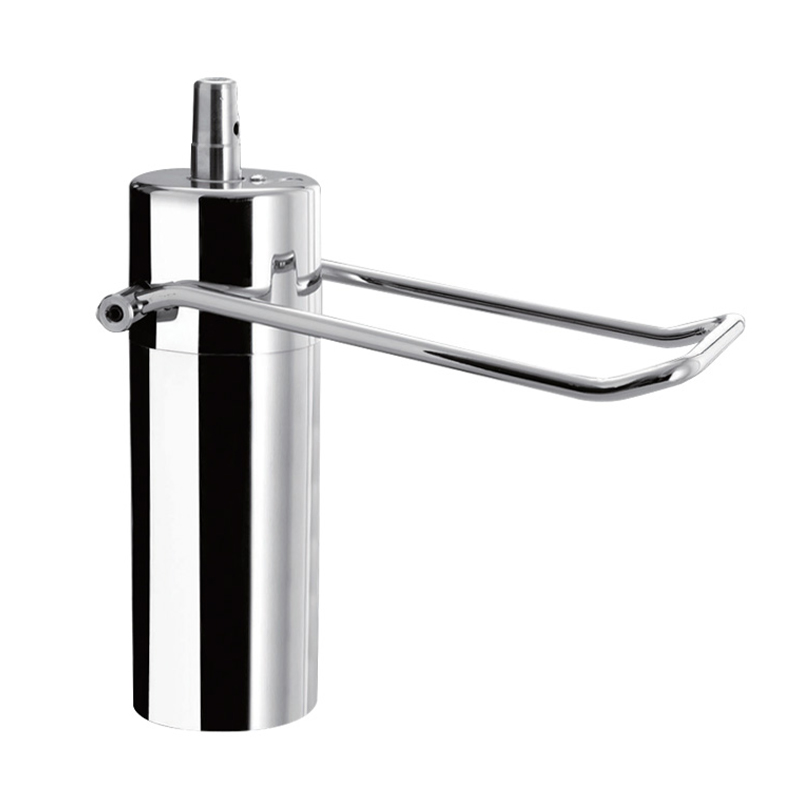
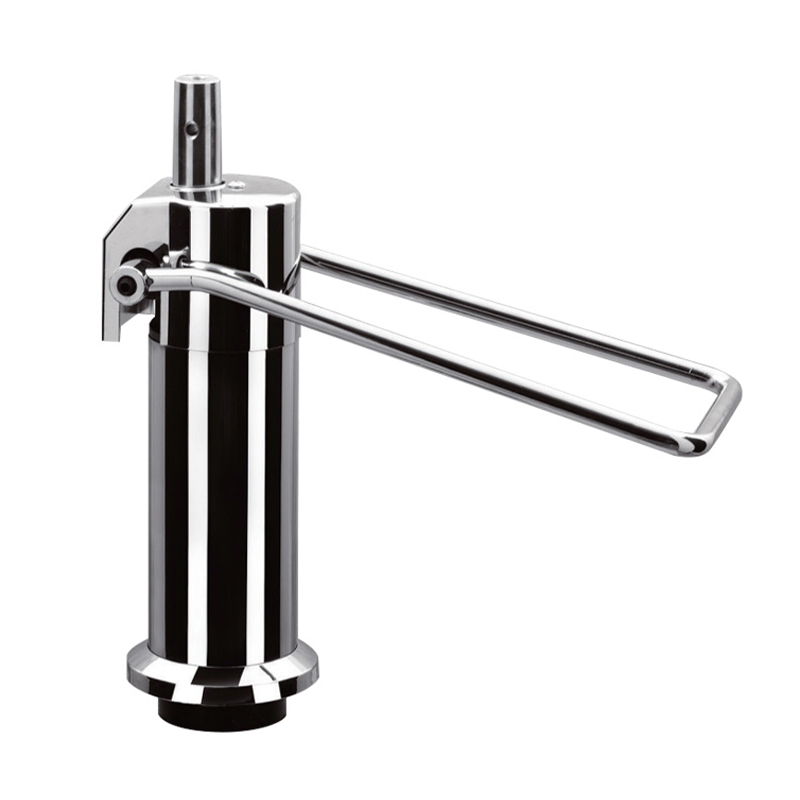
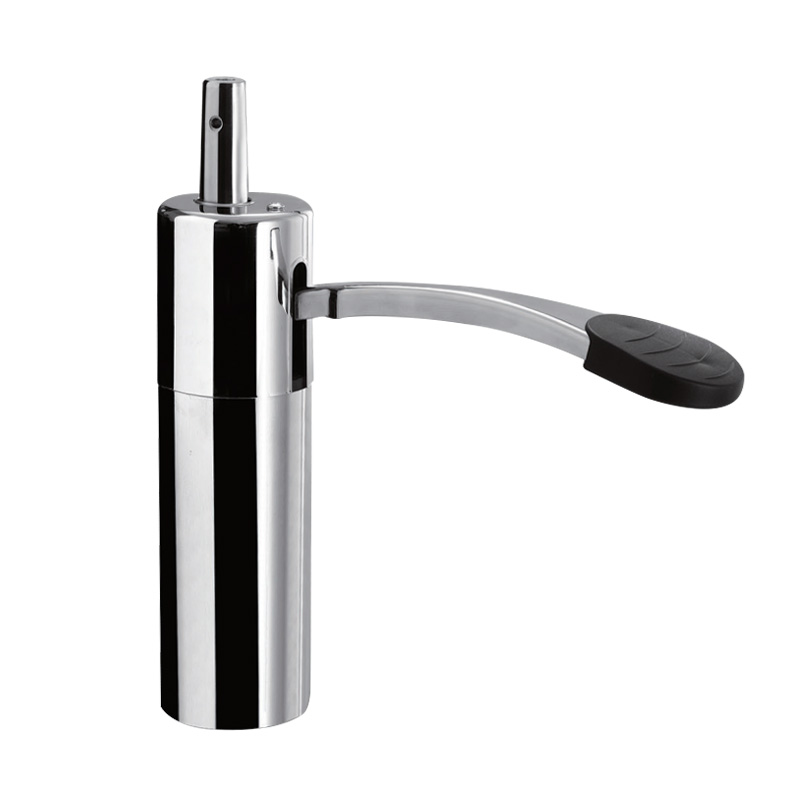
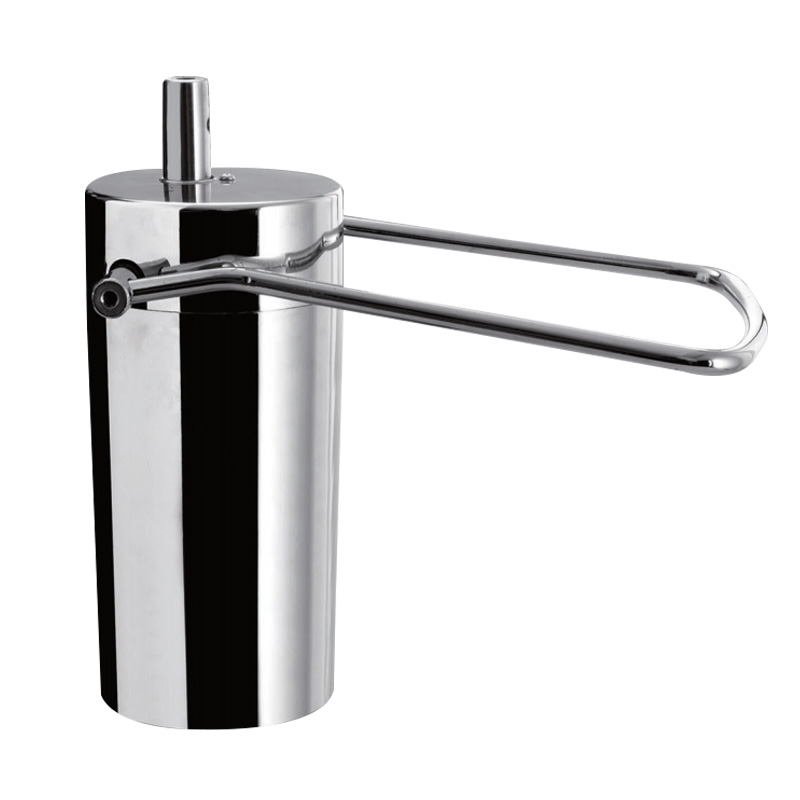
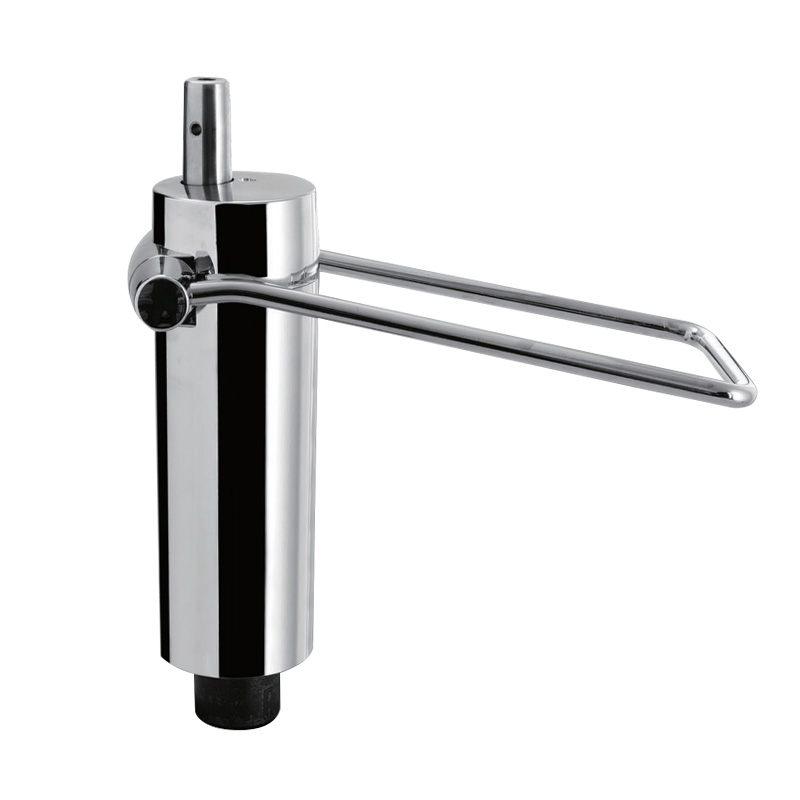
Proper use of a barber chair hydraulic pump ensures safety, efficient operation, and longevity of both the chair and pump. Considerations include:
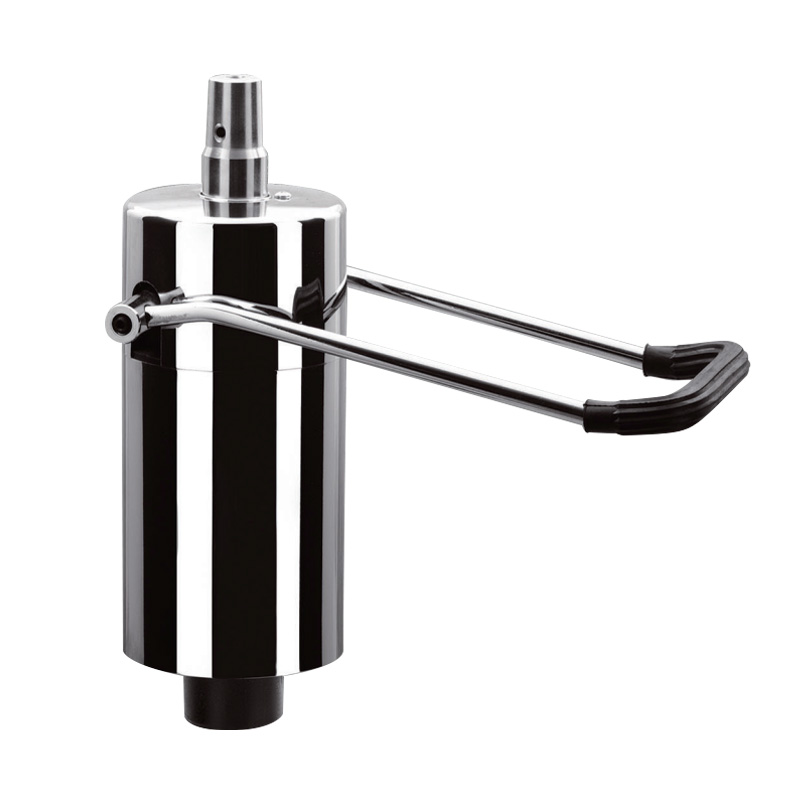
Installation and Alignment
The hydraulic pump must be securely mounted to the chair base, with all connections tightened according to manufacturer specifications. Misalignment or loose connections may lead to uneven lifting or operational instability. Correct installation ensures the chair operates smoothly without tilting or wobbling.
Hydraulic Fluid Quality
Use recommended hydraulic oil to maintain pressure and prevent internal wear. Regularly check fluid levels and refill when necessary. Avoid using contaminated or incompatible fluids, as they can damage internal seals and affect performance.
Operating Procedures
Adjust chair height slowly and evenly using the lever or foot pedal. Avoid sudden movements, as rapid lowering or raising may cause pressure fluctuations, hydraulic noise, or damage to the pump. Ensure the client remains seated safely during adjustment.
Temperature and Load Considerations
Avoid excessive weight beyond the pump’s rated capacity, as this may strain the system and shorten its service life. Also, maintain the chair in moderate temperature conditions; extreme heat or cold may affect hydraulic fluid viscosity and pump efficiency.
Routine Maintenance
Periodically inspect the pump for leaks, worn seals, or unusual noises. Clean external surfaces and ensure the release valve functions correctly. Proper maintenance reduces the likelihood of operational issues and prolongs pump life.
These practices ensure safe operation, consistent performance, and extend the life of the barber chair hydraulic pump.
Performance Advantages of Barber Chair Hydraulic Pumps
Barber chair hydraulic pumps offer several benefits that make them suitable for professional grooming environments:
Adjustable Height Control
Hydraulic pumps allow smooth and precise height adjustment, enabling barbers to maintain ergonomic posture and reduce strain during haircuts.
Stability and Safety
The hydraulic system supports consistent lift and lowering of the chair, preventing sudden drops and ensuring client safety during adjustments.
Ease of Operation
Many barber chairs operate via foot pedals or levers, allowing hands-free adjustment and improving workflow efficiency.
Durability
With proper maintenance, hydraulic pumps can withstand repeated cycles of lifting and lowering without significant wear. Components such as the piston, cylinder, and seals are designed to handle moderate loads consistently.
These advantages make barber chair hydraulic pumps practical and reliable for daily use in professional settings.
Performance Disadvantages of Barber Chair Hydraulic Pumps
Despite their benefits, hydraulic pumps in barber chairs also have limitations that should be considered:
Maintenance Requirements
Hydraulic pumps require regular inspection, lubrication, and fluid replacement. Neglecting maintenance can lead to leaks, reduced pressure, or mechanical failure.
Load Sensitivity
Exceeding the rated capacity of the pump may damage the cylinder or seals. Overloading may also result in uneven lifting or slow operation.
Temperature Dependence
Hydraulic fluid viscosity changes with temperature, which can affect smoothness of operation. Very cold or hot conditions may reduce efficiency or increase wear on internal components.
Potential for Leaks
Seals, gaskets, and fittings may degrade over time, causing fluid leaks. Even small leaks can affect pump performance and pose a slipping hazard in barber environments.
Understanding these limitations allows operators to implement preventive measures, such as monitoring fluid levels, avoiding overloading, and maintaining an appropriate working environment.