
 En
En Português
 عربى
عربى
A chair that wobbles under a client is not a minor inconvenience - it is a signal that something structural is failing, and it is happening in a space where professional credibility and physical safety both depend on reliable equipment. Barber chairs and salon chairs take considerable daily punishment: repeated height adjustments, clients of varying weight, constant rotation, and the cumulative wear of a high-use commercial environment. When that wear begins to show as tilt, instability, or a hydraulic pump that no longer holds its position, the response is rarely to replace the entire chair. The practical solution is to identify the specific component that has degraded and replace or reinforce it with the appropriate Salon Chair Accessory.
What Causes a Salon or Barber Chair to Lose Stability?
The Structural Load Path of a Salon Chair
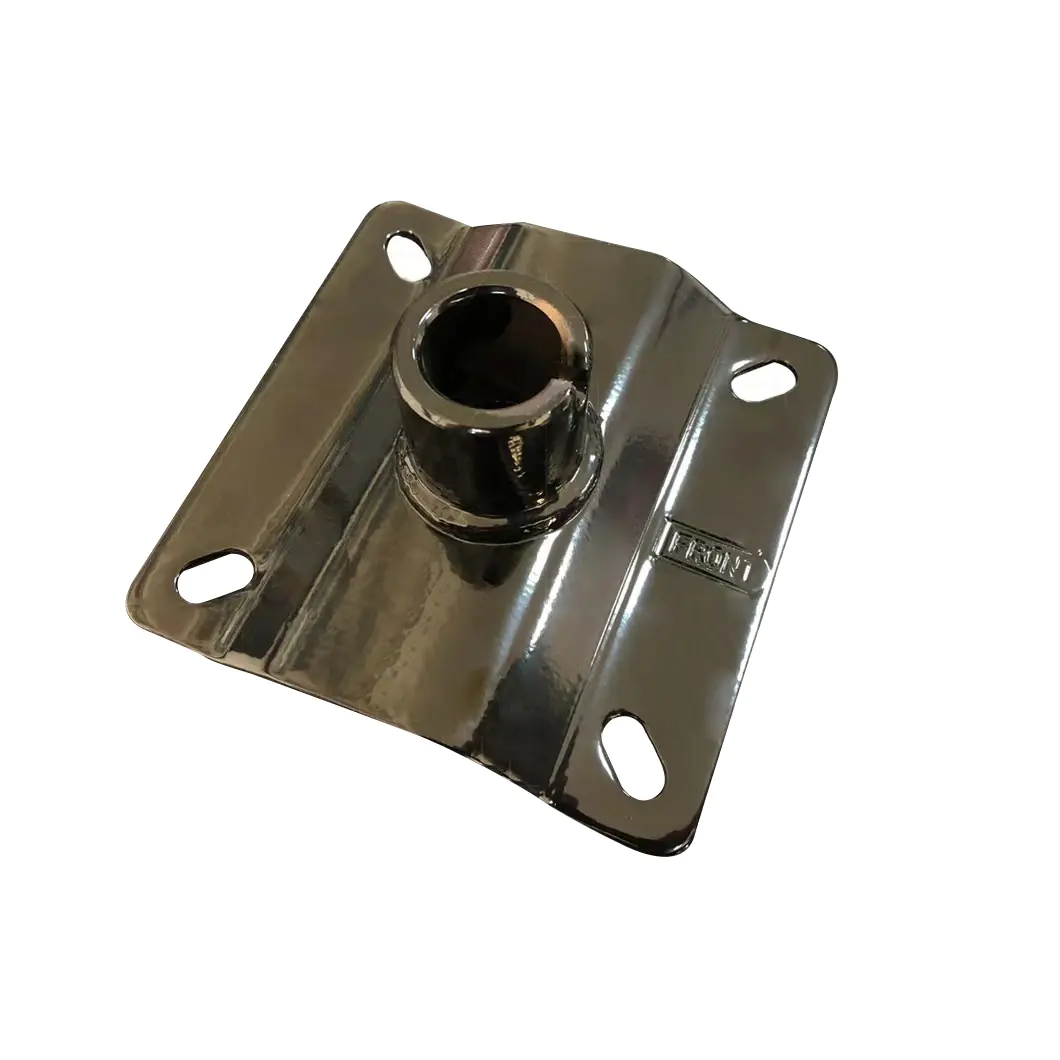
A salon or barber chair transmits load through a specific sequence of components. The client's weight and movement are distributed through the seat and backrest frame, transferred through the central post to the hydraulic pump assembly, and from there through the base structure to the floor. Stability problems originate when any link in this load path degrades.
The four primary sources of instability:
- Hydraulic pump failure or wear: the pump no longer maintains pressure under load, allowing the seat to sink or tilt
- Base deformation or damage: the star base (or round base, depending on the chair model) develops cracks, bends, or loose welds that allow the chair to rock under load
- Connection hardware loosening: bolts, locking rings, and retaining clips between the pump body and the base or seat plate loosen over time with repeated use
- Swivel mechanism wear: the rotation bearing wears unevenly, creating play in the rotational axis that translates to perceived instability
Each of these failure modes has a corresponding accessory solution. Identifying which component is responsible for the instability is the starting point for an effective repair.
How Does the Hydraulic Pump Affect Chair Stability?
The Pump as the Central Load-Bearing Component
The hydraulic pump in a barber or salon chair does more than adjust seat height. It is the structural interface between the rotating seat assembly above and the base below. The pump body must withstand both the vertical compressive load of the client's weight and the lateral forces generated when a client leans, shifts, or when the stylist applies pressure during a service.
A pump that has worn internally may still raise and lower the chair but will exhibit:
- Slow or inconsistent height loss under load (the seat sinks gradually after being set to working height)
- Lateral play - a slight but perceptible side-to-side movement when load is applied at the seat level
- Rotational looseness where the seat does not lock firmly in a chosen position
These symptoms indicate that the pump's internal sealing components or its external retention hardware have degraded. Replacing the pump with a correctly specified unit - matched to the chair's bore size, stroke length, and load rating - restores the load path integrity and eliminates the instability.
How a Replacement Pump Restores Structural Function
A new hydraulic pump reinstates the tight fit between the pump body and the chair's central socket. This eliminates lateral play at the structural center of the chair. The internal seals restore pressure retention under load, preventing seat sinkage. The overall effect is that the chair behaves as a rigid structural unit again rather than as an assembly of parts with play between them.
For salon owners sourcing replacement pumps in volume - for a fleet of chairs or as service inventory - confirming compatibility with the chair models in the salon is essential. Pump specifications that determine compatibility include:
- Outer diameter of the pump body
- Stroke length (the range of height adjustment)
- Thread or locking ring configuration at the seat attachment point
- Maximum load rating relative to the chair's specified capacity
What Is a Salon Chair Accessory and Which Types Address Stability?
Defining the Category in a Commercial Context
A Salon Chair Accessory is any component designed to attach to, integrate with, or replace a part of an existing barber or salon chair to restore, enhance, or extend its function. In the context of stability improvement, the relevant accessories fall into several categories:
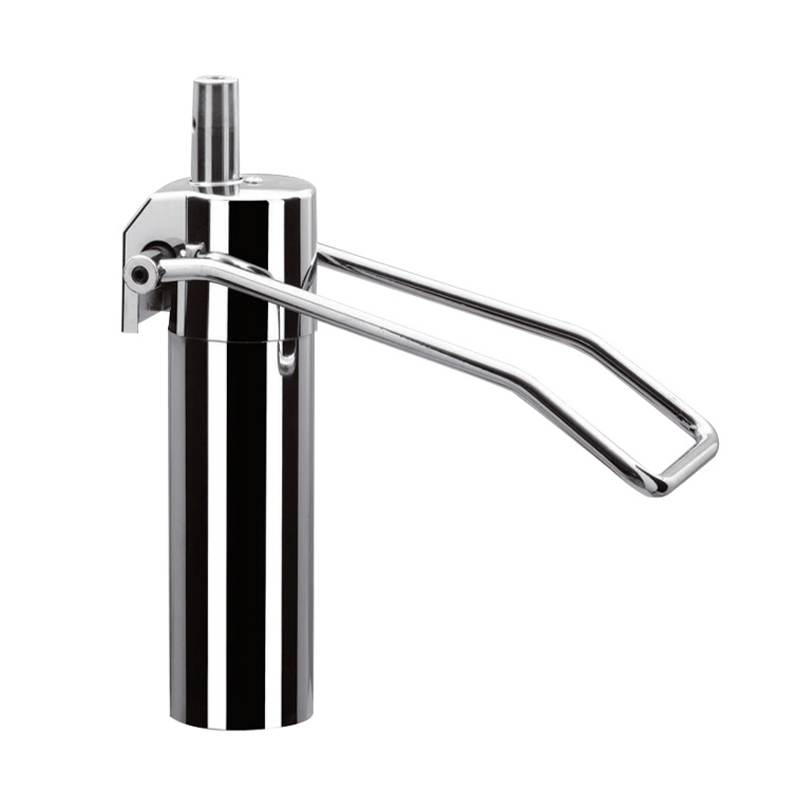
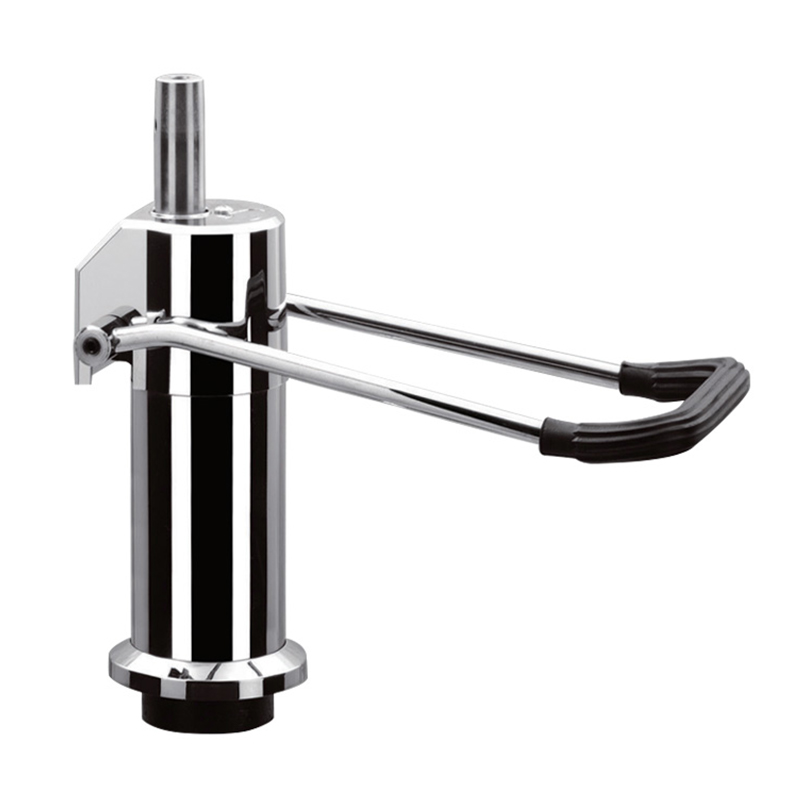
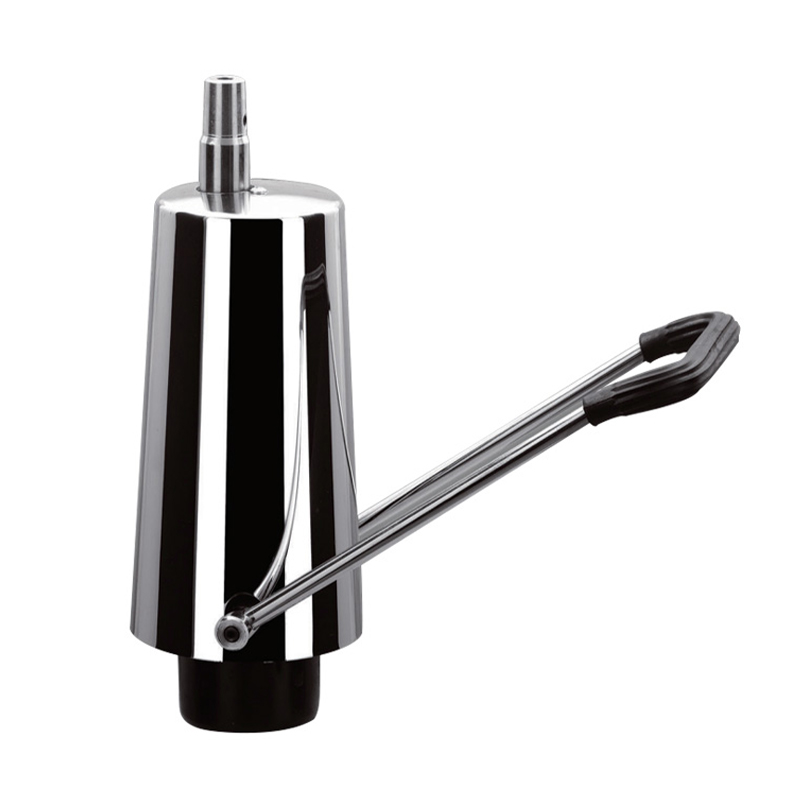
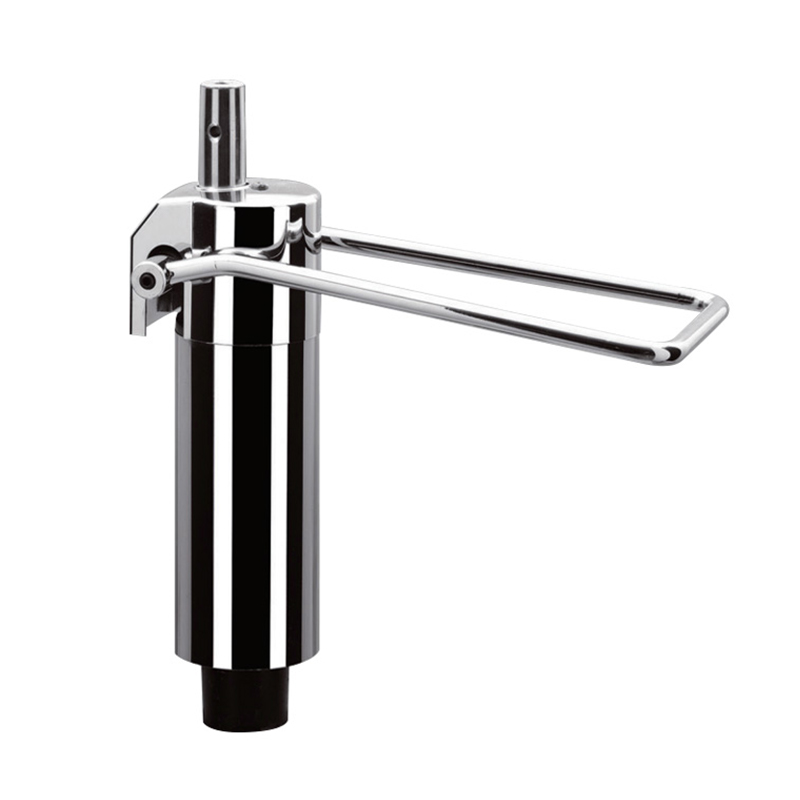
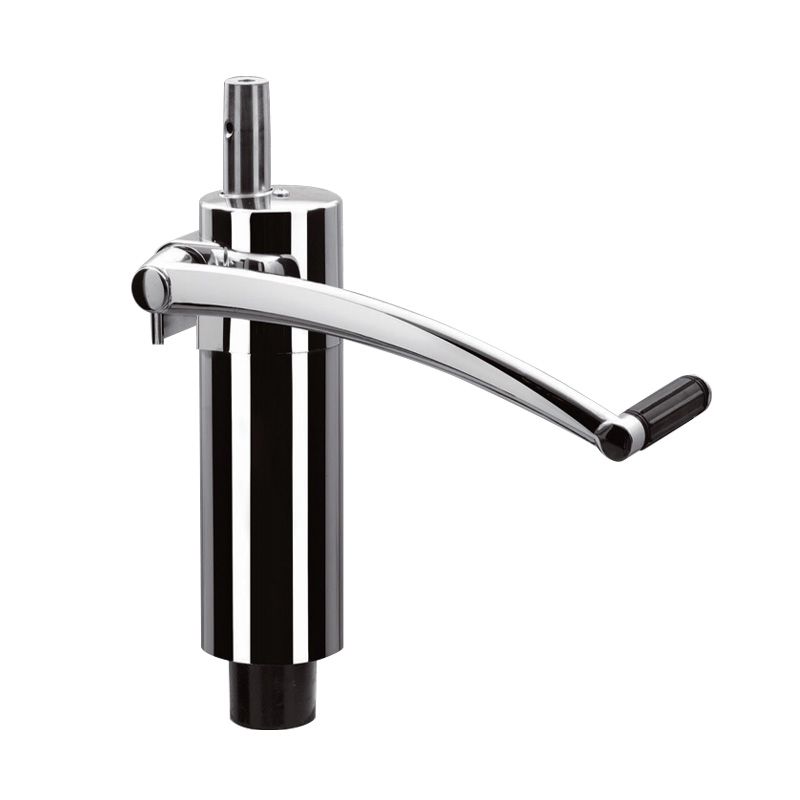
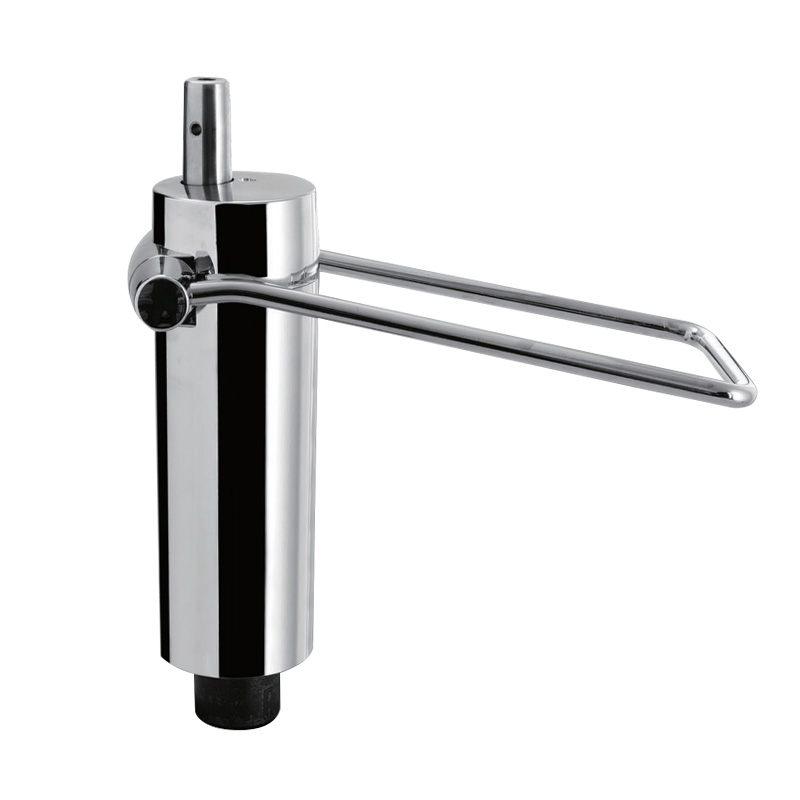
Hydraulic pump assemblies: complete replacement pump units that restore height adjustment function and structural rigidity at the chair's central load-bearing point.
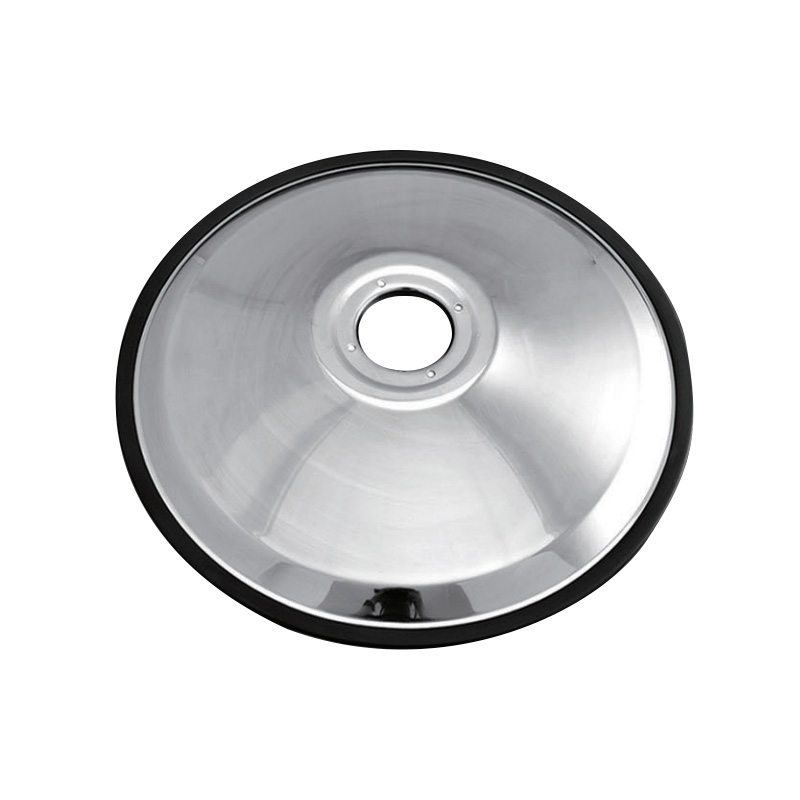
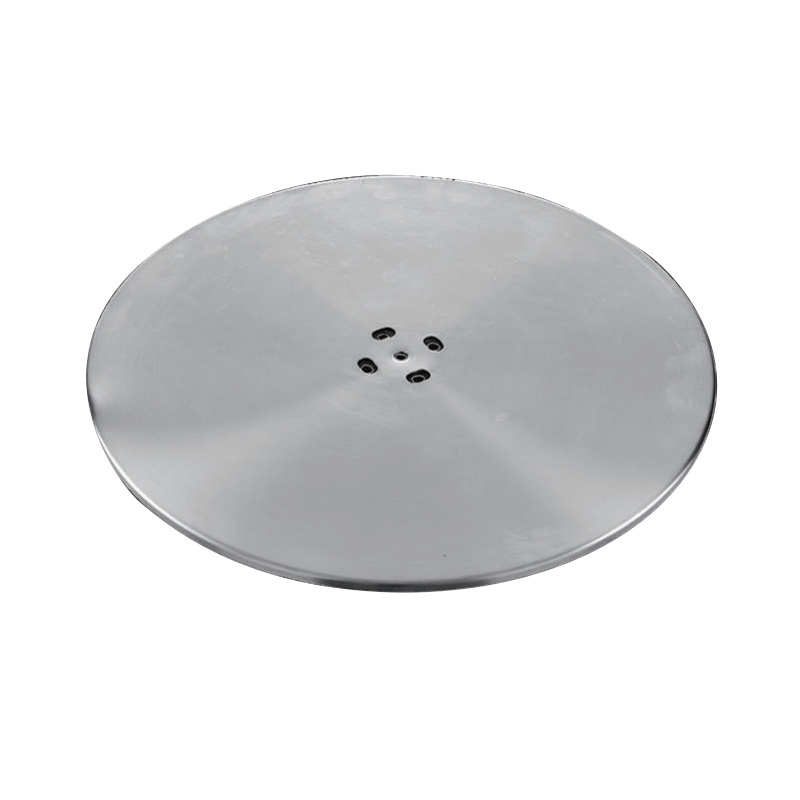
Base replacement kits: star bases or round bases in standard diameters that replace damaged or cracked original bases. A well-fitted replacement base eliminates the rocking motion caused by base deformation.
Pump-to-base connection hardware: locking rings, retaining clips, and bolts that secure the pump body within the base socket. These small components are frequently the source of play in an otherwise serviceable chair, and replacing them is a low-cost repair with a significant stability impact.
Height extender components: adapter sleeves that increase the effective height range of an existing pump while maintaining the structural integrity of the connection. These are used when a chair's height range is insufficient for the working environment rather than as a direct stability repair, but they must be selected to maintain the load path integrity of the original design.
Swivel bearing assemblies: replacement rotation bearings that eliminate the lateral play that develops when the original bearing wears unevenly. A worn swivel bearing is often mistaken for a pump problem because the symptom (chair movement under load) is similar, but the origin is at the rotational interface rather than the vertical support.
How Does Base Quality Affect Chair Stability?
The Base as the Foundation of the Load Path
The chair base distributes the load from the pump and seat across a wider footprint, transferring it to the floor through the base feet or casters. A base that has cracked, bent, or developed loose weld joints concentrates load through fewer contact points, creating the lever effect that produces visible rocking.
Common base failure patterns:
Fatigue cracking at the arm-to-center-ring welds: the junction between the arms and the central hub carries the heaviest stress concentration in the base. Repeated flexing under load cycles eventually produces fatigue cracks at this location.
Arm deformation: over time, particularly under heavy or off-center load, base arms can bend slightly downward, reducing the effective contact area with the floor
Caster or glide wear: worn casters create uneven height across the base footprint, tilting the entire chair assembly
A replacement base - correctly matched to the pump body diameter and the chair's overall design - eliminates these failure modes. When selecting a replacement base as a Salon Chair Accessory, the key specifications are the central bore diameter (must match the pump body outer diameter), the base diameter (wider bases provide more stability), and the material specification (heavier-gauge steel reduces deformation under sustained load).
Diagnosing Which Accessory Your Chair Needs
A Systematic Approach to Stability Diagnosis
Before ordering replacement components, identifying the specific failure location prevents unnecessary parts replacement and ensures the repair addresses the actual problem:
- Test for seat sinkage under load: sit in the chair at a set height and observe whether it drops over thirty seconds to a minute. Progressive sinkage indicates pump seal wear.
- Test for lateral play at the seat: hold the seat firmly and apply lateral force in multiple directions. Play at this point suggests pump body looseness within the base socket or worn connection hardware.
- Test for base rocking: with the chair unoccupied, apply downward pressure to different points on the seat and observe whether the base lifts or rocks. Any rocking confirms base damage or uneven contact with the floor.
- Test the swivel rotation: rotate the seat through its full range and feel for irregularity, binding, or lateral movement during rotation. Irregular rotation indicates swivel bearing wear.
- Inspect connection hardware visually: check locking rings, retaining clips, and visible bolts for signs of loosening, corrosion, or mechanical damage.
This five-step sequence identifies the failure location and the corresponding accessory required without requiring disassembly of the entire chair.
Comparing Stability-Related Salon Chair Accessories
| Accessory Type | Stability Problem Addressed | Repair Complexity | Typical Replacement Trigger |
|---|---|---|---|
| Hydraulic pump replacement | Seat sinkage, lateral play at center post | Moderate - pump removal and reinstallation | Seal failure, progressive height loss under load |
| Base replacement | Base rocking, arm cracking, uneven floor contact | Moderate - base swap with pump reinstallation | Visible cracking, arm deformation, persistent wobble |
| Connection hardware kit | Play between pump and base socket | Low - hardware tightening or replacement | Loose retaining ring or locking clip |
| Swivel bearing assembly | Lateral movement during rotation | Moderate - bearing removal and replacement | Uneven rotation, binding, rotational play |
| Height extender adapter | Insufficient height range | Low to moderate - adapter installation | Height range inadequate for working environment |
| Caster or glide replacement | Uneven base contact with floor | Low - caster swap | Worn casters causing tilt or rolling instability |
How to Extend Chair Stability Through Preventive Maintenance
Maintenance Practices That Delay Component Degradation
Reactive repair is more expensive than preventive maintenance because instability problems compound. A pump that develops slight seal wear causes uneven load distribution that accelerates base wear and connection hardware loosening simultaneously. Addressing the initial symptom before it affects adjacent components limits both downtime and repair cost.
Effective preventive practices:
- Regular hardware inspection: tighten connection hardware at defined intervals rather than waiting for play to become noticeable
- Load management: avoid exceeding the chair's stated load capacity, which accelerates pump seal wear and base fatigue
- Pump operation pattern: avoid operating the pump repeatedly at the full upper and lower limits of its range, which stresses the internal seals disproportionately
- Base inspection after impacts: if a chair is struck by a cart, trolley, or heavy equipment, inspect the base arms for deformation before returning the chair to service
- Caster and glide inspection: check contact surface condition periodically, as worn casters create hidden imbalance
When Replacement Is More Practical Than Repair
Some chairs reach a point where individual accessory replacement no longer addresses the accumulated wear across multiple components. Indicators that replacement rather than repair is appropriate:
- Multiple components requiring replacement simultaneously
- Base damage that cannot be addressed by a standard replacement base (non-standard bore size, discontinued chair model)
- Chair frame damage that affects load distribution independently of the accessory components
- Total repair cost approaching a significant proportion of replacement cost for an equivalent chair
Sourcing Salon Chair Accessories in Volume
For salon groups, equipment distributors, and service technicians maintaining multiple chairs across multiple locations, sourcing stability accessories in volume requires suppliers who can confirm component compatibility, maintain consistent inventory, and support technical specification requirements.
Wenling Jiafeng Machinery Co., Ltd manufactures Salon Chair Accessory components including hydraulic pump assemblies, base units, and connection hardware for barber and salon chair applications. If you are evaluating replacement pump specifications for a specific chair model range, building service inventory for a maintenance program, or sourcing components for an OEM or distribution arrangement, the team can provide technical specifications, compatibility guidance, and volume supply information. Reaching out with your chair model details, required specifications, and quantity targets is the starting point for identifying the correct components and confirming supply arrangements that fit your operational requirements.