
 En
En Português
 عربى
عربى
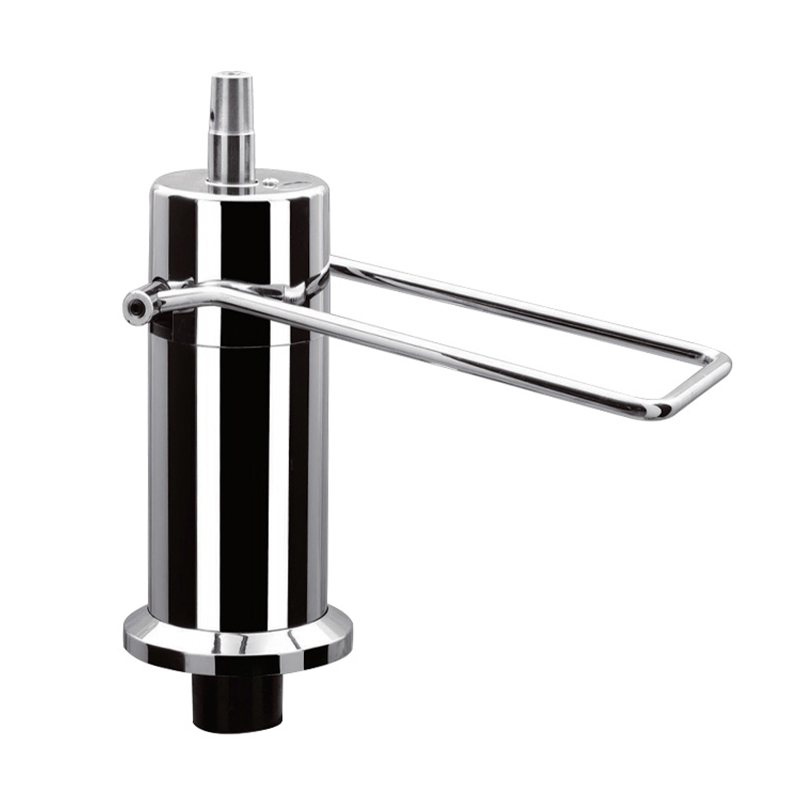
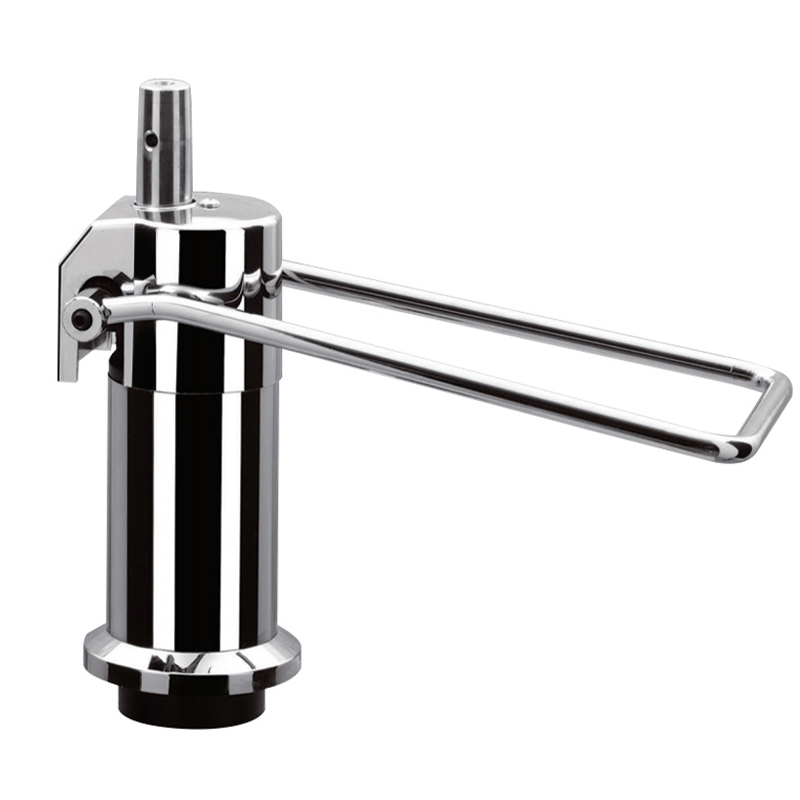
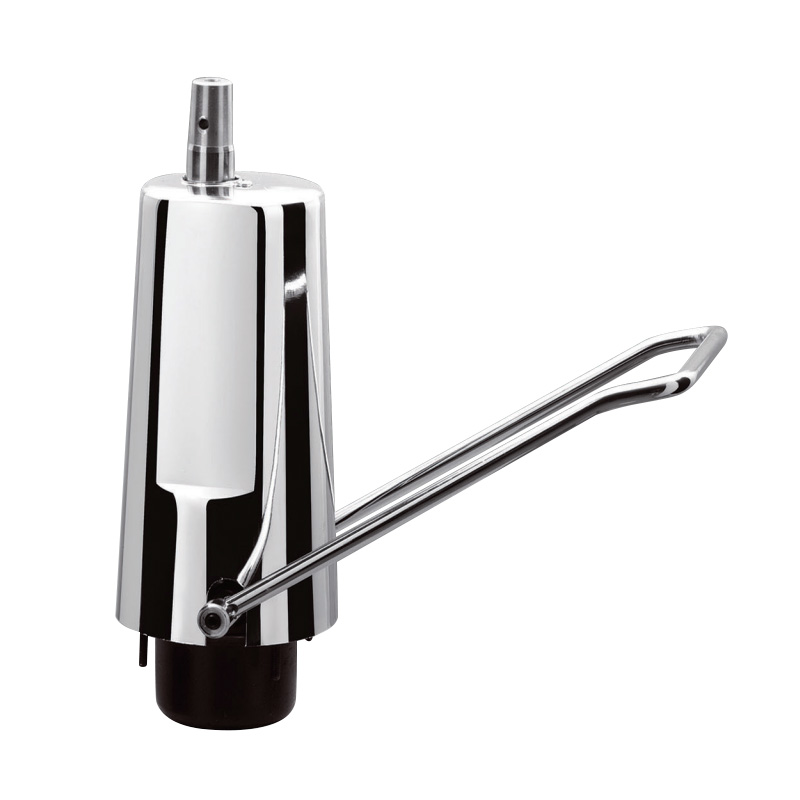
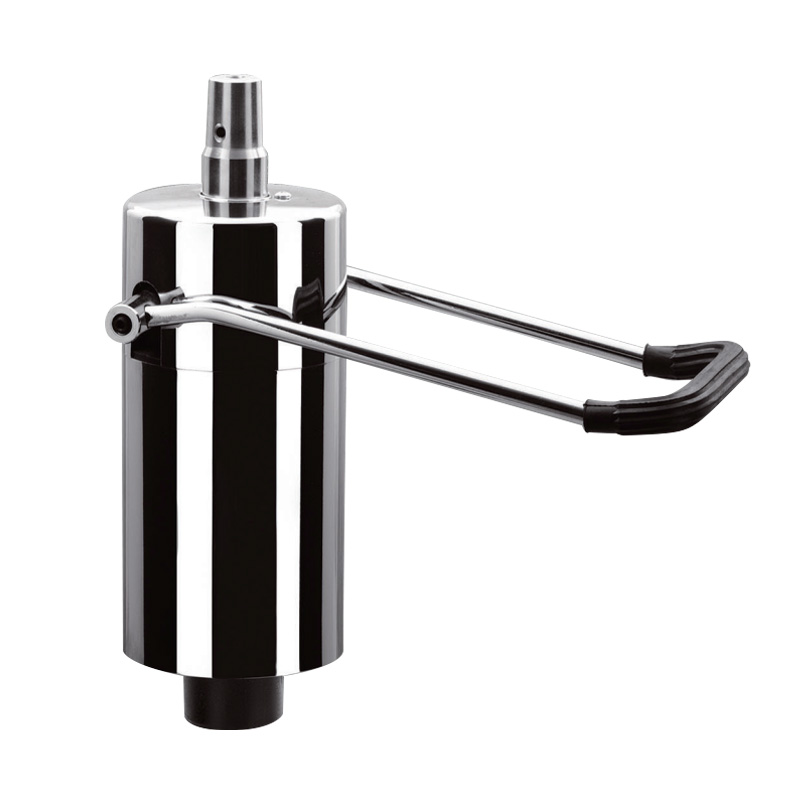
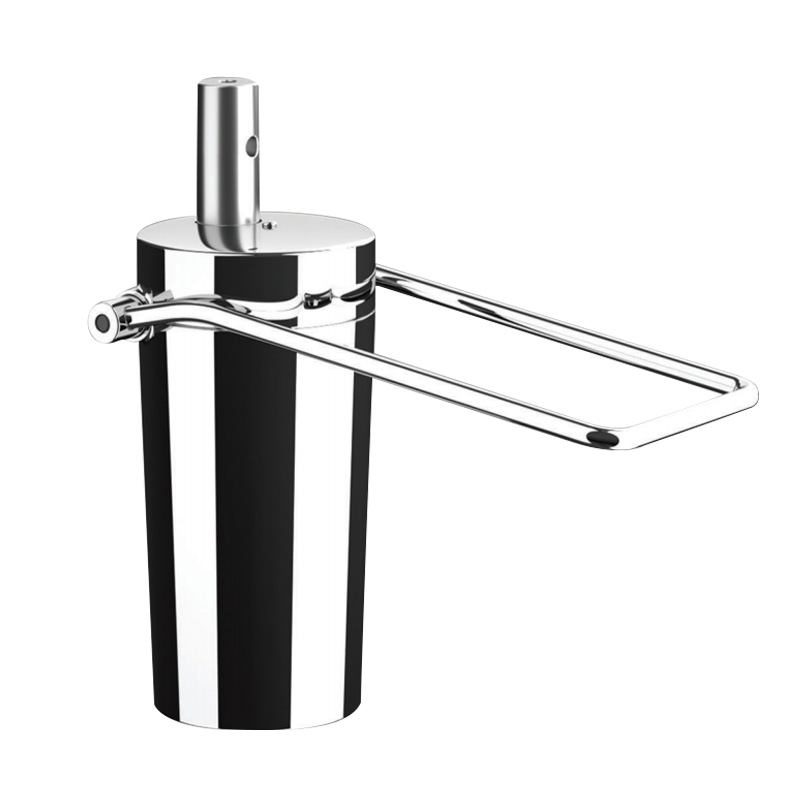
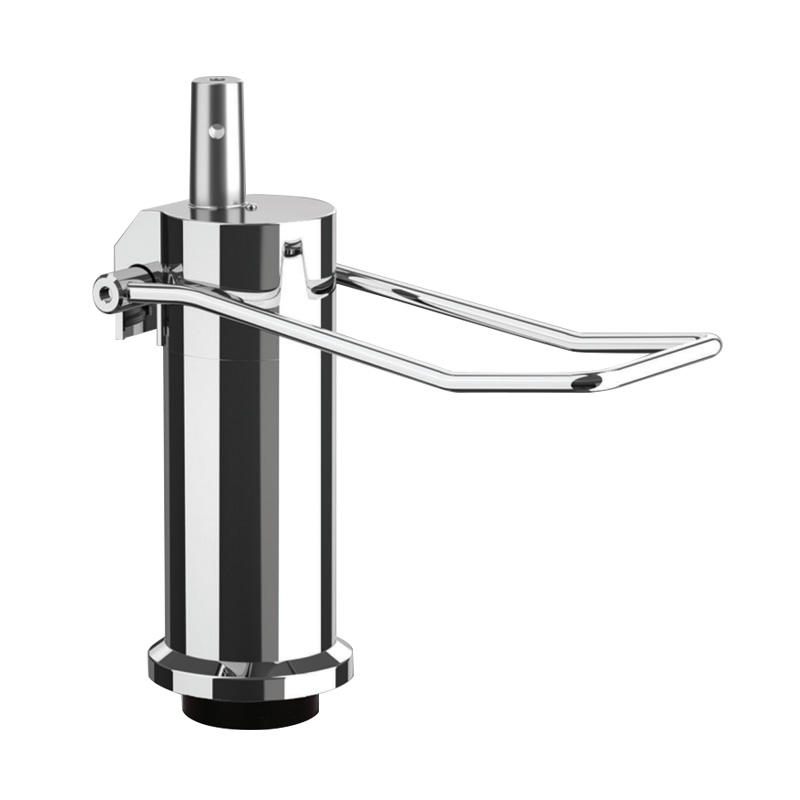
Barber Chair Hydraulic Pump is a self-contained hydraulic system, typically mounted under the seat. Its key components work together to convert mechanical force into controlled linear motion.
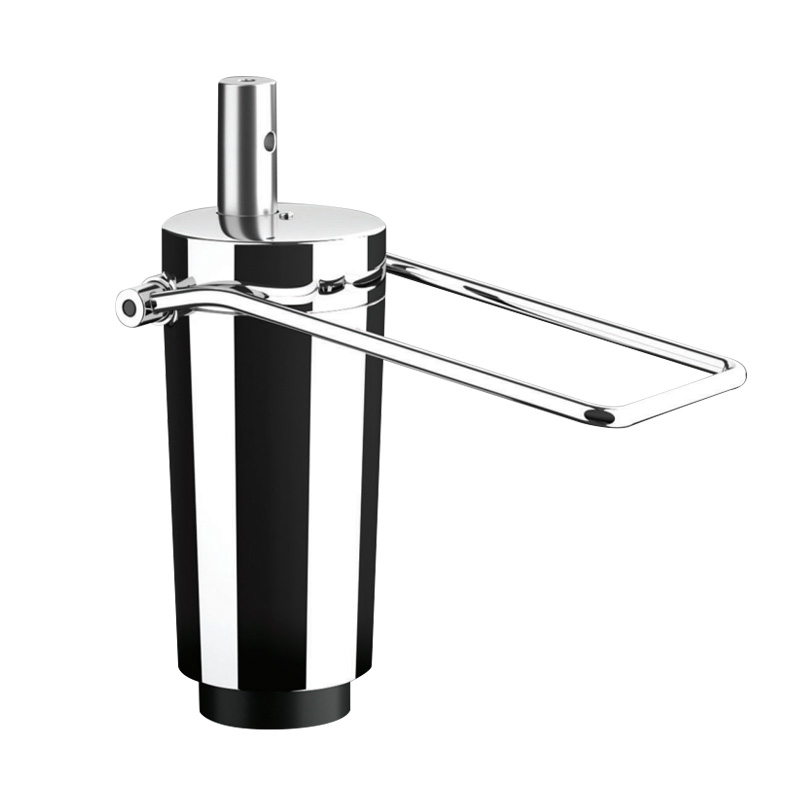
Reservoir/Tank: A small chamber that holds a reserve of hydraulic fluid, usually mineral oil.
Foot Pedal or Lever: The user interface. When depressed, it mechanically activates the pump mechanism.
Manual Hydraulic Pump: This is a piston pump. The pedal's motion drives a piston within a cylinder, forcing hydraulic fluid out of the reservoir.
Check Valves: These are one-way valves within the pump. They ensure fluid flows only in the correct direction: from the reservoir into the main cylinder during lifting, and from the cylinder back to the reservoir during lowering.
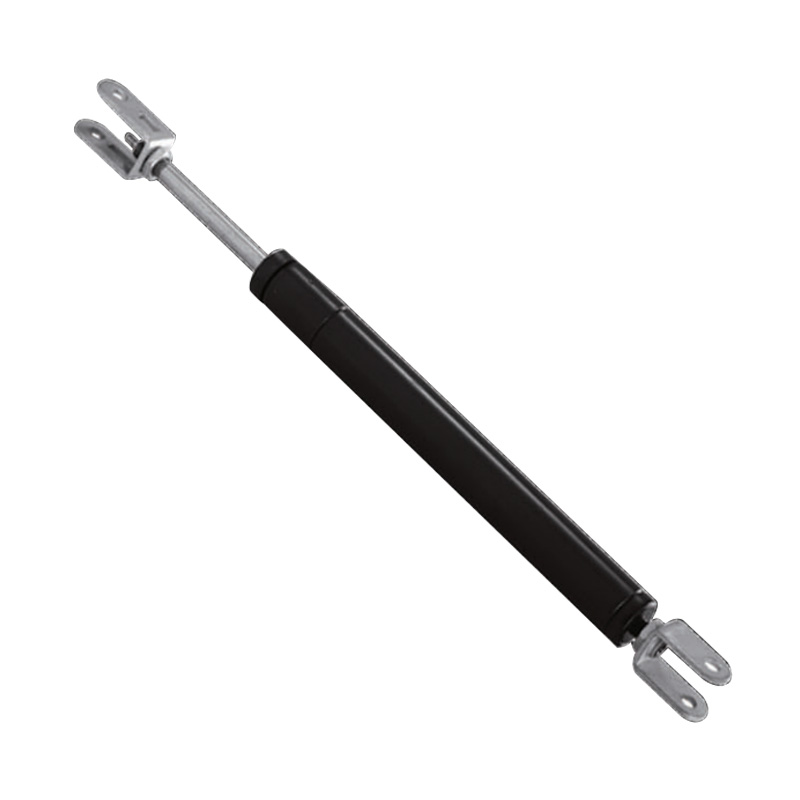
Main Hydraulic Cylinder (Ram): A larger, heavy-duty cylinder connected to the chair's column or base. The pressurized fluid from the pump enters this cylinder, extending a piston rod that lifts the chair.
Release Valve: A manually operated needle valve or trigger mechanism, often connected by a cable to a lever near the chair's base. Opening this valve creates a controlled pathway for fluid to flow out of the main cylinder back into the reservoir, allowing the chair to descend under its own weight.
Hydraulic Lines and Fittings: Flexible hoses or rigid tubes that connect the pump, cylinder, and reservoir, forming a closed fluid circuit.
Seals and Gaskets: Rubber or polyurethane O-rings and seals at all piston and connection points to contain the hydraulic fluid under pressure and prevent leaks.
Why does the Barber Chair Hydraulic Pump exist?
The development and use of this system are driven by specific ergonomic and practical requirements in professional barbering and hairstyling.
Providing Effortless and Precise Height Adjustment
The primary reason is to allow the barber to adjust the client's height quickly and without interrupting their work. A foot-operated pump enables the barber to raise or lower a seated client using minimal physical effort, achieving a precise working height that reduces strain on the barber's back and shoulders. This contrasts with older crank mechanisms, which require the barber to stop and manually turn a handle.
Enhancing Client Comfort and Positioning
The smooth, jolt-free motion of a hydraulic system offers a more comfortable experience for the client compared to mechanical jacks. In chairs with a reclining function, the same hydraulic principle (often with a separate circuit or valve) allows the backrest to be tilted smoothly for services like shampooing or shaving, improving client positioning for different services.
Ensuring Reliability and Durability in Daily Use
A well-constructed hydraulic system is designed for thousands of cycles. It provides a stable lift that locks securely in place when the pump is not engaged, safely supporting the client's weight. This mechanical reliability and holding strength are necessary for a piece of furniture used repeatedly throughout the day in a commercial setting.
The Manufacturing Issues of the Barber Chair Hydraulic Pump
Producing a reliable and cost-effective hydraulic pump for this application involves several technical and quality control challenges.
A primary manufacturing issue is achieving and maintaining seal integrity. The entire function of the pump depends on the network of O-rings and gland seals containing the hydraulic fluid under pressure. Any imperfection in the machining of the cylinder walls or piston rods, or a flaw in the seal material itself, can bring about slow internal or external leaks. A leaking pump will fail to lift the chair or will allow it to slowly sink (creep down) when under load, rendering the chair unusable.
Precision machining and assembly are required for the pump's internal check valves and the release valve. These components must operate with consistent sensitivity—the check valves must seal to hold pressure, and the release valve must allow for a smooth, controlled descent. Inconsistent bore sizes, poor surface finishes, or contamination from metal shavings during assembly can cause valves to stick, leak, or operate erratically.
Material selection and fluid compatibility present another challenge. The seals must be compatible with the specific hydraulic fluid used to prevent swelling, degradation, or hardening over time. The cylinder and piston are typically made from steel or brass, and their finishes must be corrosion-resistant to prevent pitting, which would damage the seals. Using inferior metals or incompatible fluids can bring about premature system failure.