
 En
En Português
 عربى
عربى
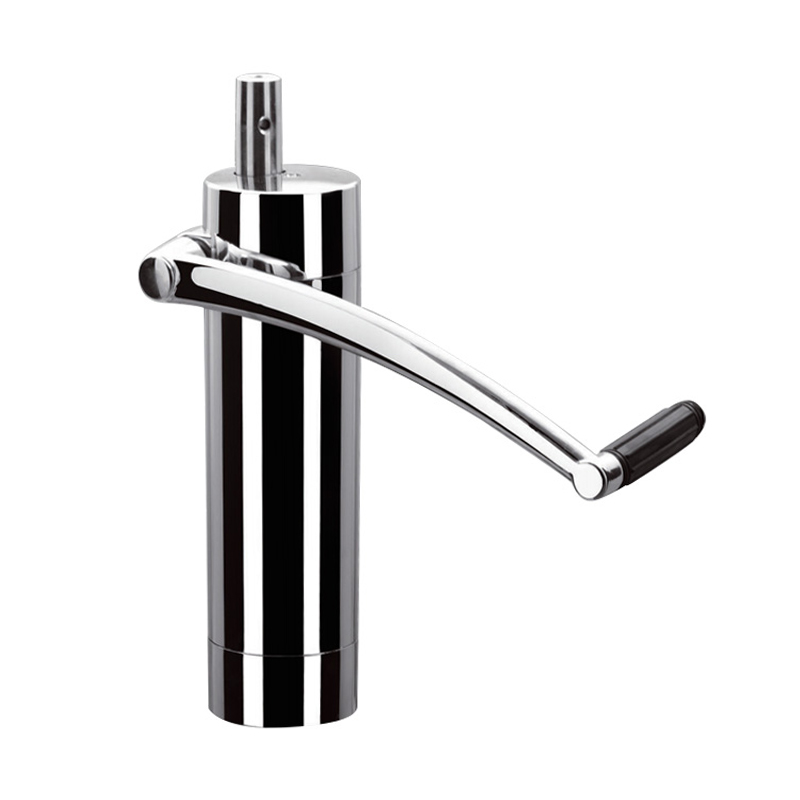
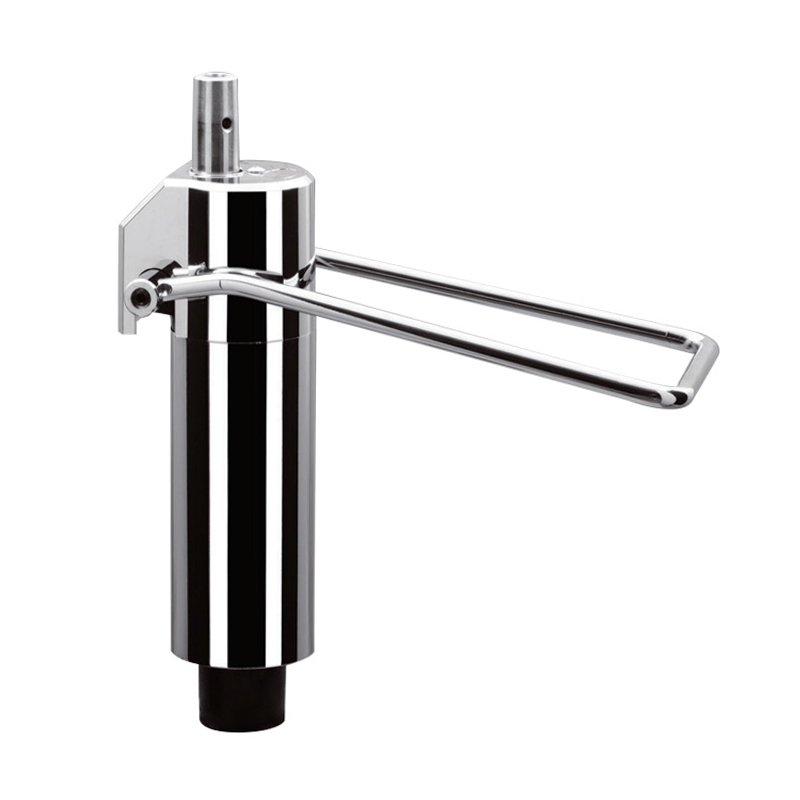
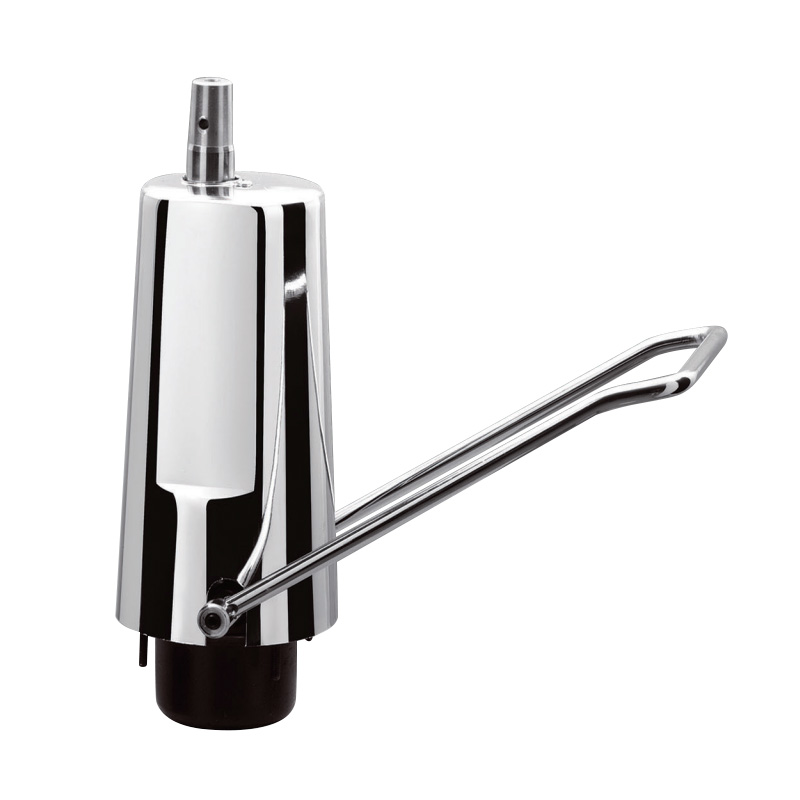
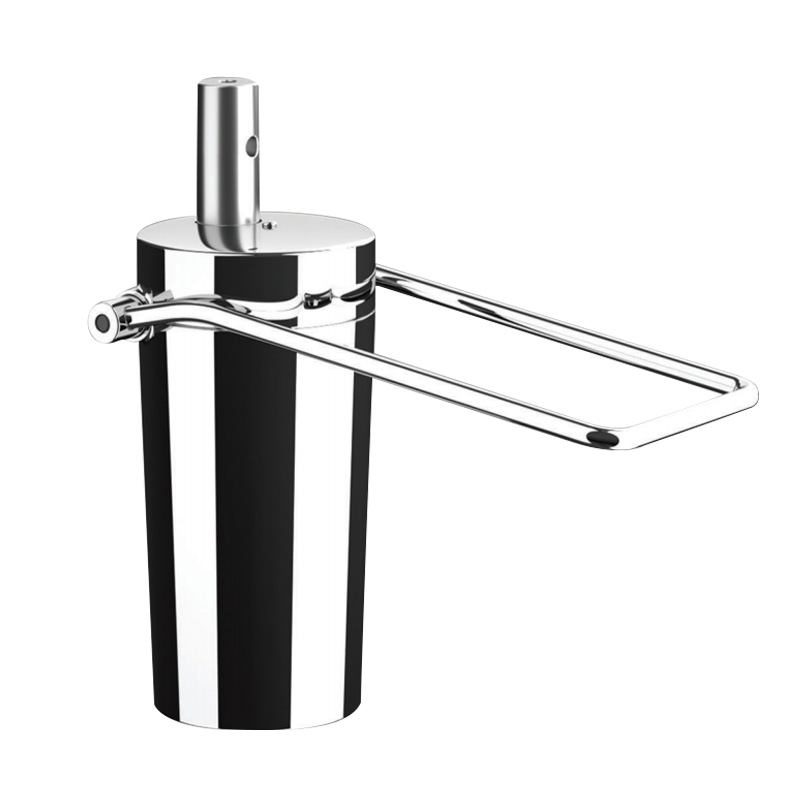
Salon chair hydraulic pumps provide convenient height adjustment and support, but they also have several limitations that users should understand. One common shortcoming is the potential for hydraulic leakage. Over time, seals and internal components may wear, oil seepage. Leakage can reduce lifting efficiency and create a mess in the salon environment. If left unattended, it may also damage the chair's appearance and increase maintenance costs.
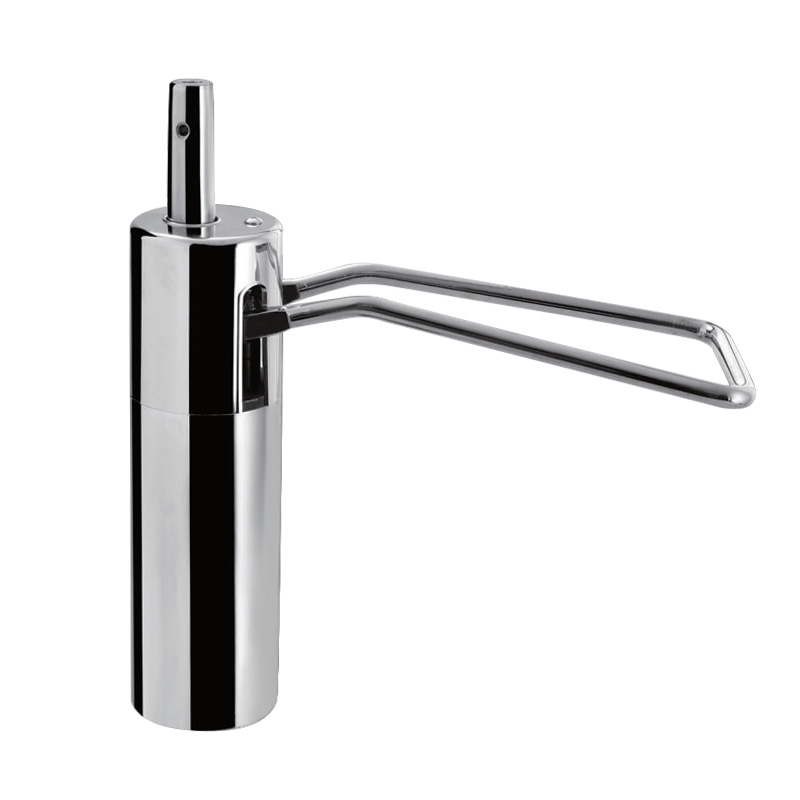
Hydraulic pumps are designed for repeated operation, but continuous, high-frequency use can accelerate wear. In busy salons, chairs may be adjusted dozens of times per day, which increases stress on the cylinder and seals. This can result in decreased lifting performance or sudden failure.
Noise and vibration are additional concerns. Some lower-quality pumps produce noticeable noise during operation, which may affect the salon atmosphere. The pump's performance may also be affected by temperature. In colder environments, hydraulic oil can thicken, causing slower response or reduced lift height.
Hydraulic pumps require proper installation and regular maintenance. Incorrect assembly or poor lubrication can bring about premature failure. While hydraulic pumps are convenient, these limitations should be considered when selecting and maintaining salon chairs.
Salon Chair Hydraulic Pump: How to Understand It Correctly?
To understand salon chair hydraulic pumps correctly, it is important to view them as mechanical systems that convert manual input into controlled motion. The following points provide a clear and structured explanation:
A Hydraulic Pump Is a Controlled Lifting Mechanism
The pump uses hydraulic fluid to generate pressure within a cylinder. When the foot pedal or lever is activated, the fluid pressure raises or lowers the chair smoothly.
It Relies on Seals and Fluid Integrity
The pump's performance depends on the condition of internal seals and hydraulic fluid. Any leakage or contamination can reduce lifting efficiency.
It Is Designed for Repeated Adjustment
Hydraulic pumps are suitable for frequent height changes. However, they are not maintenance-free and require periodic inspection to ensure stable operation.
Performance Is Affected by Load and Usage Frequency
The load capacity should not be exceeded. Frequent heavy use increases wear, which may shorten service life.
Temperature Influences Operation
Hydraulic fluid viscosity changes with temperature. In low temperatures, the pump may respond more slowly; in high temperatures, fluid may thin and affect stability.
Replacement Is Possible Without Changing the Entire Chair
Many salon chairs allow hydraulic pump replacement, which can extend the chair's usable life and reduce overall costs.
Understanding these aspects helps users set realistic expectations and maintain hydraulic pumps effectively.
Hydraulic Pump Maintenance and Practices
Proper maintenance is essential to extend the life of a salon chair hydraulic pump. Regular cleaning prevents dust and debris from entering the pump mechanism, which can damage seals and internal components. Lubricating moving parts and inspecting the base and mounting bolts ensures stable operation and reduces vibration.
It is also important to monitor for signs of wear, such as slow lifting, uneven movement, or oil seepage. Early detection allows timely repair or replacement before failure occurs. Many manufacturers recommend periodic inspection intervals based on usage frequency.
When replacing hydraulic fluid or performing repairs, using compatible hydraulic oil is critical. Using the wrong fluid can affect viscosity and sealing performance, potentially causing malfunction. If a hydraulic pump is replaced, it should be installed and tested by a qualified technician to ensure correct alignment and secure mounting.
Selection Considerations for Salon Chairs
When choosing a salon chair with a hydraulic pump, buyers should consider several practical factors. Load capacity is one of the important. Chairs should be selected based on the expected client weight to avoid overloading the pump. A chair with a higher load rating may cost more initially but can reduce maintenance issues and improve durability.
Higher-quality pumps typically offer smoother operation, lower noise, and longer service life. Chairs with easily replaceable pumps provide cost advantages over time, as the pump can be serviced without replacing the entire chair.
The working environment should be considered. In salons with cold air conditioning or located in cooler climates, pumps with stable performance in low temperatures are preferable. Understanding these factors helps salons choose chairs that offer reliable performance and reduce long-term operating costs.