
 En
En Português
 عربى
عربى
What is the function of the base plate, and what are its key components?
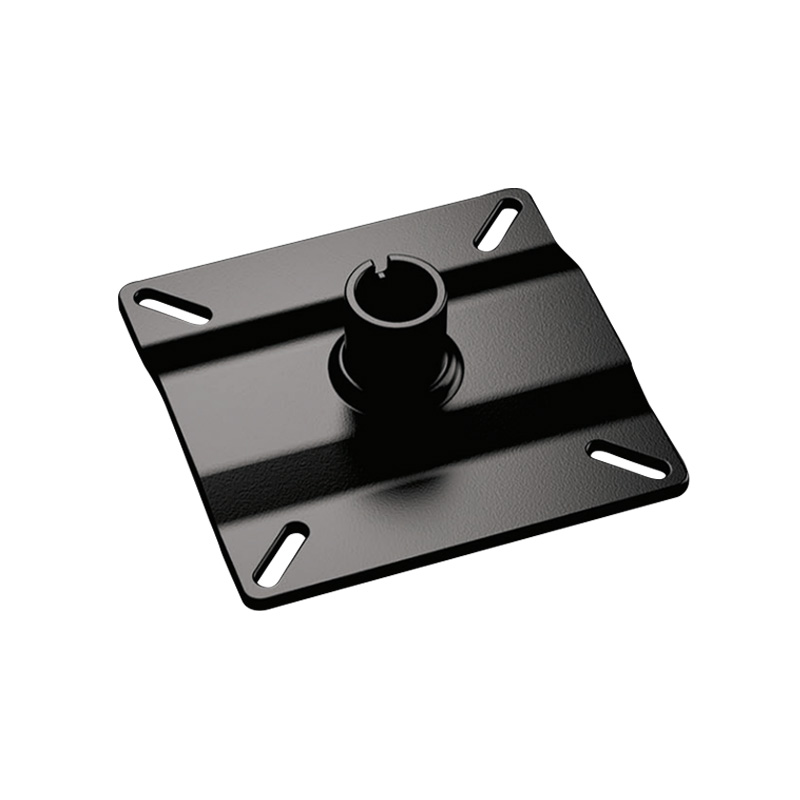
The salon chair base plate serves three primary mechanical functions within the chair's assembly. It acts as the primary mounting platform. It is bolted securely to the top of the hydraulic cylinder's piston rod or to the top of the chair's central column. Second, it provides the pivoting point for the swivel mechanism. The plate incorporates a large-diameter, hardened steel ball bearing race or a simple thrust bearing. This allows the entire seat and backrest assembly to rotate smoothly 360 degrees on top of the stationary base and column. Third, it functions as a load distribution plate. It transfers the weight of the occupant and the seat assembly down through the central column and into the chair's base and casters.
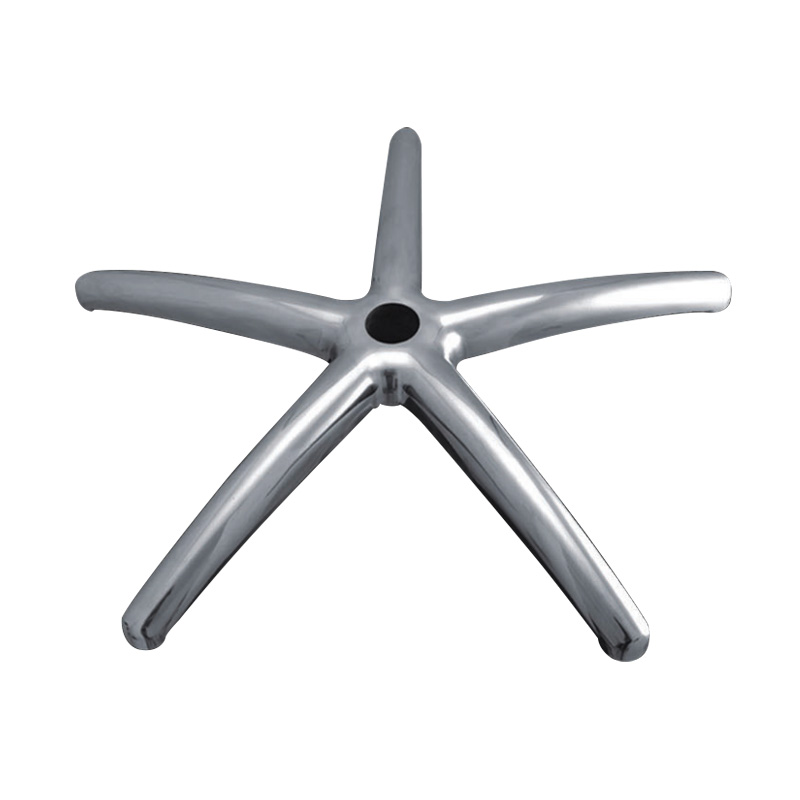
Its key components are the plate itself, usually made from cast or stamped steel; the swivel bearing assembly (either a sealed ball bearing unit or a simpler brass bushing and thrust washer system); the mounting holes for attaching to the column; and the threaded studs or mounting points on its upper surface, which secure the seat frame and the chair's tilt mechanism, if present.
What are the common signs of a failing or damaged base plate?
Failure usually manifests through observable operational problems and physical symptoms. The common sign is excessive play or wobble in the chair seat. When the chair is unoccupied, pushing or rocking the seat side-to-side may reveal lateral movement that indicates worn bearings or loosened mounting hardware. A related symptom is difficult or grinding swivel action. Instead of rotating smoothly, the seat may feel stiff, catch, or emit grinding or popping noises, suggesting the swivel bearing is corroded, contaminated with hair and debris, or has failing ball bearings.
Visible damage or misalignment is a clear indicator. Cracks in the cast metal, visibly bent mounting studs, or a plate that no longer sits level on the column suggest structural compromise, often from a chair being dropped or from chronic overloading. Finally, a chair that will not stay in a raised position (hydraulic creep) can sometimes be linked to a failure at the base plate if the mounting connection to the piston rod has failed, allowing the rod to slip, though this is more often a cylinder seal issue.
Can a damaged base plate be repaired, or must it be replaced?
The approach depends on the nature of the damage and the design of the plate. In many cases, complete replacement of the base plate assembly is the standard and reliable solution. This is especially true for chairs where the swivel bearing is a sealed, non-serviceable unit pressed or welded into the plate. Replacing the entire assembly ensures all worn components are addressed with parts engineered to work together.
Targeted repair may be possible in specific scenarios. If the issue is solely loose mounting bolts, re-tightening them to the manufacturer's specification can resolve wobble. For plates with a serviceable thrust bearing (using washers and a bushing), disassembly, cleaning, lubrication, and replacement of the individual brass washer or bushing can restore smooth rotation. However, repairs involving welding cracks or straightening bent studs are generally not recommended. Such repairs can compromise the metal's integrity and create unpredictable stress points, posing a safety risk given the dynamic load the plate supports. Replacement is typically the advised course of action for any structural damage.
What precautions are necessary when replacing a base plate?
Safety and correctness are paramount during replacement. The and critical step is to completely isolate the hydraulic system from pressure. This is done by lowering the chair to its height and, following the manufacturer's procedure, releasing any residual pressure in the cylinder. Failure to do this can cause the piston rod to eject with force when the plate is unbolted, posing a serious injury hazard.
Second, proper support of the seat assembly is required. Before detaching the plate, the heavy seat and backrest must be securely supported or removed to prevent it from falling. Third, it is necessary to use the correct replacement part. Base plates are not universal; they are specific to chair models due to variations in bolt patterns, column diameters, and swivel mechanisms. Using an incorrect plate can bring about improper fit, instability, or premature failure. Finally, during reassembly, all mounting hardware must be tightened to the proper torque specification in a star pattern to ensure even clamping force and prevent warping or misalignment of the new plate.