
 En
En Português
 عربى
عربى
Origin and Early Design: Foundation of Salon Furniture
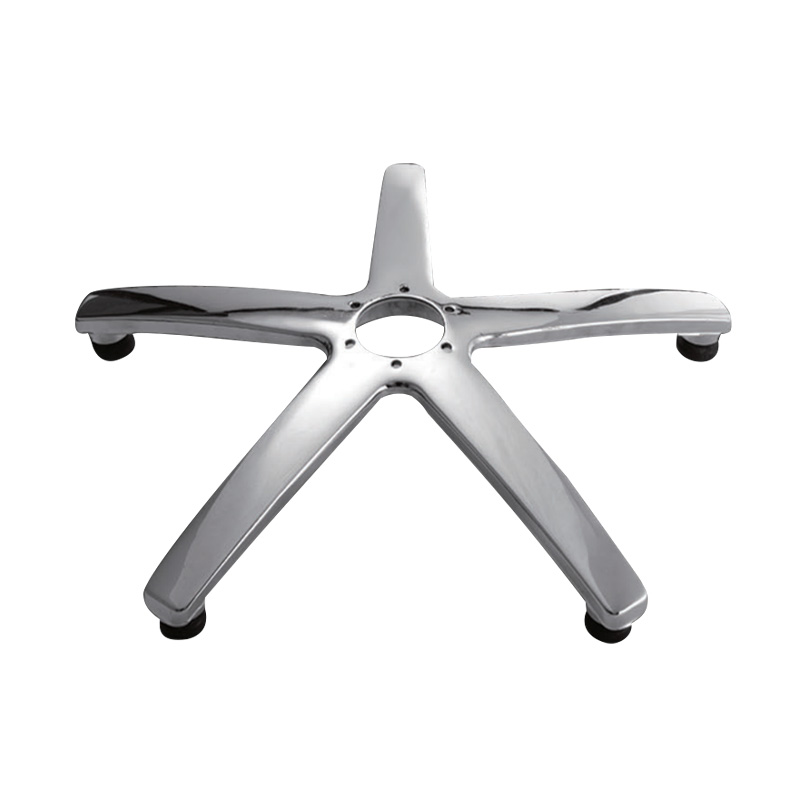
The concept of the salon chair base plate appeared alongside the rise of professional hairdressing in the 19th century. As salons began to transition from informal home setups to structured establishments, there was a need for stable and durable chairs.
Early Designs: The initial base plates were simple metal discs or square plates that provided a flat and solid surface for the chair. These plates were primarily designed to ensure that the chair did not tip over during use. Stability was a major concern because early salon chairs were often heavy and made of wood with leather upholstery.
Function: The early base plates served as the foundation of the chair, supporting the weight of both the client and the chair structure. They were fixed to the floor or incorporated with basic pivot mechanisms that allowed the chair to rotate. These early designs prioritized safety and durability over additional functionality.
Applications: Base plates were widely used in small barbershops and salons that offered cutting, shaving, and basic styling services. The simplicity of the design met the needs of the period, ensuring that clients remained stable while seated and barbers could perform their work efficiently.
Material Advancements: From Iron to Modern Alloys
Over time, the materials used for salon chair base plates underwent significant changes. Early plates were commonly made from cast iron or steel, which offered strength but also added considerable weight.
Transition to Lightweight Materials: In the mid-20th century, manufacturers began using stainless steel and aluminum alloys to produce base plates. These materials maintained strength while reducing weight, making chairs easier to move and adjust. Lightweight metals also minimized corrosion issues, extending the lifespan of the base plates.
Durability and Maintenance: Modern materials are chosen not only for their strength but also for their resistance to wear and maintenance needs. Stainless steel base plates resist rust and stains from water, cleaning agents, and hair products, which are common in salon environments. Aluminum alloys provide similar benefits while also allowing more intricate designs due to their moldability.
Aesthetic Options: Material advancements also allowed for different finishes, such as polished chrome or matte coatings, which enhance the visual appeal of the base plate while maintaining functionality.
Functional Improvements: Enhancing Comfort and Ergonomics
As salons evolved and customer expectations increased, base plates underwent functional improvements to enhance comfort, usability, and ergonomic support.
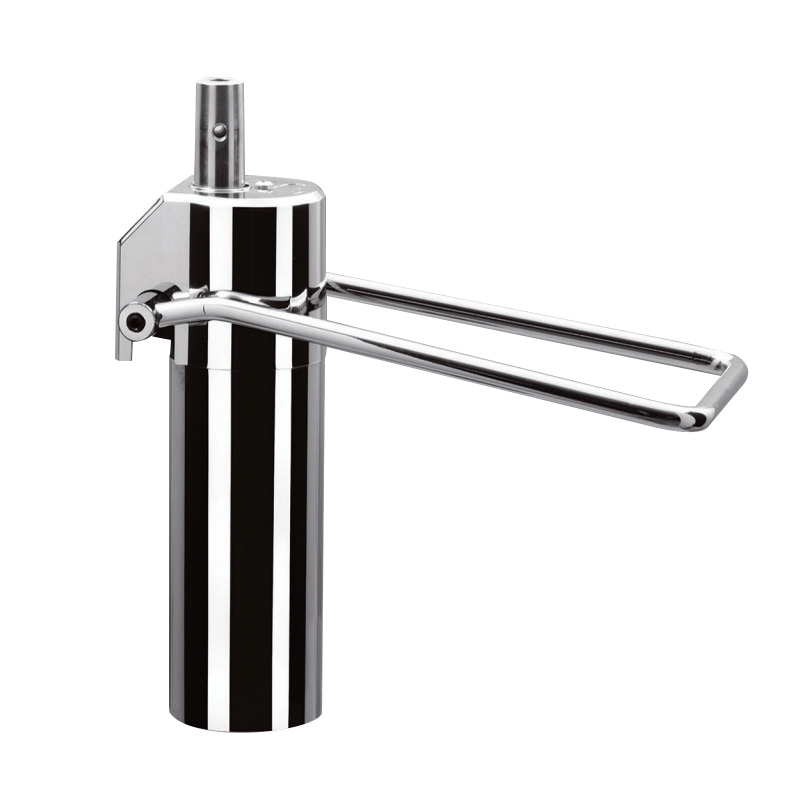
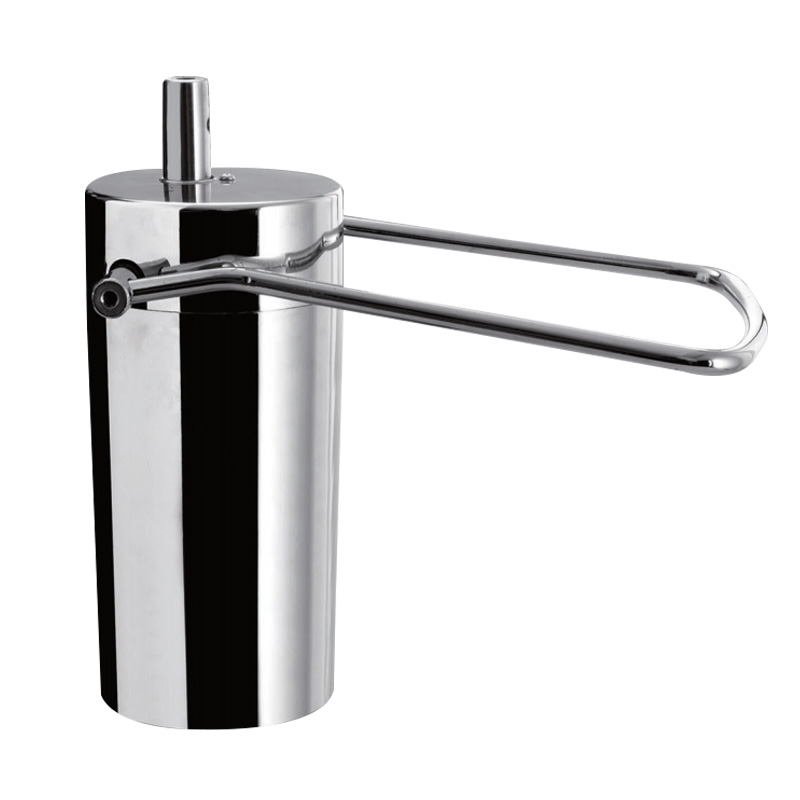
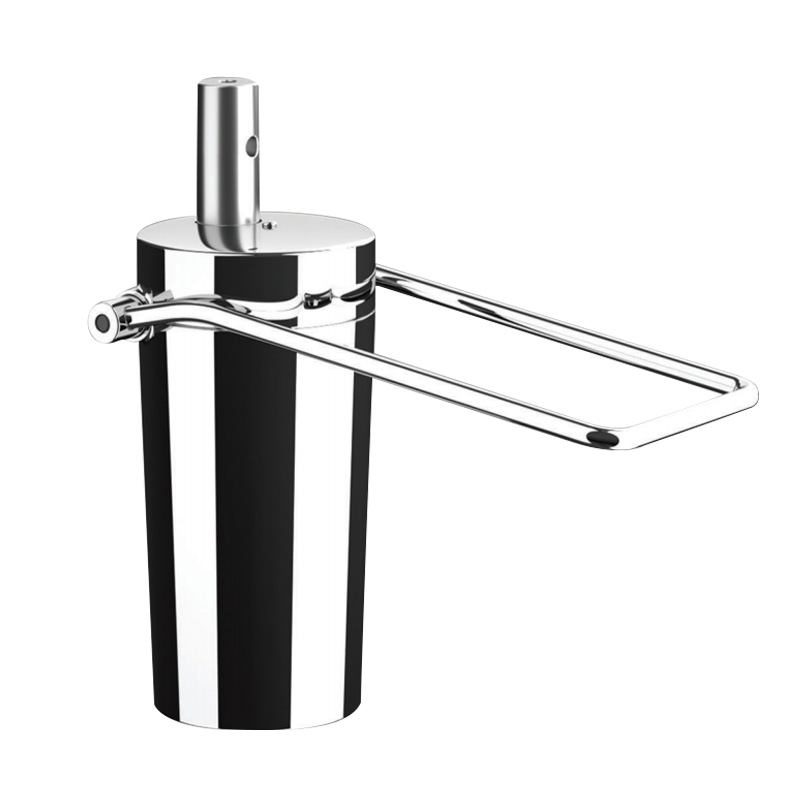
Hydraulic Integration: Modern salon chair base plates often integrate hydraulic systems, allowing smooth height adjustment. This functionality enables hairstylists to maintain ergonomic posture while attending to clients, reducing fatigue and improving efficiency.
Rotational and Tilt Features: Base plates now frequently include swivel mechanisms and tilt functions. This allows the chair to rotate 360 degrees and recline, providing better access for haircuts, coloring, and treatments. The combination of stability and mobility ensures that the stylist can work comfortably without requiring the client to shift positions repeatedly.
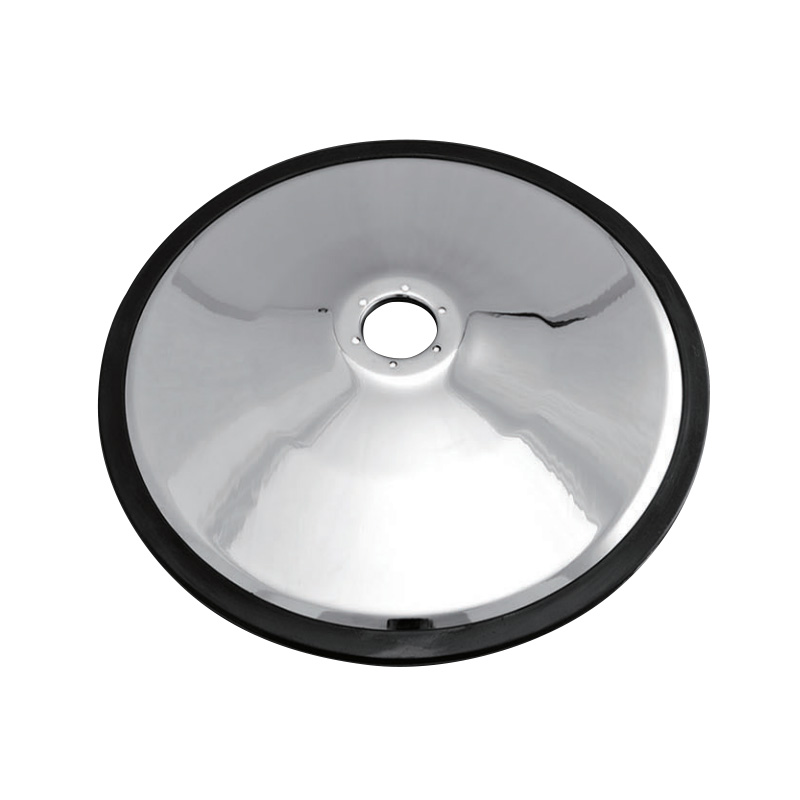
Enhanced Safety: Functional improvements also focus on stability and load distribution. Wider and heavier base plates provide a low center of gravity, reducing the risk of tipping. Non-slip coatings or rubberized surfaces on the bottom prevent movement during use, further increasing safety.
Modern Adaptations: Design and Versatility in Contemporary Salons
In contemporary salons, the design and versatility of base plates have become as important as their functionality. Modern base plates are tailored to meet both aesthetic and operational requirements.
Design Integration: Today's base plates are designed to complement the overall chair design, including matching colors, finishes, and shapes. Circular, square, and decorative patterns are common, enhancing the visual appeal of the salon environment.
Customization and Modularity: Many modern base plates are modular, allowing them to accommodate different chair models or adjustable components. This flexibility is particularly useful in salons with varied services, as chairs may need to support cutting, washing, coloring, and styling.
Sustainability Considerations: Manufacturers have also begun using environmentally friendly materials and processes in base plate production. Recyclable metals and coatings that reduce environmental impact are increasingly common, reflecting the broader sustainability trend in salon equipment.