
 En
En Português
 عربى
عربى
Mechanism and Functionality
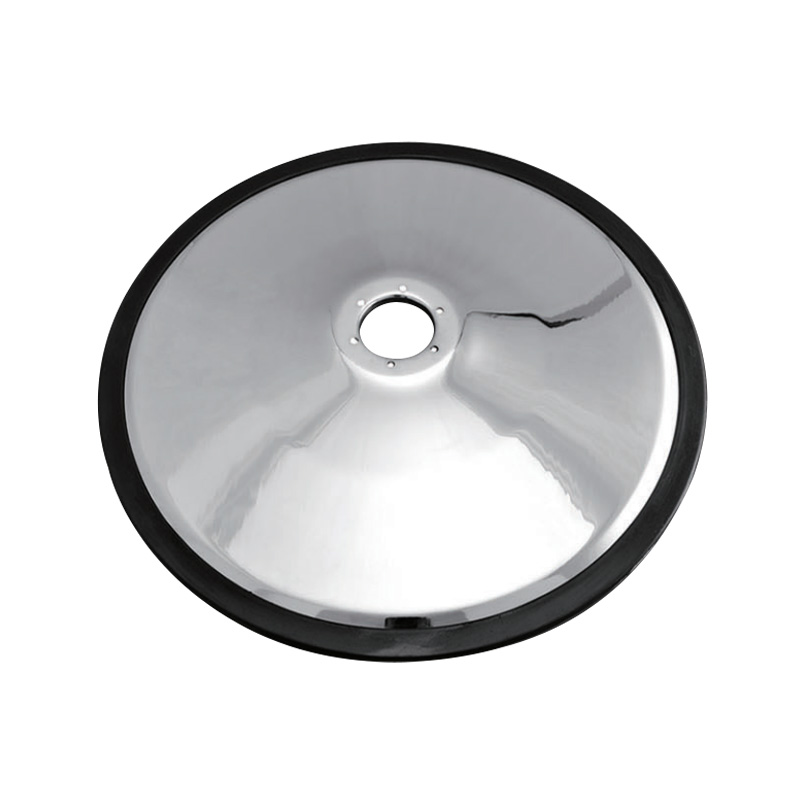
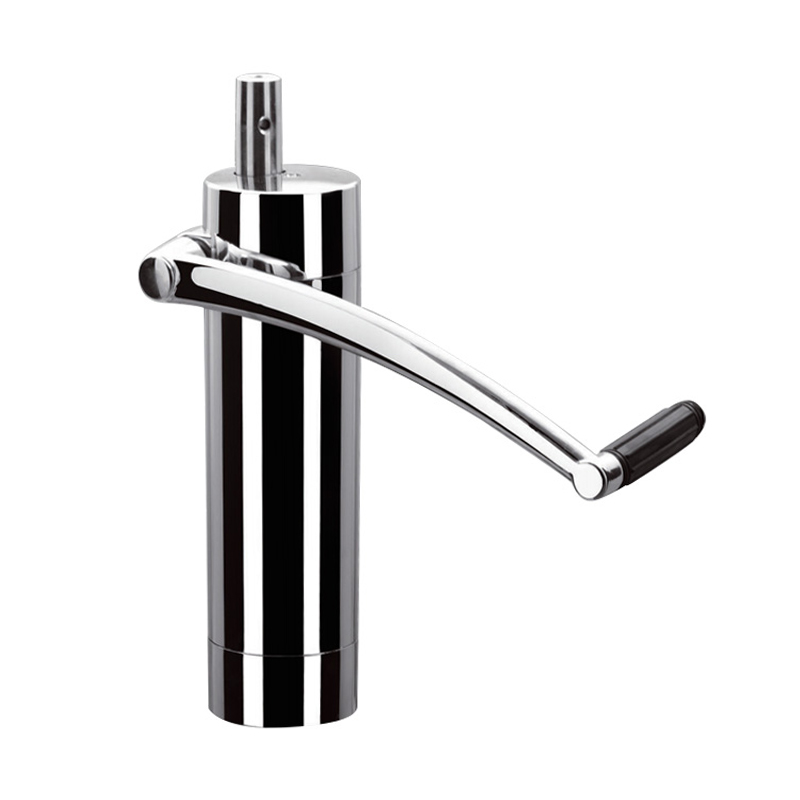
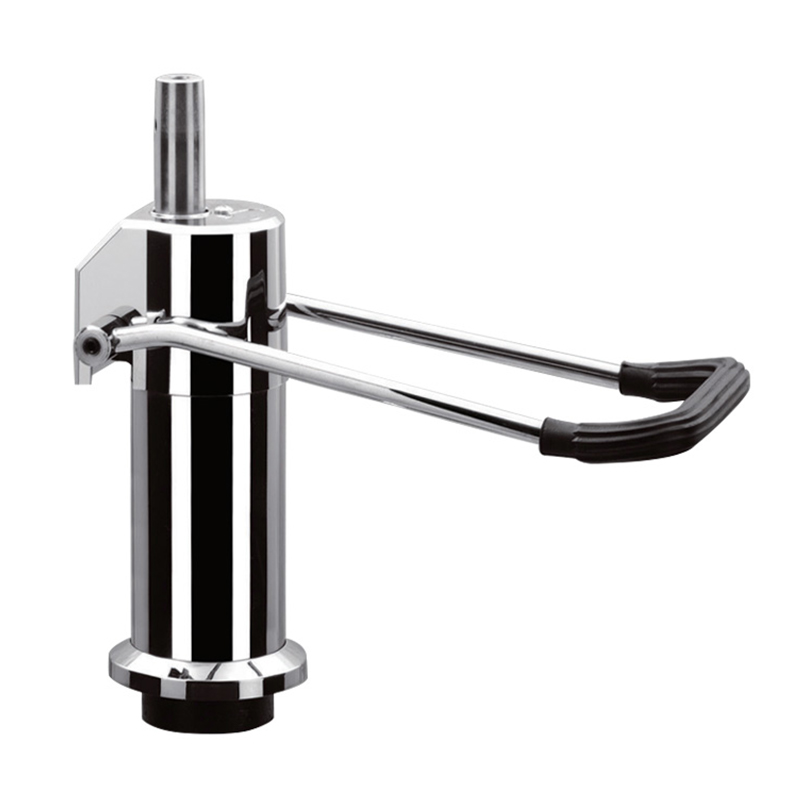
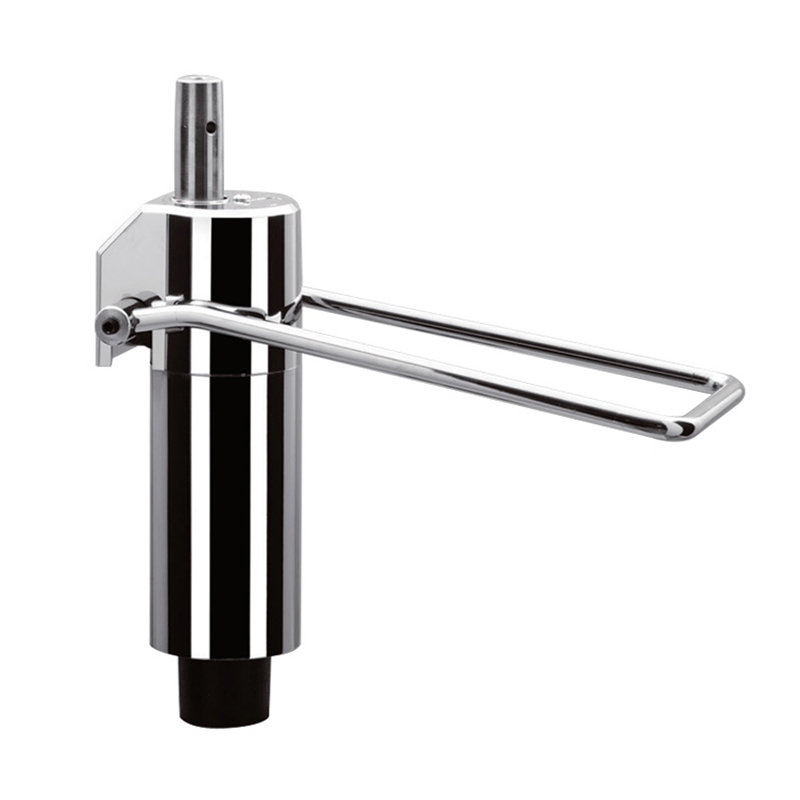
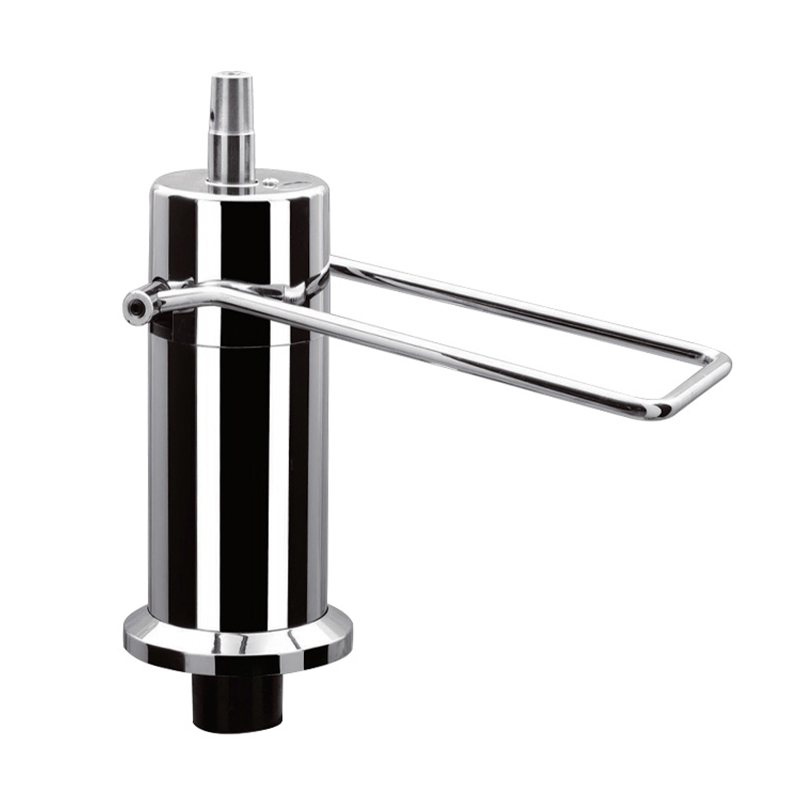
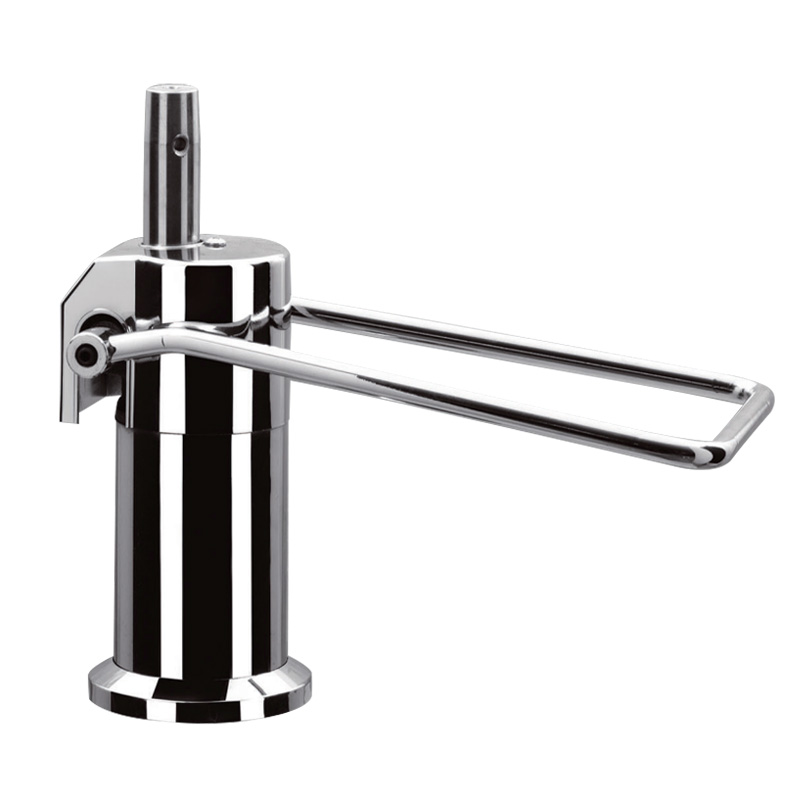
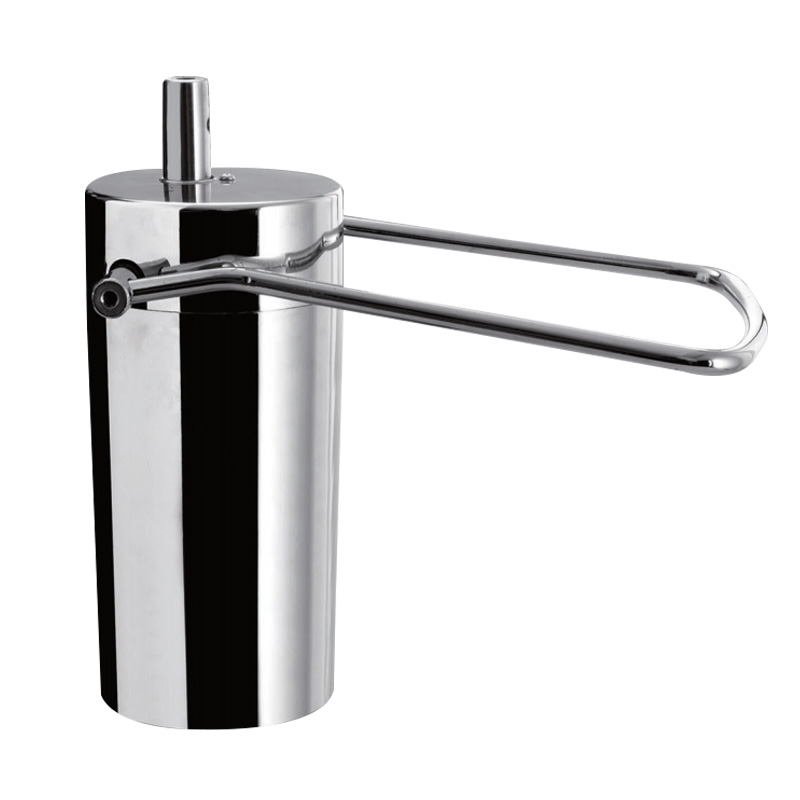
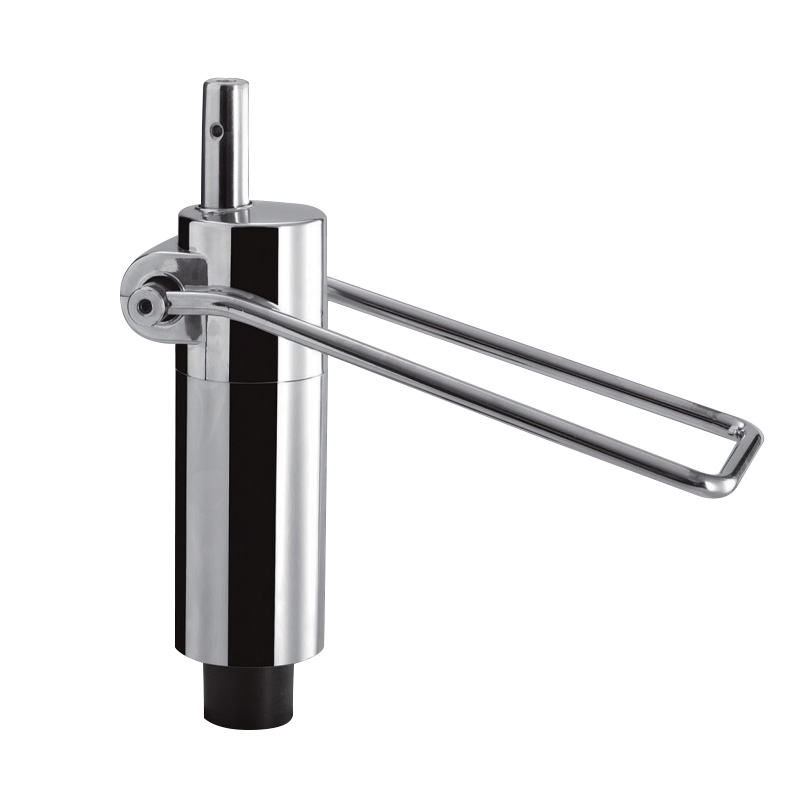
Barber Chair Base operate using a hydraulic pump system, which allows smooth and gradual adjustment of chair height. Stylists can change the chair's height simply by pressing a foot pedal, providing precise positioning for cutting, coloring, or styling. This mechanism supports continuous adjustments and allows the chair to return to a stable position even under varying loads.
In contrast, fixed bases do not allow any height adjustment. While they provide stability, they may require the stylist to adjust their posture or use footrests to accommodate client height. Pneumatic bases, on the other hand, use compressed air or gas cylinders for height adjustment. They are lighter and easier to operate but may provide less precise control and can be affected by pressure loss over time. Compared to these alternatives, hydraulic bases offer a balance of stability and adjustable functionality.
Stability and Weight Support
Hydraulic bases are designed to provide strong support for clients of varying weights. The weight distribution and solid construction of these bases reduce the risk of tipping or wobbling, even during dynamic salon activities such as hair washing or blow-drying. This stability ensures a safer and more comfortable experience for clients.
Fixed bases also offer stability, but without the flexibility of height adjustment, they may not be as convenient for stylists. Pneumatic bases provide moderate support but may be less durable under heavy or frequent use, especially if the cylinder or seals deteriorate over time. Hydraulic bases generally maintain stable performance over longer periods, making them suitable for high-traffic salon environments where reliability is important.
Durability and Maintenance
Hydraulic bases are constructed from robust metals and high-quality components designed to withstand daily use. The hydraulic pump and seals can require periodic maintenance, such as lubrication and inspection for leaks, but overall, the structure is durable and long-lasting when properly cared for.
Fixed bases have minimal mechanical parts, which reduces maintenance needs but also limits flexibility. Pneumatic bases are lighter and simpler but may require replacement of gas cylinders or seals if performance declines. Hydraulic systems, while slightly more complex, offer predictable longevity when maintained correctly. Regular checks on screws, bolts, and hydraulic fluid help maintain functionality and prevent sudden failures.
Comfort and Usability
Hydraulic bases improve comfort for both clients and stylists. Clients benefit from smooth height adjustments that allow them to remain in a comfortable position throughout their service. Stylists can adjust the chair to their preferred working height, reducing strain on their back and arms during extended use.
Fixed bases may force stylists to adapt their posture, which can fatigue during long working hours. Pneumatic bases provide easier height adjustment but may not offer the same level of precise control or stability as hydraulic systems. In comparison, hydraulic bases combine adjustability with consistent performance, which contributes to ergonomic efficiency and client satisfaction in professional salon settings.
The hydraulic mechanism allows precise control of chair height, enhancing usability for stylists and comfort for clients. Their solid construction provides reliable weight support, while regular maintenance ensures long-term durability. In contrast, fixed bases prioritize stability at the cost of adjustability, and pneumatic bases offer lightweight, moderate adjustment with some limitations in precision and longevity. Understanding these differences helps salon operators select chair bases that meet the functional and ergonomic requirements of their workspace, supporting effective and comfortable service delivery.