
 En
En Português
 عربى
عربى
A stylist pausing mid-haircut because the chair wobbled slightly when she leaned the client back for a shampoo rinse knows exactly why base stability matters more than it gets credit for. A salon chair can look stable when it's standing still, sitting empty in the middle of a quiet shop floor. The real test comes when the chair gets adjusted, occupied, rotated, or used repeatedly during a busy working day packed with appointments back to back.
The base system has a genuinely important role in this experience. It supports the chair, connects the seat structure with the floor, and works with the hydraulic adjustment system whenever the chair height changes mid-service.
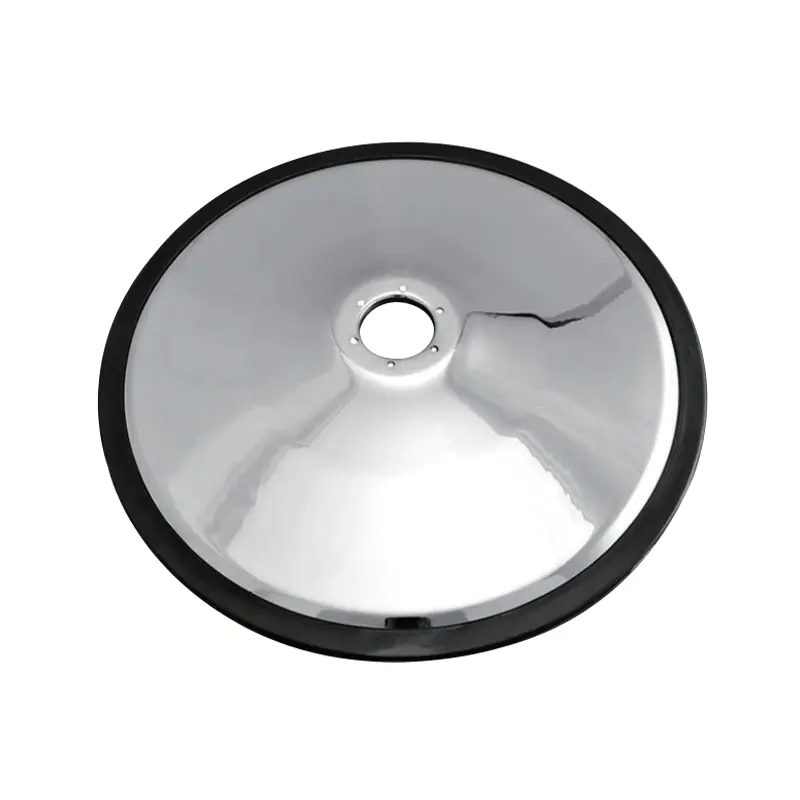
When stability becomes inconsistent, the cause may not be obvious at first glance. A loose connection, uneven installation surface, poor weight distribution, or wear in a supporting component can gradually change how the chair feels, sometimes so slowly nobody notices until it's a real problem.
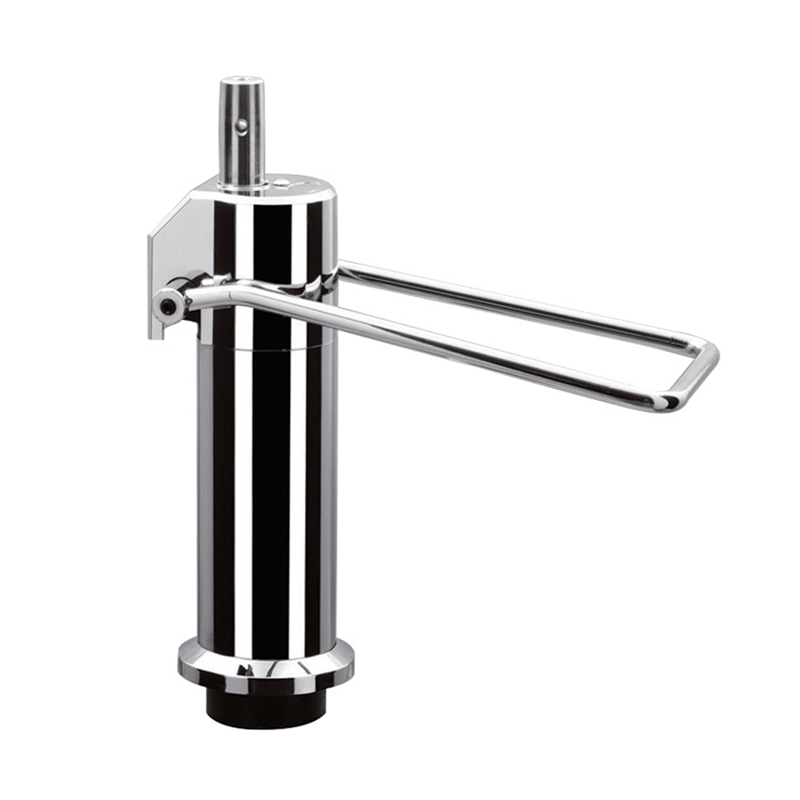
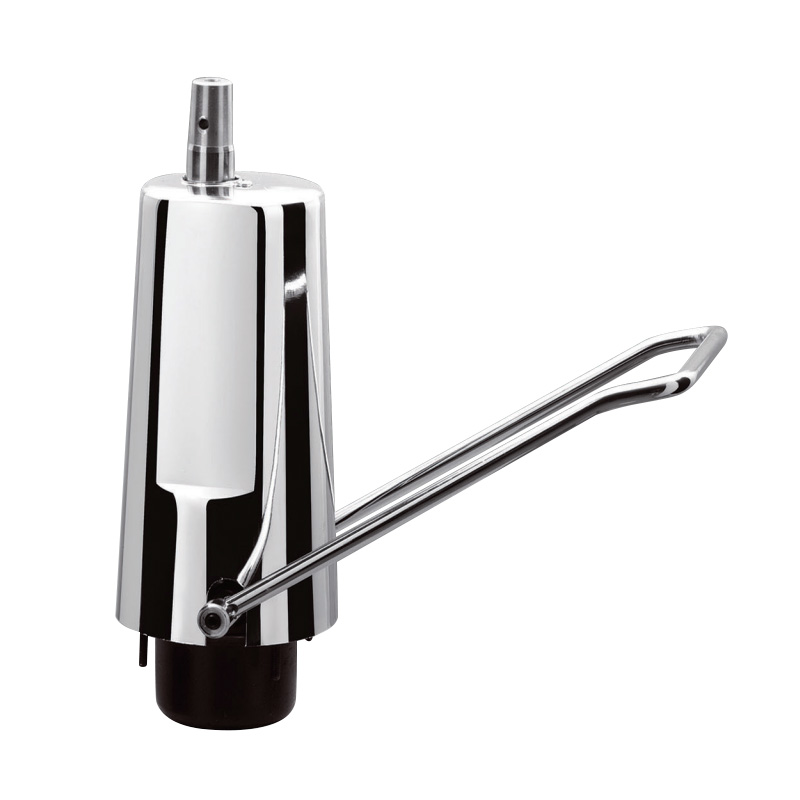
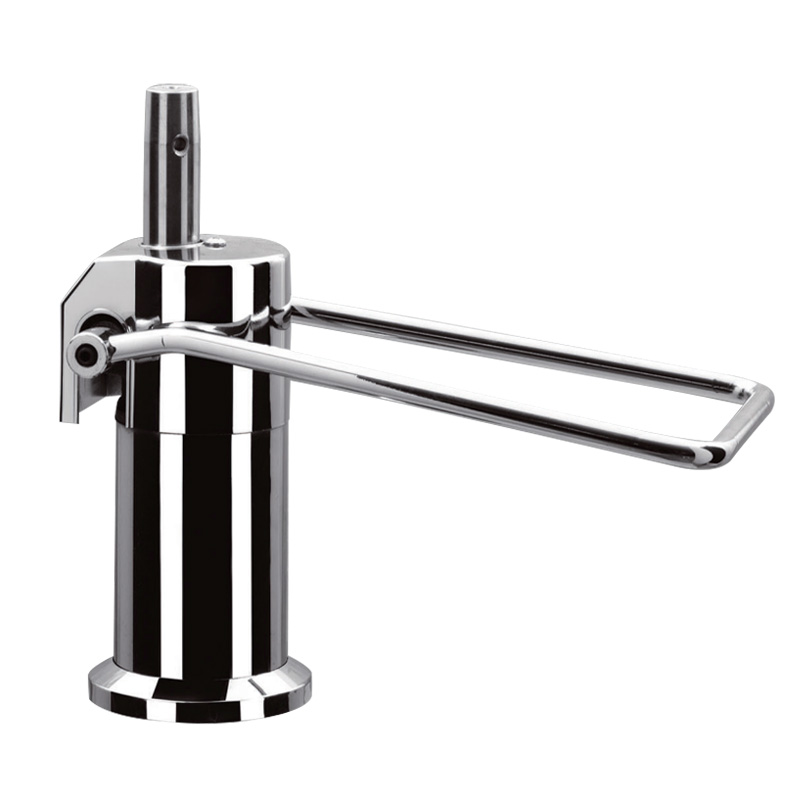
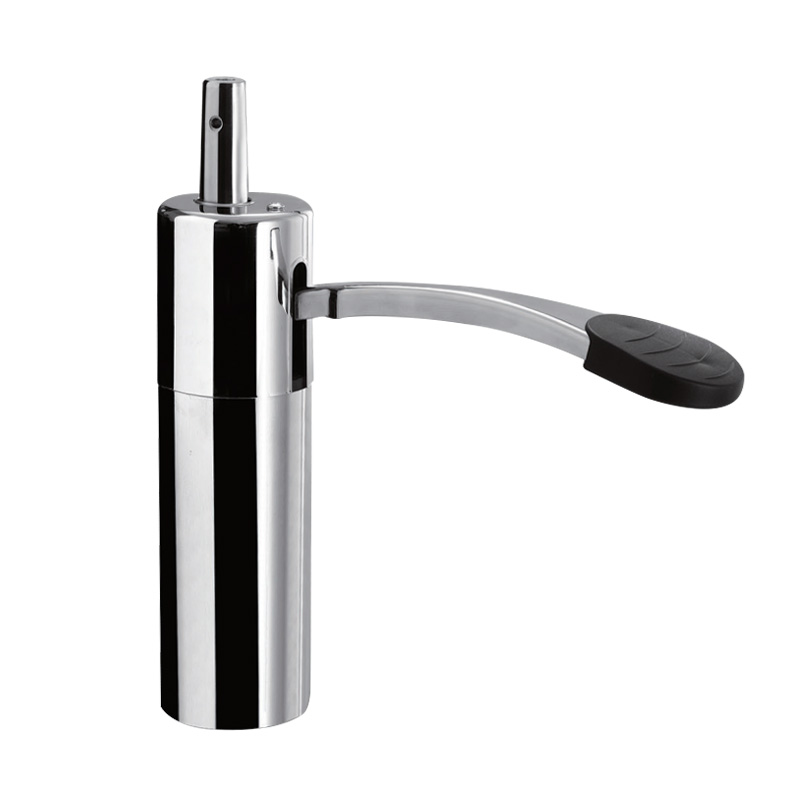
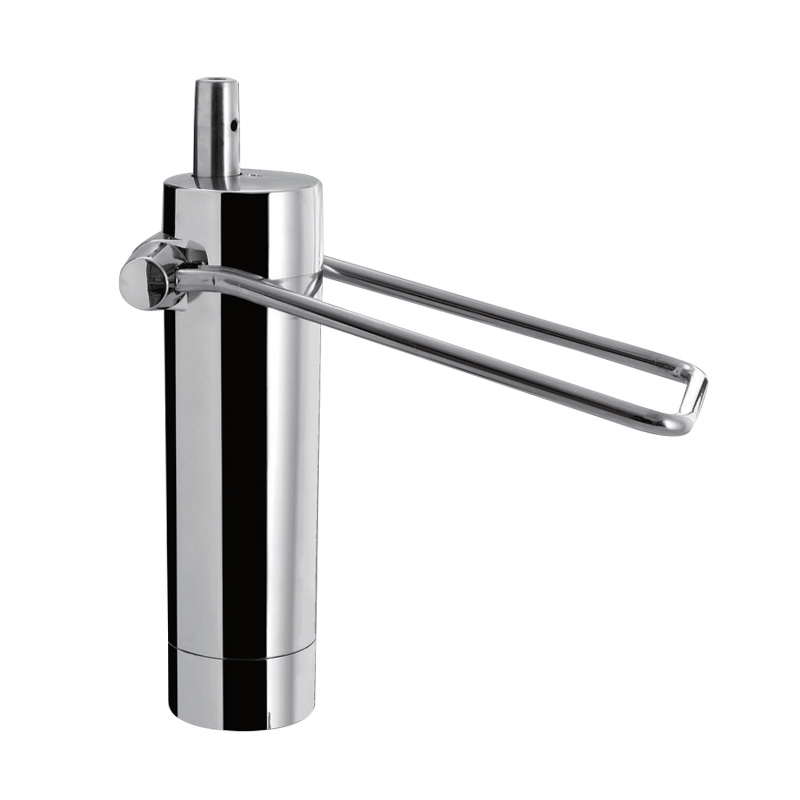
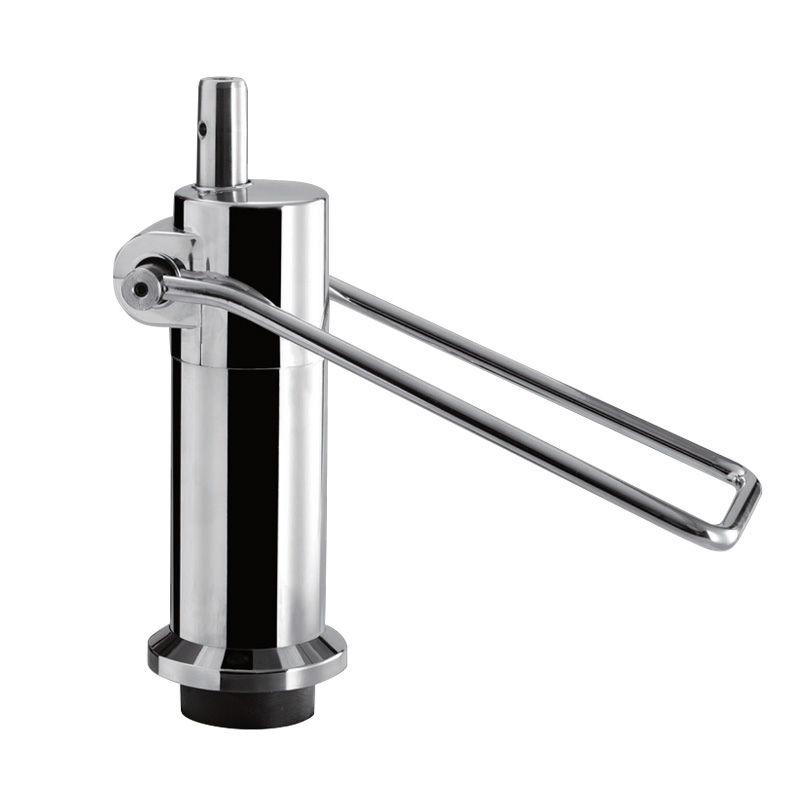
The Salon Chair Hydraulic Base is therefore more than a support underneath the seat, more than something to glance past on a spec sheet. Its design and installation affect how the chair responds during everyday salon work, service after service.
Understanding these factors can help salon owners, installers, and equipment suppliers identify potential stability problems and choose suitable replacement or new components before a client notices something's off.
How the Base Structure Affects Chair Stability
The base provides the main support between the chair and the floor, carrying everything above it through a single contact point with the ground. A well-matched structure should distribute the chair's weight in a practical way across its footprint, and it should also remain secure when the chair is adjusted or rotated during a service, not just when it's sitting still.
Different base designs can produce genuinely different handling characteristics once a client's actually seated, since the same overall shape can behave quite differently depending on how its internal parts are arranged.
A base may include several connected parts working together, each contributing something specific to the final result.
| Component | General Role |
|---|---|
| Base body | Supports the chair structure |
| Hydraulic connection | Links height adjustment with the chair |
| Mounting area | Connects the base with the seat assembly |
| Floor contact area | Transfers weight to the floor |
| Rotation components | Allow controlled chair movement |
Each part contributes to the overall experience felt through the seat, and none of them really works in isolation from the others. If one connection is loose, the effect may get felt across the entire chair, not just localized to that spot. A small amount of movement at the base can become a lot more noticeable when a client sits down or the chair gets rotated toward the mirror.
The shape of the base also matters quite a bit here, since geometry influences how weight actually spreads across the floor. A structure that provides broad and balanced floor contact can help distribute weight more evenly across the footprint. The surrounding floor condition remains genuinely important as well, since even a suitable base can feel unstable when installed on an uneven or unsuitable surface underneath it.
Can a Barber Chair Base Plate Cause Movement?
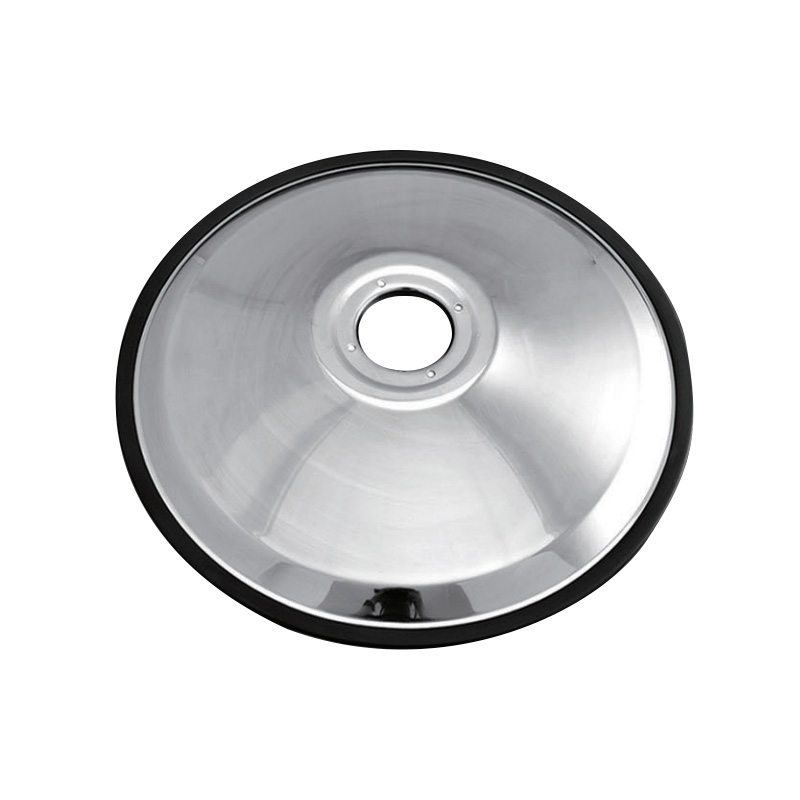
The Barber Chair Base Plate connects important parts of the chair structure together, forming a critical link in the whole assembly that often goes unnoticed until something goes wrong. Its position and condition can influence how securely the upper chair assembly gets held throughout normal use, which makes it a lot more important than its size might suggest.
During installation, the plate needs to sit correctly against the intended mounting surfaces without gaps or misalignment. If the connection isn't secure from the start, the chair may develop movement that becomes genuinely noticeable during daily use over weeks of appointments.
Potential causes include:
- Loose mounting points
- Incorrect positioning
- Uneven contact surfaces
- Worn connection areas
- Improper installation
- Mismatched components
These problems may not be obvious immediately, which is part of what makes them tricky to catch before they grow into something bigger. A chair can appear completely normal when empty but move quite differently once occupied by a client's actual weight. Repeated use can make a small installation issue a lot more noticeable over time, snowballing from something barely perceptible into an obvious wobble.
This is why the base plate shouldn't get treated as a minor component tucked away and forgotten under the seat. Its connection with the chair structure should remain stable during normal adjustment and movement, service after service.
When replacing a Barber Chair Base Plate, compatibility with the existing chair structure should also get considered carefully. A component that looks similar sitting on a shelf may not necessarily fit the mounting arrangement correctly once it's actually installed.
How Weight Distribution Influences Stability
A salon chair carries weight across different areas simultaneously, not just one central point beneath the seat cushion. The client sits in the seat, while the backrest, armrests, and other components extend around the central support structure holding everything together as a unit.
The distribution of this weight changes constantly as a person sits down, leans back, or shifts position during a long service. A stable base should work with these changing loads without complaint, absorbing the shifts rather than amplifying them.
If the chair's upper structure isn't properly matched with the base beneath it, movement may become a lot more noticeable during ordinary use.
Weight distribution can be influenced by:
- Seat position
- Backrest design
- Chair height
- Client movement
- Chair rotation
- Base structure
This doesn't mean movement is always a sign of a damaged component, worth clarifying before anyone jumps to conclusions. Some movement may simply come from the chair's normal design and intended flexibility built into it. The important question is whether the movement is expected and controlled, versus unpredictable and worrying to whoever's sitting there.
Unexpected rocking, looseness, or changes in stability deserve closer inspection rather than getting waved off as normal wear. A suitable Hydraulic Barber Chair Base should support the chair structure while allowing its intended adjustments to work naturally, without introducing wobble along the way.
Why Installation Method Matters
Installation has a genuinely direct relationship with stability, more than people sometimes assume going in. Even a properly designed base can perform poorly if it gets installed incorrectly from the start, which is why the setup process deserves as much attention as the component itself.
The mounting surfaces should be clean and properly aligned before anything gets secured down. Connections should be secured according to the component design, not approximated by feel.
An uneven floor can also create real problems here. If the chair doesn't sit evenly on the floor, the base may carry weight unevenly across its contact points. This can make the chair feel unstable even when the base itself is in perfectly good condition otherwise.
A basic installation review can include:
- Check the floor condition
- Confirm that the base sits correctly
- Inspect mounting connections
- Check whether components are properly aligned
- Test chair movement after installation
- Look for unusual rocking or looseness
The installation process should also account for the chair's complete structure, not just the base in isolation from everything above it. Installing a base without considering the upper chair assembly can create a genuine mismatch between the components once everything's put together. A stable chair depends on the relationship between the floor, base, hydraulic system, and seat structure all working in concert with one another.
How Hydraulic Components Affect Stability
The hydraulic system allows many salon chairs to move up and down, adjusting for different stylists and services throughout the day without much thought from anyone using it. Although its main purpose is height adjustment, its condition can also influence how the chair feels during use more broadly than people expect.
The hydraulic components connect the chair structure with the base beneath it. If a connection becomes loose or a component develops wear, the chair may feel genuinely less stable during adjustment, even when nothing looks obviously broken on the outside.
Users may notice:
- Uneven movement
- Unusual looseness
- Changes in height control
- Unexpected movement
- Noise during adjustment
Not every unusual sensation means the hydraulic component itself is damaged, which is worth keeping in mind before replacing parts unnecessarily. The issue may come instead from the connection between the hydraulic system and the base surrounding it. This is why troubleshooting should consider the complete system, rather than isolating one part and assuming it's the culprit right away.
A Salon Chair Hydraulic Base should get evaluated together with its connected components, rather than as an isolated part sitting on its own. When the chair is adjusted, observe whether the movement remains controlled throughout the range. If the chair shifts sideways or feels unusually loose, the base and hydraulic connection should both get inspected together.
Can Long-Term Use Change Base Stability?
Repeated use naturally places stress on chair components over months and years of service, wearing at connections that started out perfectly tight. Salon chairs may be adjusted, rotated, occupied, and moved many times during their working life, day after day without much rest between clients.
These repeated actions can gradually affect connections and supporting parts in ways that build up slowly, almost invisibly at first.
Wear may appear in several different forms.
| Long-Term Condition | Possible Effect |
|---|---|
| Loose connections | Increased movement |
| Worn mounting surfaces | Less secure attachment |
| Damaged components | Irregular support |
| Accumulated debris | Poor contact between surfaces |
| Floor changes | Uneven support |
Regular inspection can help identify these changes before they escalate into bigger headaches for the whole shop. A chair doesn't need to be visibly damaged to require attention from someone paying close attention to how it moves. Small changes in movement can provide an early indication that something has shifted, even subtly beneath the surface.
Cleaning also matters more than people expect in this context. Hair, dust, and other debris can accumulate around moving and mounting areas over time, especially in a busy salon with heavy foot traffic. In some cases, this can genuinely interfere with proper contact or movement at the joints, quietly undermining stability. Routine cleaning and inspection are simple parts of equipment care that pay off over the long run.
How the Barber Chair Base Can Match Different Chair Designs
Not every salon chair uses the same structure underneath it, even within the same shop sitting side by side. A lightweight styling chair may have genuinely different support requirements from a heavier barber chair built for different services and different client weights.
The seat shape, backrest, adjustment system, and mounting arrangement can all differ considerably between models, even ones that look similar at a glance. This is why choosing a Hydraulic Barber Chair Base should involve more than checking its appearance on a shelf.
Buyers should consider:
- Chair structure
- Mounting arrangement
- Hydraulic connection
- Base shape
- Weight distribution
- Floor condition
- Intended use
A replacement base should be compatible with the chair's existing components from the outset, rather than assumed to fit based on general size. A mismatch can create genuine installation difficulties or affect how the chair handles weight once it's back in service.
Suppliers and salon equipment buyers can reduce this risk by checking the complete chair configuration before selecting a base component to order. Compatibility is particularly important when replacing only one part of an existing chair, rather than the whole unit at once.
What Signs May Indicate a Stability Problem
Stability issues can develop gradually, often without anyone noticing the early stages until they've become routine. A chair may begin with a slight movement that seems harmless at first, barely worth mentioning to a coworker. Over time, the movement may become a lot more noticeable, until it's impossible to ignore during a service.
Common signs include:
- Rocking when the chair is occupied
- Unusual side-to-side movement
- Loose connections
- Changes in rotation behavior
- Uneven height adjustment
- Visible damage around the base
- Noise from the mounting area
- A base that does not sit evenly on the floor
These signs don't identify one specific cause on their own, which is exactly why a careful look matters. They simply indicate the chair should get checked before the problem grows into something more disruptive.
A useful inspection begins with the simplest possibilities first, rather than jumping to expensive conclusions right away. Check whether the chair is positioned on an even surface. Inspect visible connections for looseness, then look at the base and mounting plate closely. Then consider the hydraulic components as a next step in the process.
This process can help prevent unnecessary replacement of parts that are actually still suitable for continued use.
How Maintenance Can Support Long-Term Stability
Maintenance doesn't need to be complicated to actually work in a busy salon environment. The most useful habits are often simple and consistent, done regularly rather than as a crisis response after something's already gone wrong.
Cleaning the base area prevents debris from interfering with contact surfaces over time. Checking connections can reveal looseness before it becomes a genuinely larger issue down the road that requires more extensive repair.
Operators can also pay attention to changes in how the chair moves during normal use throughout the week, since they're the ones sitting closest to it every day. A chair that previously felt stable but begins rocking deserves attention right away, rather than getting dismissed as imagination or bad luck.
Routine maintenance may include:
| Maintenance Activity | Purpose |
|---|---|
| Clean the base | Keeps contact areas clear |
| Inspect connections | Identifies looseness |
| Check the floor | Helps confirm even support |
| Observe hydraulic movement | Detects unusual changes |
| Inspect the base plate | Looks for wear or damage |
| Test chair movement | Confirms normal operation |
Maintenance should follow the component manufacturer's care recommendations where those are available and clearly laid out for the equipment in question. If a structural or hydraulic component appears damaged, professional inspection may be appropriate rather than attempting a workaround at the shop level. Trying to compensate for a damaged base by repeatedly tightening unrelated components can sometimes hide the actual cause, delaying a proper fix while the underlying issue keeps developing.
How Buyers Can Choose a Suitable Salon Chair Hydraulic Base
Selecting a replacement or new base should begin with the chair itself, not the base catalog first, since the chair's own structure sets the real requirements. The base needs to match the chair's mounting arrangement and hydraulic structure precisely, without room for guesswork.
Its physical design should also suit the expected weight distribution and working environment it'll actually serve day to day.
A simple selection process can focus on several questions:
- Is the base designed for the chair type?
- Does the mounting arrangement match?
- Is the hydraulic connection compatible?
- Does the base provide suitable floor contact?
- Is the structure appropriate for repeated salon use?
- Can the component be inspected and maintained easily?
- Does the installation method suit the existing chair?
The Barber Chair Base Plate should also get considered when it's part of the connection between the base and chair, since it often gets overlooked in favor of the bigger, more visible components. A compatible combination is a lot more useful than selecting a base based only on its appearance in a catalog photo.
For salon owners, stability affects more than equipment comfort alone. It can influence how easily stylists work around the client and how confidently the chair can be adjusted mid-service without hesitation or awkward pauses.
For suppliers, understanding the relationship between the Salon Chair Hydraulic Base, hydraulic components, mounting plates, and chair structure can make product selection a lot more practical for everyone involved in the buying decision. The base may sit beneath the chair, out of sight most of the time, but its condition and installation influence nearly every movement the chair makes during everyday salon use.