
 En
En Português
 عربى
عربى
Anyone who has sat in a barber chair while the stylist pumps a foot pedal knows the moment well. The chair rises with a smooth, controlled motion, settles at the right height, and the cut begins. That brief lift feels simple from the customer's seat, but underneath the upholstery sits a base doing quiet, continuous work to make that motion feel effortless rather than jerky.
Height adjustment shapes both the barber's working posture and the customer's comfort throughout the appointment. A chair that rises unevenly or hesitates mid-motion forces the stylist to compensate with awkward bending or repeated repositioning of the customer, and that friction adds up over a full day of appointments.
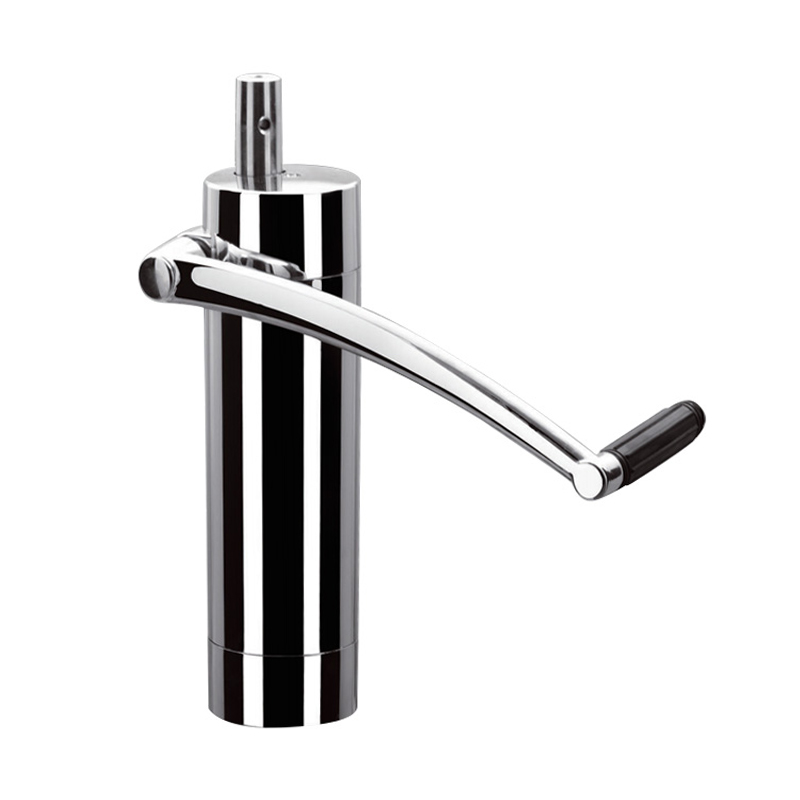
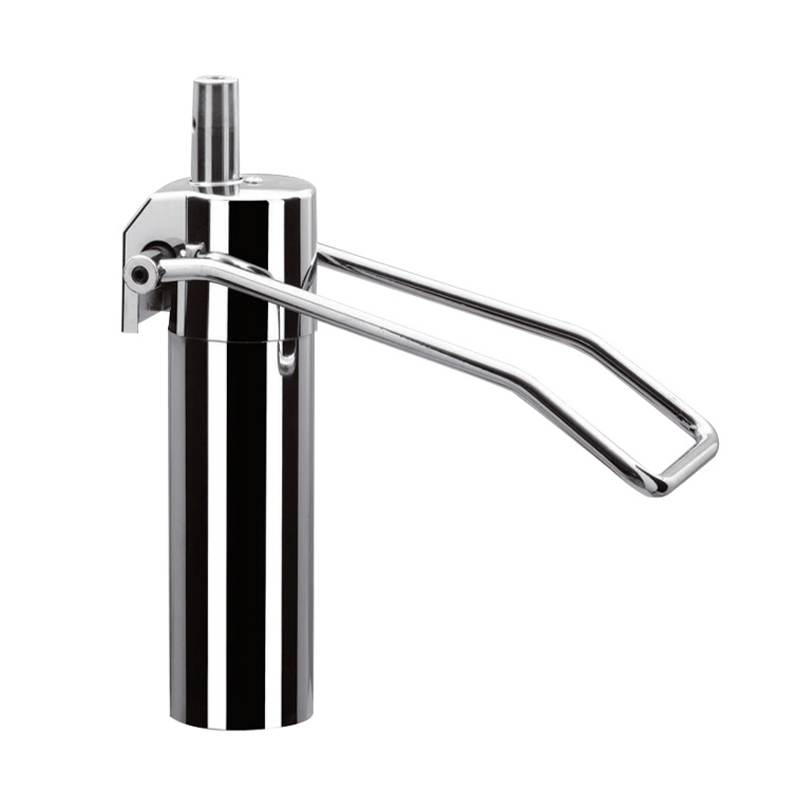
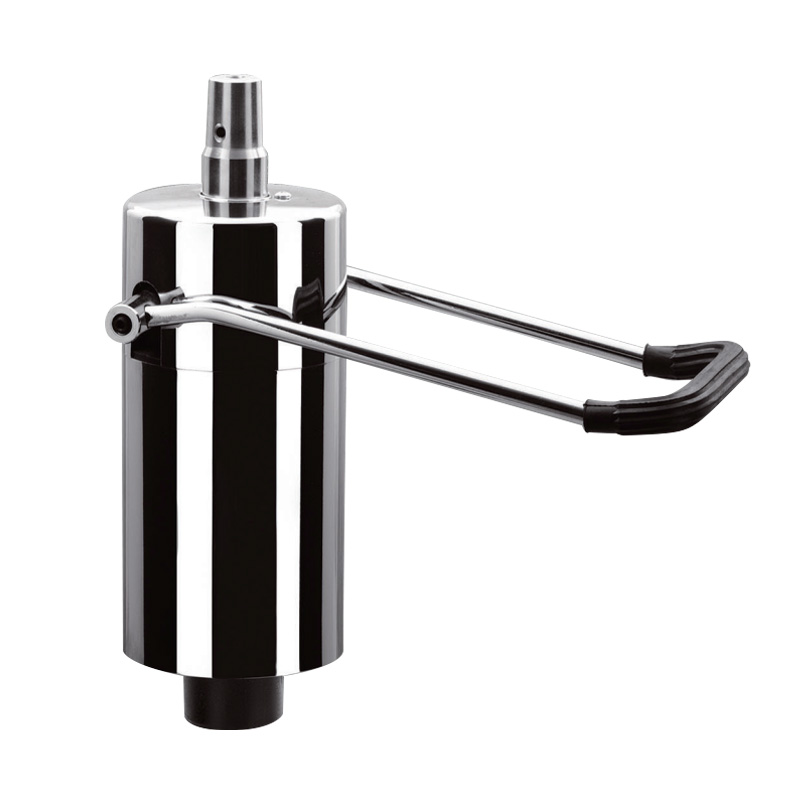
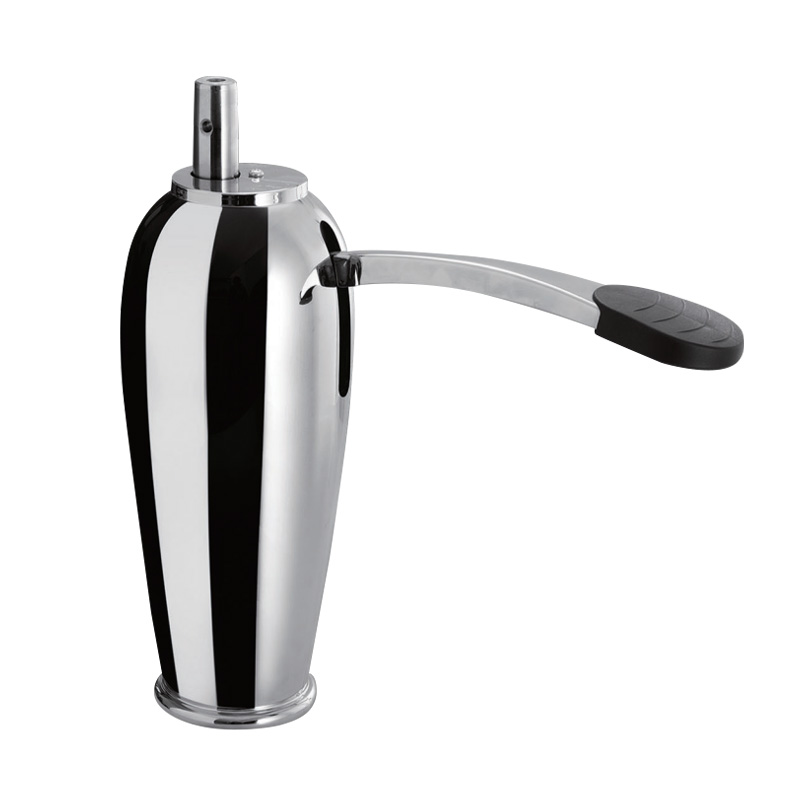
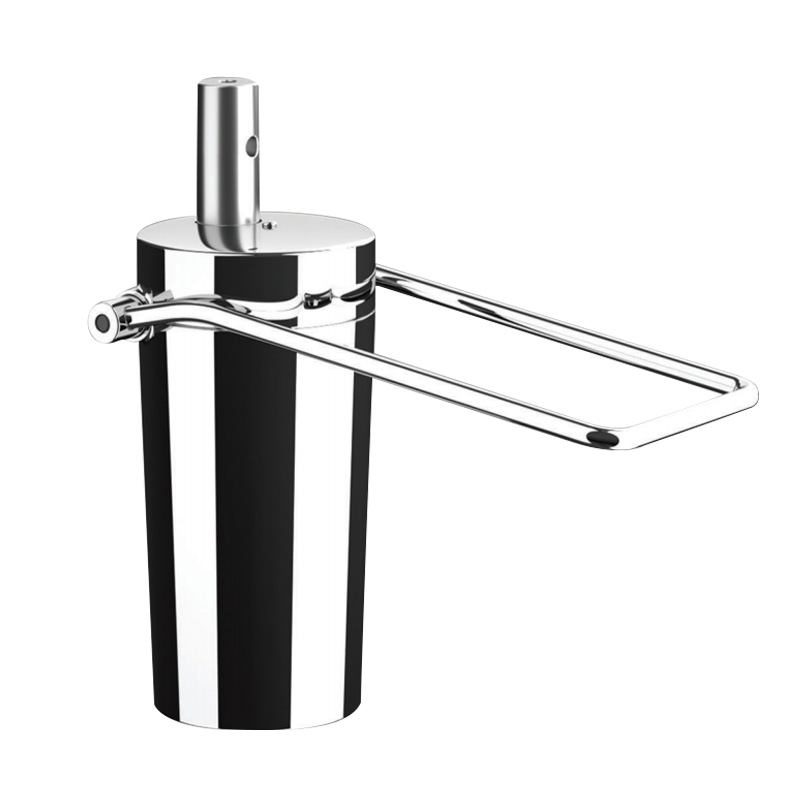
The base sits at the center of this whole system, linking the chair's upper structure to the hydraulic mechanism and, ultimately, to the floor itself. A Hydraulic Barber Chair Base handles this connection through fluid pressure that responds directly to the operator's foot or hand control, but the quality of that response depends on far more than the hydraulic cylinder alone.
Why Does the Base Matter So Much During Height Adjustment?
The base carries the chair's entire structure while the hydraulic mechanism does its work above. If the base wobbles or shifts even slightly during a lift, that instability travels straight up into the seat, and a customer notices it immediately, even if they can't quite name what feels off.
A properly matched base handles several jobs at once. It anchors the chair to the floor, carries the customer's weight downward, and gives the hydraulic mechanism a stable platform to push against while raising or lowering the seat.
| Base Function | Role During Adjustment |
|---|---|
| Floor support | Keeps the whole chair steady |
| Lifting connection | Passes hydraulic movement up to the seat |
| Structural support | Carries the combined weight of chair and customer |
| Control interface | Lets the operator trigger a height change |
| Mounting area | Ties the base firmly to the chair above it |
Floor condition plays a bigger role here than most people assume. A base sitting on a level, solid surface behaves predictably every single time, while one installed over an uneven tile or a slightly warped floor section can develop a subtle rock that only shows up once weight settles into the seat.
Assembly quality matters just as much. A base bolted together loosely, or missing a washer the instructions called for, can introduce play into the lifting motion that has nothing to do with the hydraulic cylinder itself.
A Salon Chair Hydraulic Base isn't just a stand holding the chair off the ground. It's an active part of the lifting system, working in step with the hydraulic mechanism rather than sitting there passively underneath it.
How Does the Hydraulic Lifting Mechanism Actually Work?
Hydraulic lifting relies on fluid pressure rather than brute mechanical force. When the operator taps or pumps the control, the mechanism responds by letting the seat rise, using pressurized fluid to do the heavy lifting rather than a motor or a simple lever.
This differs from just muscling the seat upward. The hydraulic system carries the load, meaning the chair can go up with a customer already seated without the barber needing to physically push against that weight.
A typical lift follows a familiar rhythm:
- The operator activates the height control, usually a foot pedal or hand lever.
- The hydraulic mechanism responds to that input.
- The lifting column extends, raising the seat.
- The operator releases the control once the seat reaches a comfortable height.
- The mechanism holds that position steady until the next adjustment.
This lets a barber make quick, small corrections between different parts of a service, tilting the chair up an inch for a closer look at the hairline, then settling back down for a broader trim.
The control itself deserves attention too. A pedal buried too far under the chair, or a lever that requires an awkward stretch, turns a five-second adjustment into a minor inconvenience repeated dozens of times a day.
Smooth operation ultimately depends on the hydraulic system staying in good condition. Unusual resistance when pressing the control, sudden jerky movement instead of a steady rise, or any visible fluid leakage around the cylinder are all signs worth addressing rather than working around.
How Do Different Loads Affect Seat Height Adjustment?
A barber chair rarely carries the same weight from one moment to the next. An empty chair between customers, a seated adult customer, a reclined position during a shave, and accessories like a headrest attachment all shift what the lifting system is actually working against.
| Chair Condition | What Changes for the Lifting System |
|---|---|
| Empty chair | Minimal load on the hydraulic mechanism |
| Customer seated normally | Standard working load |
| Customer shifting position | Load distribution moves around |
| Reclined for a shave | Weight concentrates differently |
| Accessories attached | Slightly higher total supported weight |
A customer leaning forward to check their reflection, then leaning back again, genuinely changes where the load sits on the chair. The base needs to absorb that shifting weight without translating it into a wobble the customer can feel.
None of this means barbers need to think about physics mid-haircut. It just means the chair should be used the way it was designed, without extra weight piled on or the seat treated as anything other than seating.
In a busy shop where the same chair gets adjusted dozens of times across a working day, this steady wear adds up. A mechanism that handles occasional adjustment fine in a quiet shop might show its limits faster in a high-traffic salon, which is worth factoring into how often maintenance checks happen.
What Actually Makes the Adjustment Feel Smooth?
Smoothness isn't one single thing. It's the combined result of the hydraulic mechanism doing its job correctly, the base holding everything steady, and the control responding the way the operator expects it to.
A control that reacts predictably lets a barber ease the chair up gradually rather than overshooting the height and needing to adjust again. A base that flexes or shifts during the lift introduces a wobble that has nothing to do with the hydraulic system but gets blamed on it anyway.
Installation quality threads through all of this. Parts bolted together slightly off, or a connection point that wasn't tightened to spec, can turn an otherwise fine hydraulic mechanism into a chair that creaks or shudders during every adjustment.
| Factor | Effect on the Experience |
|---|---|
| Hydraulic condition | Shapes how responsive the lift feels |
| Base structure | Keeps the whole motion stable |
| Control handle | Determines how easy adjustment actually is |
| Chair alignment | Helps the movement stay balanced |
| Installation quality | Underlies normal, quiet operation |
Smooth doesn't mean fast, either. In a working salon, a controlled, gradual rise is usually more useful than a quick jump, since the barber needs time to judge the right stopping point for that particular customer's height and the service being performed.
Being able to stop cleanly at a practical position matters just as much as the rise itself. A stylist working on customers of very different heights throughout the day relies on that precision more than most customers ever realize.
How Does a Barber Chair Base Plate Support Stability?
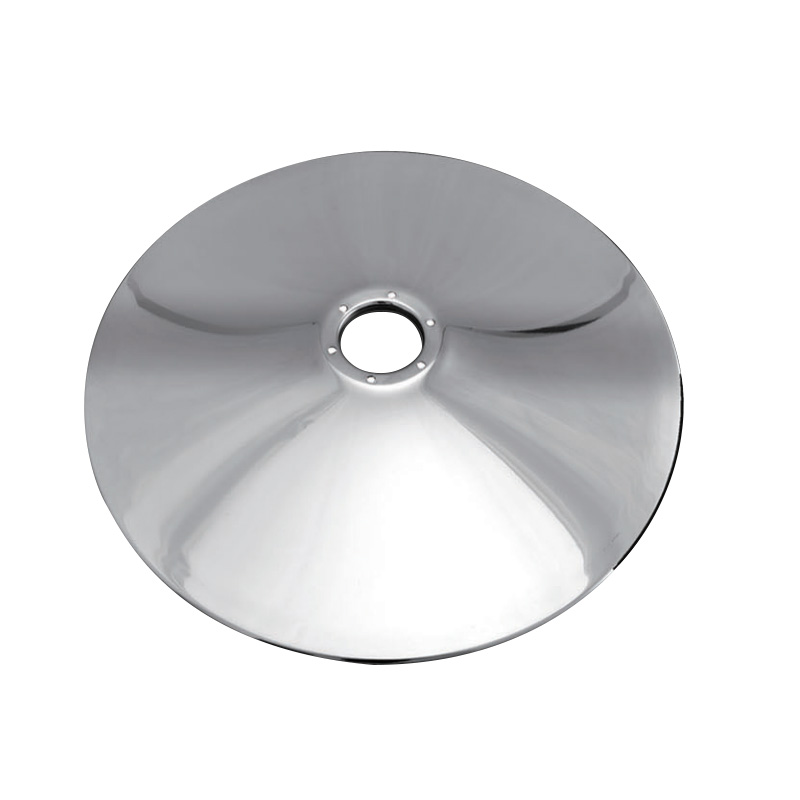
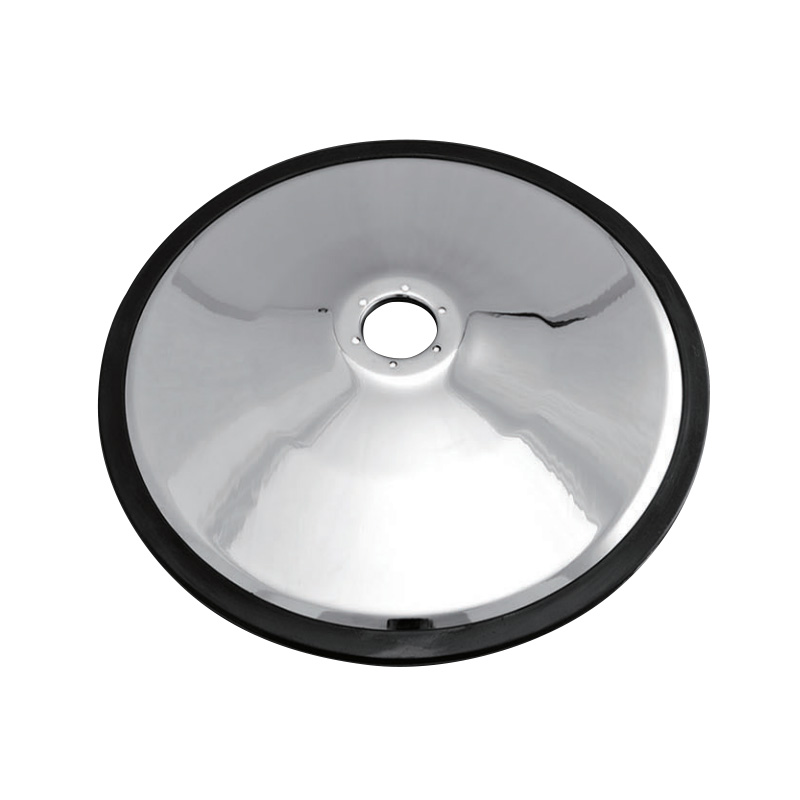
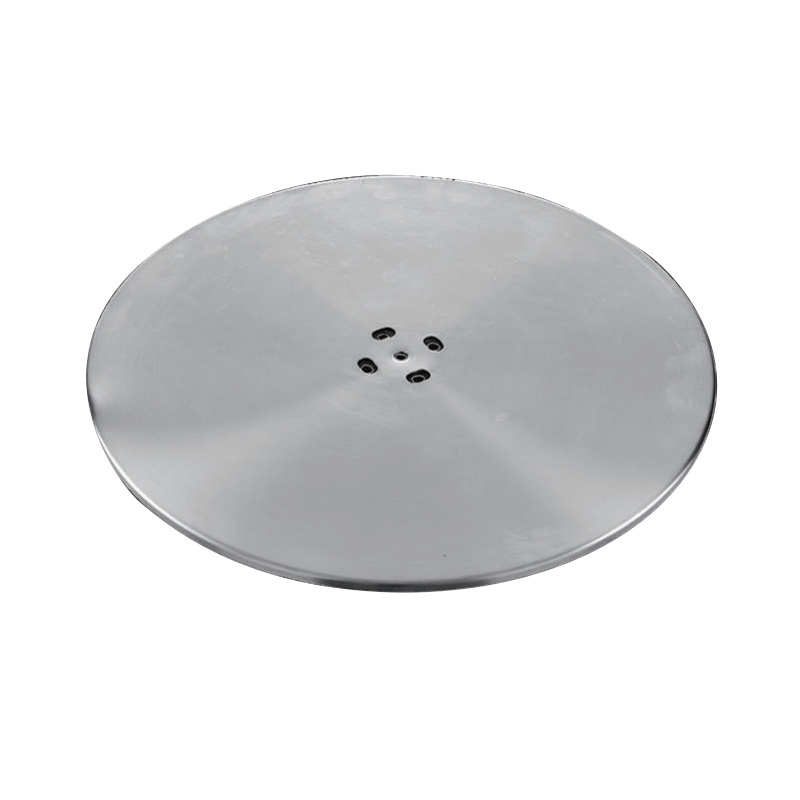
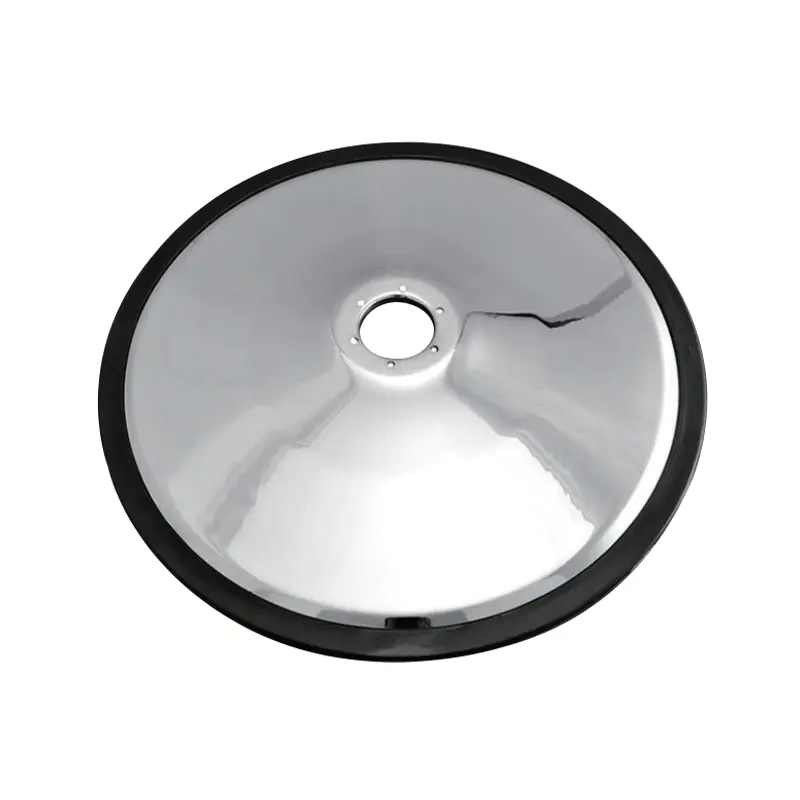
The base plate is the part that actually touches the floor, spreading the chair's weight across a broader footprint than the narrow hydraulic column above it could manage alone. Its shape, material thickness, and how securely it connects to the rest of the base all influence how solid the chair feels underfoot.
A Barber Chair Base Plate doesn't work in isolation. It's one link in a chain that has to hold together as a whole system.
That chain runs in a fairly simple order:
Floor → base plate → lifting mechanism → chair structure → seat
Each link has its own job, but a weakness in one shows up somewhere else down the line. A base plate that isn't properly secured can let the whole chair develop unexpected movement during a lift, and that kind of looseness sometimes gets mistaken for a hydraulic problem when the actual issue sits lower down in the structure.
The floor underneath deserves a second look too. A stable, level installation surface gives the plate something reliable to press against, cutting down on the kind of subtle rocking that becomes obvious the moment a customer settles into the seat.
Regular cleaning around the base plate helps more than people expect. Hair clippings and general salon dust tend to collect right where the plate meets the floor, and that buildup can make it genuinely harder to spot early signs of wear or loosening during a routine check.
Can a Hydraulic Base Adapt to Different Salon Working Positions?
Barbering rarely happens from one fixed angle. A stylist trimming a beard needs a different working height than one cutting hair on top, and a customer six-foot-two calls for a different seat position than one closer to five-foot-four.
Height adjustment gives the barber room to fine-tune that working position without asking the customer to shift around in the chair every few minutes. Even a small change, an inch or two, can shift how the barber's shoulders and wrists sit through a longer service.
| Working Situation | Typical Height Need |
|---|---|
| Hair cutting | A comfortable standing working height |
| Beard trimming | Closer, more direct access to the face |
| Neck line work | A posture that avoids awkward bending |
| Styling | Adjusted to match the customer's own height |
| Cleanup between services | Whatever position makes sweeping easiest |
This flexibility spills over into the customer's experience too. A chair that rises and lowers smoothly lets the barber set things up correctly the first time, rather than repeatedly asking the customer to lean forward, sit up, or shift over.
The base carries the weight of making all this possible, quite literally. It has to stay planted and steady no matter how many times the seat goes up and down across a single appointment.
A Salon Chair Hydraulic Base earns its keep in exactly this kind of everyday, repeated-use environment, where adjustable seating isn't a luxury feature but a basic part of getting through a full day of varied services.
What Maintenance Practices Help Preserve Smooth Adjustment?
Keeping a hydraulic base in good working order doesn't require anything elaborate. Most of it comes down to simple, repeated checks folded into the shop's regular cleaning routine.
A quick visual scan of the base, the control handle, the mounting points, and the surrounding floor catches most issues early. Any change in sound or feel during a lift is worth noting rather than shrugging off as normal wear.
A practical maintenance rhythm might include:
- Clean around the base regularly. Hair and dust collect fast in a working salon, and letting it pile up around moving parts makes inspection harder than it needs to be.
- Check visible connections periodically. Bolts and fittings that seem loose or show damage should get addressed following the manufacturer's instructions, not left until they fail outright.
- Pay attention to how the control responds. A pedal or lever that suddenly feels stiffer, looser, or less predictable than usual is worth a closer look.
- Watch for leakage or odd movement. Fluid pooling near the cylinder or a lift that suddenly feels jerky deserves inspection rather than being ignored through a busy week.
- Keep the whole assembly properly aligned. The base and lifting column should stay correctly seated against each other exactly as installed.
Hydraulic components generally shouldn't be opened or repaired by someone without the right training, since internal fluid systems can behave unpredictably if handled incorrectly. When something seems genuinely wrong inside the mechanism, calling in proper servicing makes more sense than guessing.
The same caution applies to parts. A replacement piece needs to actually match the specific chair and lifting system it's going into, since swapping in something close-enough can introduce new problems rather than solving the original one.
Staying on top of these small habits tends to keep a chair running smoothly for years longer than ignoring them and only reacting once something breaks down mid-appointment.
How Should Buyers Evaluate a Hydraulic Barber Chair Base?
Picking a base starts with thinking honestly about how the chair will actually be used, not just how it looks in a catalog photo. A high-volume salon running back-to-back appointments all day has different demands than a small one-chair barbershop with a slower, steadier pace.
The lifting method, how the base connects to the chair frame, and the load the shop expects it to carry regularly should all factor into the decision together, rather than picking based on price or appearance alone.
A few grounded questions help narrow things down:
| Question Worth Asking | Why It Matters in Practice |
|---|---|
| Does the base actually match this chair's structure? | Mismatched parts complicate installation and use |
| Is the lifting method suited to daily demand? | Affects how the chair holds up over time |
| Is the control comfortable to reach and operate? | Shapes daily convenience for the barber |
| Can the base handle the expected everyday load? | Keeps the chair stable through repeated use |
| Are replacement parts realistically available? | Makes future repairs far less of a headache |
| Are the installation steps clearly explained? | Cuts down on assembly guesswork and mistakes |
Compatibility deserves real attention here. A base built for one chair's frame won't necessarily bolt cleanly onto a different design, even if the two look similar sitting side by side in a showroom.
The whole mounting arrangement needs checking before purchase too. The base, the hydraulic unit, the chair frame, and the seat structure all have to work together as one coordinated system rather than a collection of separately purchased parts.
For manufacturers and distributors juggling several chair styles at once, this becomes a real consideration when building out a product line. Offering a range of seat designs often means offering matching base configurations too, rather than expecting one universal base to fit everything reasonably well.
A Barber Chair Base Plate gives the whole assembly its physical foundation, but how well that foundation actually performs comes down to how carefully it's matched with the lifting mechanism and the rest of the chair sitting above it.