
 En
En Português
 عربى
عربى
A barber chair may attract attention through its seat, backrest, and overall appearance sitting in the front window. But the base underneath has an equally important role that customers rarely notice. The base connects the chair to the floor and supports the structure during everyday use, appointment after appointment.
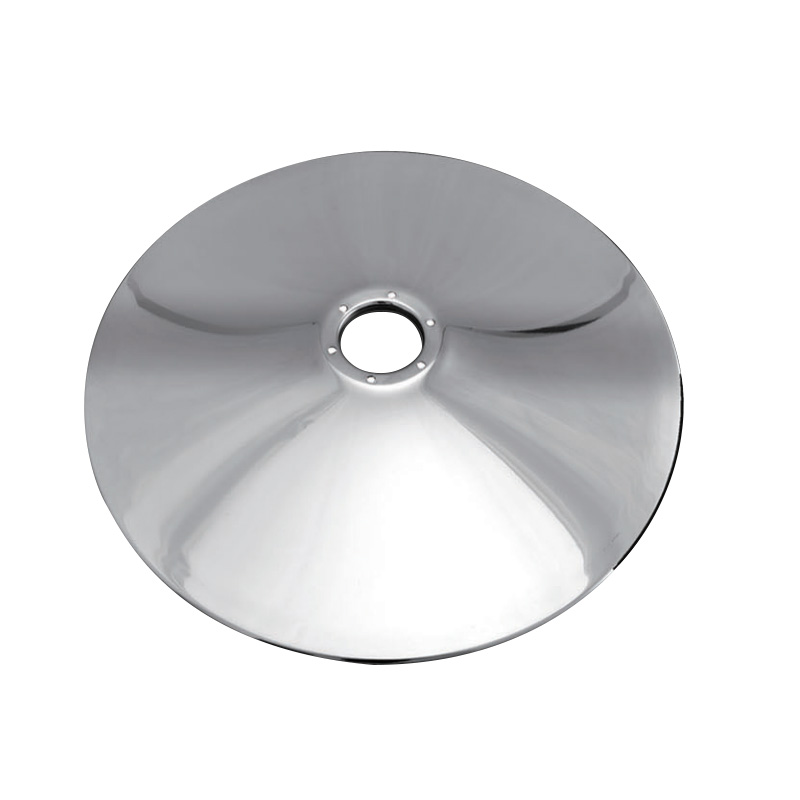
The Barber Chair Base Plate is particularly important, since it provides a broad contact area between the chair and the floor beneath it. Its shape and construction can affect how the chair remains positioned when people sit down, stand up, or change their posture mid-service.
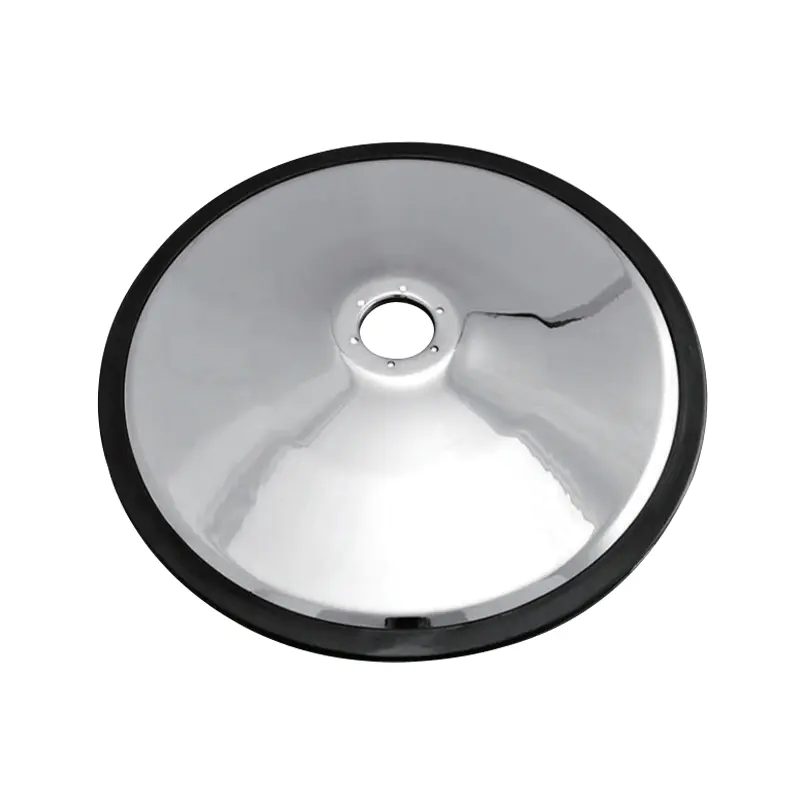
A barber chair also experiences repeated movement throughout the working day without much rest. Customers may enter and leave the chair many times in a single shift, while barbers may move around the chair during a service to reach different angles. These simple actions place changing loads on the base that add up over months of use.
A durable base is therefore not only about using a strong material and calling it done. The complete design needs to work as a connected structure from top to bottom. Shape, thickness, support points, surface finish, and installation all have a role to play.
The base also needs to suit the chair's hydraulic system working above it. When a hydraulic lifting mechanism gets used, the base becomes part of a larger support arrangement, rather than an isolated metal component bolted underneath. This is why buyers and manufacturers often look at the base early when developing or selecting salon furniture for a shop. A well-considered base can support everyday operation while also contributing to the chair's visual stability once it's on the floor.
How Does Base Structure Influence Durability?
The basic shape of a chair base affects how forces move through the structure beneath the seat. A broad and well-supported base can help distribute pressure across a larger area, instead of allowing too much force to gather around one small point under repeated use.
The connection between the base plate and the central chair structure is also genuinely important to get right. If the connection isn't properly matched to the surrounding components, repeated use may create unwanted movement that grows worse over time.
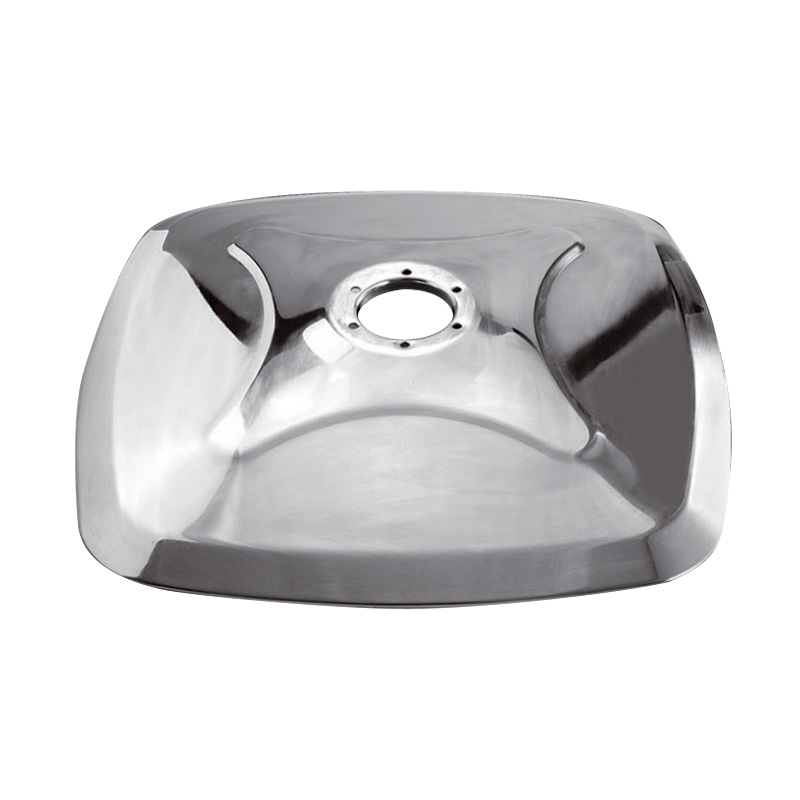
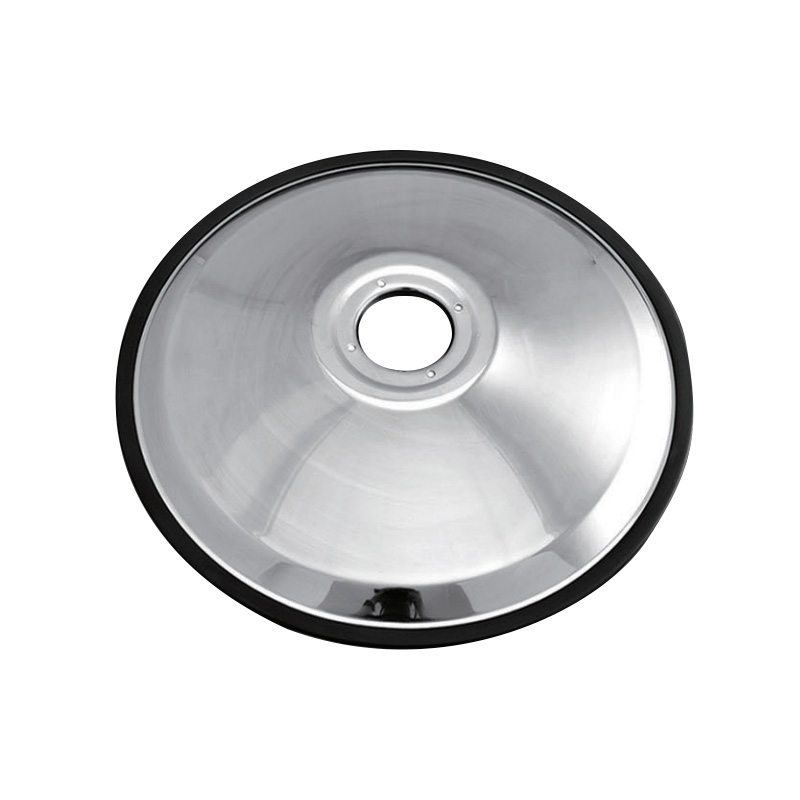
Rounded, flat, or shaped base plates can each provide different design possibilities depending on the chair. The choice depends on the overall chair structure, the available installation space, and the appearance expected by the furniture manufacturer building it.
A good base design should also consider how the chair actually gets used in a working shop. A barber chair isn't always loaded in exactly the same position throughout a service. Customers may lean forward, turn slightly, or shift their weight while receiving a haircut or shave.
These movements create changing pressure across the base beneath them. The structure should be able to handle normal changes without becoming unstable during a routine appointment.
The shape of the plate can also affect cleaning at the end of a busy day. Barber shops and salons deal with hair, water, cleaning products, and other everyday materials scattered around the floor. A base with an easy-to-maintain surface can make routine care a lot more convenient for staff closing up.
The connection points deserve attention as well, not just the visible shape. A base that appears strong on its own may still perform poorly if the joints or mounting areas aren't properly designed underneath.
For this reason, manufacturers need to evaluate the base as a complete structure, not a single part viewed in isolation. The plate, central support, hydraulic assembly, fasteners, and floor contact should work together as one system.
Which Materials Can Support Long-Term Base Use?
Material choice is closely connected with durability over the years a chair stays in service. The base needs to handle repeated use while remaining suitable for the environment in which the chair actually operates.
Metal is widely considered for barber chair bases, since it can provide a solid foundation for heavy furniture that gets sat on dozens of times a day. However, the choice of metal shouldn't get viewed separately from the shape and manufacturing process behind it.
Different materials can have different surface characteristics and maintenance needs depending on how they're finished. A salon environment may expose the base to moisture, cleaning routines, hair products, and accidental spills throughout the week.
The material should therefore match the actual working environment it's headed into. A base designed for a dry indoor space may need different surface protection once used in a busy commercial salon running long hours.
Material selection can also affect the appearance of the finished chair sitting in the shop. Some furniture designs use a clean metallic look, while others require a darker or more decorative surface to match the interior.
For buyers, the important question isn't simply whether a material gets described as durable on a spec sheet. It's whether the material, structure, finish, and intended use are properly matched to the actual salon it's going into.
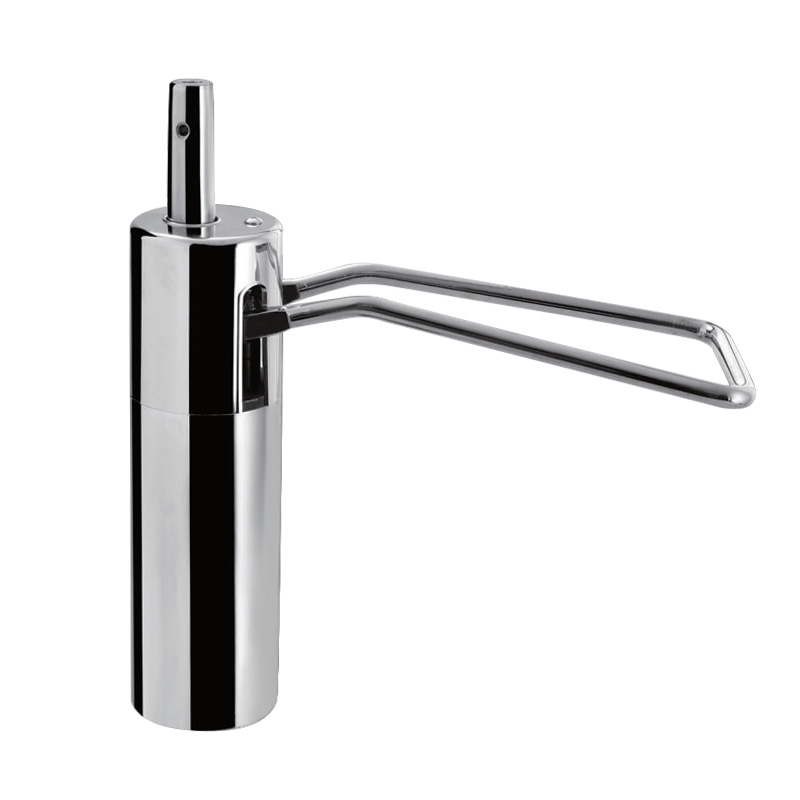
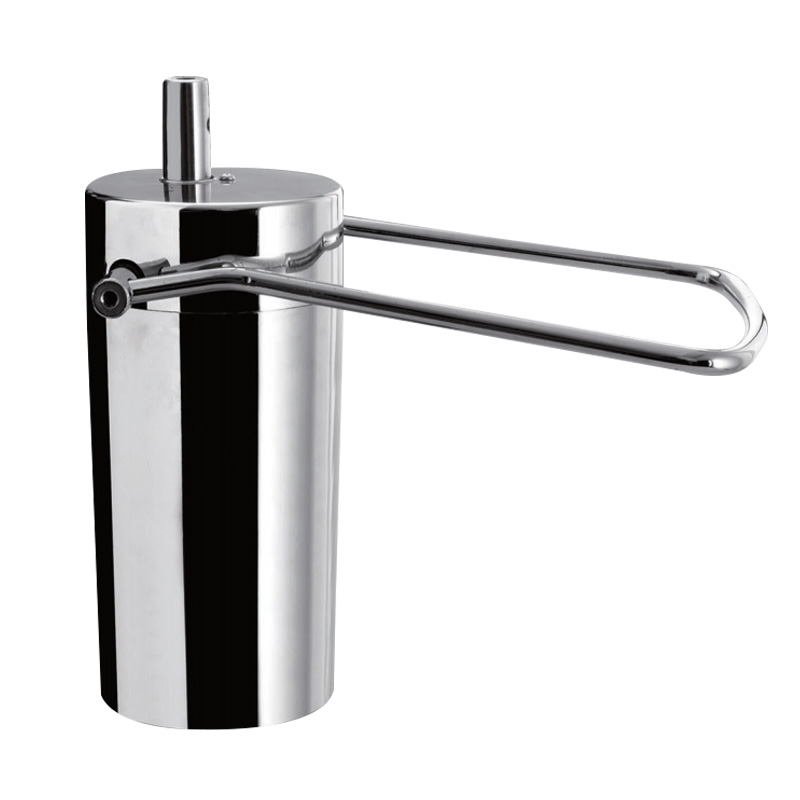
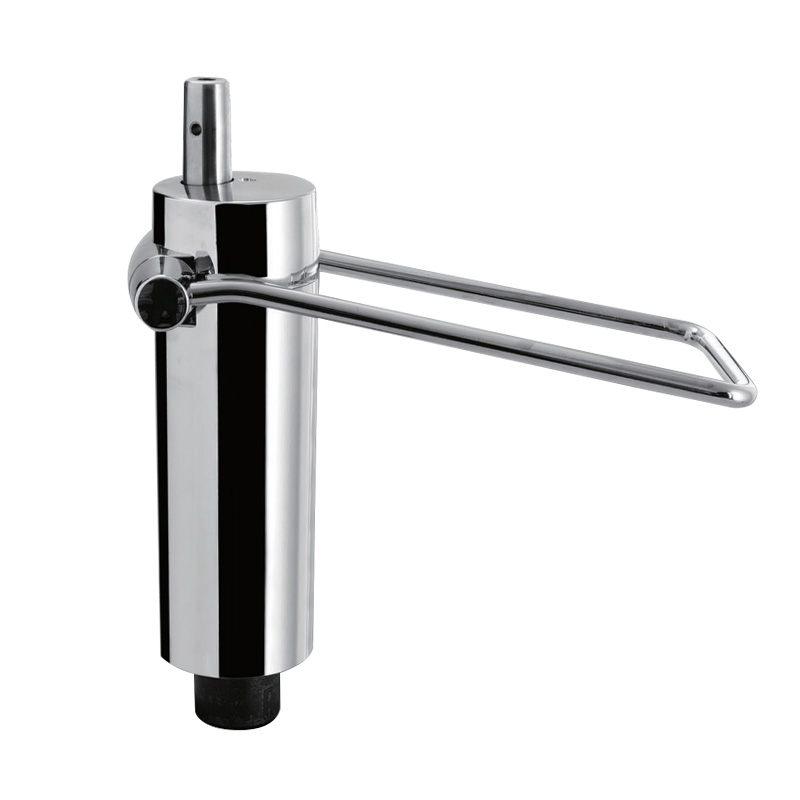
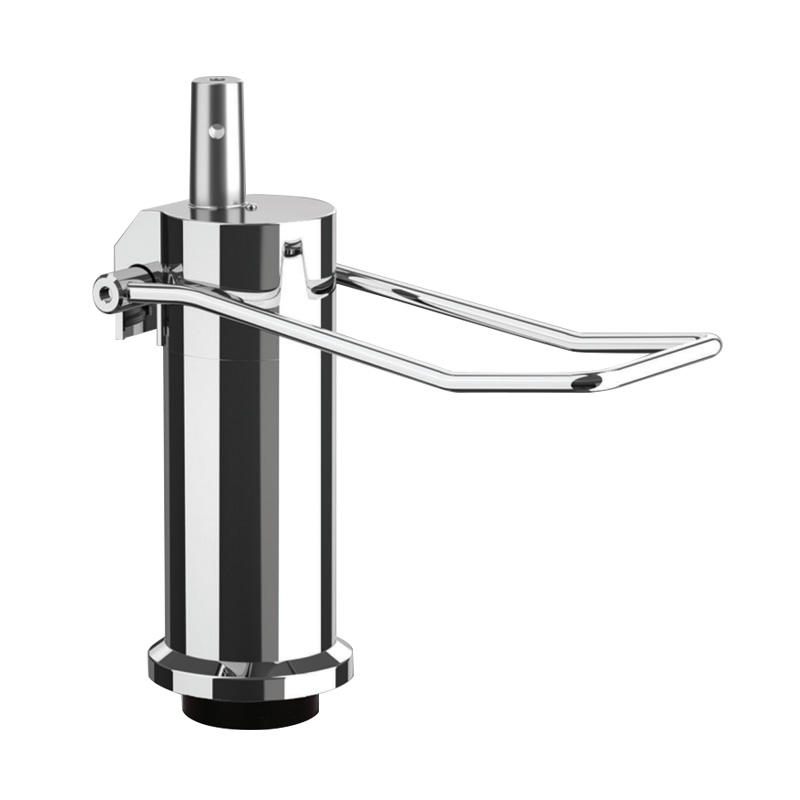
The central support is another area worth considering closely. In a Salon Chair Hydraulic Base, the material needs to work with the lifting mechanism and the rest of the chair structure surrounding it.
A suitable combination can help the chair maintain a stable connection during regular movement throughout the day. It can also make the base easier to integrate into different furniture designs across a product line. Manufacturers should therefore consider material selection during the design stage, rather than treating it as a final purchasing detail added at the end.
How Does Stress Distribution Affect the Base Plate?
A barber chair doesn't place pressure on its base in only one direction throughout a service. The customer's position can change repeatedly, and the chair may get rotated or adjusted while the barber works around it.
This means the base structure needs to handle changing pressure across its surface, not a fixed load from one spot. A well-planned shape can help spread that pressure, rather than allowing it to concentrate around one area under repeated stress.
The central connection is especially important to design carefully. Much of the chair's weight passes through this region, so the surrounding structure needs to provide suitable support underneath it.
The outer parts of the base also matter, since they interact with the floor directly. A stable contact area can help distribute the load a lot more evenly across the whole footprint.
Consider a customer sitting down quickly after a long wait. The base may experience a different load pattern than when the customer is sitting quietly through a trim. The structure needs to accommodate both situations as part of normal daily use.
Movement can create another change worth accounting for. When the chair gets turned or adjusted mid-service, pressure may shift from one side of the base to another without warning.
A practical design review can ask several simple questions worth walking through.
- Where does the chair connect with the base?
- How is the central load supported?
- Does the base provide balanced floor contact?
- Can pressure move across the structure during normal use?
- Are connection points properly supported?
- Does the base remain stable during chair movement?
These questions are useful because they focus on real use, rather than appearance alone sitting in a catalog photo. They can also help buyers communicate a lot more clearly with manufacturers during a purchasing conversation. Stress distribution is therefore a design issue that begins with the shape of the base and continues through every connection around it.
What Role Does Surface Treatment Play in Base Durability?
The base of a barber chair is exposed to more than physical pressure throughout the day. Its surface can come into contact with water, cleaning materials, dust, hair, and various products used during salon services routinely.
Surface treatment can help the base cope with these everyday conditions without breaking down early. It can also influence how easy the component is to clean and maintain during a busy shift.
A suitable finish may help protect the underlying material from unwanted surface changes over time. The exact treatment should depend on the material, environment, and expected use of that specific chair.
Appearance is another reason surface treatment matters to the overall design. The base is often visible beneath the chair, so its finish can contribute to the overall furniture design sitting in the shop.
A clean surface can also make routine maintenance easier for whoever's doing the cleanup. Smooth areas are generally easier to wipe down, while complicated shapes may require more attention around corners and connections.
Manufacturers should consider these practical details when developing a Hydraulic Barber Chair Base for the market. A finish that looks suitable in a showroom should also make sense for daily salon conditions once it's in actual use.
Surface treatment shouldn't get treated as a replacement for good material selection underneath it. It works as part of the wider design, rather than serving as the only protection against wear.
Buyers can therefore ask about both the underlying material and the surface finish before ordering. This gives a genuinely clearer picture of how the base is intended to perform in its working environment day after day. The maintenance routine should also get considered upfront. If the chair will be cleaned frequently, the surface should be suitable for normal cleaning practices used in that shop.
How Does Installation Affect Base Plate Performance?
Even a carefully designed base can have problems when it's not installed correctly on-site. The connection between the base and the chair structure needs to remain secure during regular use, not just at delivery.
The floor is also part of the installation environment worth checking. An uneven or unsuitable floor can affect how the chair sits, even when the base itself is properly manufactured.
The position of the base should get checked before the chair is put into regular service in the shop. The mounting area should be clean, stable, and suitable for the furniture going on top of it.
Fasteners and connection points deserve careful attention during setup. Loose connections can allow unwanted movement, which may place additional pressure on certain parts of the base over time.
Installation instructions should therefore be clear and practical for whoever's doing the work. Furniture installers and salon owners need to understand how the base should be connected to the chair and floor properly.
For manufacturers, this also means designing components that are straightforward to assemble without special tools. A complicated installation process can create unnecessary opportunities for mistakes on-site.
The same principle applies when replacing an existing base in an older chair. The replacement should match the chair structure and mounting arrangement, rather than getting selected only because it looks similar in a catalog. A clear installation process can help preserve the intended relationship between the base plate, hydraulic system, and chair frame. This makes installation part of durability planning, rather than an issue that begins only after manufacturing is already complete.
How Should Buyers Compare Different Barber Chair Bases?
Buyers often compare bases by appearance, material, and price alone when shopping. These factors matter, but they don't provide the full picture needed for a good decision.
The intended chair design should guide the evaluation from the start. A base for a compact salon chair may have genuinely different requirements from one used with a larger barber chair built for heavier use.
Buyers should also consider how the chair will get used throughout the day in that specific shop. Frequent customer movement, chair adjustment, cleaning, and repositioning can all influence the suitability of a base design.
A simple comparison can help organize the purchasing process before placing an order.
| Design Area | What Buyers Should Consider |
|---|---|
| Base shape | Does the form suit the chair and floor space? |
| Material | Is it appropriate for the working environment? |
| Support | Does the structure provide balanced support? |
| Connections | Are mounting areas suitable for regular use? |
| Surface finish | Can the surface be maintained easily? |
| Installation | Is assembly clear and practical? |
| Chair movement | Can the base support normal adjustment and rotation? |
| Maintenance | Can operators inspect and clean the base without difficulty? |
This approach can help avoid choosing a product based only on visual appearance in a showroom. It also gives purchasing teams a genuinely clearer way to discuss requirements with manufacturers during negotiations.
For a Salon Chair Hydraulic Base, buyers may want to review how the base interacts with the lifting mechanism through a full range of motion. The chair should feel stable throughout normal adjustment, rather than only when it remains in one fixed position.
A Barber Chair Base Plate can also get evaluated as part of the full furniture assembly it belongs to. The plate should fit the chair frame, support structure, and floor environment it's paired with. These considerations become particularly useful for commercial projects where multiple chairs need to work within the same salon environment side by side.
How Can Manufacturers Improve Base Design for Everyday Salon Use?
Manufacturers face a balance between appearance, durability, manufacturing convenience, and practical installation on every project. A base needs to perform its structural role while fitting the visual language of the chair it supports.
Design development can begin with the way the chair will actually get used in a working shop. Understanding customer movement and barber working habits gives manufacturers a genuinely more realistic basis for base development from the start.
Material selection can then get connected with the expected environment it's headed into. A busy salon may require a surface that's easy to maintain and suitable for frequent cleaning between clients.
The shape of the base can also get reviewed from several directions before finalizing a design. It should support the chair while allowing enough space for users and workers to move around it comfortably.
Manufacturers can also consider how the base gets packaged and handled before installation at the shop. A practical product should be manageable during transport and assembly without compromising its intended structure along the way.
Quality checks can focus on visible and functional details worth reviewing closely. Surface consistency, connection areas, overall shape, and installation fit are all useful points worth checking before shipping.
When developing a Hydraulic Barber Chair Base, manufacturers can also consider compatibility with different chair structures across a product range. A flexible design approach may help furniture producers adapt the base to different models without changing the basic purpose of the component underneath.
The growing interest in comfortable and practical salon furniture places more attention on these supporting parts that customers never really see. Customers may notice the seat and upholstery immediately upon walking in, but the base continues working quietly throughout every appointment that follows. That makes base design a genuinely important part of furniture development worth taking seriously. Its structure, material, surface treatment, installation method, and relationship with the hydraulic system all contribute to how the chair functions in a real salon environment day after day.