
 En
En Português
 عربى
عربى
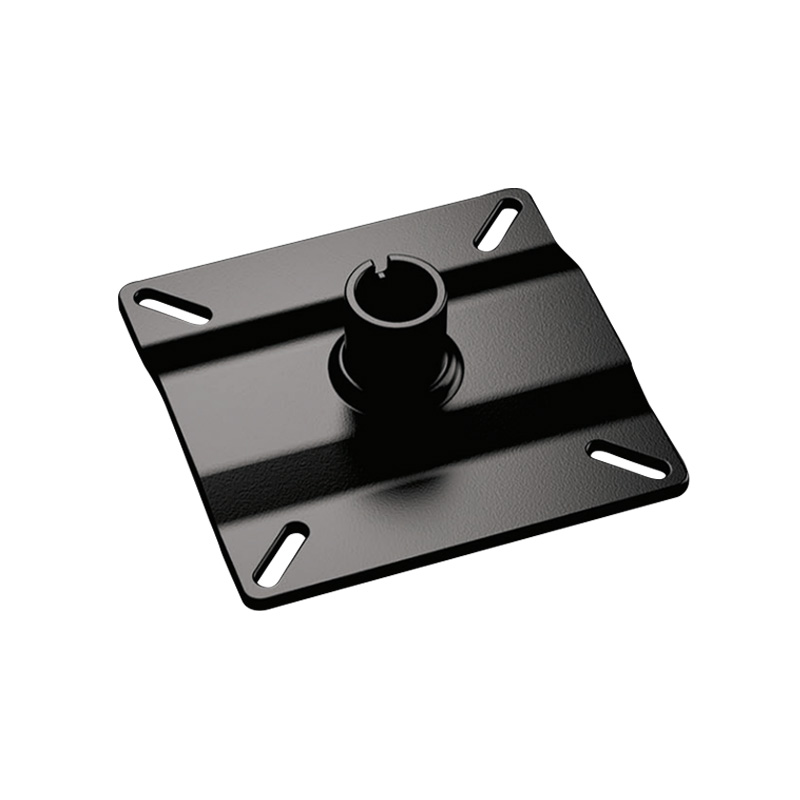
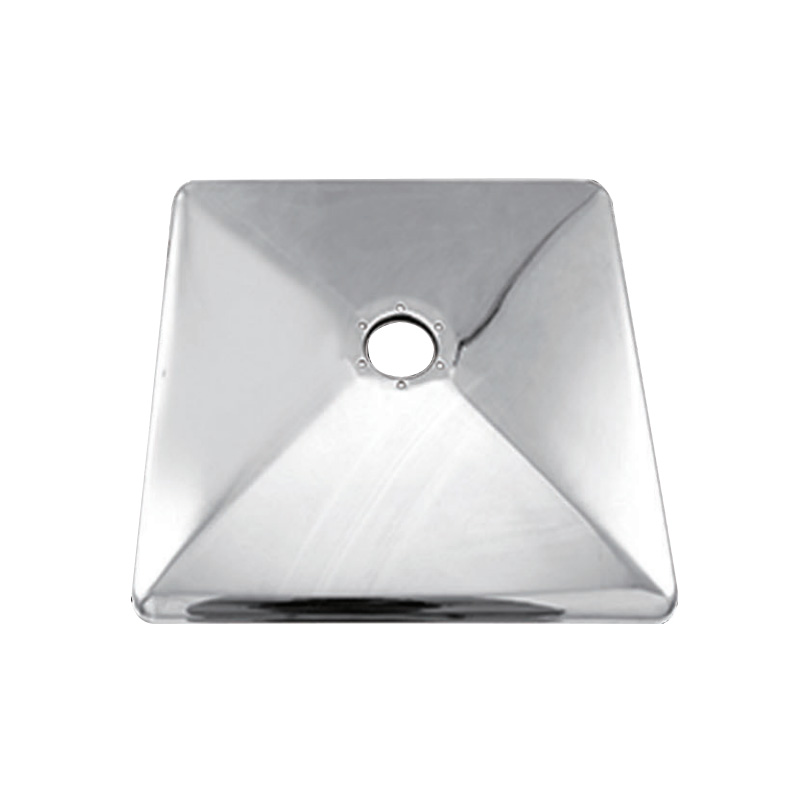
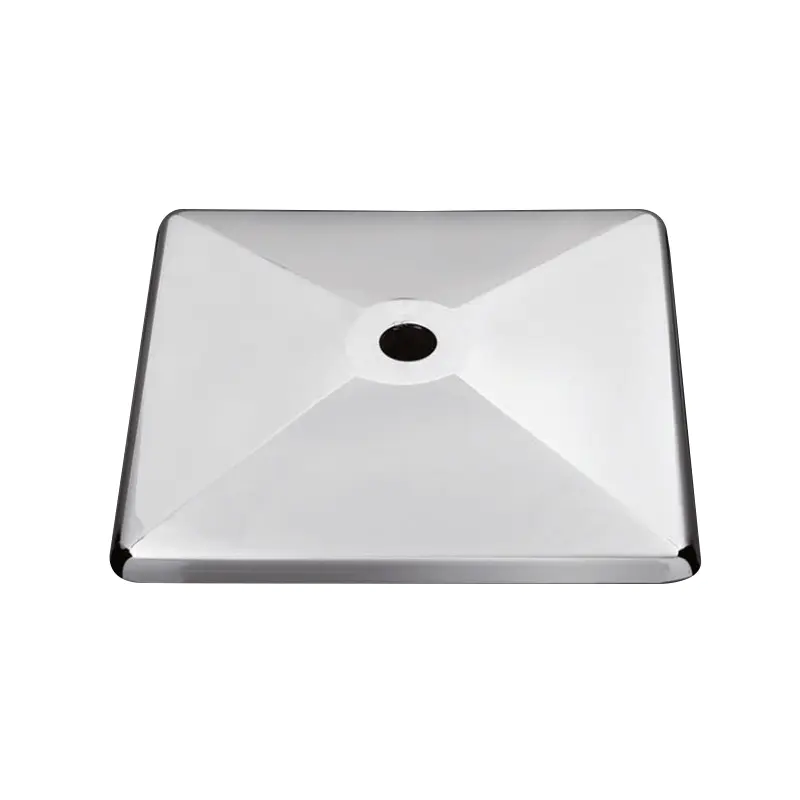
Walk into a salon with genuinely attractive furniture, and it can still feel awkward to work in. That problem usually shows up when chairs take up more room than expected, leave narrow working paths, or make moving around the client uncomfortable. For barbers and salon owners, the base beneath a chair turns out to be more than a structural afterthought. The Barber Chair Base Plate shapes how a workstation sits on the floor and how easily staff move around it during a busy shift.
Space planning matters a lot in professional grooming environments. Every chair needs room for the barber to work, the client to sit comfortably, and equipment to stay within reach. A poorly considered base gets in the way of these basic needs without anyone quite realizing why the room feels cramped.
As salon layouts lean toward practical workflows, chair design gets evaluated as part of the wider space rather than as some isolated piece of furniture sitting on its own.
Why the Base Plate Matters in Salon Space Planning
The visible part of a barber chair usually grabs attention first, since it defines how the workstation looks. The base underneath gets overlooked, yet it occupies a real chunk of the floor.
Its shape, position, and relationship with the chair affect how the surrounding area gets arranged. A broad or awkwardly positioned base limits where nearby furniture can go. A more carefully designed base helps the chair settle naturally into the workstation instead of fighting against it.
This matters because a barber moves around the client constantly during different services. The working area covers space for cutting, washing, styling, cleaning, and reaching for tools mid-cut.
A salon layout needs to weigh several elements together.
| Space Planning Element | Why It Matters |
|---|---|
| Chair position | Defines the main workstation |
| Base shape | Shapes surrounding floor use |
| Walking paths | Support staff movement |
| Tool placement | Keeps equipment within reach |
| Client seating area | Supports comfort during the visit |
| Nearby furniture | Affects the overall workflow |
The base doesn't determine the entire layout on its own. It contributes to how the available floor gets used, one workstation at a time.
How Chair Base Design Affects Movement Around a Workstation
Barbers rarely stay in one spot through a service. They shift from one side of the chair to another, step back to check the hairstyle from a distance, or reach across for tools sitting on a cart.
A chair base occupying space in an inconvenient way makes these movements feel less natural, forcing small adjustments that add up over a long day.
Good space planning starts by treating the chair as a working center. The surrounding area should let the barber approach the client from different angles without running into obstacles every few minutes.
This matters a lot in smaller salons. When several workstations share one room, every piece of furniture affects the one next to it.
The base position shapes where chairs sit relative to walls, mirrors, storage units, and neighboring workstations.
A practical layout tends to leave open space around each chair rather than treating the base as something to figure out later.
The same logic applies to cleaning. Staff need to reach the floor around the chair, especially right after a haircut when hair clippings scatter everywhere. A base that's easy to work around makes routine cleaning a lot less of a chore.
What Role Does a Salon Chair Hydraulic Base Play?
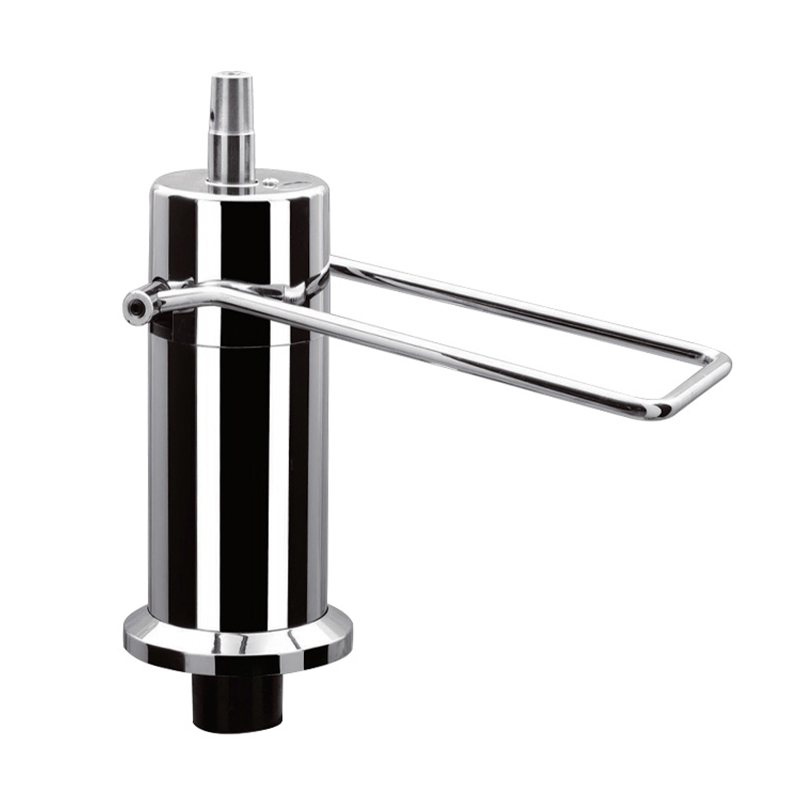
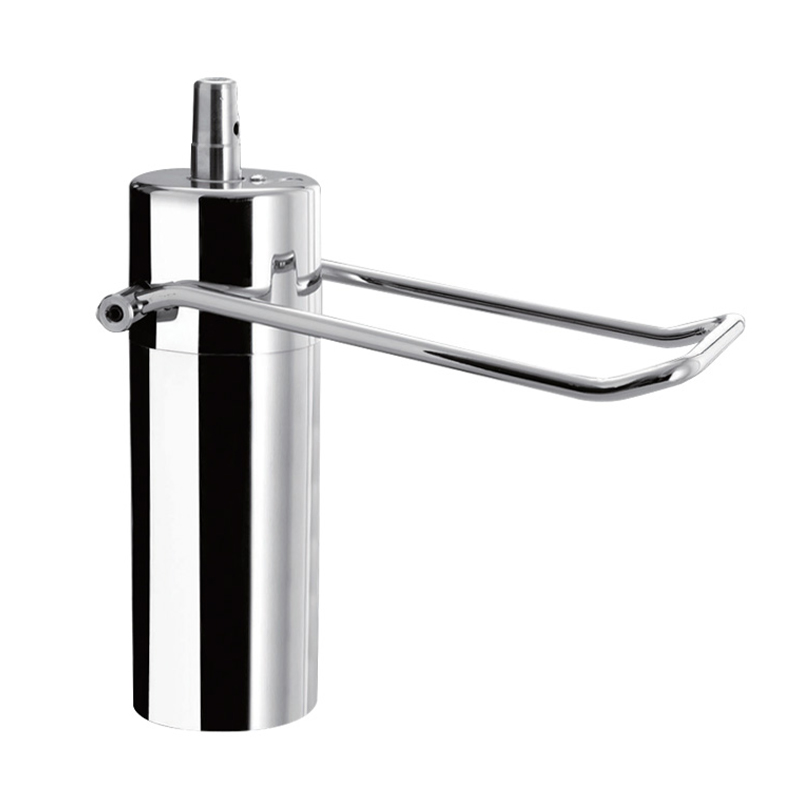
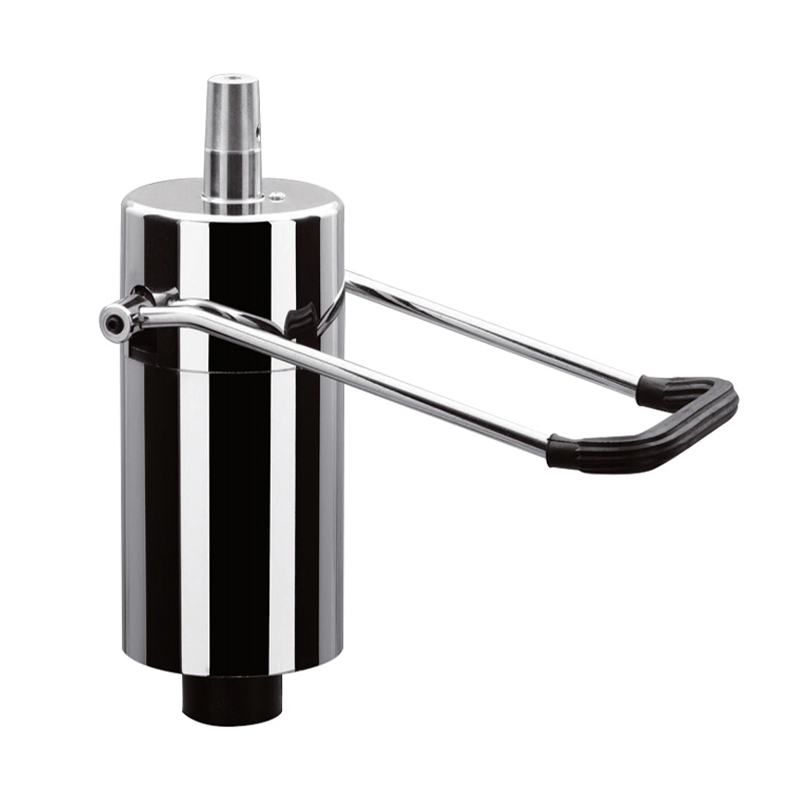
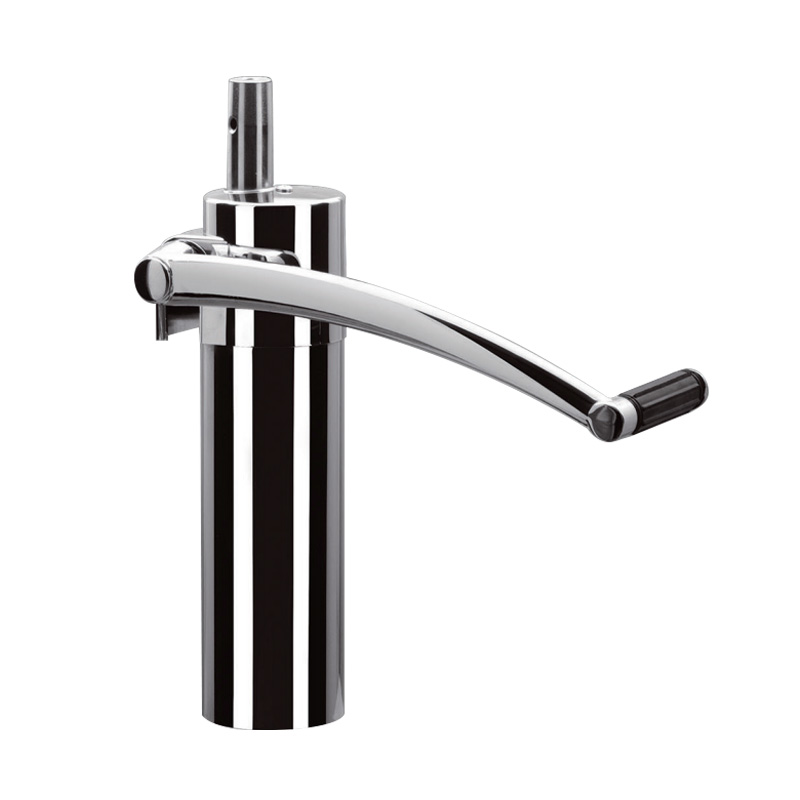
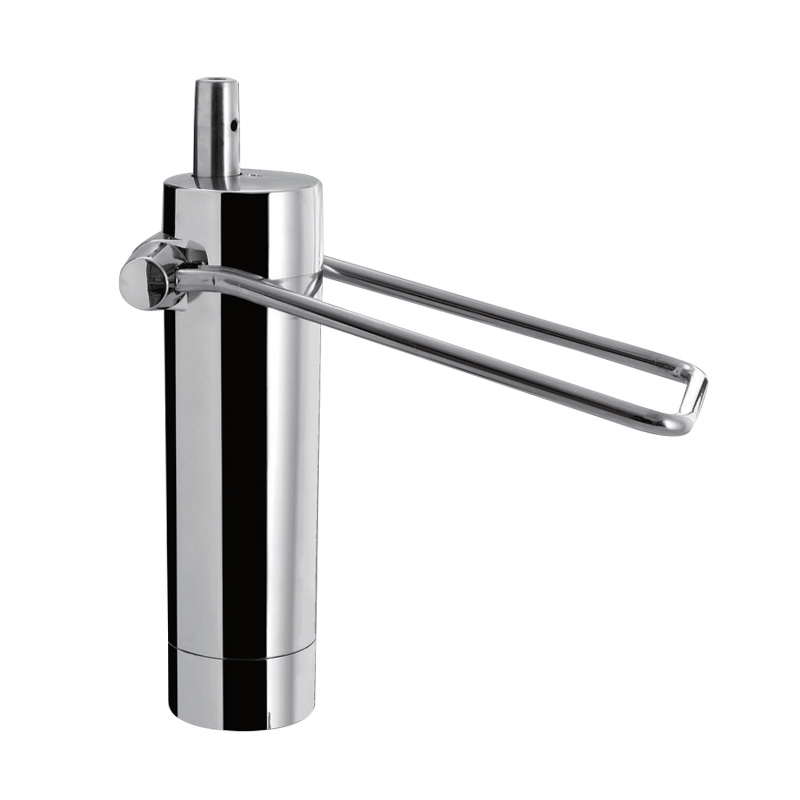
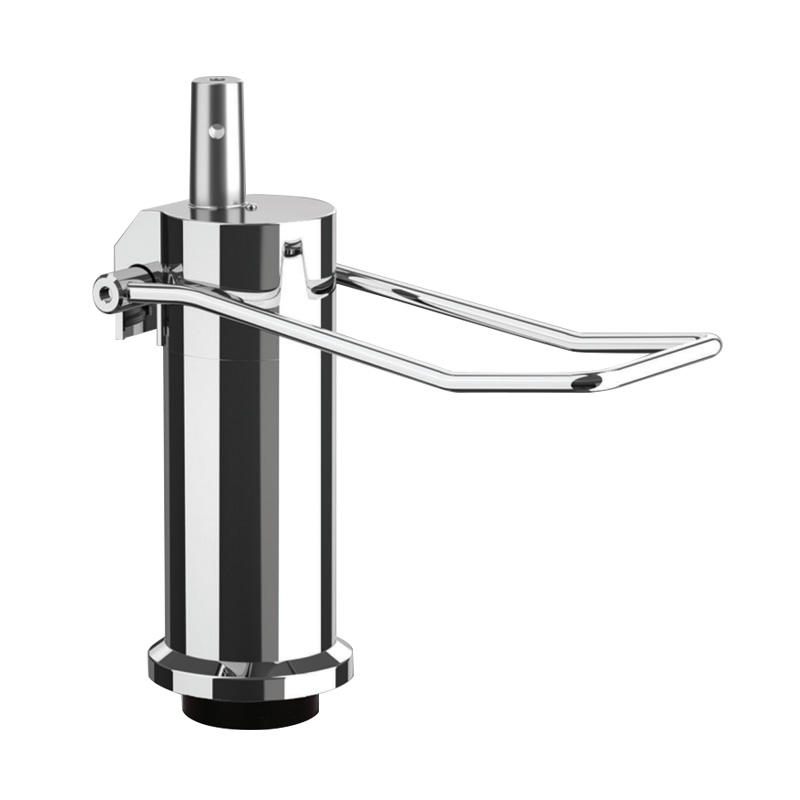
A Salon Chair Hydraulic Base supports height adjustment while also forming part of the chair's physical connection with the floor.
For space planning, the adjustment function isn't really the main point. The base contributes to the chair's footprint and shapes how the workstation sits within the room overall.
When chair height changes, the client and barber interact with the workstation a bit differently each time. The chair needs to stay suitable for the surrounding layout, rather than creating an awkward relationship between the seat, mirror, tools, and barber's working angle.
A hydraulic base also shapes how the chair gets positioned during daily work. Salon owners can think through whether the structure allows comfortable movement around the workstation and whether the base fits the intended floor arrangement.
That's exactly why base selection connects with furniture planning early on. Choosing a chair without thinking through its lower structure can create real limitations once the salon layout gets finalized.
How the Barber Chair Base Plate Affects Different Salon Layouts
Not every salon follows the same floor plan. A compact barbershop might use a linear arrangement with chairs lined along one wall. A larger salon might carve out separate work areas or open stations spread across the room.
The Barber Chair Base Plate needs to fit the layout rather than work against it.
For a wall-based workstation, the chair might need to sit close to a mirror while still letting the barber move around the client freely. For an open layout, movement can happen from several directions, but nearby chairs turn into obstacles fast if spacing wasn't thought through carefully beforehand.
A base also shapes the visual balance of a workstation. A chair with a visually heavy lower section can make a compact area feel more crowded than it actually is. A simpler structure tends to create a cleaner look.
| Salon Layout | Base Consideration |
|---|---|
| Wall-mounted workstation | Supports efficient use of floor space |
| Open workstation | Allows movement around the chair |
| Compact barbershop | Helps manage limited floor area |
| Shared styling area | Reduces interference between stations |
| Private service area | Supports a clearly defined working zone |
The goal isn't making every salon look identical. Different layouts call for different approaches to furniture placement.
Why Buyers Should Consider the Base Before Choosing Barber Chairs
Buyers often focus on upholstery, appearance, adjustment features, and customer comfort when picking barber chairs. These factors genuinely matter, but the base deserves a place in that same purchasing conversation.
A chair lives within a physical environment. Its lower structure interacts with the floor, nearby furniture, the cleaning routine, and the working area around it every single day.
Before buying, salon owners can work through questions like:
- Does the base fit the planned workstation?
- Does it leave enough room for normal barber movement?
- Is the chair easy to position within the room?
- Can staff clean around the base without a hassle?
- Does the structure match the intended salon style?
- Will several chairs work together within the same layout?
Working through these questions ahead of time helps head off problems after installation, when moving heavy chairs around becomes a much bigger headache.
For buyers managing multiple workstations, consistency matters too. Chairs with similar base arrangements make the overall space easier to plan and maintain over time.
How Base Shape Influences Client Comfort
Client comfort isn't limited to the seat and backrest alone. The surrounding space contributes to how relaxed someone feels while sitting through a service.
A chair positioned too close to another workstation can leave the client feeling crowded, even if the seat itself is comfortable. A base that restricts where the chair can go makes this problem harder to fix later.
A well-planned workstation gives the client enough surrounding space while still letting the barber work naturally around them.
This shows up especially during longer services. The barber moves around the client repeatedly. The client shifts position at different points too, whether leaning back for a wash or sitting forward for a trim.
The base should support the chair's position without creating unnecessary obstacles in the process.
For salon owners, this means chair selection and floor planning belong in the same conversation. A comfortable chair still needs a suitable spot within the room to actually feel comfortable in practice.
What Commercial Salons Should Consider When Planning Multiple Chairs
A single barber chair is fairly easy to position on its own. Multiple chairs create a much more complex planning problem, since every piece affects the ones around it.
Each workstation needs its own working area, but the chairs also need to function together as one shared environment.
If chairs sit too close together, barbers end up interfering with each other's movement mid-service. Clients might struggle to enter or leave their seats comfortably. Equipment carts and cleaning tools add another layer of space demands on top of everything else.
The base becomes relevant here because each chair occupies floor area well beyond the visible seat itself.
Salon planners can think about the room in zones:
- Client seating zone
- Barber working zone
- Tool access zone
- Walking zone
- Cleaning access zone
- Storage zone
These zones don't need physical walls between them. They just help clarify how the room actually functions during a working day.
A chair base that fits neatly within the planned workstation makes this whole process a lot smoother.
How an Electric Barber Chair Base Changes Space Planning
An Electric Barber Chair Base brings another consideration into play, since powered adjustment can shape how the chair gets positioned and used day to day.
The electrical function itself is only part of the planning process. The surrounding workstation still needs to accommodate the chair's movement and any necessary connections without creating obstacles that trip people up.
Salon owners should think through where the chair will sit relative to walls, mirrors, flooring, and nearby furniture. Cables and connections need arranging so normal movement around the workstation stays practical, not tangled underfoot.
The chair also needs enough surrounding space for routine cleaning and maintenance checks.
Electric adjustment offers a different user experience, sure, but the supporting structure still needs to fit the physical environment it's placed in.
This serves as a useful reminder that modern salon furniture gets evaluated as part of a complete workspace, not as some standalone product sitting apart from everything else.
How Manufacturers Are Responding to Modern Salon Space Needs
Manufacturers are paying closer attention to how barber furniture fits into real working environments. The focus goes beyond appearance alone. Practical handling, cleaning, stability, adjustment, and spatial compatibility all shape product development now.
Base design plays a real part in this process.
A manufacturer thinks through how the base connects with the chair, how the structure sits on the floor, and how the finished product will be positioned across different salon layouts customers actually use.
Material selection shapes the visual character of the furniture too. A clean, simple base suits a modern interior, while a sturdier structure works better with a traditional barbering style that leans into heritage aesthetics.
For manufacturers and B2B buyers, production consistency matters as well. The base needs to work reliably as part of the complete chair, rather than getting treated as some unrelated bolt-on component.
Product development therefore touches several practical areas.
| Development Focus | Application |
|---|---|
| Base structure | Supports chair placement |
| Surface finish | Shapes appearance and maintenance |
| Adjustment system | Supports workstation flexibility |
| Floor contact | Affects positioning |
| Assembly | Supports product handling |
| Cleaning access | Helps routine salon maintenance |
The growing attention to space planning reflects a broader shift in how professional furniture gets evaluated these days. A barber chair isn't simply a seat sitting in a room. It's part of a working environment where every component, down to the base plate, influences movement, comfort, cleaning, and daily efficiency for the people actually working in that space.