
 En
En Português
 عربى
عربى
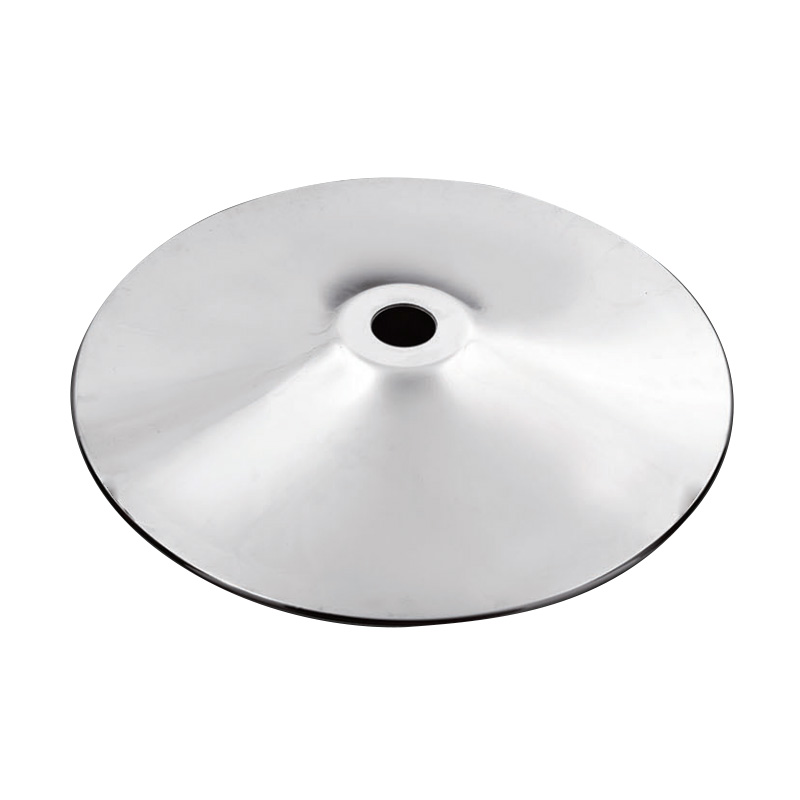
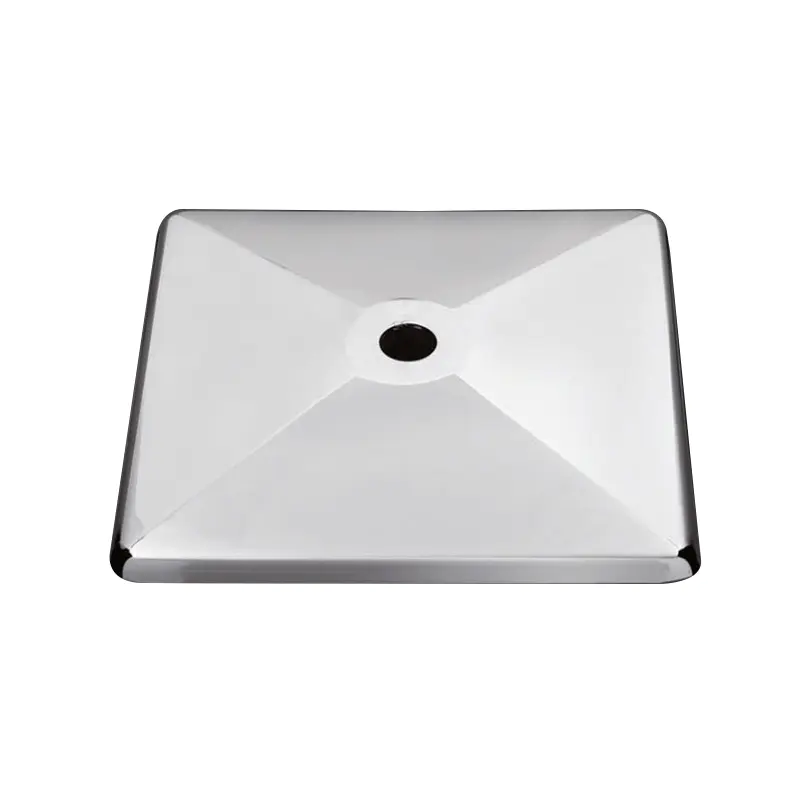
Step into a barbershop that's been recently renovated and you'll probably notice the chairs before anything else. Not just how they look from a distance, but how they sit on the floor — solid, level, almost like they've grown out of the tile rather than been bolted onto it. That impression doesn't come from the upholstery or the headrest. It comes from what's underneath, and the Barber Chair Base Plate is a big part of that.
Barber chairs used to get picked mostly for comfort and price. Now shop owners think about how a chair looks sitting in a row of five others, how it holds up after years of barbers spinning it around between clients, and whether it fits a space that might be smaller than the shop they had ten years ago. This foundation piece sits at the center of all that, even though almost nobody walking in the door would name it directly.
Why Barber Chairs Have Started Looking Different
Ask a barber who's been in the trade for a couple of decades and they'll tell you chairs used to be pretty interchangeable — heavy, functional, and not much else. That's shifted. Clients notice the shop around them now, sometimes posting photos of the interior before they even sit down for a cut.
A few things shops are weighing when picking chairs today:
| What Owners Are Thinking About | Effect on Chair Design |
|---|---|
| How the chair feels during a long cut | Pushes toward more ergonomic shapes |
| How the shop photographs and reads visually | Encourages cleaner, more coordinated looks |
| How many chairs fit comfortably in the space | Drives interest in compact footprints |
| How the chair holds up through daily use | Keeps functional durability a priority |
None of this is dramatic on its own, but taken together it explains why chair catalogs look noticeably different than they did a decade back.
What This Structural Piece Actually Does
The flat plate connecting the chair to the floor usually sits underneath the hydraulic column or swivel mechanism. It's not glamorous, but it's doing quiet work every time someone sits down, leans back, or spins the chair to grab a tool from the counter.
Its job breaks down into a few practical pieces:
| Function | Why It Matters in Daily Use |
|---|---|
| Holding chair weight steady | Keeps the seat from wobbling during a haircut |
| Spreading weight evenly | Reduces strain on the floor and the chair column |
| Anchoring to the floor | Keeps the chair from shifting during movement |
| Framing the chair's base look | Shapes how the chair reads visually from the side |
Barbers spend hours a day standing next to these chairs, and a foundation that flexes or rattles even slightly becomes noticeable fast — both to the barber and, eventually, to the client sitting in it.
Why This Component Shapes How a Shop Looks, Not Just How It Works
Interior design in barbershops has become part of the business itself. Some shops go for a stripped-down, industrial feel; others lean into warm wood tones or vintage barbershop styling. Whatever direction a shop takes, the chairs need to fit into it, and that includes what's happening near the floor, not just the headrest and armrests.
This lower structure contributes to that visual fit through:
- Clean lines that don't clash with the rest of the chair
- Proportions that look balanced rather than bottom-heavy or flimsy
- A finish that matches the chair's overall color scheme
- A presentation that looks intentional rather than purely mechanical
Clients might not consciously register any of this, but a chair that looks slightly off-balance or mismatched tends to stand out in a way that's hard to ignore once noticed.
Why Stability Isn't Optional
A barber chair gets used differently than most furniture. It's spun, tilted back, adjusted up and down, and sat in by a different person every thirty minutes or so throughout a shift. Any wobble in the base becomes obvious quickly, both to the person cutting hair and the person getting the cut.
This foundation piece supports that daily grind through a few areas:
| Area | Practical Payoff |
|---|---|
| Keeping the chair in place | Prevents shifting during cuts, shaves, or styling |
| Handling repeated adjustments | Holds up through constant height and tilt changes |
| Building client trust | A steady chair feels safer to sit back and relax in |
| Keeping the shop floor organized | Chairs stay where they're positioned, not drifting |
A barber leaning a client back for a straight razor shave needs to trust that the chair isn't going anywhere — that trust starts at the bottom.
How the Salon Chair Hydraulic Base Works Alongside It
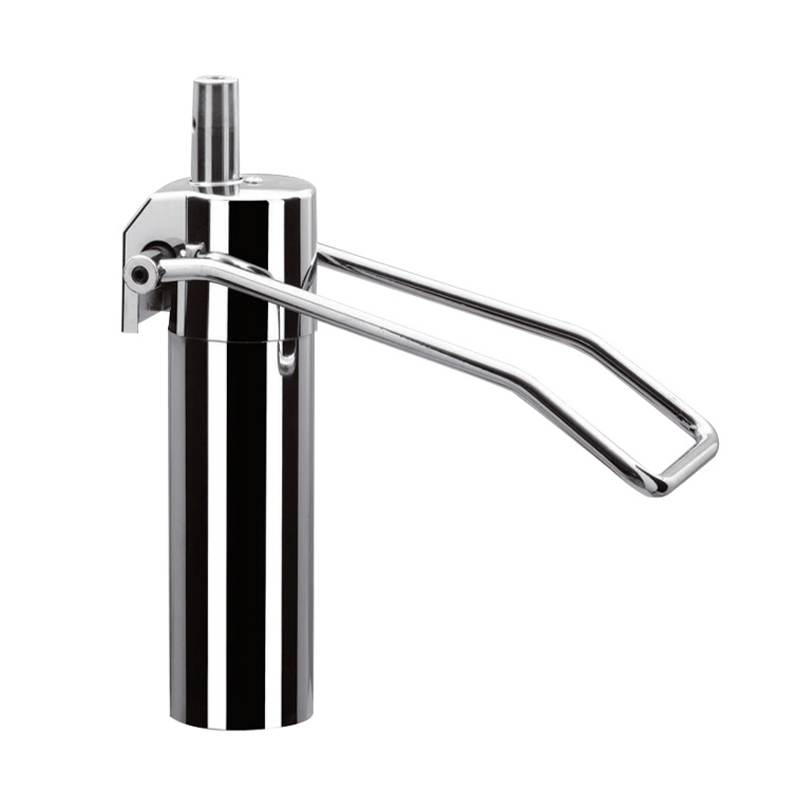
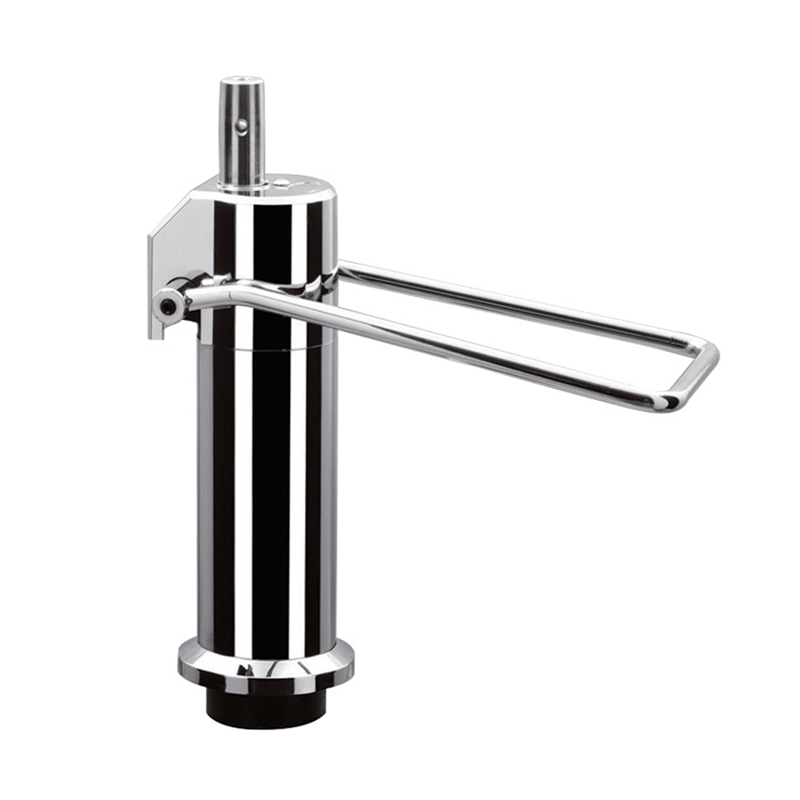
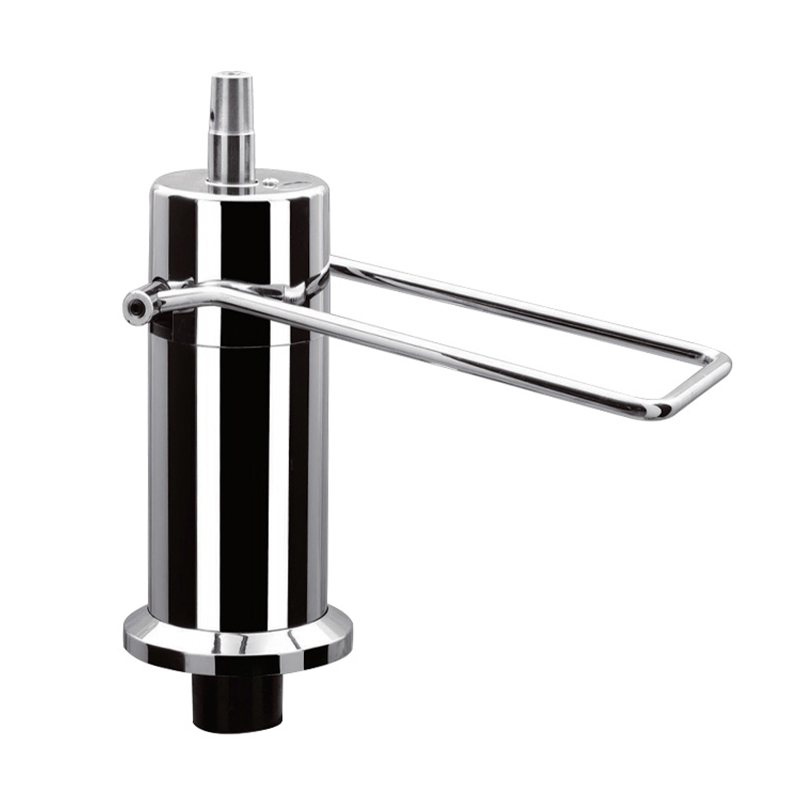
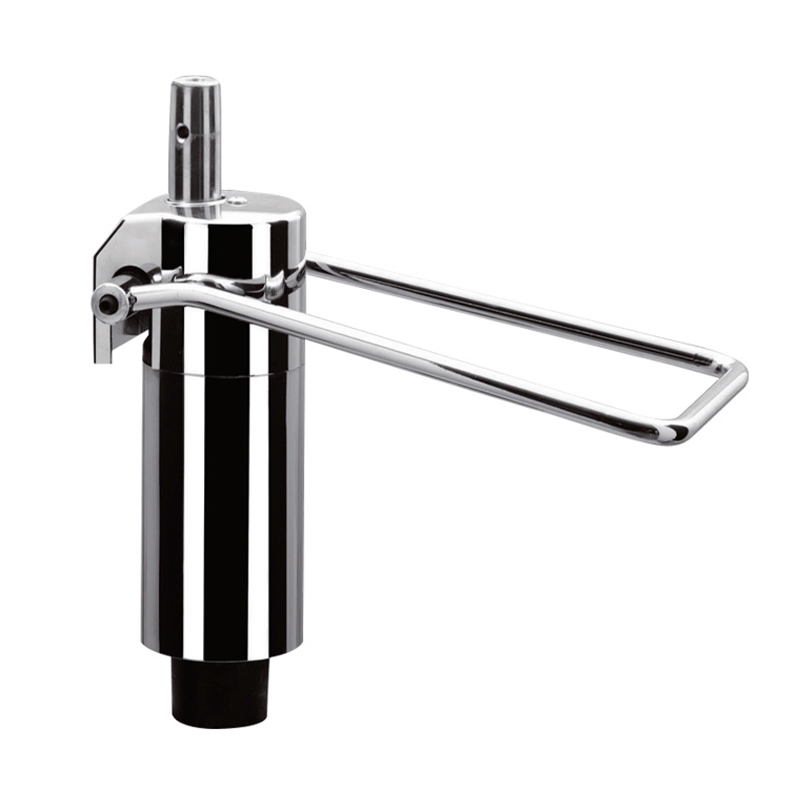
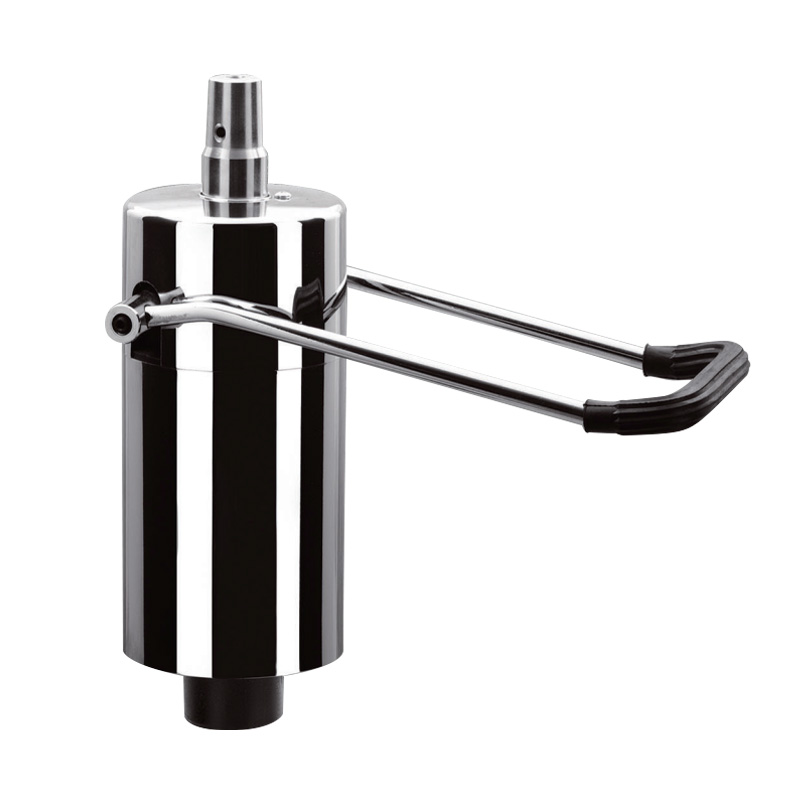
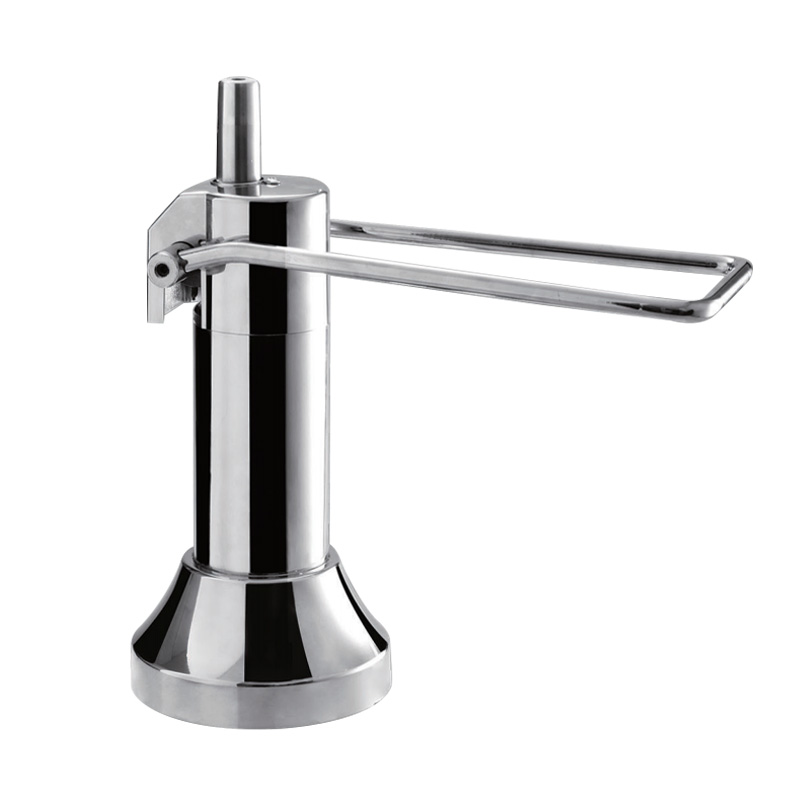
The Salon Chair Hydraulic Base is what lets a barber pump the chair up or down between clients of different heights, or lower it for detail work around the neckline. It's the part that makes barber chairs feel adjustable rather than fixed.
The two components work together in a few practical ways:
- The lower plate anchors the hydraulic column so it doesn't tip during height changes
- Smooth height adjustment depends on a stable foundation underneath
- Barbers can reposition clients quickly without fighting the chair's structure
- The combined setup keeps the chair usable across a wider range of client sizes and cutting styles
A shop running back-to-back appointments benefits directly from this pairing — less time spent wrestling with equipment means more time actually cutting hair.
Flexible Designs for Different Shop Layouts
Not every barbershop looks the same. A one-chair shop tucked into a small storefront has completely different space needs than a ten-chair operation in a strip mall. Manufacturers have had to respond to that range rather than building one design that fits everyone.
Flexibility shows up in a few areas:
| Design Focus | What It Solves |
|---|---|
| Adjustable base configurations | Fits chairs into narrower or wider spacing |
| Practical shapes | Works in both classic and modern shop layouts |
| Functional structures underneath | Handles daily use without extra upkeep |
| Current styling choices | Keeps chairs feeling current rather than dated |
A shop owner outfitting five chairs in a tight storefront is thinking about very different constraints than someone furnishing a spacious barbershop with room to spare — and this part of the chair has had to stretch to cover both situations.
Why Compact Layouts Keep Coming Up
Commercial rent hasn't gotten any friendlier to small business owners, and a lot of barbershops are working with less square footage than they might prefer. That reality shapes furniture choices directly.
Design choices at the bottom of the chair contribute to tighter layouts through:
- Footprints that don't eat up walking space between chairs
- Cleaner floor lines that make a small shop feel less cluttered
- Structures that don't require extra clearance for movement
- A look that still feels professional even in a compact setup
A barber working in a narrow shop knows exactly how much a few extra inches of clearance around each chair can matter over the course of a busy Saturday.
Material Choices Behind This Foundation Piece
What this component is made from affects more than just how long it lasts. It shapes the finish, the weight, and how much upkeep a shop owner ends up dealing with over the years.
Common considerations include:
| Consideration | Why It Comes Up |
|---|---|
| Long-term durability | Chairs get used daily, often for years without replacement |
| Finish and appearance | Needs to hold up visually alongside the rest of the chair |
| Ease of cleaning | Hair clippings, product residue, and foot traffic add up |
| Structural reliability | Supports the chair's overall performance over time |
A shop owner replacing chairs every few years because the base corroded or scuffed badly ends up spending more in the long run than one who picked a slightly more durable option upfront.
What Clients Notice Without Realizing It
Most people sitting down for a haircut aren't consciously evaluating the structure underneath the seat. But comfort, stability, and the general feel of the shop still register, even if only as a vague impression of "this place feels nice" or "this chair feels solid."
Things clients tend to respond to, even indirectly:
- A chair that feels steady when leaned back
- A shop that looks put together rather than mismatched
- Seating that feels current rather than worn out
- An overall sense that the barber invested in the space
None of this requires a client to know anything about hydraulic columns or floor plates — they just feel the difference between a shop that thought about these details and one that didn't.
Why Customization Keeps Growing
Two barbershops a few blocks apart might have completely different identities — one going for a retro, leather-and-wood aesthetic, the other leaning into a minimalist, all-black setup. Manufacturers have responded by offering more room to customize this lower structure rather than sticking to one look across the board.
Customization tends to show up in:
| Custom Area | What It Lets Owners Do |
|---|---|
| Chair upholstery and finish | Matches the shop's overall color palette |
| Base styling | Ties the chair's foundation into the room's look |
| Functional add-ons | Adjusts the chair to specific service styles |
| Overall silhouette | Helps a shop stand out from competitors nearby |
This flexibility means two shops can order chairs from the same manufacturer and end up with setups that look nothing alike once they're in place.
Where This Is Headed
Barbershops aren't going to stop caring about atmosphere anytime soon, and that means the equipment inside them will keep getting more thought put into it — right down to the Barber Chair Base Plate holding everything up. As shops keep working with tighter spaces, more varied layouts, and clients who notice their surroundings more than they used to, this part of chair design will likely keep adjusting alongside those pressures, working hand in hand with hydraulic systems to meet daily demands.
The part sitting closest to the floor ends up shaping a surprising amount of what happens above it — how steady a chair feels, how well it fits a room, and how long it holds up through years of daily use. That's a lot of responsibility for a component most people will never think to ask about.