
 En
En Português
 عربى
عربى
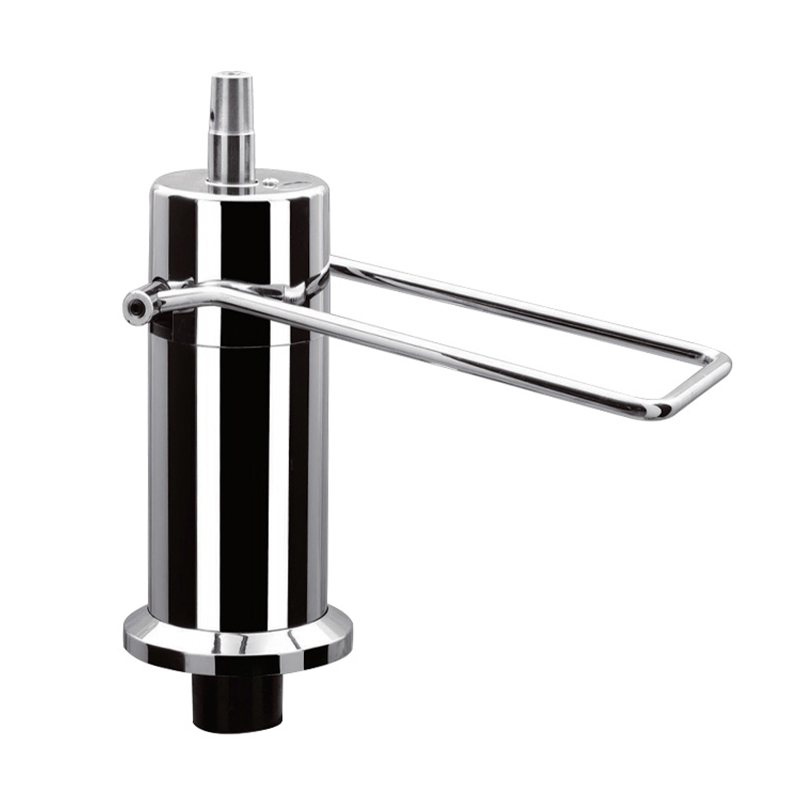
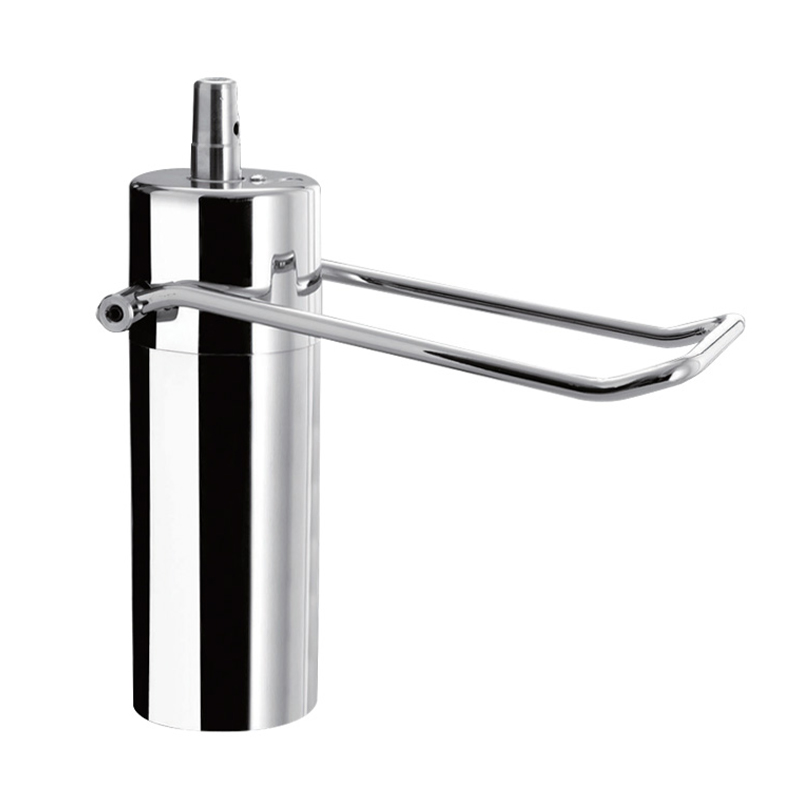
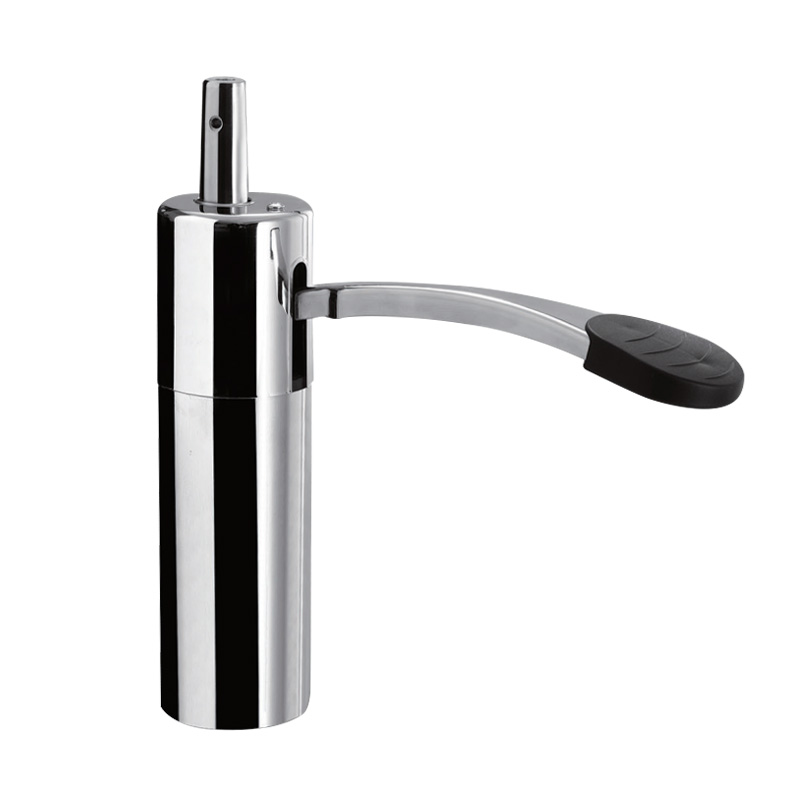
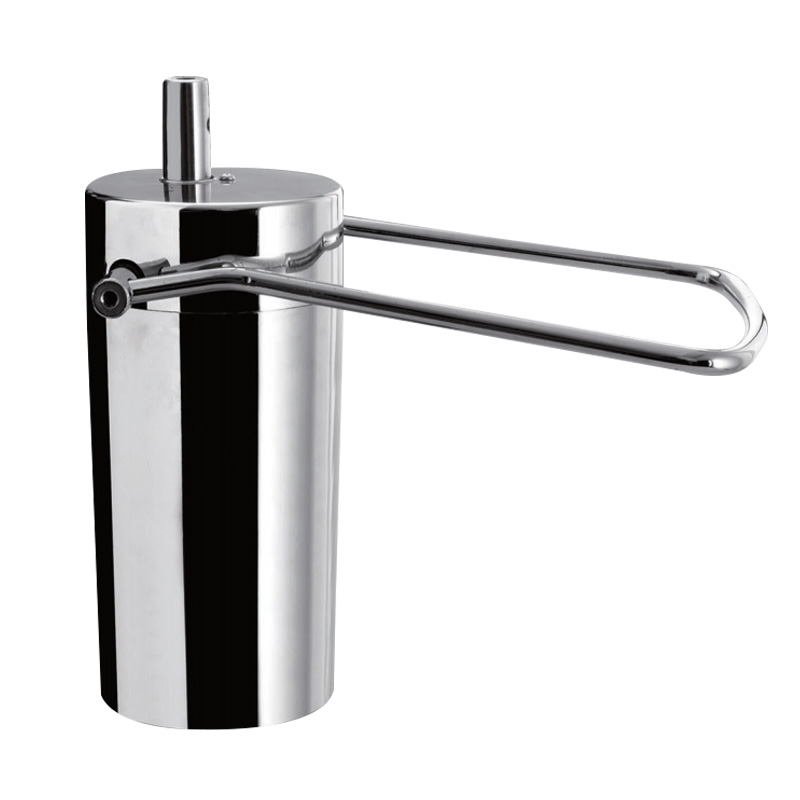
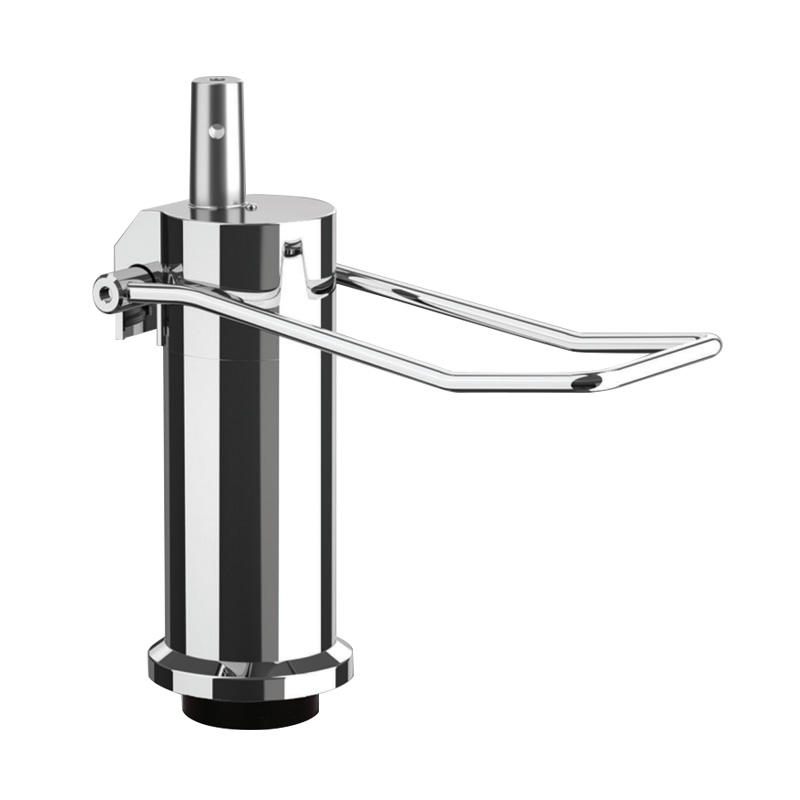
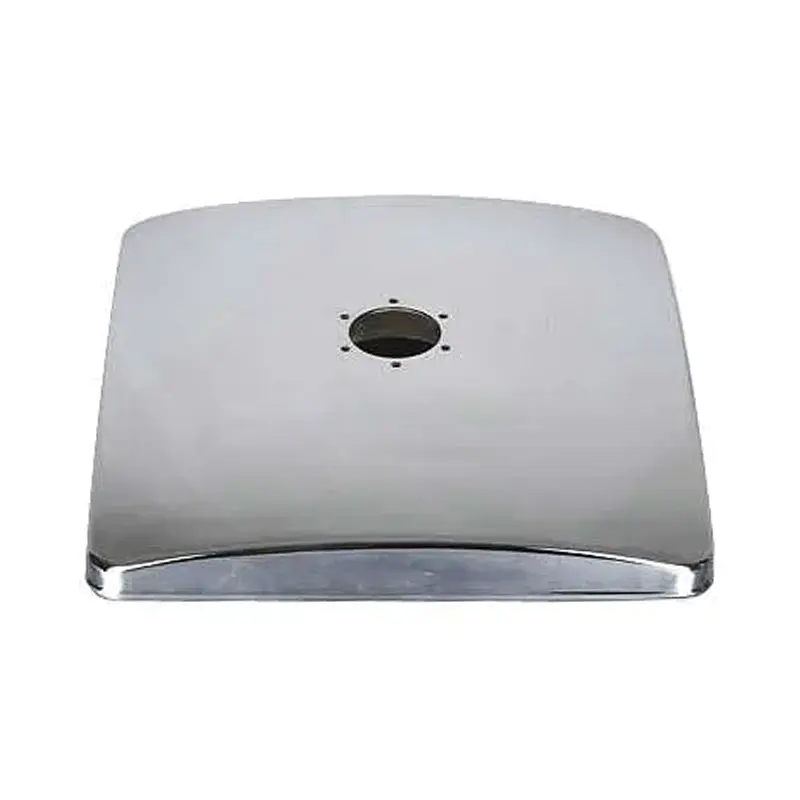
Picking out a Salon Chair Hydraulic Base often gets pushed to the bottom of the list while buyers spend most of their attention on upholstery color and seat shape. That order tends to backfire once the chair is actually sitting on the salon floor. The base is what handles every height adjustment, every swivel, every shift in weight as a client sits down or leans back during a cut. A chair that looks great in a catalog photo can still feel wobbly or clunky once it's in daily use, and by then the mistake is a lot harder to fix than picking a different fabric would have been.
Why Does the Hydraulic Base Matter So Much?
The base is probably the least glamorous part of a salon chair, and that's exactly why it gets overlooked.
Raising the seat between clients, lowering it for a shampoo, swiveling a chair so a client can see the mirror from a different angle — all of that runs through the hydraulic mechanism dozens of times a day. A stylist doesn't think about the base consciously, but they'd notice immediately if it started sticking or wobbling mid-appointment.
Fabric and seat design shape how a salon looks in photos. The base shapes how the chair actually feels to work with, appointment after appointment, for years.
What Different Base Shapes Show Up in Salon Chairs?
Some Bases Take Up More Floor Space Than Others
Base shapes vary more than people expect once they start comparing side by side.
A wider base tends to give a chair a heavier, more grounded look, which some salons like for a front-of-house feel. A narrower base takes up less visual space and can make a small salon feel less crowded.
Neither shape is automatically the right pick. It comes down to how much floor space is actually available and how many chairs need to fit in a room without stylists bumping elbows all day.
How Easy Is the Surface to Wipe Down?
The outer finish deserves more attention than it usually gets.
Some surfaces wipe clean in a few seconds after a haircut. Others hold onto stray hair, dust, or hairspray residue in a way that makes them look grubby by mid-afternoon even after a quick wipe.
Before settling on a finish, it helps to picture the base after a full week of walk-ins rather than just how it looks under showroom lighting.
Does the Chair Actually Feel Stable When You Sit In It?
Looks can be deceiving here.
A base can look sturdy standing next to it in a showroom and still feel different once someone's actual body weight is sitting on top of it, shifting around during a haircut or color appointment.
Sitting in the chair and moving around a bit — raising it, lowering it, turning side to side — tells you a lot more than staring at it from across the room.
Is the Movement Smooth or Jerky?
Pay less attention to how fast the chair adjusts and more to how it feels while adjusting.
A base that jerks or catches partway through a lift interrupts the flow of a service and makes clients feel less at ease. A base that moves in one steady motion, even slowly, tends to feel more solid and trustworthy over time.
What About Height Adjustment?
Height adjustment gets used constantly through a normal workday, more than almost any other feature on the chair.
Clients come in all different heights. Stylists develop their own working posture over months and years and often want the chair set slightly differently than the last person who used it.
Does It Respond to Small Adjustments Well?
Instead of testing one big movement, try a handful of small nudges up and down.
Small adjustments happen constantly in a real appointment — between washing, cutting, and styling — so this test tells you more about daily use than one dramatic lift ever could.
Does It Hold Its Position Afterward?
Once the chair is set at a height, it shouldn't drift or sink on its own.
A stylist who has to keep re-adjusting a chair mid-cut loses focus on the actual work, which isn't good for anyone — the stylist, the client, or the schedule for the rest of the day.
How Does Base Design Affect the Rest of the Workday?
Is There Room for Feet Underneath?
Stylists spend a workday circling the chair constantly, stepping side to side to reach different angles.
If the base is bulky or the footrest area is cramped, a stylist ends up working around the furniture instead of the client, which gets old fast during a busy shift.
Can You Actually Clean Under It?
Hair falls all day, every day, in a working salon.
Some base shapes make it simple to sweep or vacuum underneath without much thought. Others have tight corners or gaps that trap loose hair and turn into a chore every single day.
Crouching down and actually looking underneath a chair before buying feels unnecessary in the showroom, but it saves a lot of frustration once the chair is in daily rotation.
Which Finishes Hold Up Better Over Time?
Salons are messy environments by nature — water, hair color, styling products, constant hand contact.
Smooth Finishes Tend to Wipe Clean Faster
A smooth surface usually sheds product residue and dust with a quick wipe, keeping the chair looking presentable through a busy day without constant scrubbing.
Appearance Should Hold Up After Repeated Cleaning
It's worth thinking past how a finish looks on day one and picturing how it holds up after months of regular cleaning.
A finish that scratches or dulls quickly ends up looking tired long before the chair is actually worn out mechanically.
How Do You Judge Build Quality Without Being an Expert?
Plenty of buyers assume they need technical training to evaluate a hydraulic system properly. In practice, a bit of hands-on attention usually tells you what you need to know.
Look Closely at How Parts Fit Together
Check the seams where the base meets the pole, and where the pole meets the seat. Everything should line up evenly without visible gaps or uneven edges.
Try the Chair More Than Once
A single test lift doesn't tell you much.
Rotate it a few times. Raise and lower it repeatedly. Sit down, stand up, sit down again.
Doing this a handful of times gives a much better sense of how the chair will actually behave after weeks of real use.
Think About the Whole Package, Not One Feature
Rather than fixating on one part, pay attention to how the base, pole, and seat move together as a single unit.
A chair where everything works in sync tends to feel more comfortable to use every single day.
What Should You Ask Before Making a Final Decision?
Turning vague impressions into direct questions tends to make the choice easier.
| Question | Why It Matters |
|---|---|
| Does this base fit the floor space available? | Keeps the layout workable for staff and clients |
| Is the base easy to clean day to day? | Cuts down on daily upkeep |
| Does the height adjustment feel natural? | Affects comfort during every appointment |
| Does movement stay smooth after repeated use? | Signals whether wear will show up soon |
| Does the base suit different stylists' habits? | Supports a chair used by more than one person |
Asking these questions pushes the decision past appearance and into how the chair will actually function once it's part of the daily routine.
Comparing hydraulic bases side by side, rather than relying on photos or a quick glance in a showroom, tends to surface differences that aren't obvious until someone actually sits down and starts adjusting the chair. Every salon runs a little differently — different floor space, different service mix, different habits among the stylists working there — so the right base often comes down to what fits those specific routines rather than whatever looks trendiest on a display floor. Taking the time to sit in a chair, test the adjustments a few times, and check underneath before buying tends to pay off months later, once the chair has settled into daily use and either holds up the way it should or starts showing the kind of wear that shortcuts in the buying process usually lead to.