
 En
En Português
 عربى
عربى
Pumping a salon chair handle and feeling it sink slower than it used to, or noticing a chair that used to hold its height perfectly now drifts down a few inches during a client's haircut, is the kind of small annoyance that eventually makes a salon owner start asking questions about what's actually happening underneath the seat. If you've been searching for how a Salon Chair Hydraulic Base actually works, that curiosity usually comes from wanting a clear answer before buying a replacement, troubleshooting an existing chair, or just understanding what you're paying for the next time a supplier quotes a price. A Salon Chair Hydraulic Base handles a job most clients never think about, quietly supporting vertical movement, holding different working heights, and keeping a stylist's daily routine running smoothly through dozens of client appointments. The outside might look like a simple metal column, but underneath sits a coordinated system built to manage controlled movement, hour after hour, week after week.
What Is a Salon Chair Hydraulic Base Actually For?
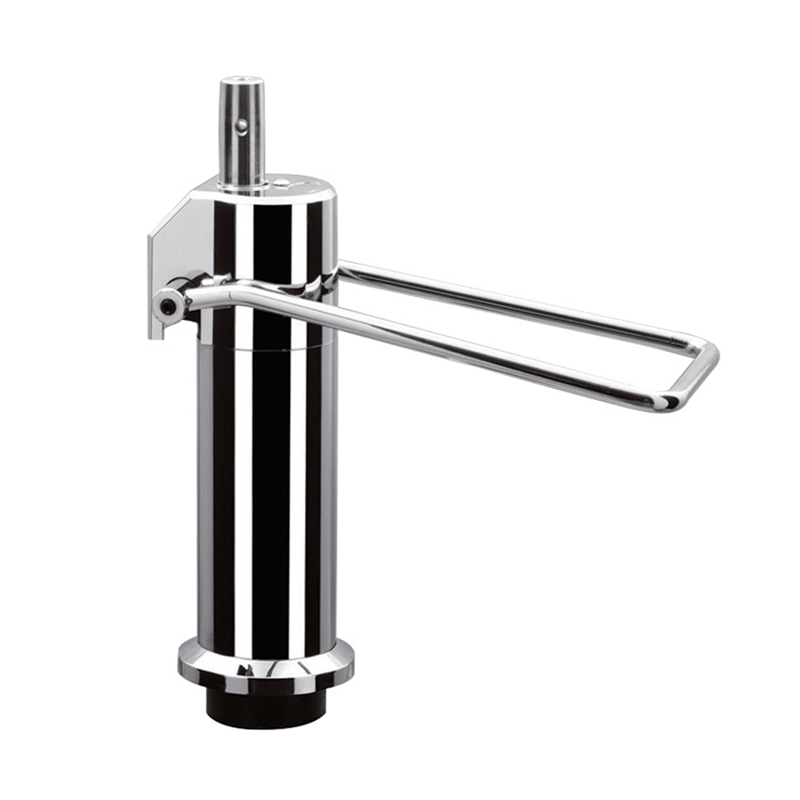
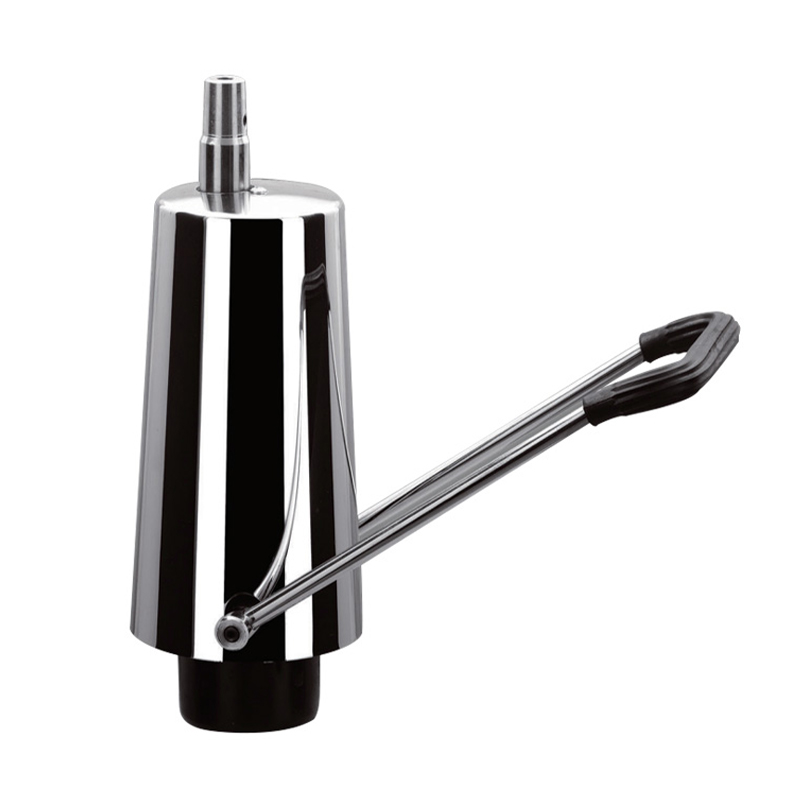
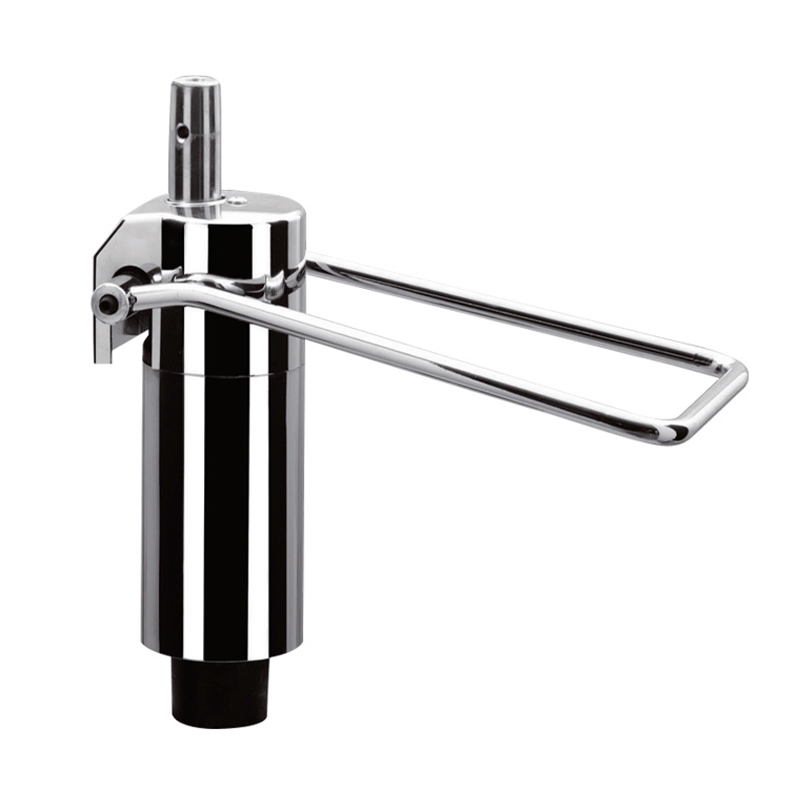
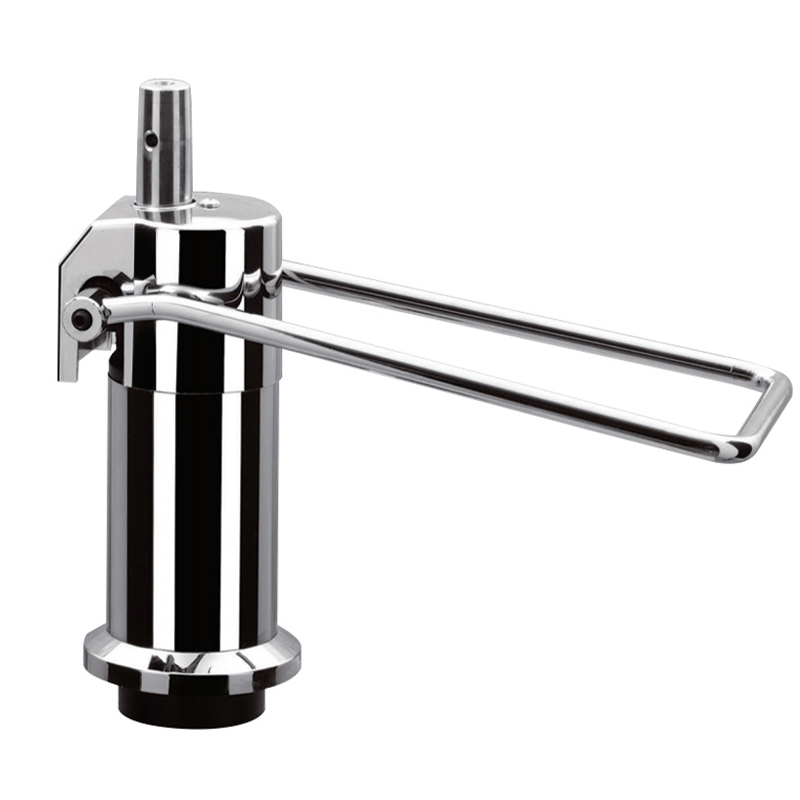
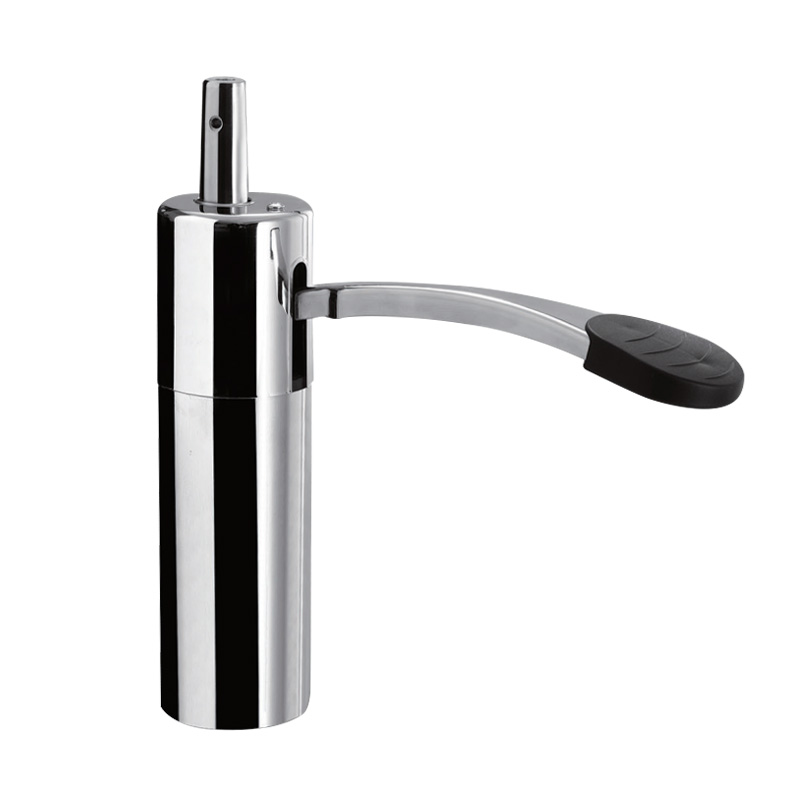
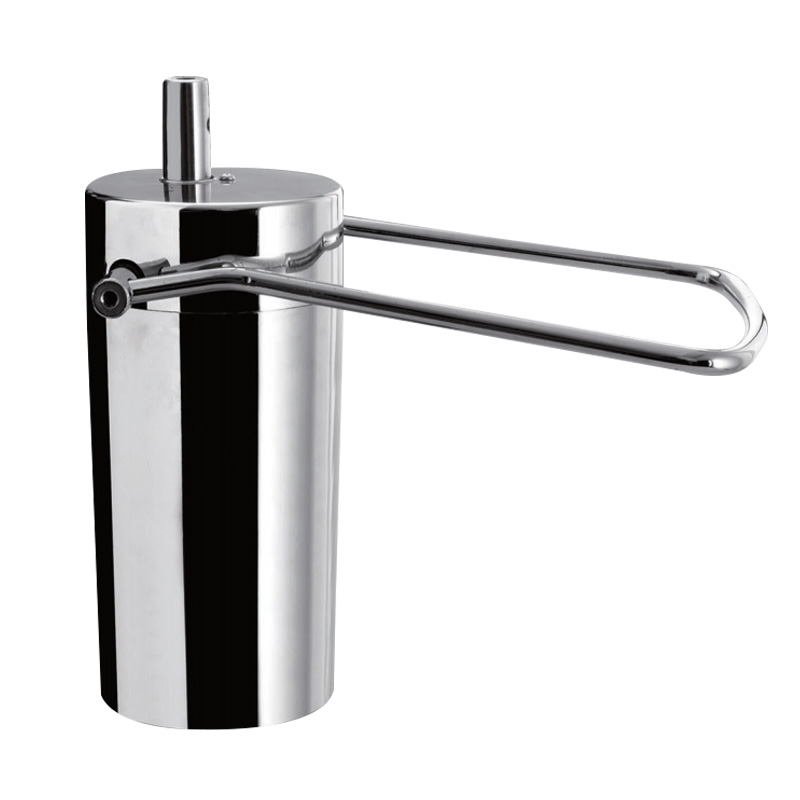
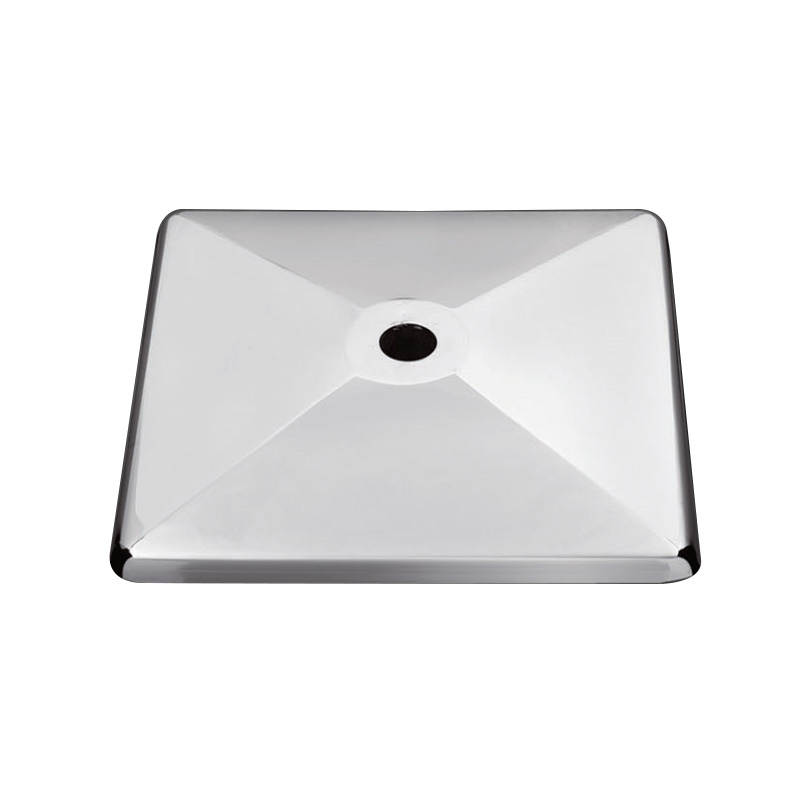
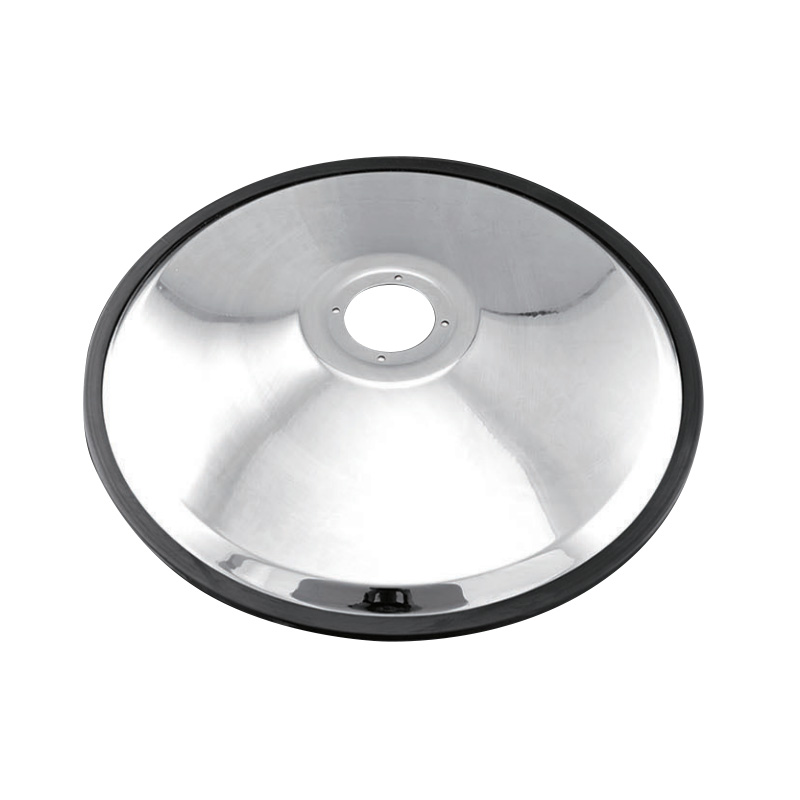
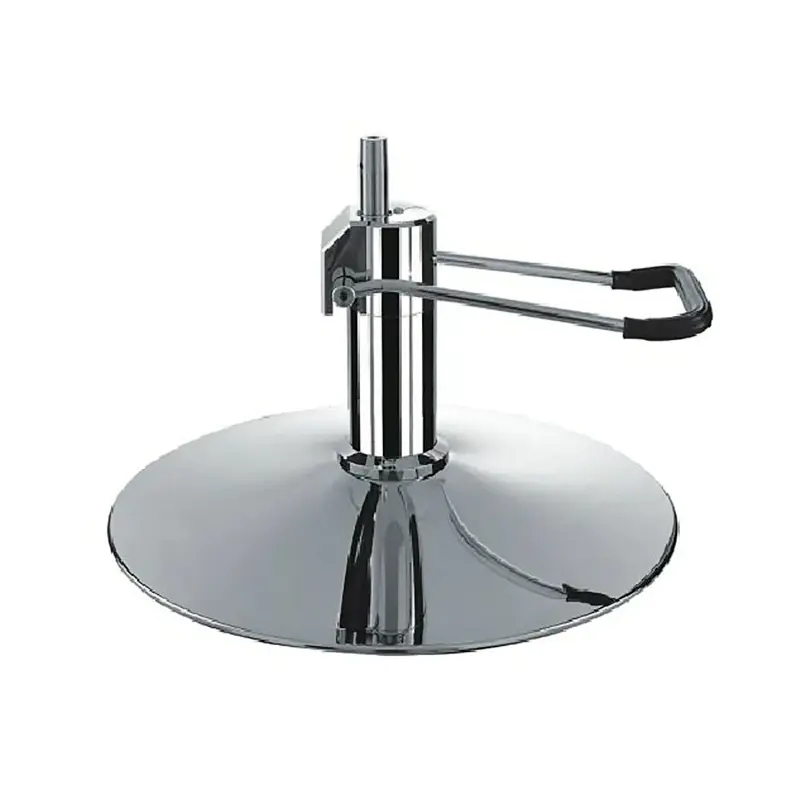
A Salon Chair Hydraulic Base connects the chair itself to the floor while providing the lifting function that allows height adjustment during a service.
Different salon tasks genuinely need different working heights. A stylist doing detailed color work might need the chair raised higher to see clearly, while a simple trim might work fine at a lower height that's easier on the stylist's back over a full day of appointments. Without an adjustable base handling this, changing positions between clients would mean far more physical effort and a noticeably clunkier working experience.
| Function | Role in Daily Use |
|---|---|
| Height adjustment | Lets the chair position change quickly between clients |
| Weight support | Keeps the seat stable while someone's sitting in it |
| Movement control | Provides smoother, more controlled position changes |
| Connection support | Links the chair structure securely to the floor |
The hydraulic base isn't just a piece holding the chair up off the ground. It shapes how the entire chair feels every time someone adjusts it during a busy shift.
How Does the Lifting Mechanism Actually Create Movement?
The basic principle behind hydraulic lifting relies on fluid pressure contained inside a sealed system.
When someone pulls the adjustment lever, internal components respond and create movement through that sealed system. Force gets transferred through fluid inside the mechanism, letting the chair rise or lower in a controlled, predictable way rather than dropping suddenly or requiring manual lifting.
From the outside, this looks almost effortless. A stylist pulls a lever, the chair drops smoothly to the height they need, and they get back to cutting hair without a second thought. Underneath, several components are working together to make that simple motion actually happen:
- Activation of the adjustment control when the lever gets pulled
- Movement of internal components responding to that activation
- Pressure changes happening within the sealed hydraulic system
- Controlled, steady movement of the chair itself as a result
This entire design exists so nobody has to manually crank a chair up or down between every single client throughout the day.
Why Does Stability Matter Just as Much as Movement?
Smooth movement alone doesn't make a good salon chair. A chair also needs to stay steady once it's actually in position, holding still while a stylist works around a client's head with scissors or a razor.
A chair that adjusts easily but wobbles or drifts once it's set creates real discomfort for both the stylist trying to work precisely and the client sitting there noticing the seat shift slightly every few minutes. The base needs to balance genuine flexibility during adjustment with solid support once that adjustment is done.
The connection between the floor and the chair structure shapes how the whole setup feels during a normal working day. A stable foundation cuts down on unnecessary movement while a service is actually happening, which matters more than it sounds when someone's holding sharp scissors near a client's ear.
A few things influence how stable a base actually feels:
- The general condition of the base itself after months or years of use
- How carefully the chair was installed in the first place
- How much wear has built up gradually through daily use
A well-maintained base tends to feel far more predictable simply because the internal system can move without fighting against unnecessary resistance or wear that's built up over time.
What Parts Actually Work Together Inside the Base?
Stylists mainly interact with the adjustment lever on a daily basis, but the internal structure underneath includes several parts all working together to make that lever actually do something useful.
Each component handles a specific role. Some manage the actual lifting movement, while others exist purely to maintain balance and support once the chair is in position.
| Component Type | General Purpose |
|---|---|
| Outer housing | Protects the internal parts from dust and damage |
| Hydraulic cylinder | Handles the actual lifting movement |
| Control mechanism | Lets the user trigger height adjustment |
| Support structure | Helps maintain balance during use |
| Connection parts | Secure the chair firmly to the base |
These parts genuinely need to work together properly for the whole system to feel smooth. If one area starts developing a problem, whether that's a worn seal or a loose connection point, the entire movement experience tends to change, sometimes gradually enough that nobody notices right away.
For buyers evaluating a new chair or troubleshooting an existing one, understanding these basic components makes conversations with suppliers or repair technicians far more productive than just saying "the chair feels weird."
What Problems Actually Show Up Over Time?
Like any part getting used constantly throughout a workday, a hydraulic base changes gradually the longer it stays in service.
Daily adjustment puts repeated pressure on the internal structure every single time a stylist pulls that lever. Small issues tend to show up slowly rather than announcing themselves all at once during a Tuesday afternoon appointment.
A few common signs worth watching for:
- The chair doesn't hold its height and slowly sinks during a service
- Height adjustment starts feeling stiff or requires more effort than usual
- Movement feels jerky or uneven instead of smooth
- The base makes an unusual sound during adjustment, like a hiss or a clunk
- The chair feels noticeably less stable than it used to, even when fully raised
None of these situations automatically mean the whole chair needs replacing. Sometimes the fix is as simple as a maintenance adjustment or replacing one specific component rather than the entire base.
Catching these early signs matters, especially since a chair failing mid-appointment on a busy Saturday creates a much bigger headache than catching a small issue during a quiet Monday morning.
How Does Regular Care Actually Help?
Plenty of salon staff spend time keeping the chair's upholstery and visible surfaces clean while completely overlooking the mechanical parts sitting underneath, out of sight.
The hydraulic base benefits from the same kind of regular attention. Dust, stray hair, styling product residue, and general salon humidity can all gradually affect how the mechanism performs over months of daily use.
A few simple habits that genuinely help:
- Keeping the area around the base clean and free of hair buildup
- Checking periodically for any visible changes like rust or looseness
- Avoiding unnecessary impact, like kicking the base or letting a client drop into the chair too hard
- Confirming connections stay secure rather than assuming they always will
- Following whatever maintenance routine the manufacturer actually recommends
Staying familiar with how a chair normally operates through this kind of regular observation makes it far easier to notice when something's actually changed, rather than only realizing there's a problem once the chair is visibly struggling mid-service.
Maintenance here isn't only about fixing things once they break. It's about understanding the actual condition of the equipment well enough to prevent surprise interruptions during a fully booked day.
How Should a Salon Owner Actually Choose a Base?
Picking a Salon Chair Hydraulic Base involves a lot more than glancing at how it looks in a catalog photo.
The right choice really depends on how the chair will actually get used day to day, what kind of salon environment it's going into, and how much daily workload it needs to handle without breaking down early.
A few practical questions worth working through before buying:
- Does this base actually match the structure and weight of the chair it's paired with?
- Is the range and smoothness of movement suitable for the kind of services this salon offers?
- Will maintenance be reasonably convenient once the chair's actually in daily use?
- Does the design support comfortable, efficient adjustment throughout a full day of clients?
- Can this base genuinely hold up under regular daily use conditions, not just occasional light use?
Working through these questions builds a much clearer picture before committing to a purchase, rather than choosing based purely on price or how a chair looks sitting in a showroom.
A hydraulic base worth buying should actually fit how a specific salon operates day to day, rather than just matching whatever visual style someone happened to like at first glance.
Why Does Understanding This Actually Help Salon Owners?
Plenty of salon owners think about chairs mostly in terms of appearance and client comfort, and those things genuinely matter for the overall salon experience. The hidden mechanism underneath, though, shapes daily operation in ways that are easy to overlook until something goes wrong. Understanding how a hydraulic base actually works helps owners communicate more clearly with suppliers when something needs fixing, spot potential issues before they turn into a bigger disruption, and make more informed decisions when it's time to replace a part or an entire base. The hydraulic system ties together several practical parts of daily salon work. It shapes how the chair moves, how comfortable the experience feels for both stylist and client, how maintenance gets planned, and how long the chair actually lasts before needing replacement. A clearer understanding of this mechanism lets buyers look past just the surface design and think seriously about how a chair will actually hold up through months and years of daily salon activity. Knowing how the adjustment system works, how the individual parts cooperate underneath the surface, and how regular care shapes long-term performance gives salon professionals a much clearer picture of what actually supports a reliable working setup. The hydraulic base stays hidden beneath the chair the entire time, yet it quietly shapes every adjustment, every appointment, and every interaction happening above it throughout an ordinary working day.