
 En
En Português
 عربى
عربى
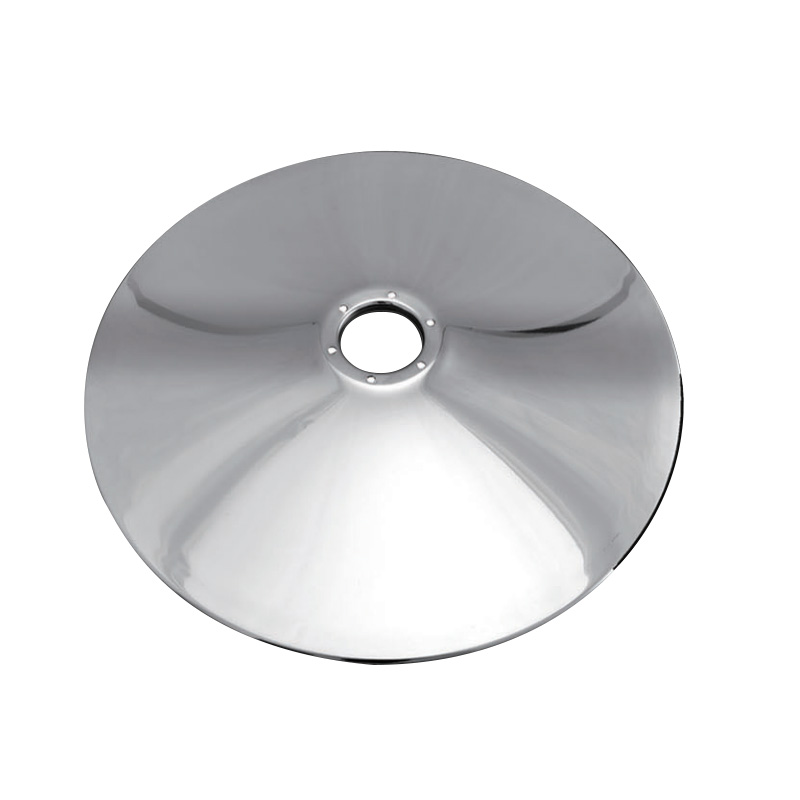
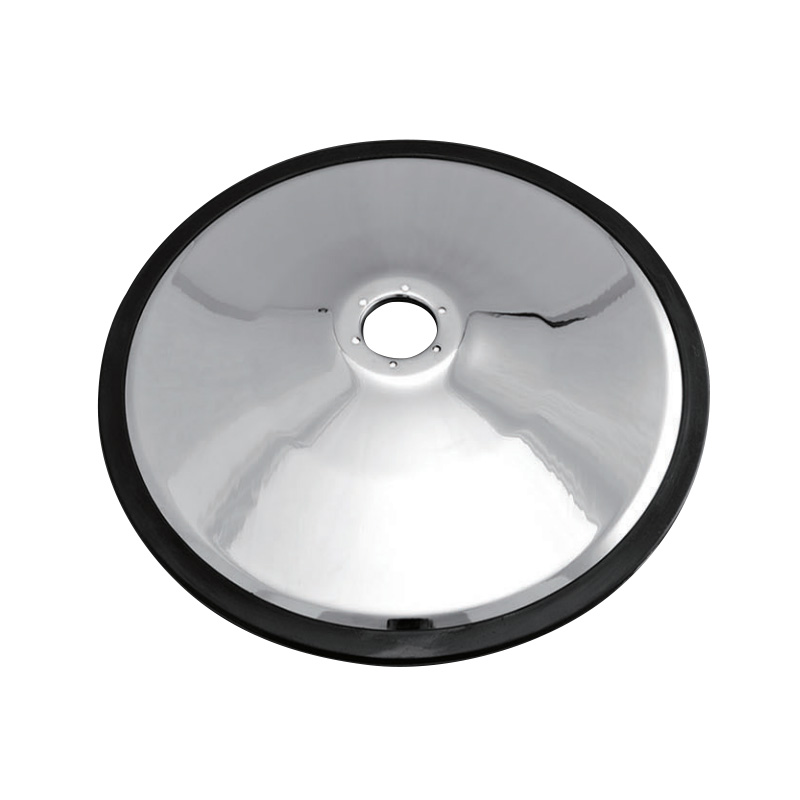
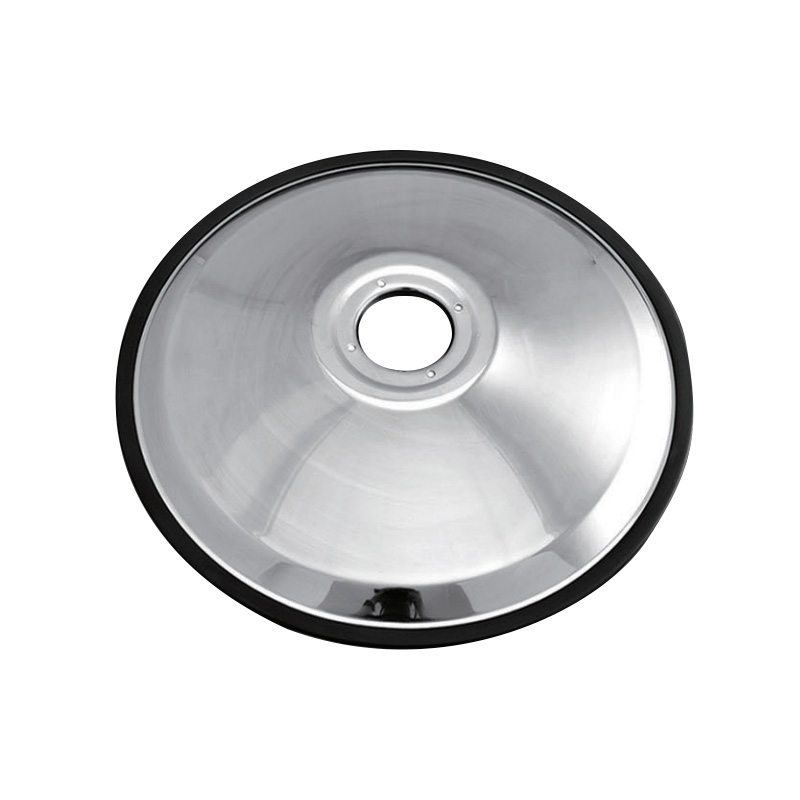
A barber chair appears simple enough from where a customer sits, yet underneath all that padding and swivel motion sits a small component doing a great deal of quiet work: the base plate. Positioned at the bottom of the chair, wedged between the frame and the floor, it spreads the weight of both the chair and its occupant, keeping the whole unit from rocking or sliding during service. Salon owners rarely give this part much thought until a chair starts feeling loose or something shifts in a way it shouldn't, at which point this often-overlooked component suddenly becomes the center of attention. Understanding what it does, and why it matters, makes decisions easier for anyone buying replacement parts, handling repairs, or simply trying to keep a chair in proper working order.
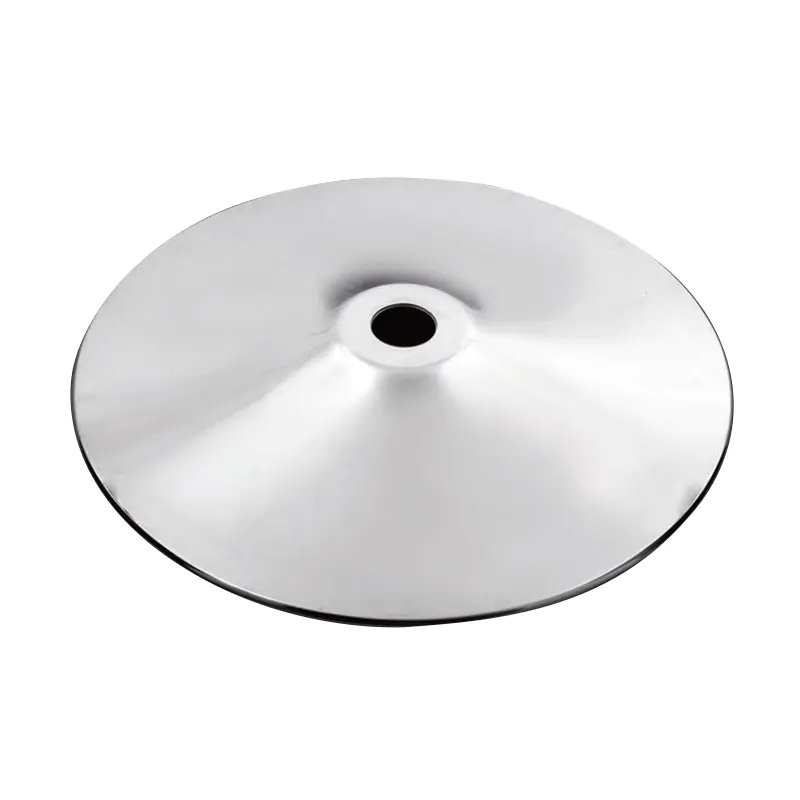
What Is a Barber Chair Base Plate?
Think of it as the anchor point. It sits at the bottom of the chair and its job is straightforward: connect the chair body to the floor and give it something solid to stand on.
You won't see it during a haircut, but it's working every second someone's in that seat. Sit down, shift your weight, stand back up — all of that movement travels down through the chair and lands on this one component.
Get the design right, and the chair stays balanced. Get it wrong, and you'll notice.
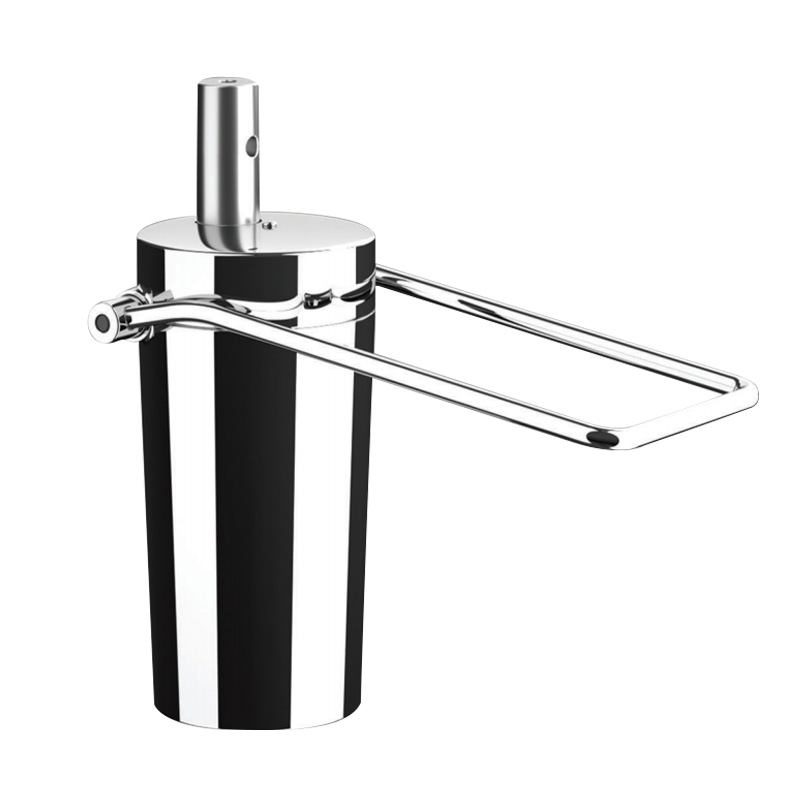
A handful of parts work alongside the base plate to keep a chair functional. The frame holds the seating structure together. A hydraulic or lifting mechanism handles height adjustments. Footrests and other support pieces keep customers comfortable through longer services. None of these do the base plate's job for it — they rely on it as their foundation, even if nobody designed them to think about it that way.
Here's the practical takeaway for salon owners: a problem hiding under the chair can ripple outward into everything else. An unstable chair doesn't just annoy the barber — it changes how the whole service feels to the person sitting in it.
How Does It Actually Work?
Nothing fancy here — it's really about support and spreading out pressure.
Someone sits down, and their weight moves through the seat, down through the frame, and eventually reaches the base plate. From there, the plate takes that pressure and distributes it across its contact area with the floor. That's what keeps the chair from tipping or sliding.
Salon chairs get put through a lot in a single day. People sit, stand, get adjusted, and the barber circles the station repeatedly. Through all of that back-and-forth, the base plate keeps the connection to the floor intact.
Broken down simply: a customer sits, the load travels downward through the chair, the base plate absorbs and supports that connection, and the chair stays put during service.
It's easy to overlook because it doesn't move the way a hydraulic lift or a reclining backrest does. Most repair conversations gravitate toward cushions or lift mechanisms — visible, obvious trouble spots. The base gets ignored right up until the chair stops feeling right.
Why Does This Part Actually Matter?
- Handling daily wear. Chairs get used over and over throughout a workday. A solid base plate absorbs that repeated motion without the chair loosening up or feeling less secure than it did that morning.
- Keeping things steady. Stability isn't optional for a piece of equipment like this. The base plate is what stops unwanted rocking or sliding, and it's especially noticeable whenever the chair gets adjusted or a customer shifts positions.
- Protecting everything else. When the foundation isn't doing its job, other parts start absorbing stress they weren't built to handle. Over time that wears things down faster than they should.
- Shaping the overall experience. Customers rarely know the technical name for any chair part. What they do notice is how the chair feels — solid or shaky, professional or worn out.
What Tends to Go Wrong?
Like any component that gets used constantly, base plates wear down eventually. How fast depends on usage patterns, upkeep, and the environment the chair sits in.
A connection can loosen over time, leaving the chair feeling unstable. The surface itself might get damaged, which can hurt both appearance and structural support. Ordinary wear from years of use gradually chips away at performance. And sometimes the wrong replacement part gets installed, which never fits quite right.
A lot of owners wait until there's an obvious problem before checking underneath the chair — that's backwards, honestly. Catching changes early, before they turn into real issues, saves both money and hassle down the line.
Because the base plate sits hidden beneath the chair, a quick glance often won't tell you much. Paying attention to how the chair behaves during normal, everyday use tends to reveal more than a visual inspection ever could.
Picking the Right Replacement
Grabbing a part because it looks roughly similar isn't really a strategy. Choosing correctly means thinking about chair design, how installation actually works, and what the chair gets used for.
Compatibility comes first — does the part actually match the existing chair structure? Material quality matters too, since that affects how long the thing lasts under daily pressure. Then there's the installation process itself, which can range from painless to genuinely frustrating depending on the part. And don't forget the environment: a busy urban salon and a quieter neighborhood shop don't necessarily need the same durability.
A base plate built for one chair model won't necessarily fit another, even if they look alike at a glance. That compatibility question deserves real attention before any purchase.
Owners juggling several chairs benefit from keeping their spare parts organized ahead of time — it saves a scramble later when something inevitably needs fixing.
Buy based on what the chair actually requires, not on which part happens to look closest to the original.
How Does Replacement Actually Happen?
Swapping out a base plate isn't something to rush, since this one component supports the entire chair above it.
The exact steps shift depending on the chair's design, but generally it comes down to disconnecting the old base, checking nearby parts for damage, and fitting the replacement in correctly.
Before pulling anything apart, it helps to look at the condition of surrounding components. Sometimes what looks like a base plate issue actually traces back to something else entirely.
A reasonable process looks something like this: check the chair's overall condition first, get the correct replacement part ready, carefully remove the old connection, install the new base plate, and then test the chair thoroughly once everything's back together.
The point isn't just swapping one part for another — it's getting the chair back to feeling solid and stable the way it should.
Anyone unfamiliar with chair repair might be better off calling in a professional here. A base plate installed poorly can cause more problems than it solves.
Keeping It Maintained
Most maintenance attention goes toward what customers can see — upholstery, cushions, styling touches. Makes sense, since that's what people notice first.
But the base deserves some of that same attention.
Wiping down the area around the base regularly keeps hair, dust, and grime from building up. Checking for looseness periodically catches problems before they get worse. Watching for changes in how the chair moves — even small ones — often reveals issues early. And connection points are worth a look during any routine equipment check.
Catching small problems while they're still small tends to be a lot easier than dealing with them after they've grown.
A barber chair is part of the daily rhythm of a working salon. Keeping every piece of it in decent shape, visible or not, keeps that rhythm running smoothly.
What Does This Mean for a Salon Day-to-Day?
Equipment reliability isn't a small thing in a busy shop. Chairs get used constantly, and even minor issues have a way of interrupting the flow of a workday.
Customers won't bring up the base plate in conversation, but it shapes how every single service feels from start to finish.
Barbers get to focus on their actual work — not on compensating for a chair that won't sit still. Customers get a smoother, more comfortable experience without necessarily knowing why. That's exactly why maintenance-minded owners keep an eye on parts that are easy to forget about.
A good chair isn't only about how it looks. What's hidden underneath plays just as real a role in the overall quality of daily use.
Why Bother Learning This Stuff?
Understanding how a base plate functions gives salon owners a firmer footing when it comes time to buy, repair, or maintain their equipment. It is not a flashy component, and it rarely draws attention the way upholstery or a sleek design detail might, but it quietly keeps everything else stable and functioning as intended. Matching the right base plate to the right chair and giving it regular care supports smoother operation with fewer surprises over time, and for anyone managing salon equipment, becoming familiar with these smaller, less visible parts makes the larger maintenance decisions considerably easier while keeping the shop running the way it should.