
 En
En Português
 عربى
عربى
A client shifting uncomfortably in the chair midway through a color treatment, glancing at the clock every few minutes, is not the experience any salon owner wants repeat business to depend on. Salon Chair Repair Parts and the accessories built around them play a bigger role in that discomfort than most owners initially realize, since a worn headrest or a stiff hydraulic pump can quietly undo an otherwise skilled service. If you have noticed clients fidgeting more than they used to, or heard a passing comment about a chair feeling off, this walks through which components actually affect comfort and what to do once they start wearing down.
Why Client Comfort Shapes the Whole Salon Experience
Comfort is not a minor detail tucked away behind the actual service being performed. It shapes how long a client can sit still, how relaxed they feel throughout an appointment, and whether they associate your salon with a positive experience worth repeating.
A client distracted by an uncomfortable chair rarely mentions it directly. More often, they simply notice the appointment felt longer than it should have, or they leave without quite pinpointing why the visit felt less enjoyable than expected. That subtle dissatisfaction adds up over repeated visits, eventually showing up as reduced loyalty or fewer referrals, even when the actual service quality never changed.
Salon owners who treat chair comfort as part of the overall service quality, rather than a separate maintenance afterthought, tend to see steadier client retention over time.
Which Salon Chair Accessories Actually Affect Comfort?
Several components work together to determine how a client experiences sitting through a service, and each one addresses a slightly different aspect of physical comfort.
- Headrests, supporting neck position during extended treatments like coloring or washing
- Footrests, reducing leg fatigue and improving circulation during longer appointments
- Adjustable armrests, allowing clients to rest arms naturally rather than holding tension
- Lumbar cushions, supporting lower back posture throughout the appointment
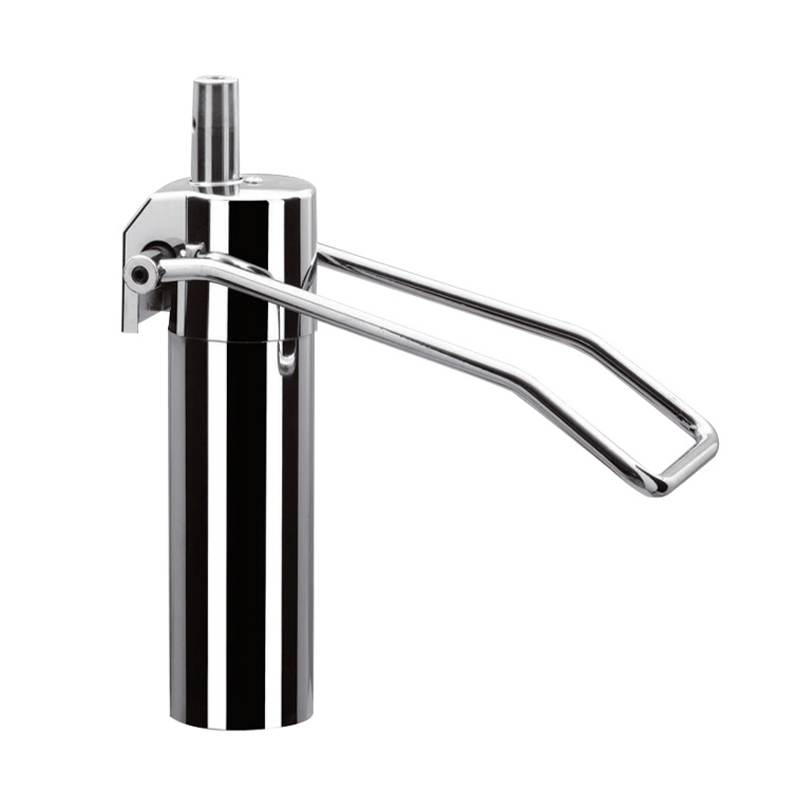
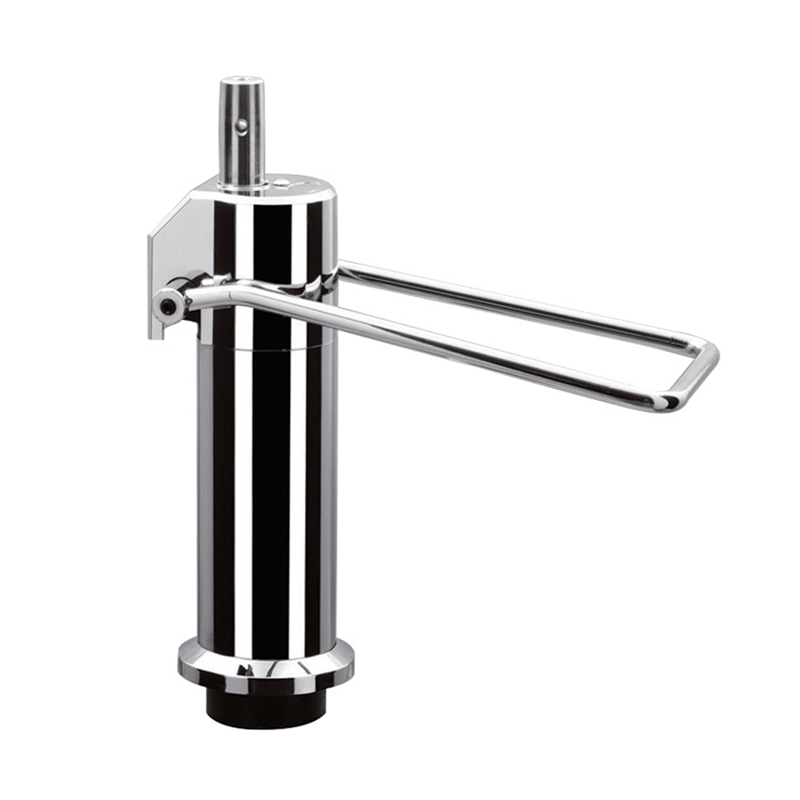
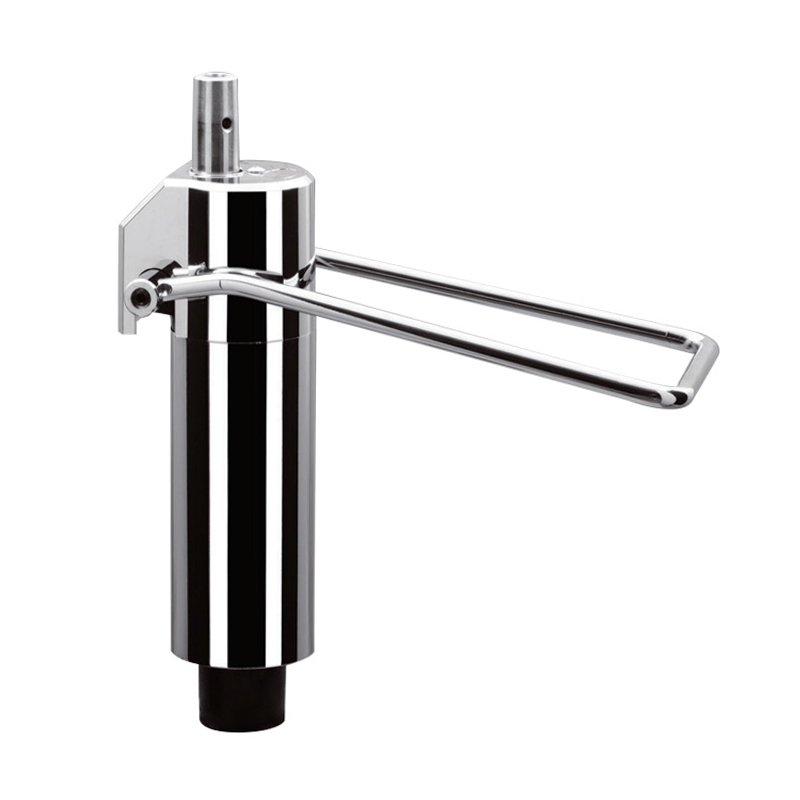
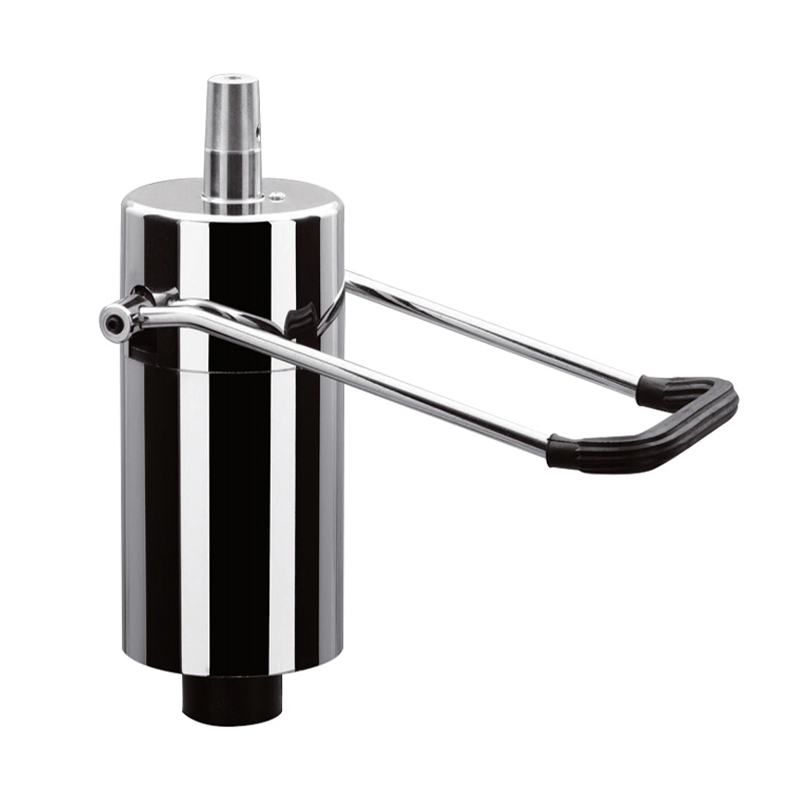
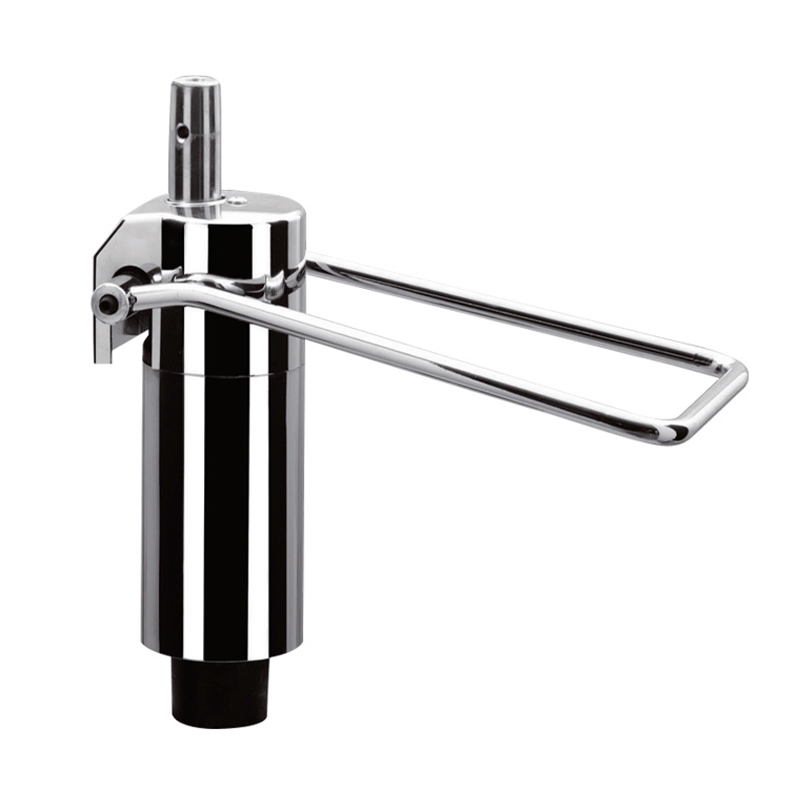
- Hydraulic systems, enabling smooth height adjustment without jarring or sudden drops
- Backrest mechanisms, allowing recline adjustments that match different service types
Each of these plays a distinct role, and a weakness in just one can undermine comfort even when everything else about the chair functions properly.
How Does a Headrest Influence Client Comfort During Services?
Neck strain builds up quickly during services that require holding a specific head position for extended periods. A properly cushioned, well positioned headrest distributes that pressure evenly, letting clients relax their neck muscles rather than unconsciously tensing throughout the appointment.
Worn or poorly padded headrests, by contrast, tend to create pressure points that clients notice within minutes, particularly during washing or color processing when head position stays fixed for a while.
What Happens When These Components Start Wearing Down?
Wear happens gradually, which makes it easy to overlook until a client actually says something or a staff member notices the chair behaving differently. A few common signs worth watching for:
- Cushions that feel noticeably flatter or less supportive compared to when new
- Hydraulic pumps that struggle to hold height steadily under weight
- Armrests that wobble or fail to lock securely in position
- Footrests that squeak, stick, or fail to extend smoothly
- Backrest mechanisms that recline unevenly or fail to return to upright position properly
None of these issues typically appear overnight. They build slowly through repeated daily use, which is part of why routine inspection matters more than waiting for an obvious failure.
Does Chair Wear Actually Affect Client Perception That Much?
It genuinely does, more than owners often assume. Clients may not consciously register that a hydraulic pump feels sluggish or that a cushion has flattened, but their body registers the discomfort regardless. That discomfort translates into shorter patience, more fidgeting, and sometimes a vaguely negative impression of the visit overall, even when they cannot articulate exactly why.
Comparing Comfort Components and Their Impact
| Component | Comfort Function | Common Wear Sign |
|---|---|---|
| Headrest | Neck support during extended positioning | Flattened padding, pressure points |
| Footrest | Leg support and circulation during longer sits | Sticking, squeaking, uneven extension |
| Armrest | Arm relaxation, reduced shoulder tension | Wobbling, failure to lock in place |
| Lumbar Cushion | Lower back posture support | Loss of firmness, visible sagging |
| Hydraulic System | Smooth height adjustment | Slow rise, uneven holding under weight |
| Backrest Mechanism | Reclining comfort for varied services | Uneven recline, difficulty returning upright |
Reviewing this kind of breakdown periodically helps salon owners identify which components deserve closer attention rather than assuming the chair as a whole is either fine or failing.
Repair or Replace: How Do You Decide?
Not every worn component needs full replacement, and figuring out which approach makes sense depends on a few practical factors.
A repair usually makes sense when:
- The underlying frame and structure remain solid
- Only a single component, such as a cushion or armrest pad, shows wear
- The chair is otherwise relatively new and represents a meaningful investment
Replacement becomes more sensible when:
- Multiple components show wear simultaneously, suggesting broader deterioration
- The hydraulic system itself has become unreliable rather than just a surface level issue
- Repair costs start approaching what a full component replacement would cost anyway
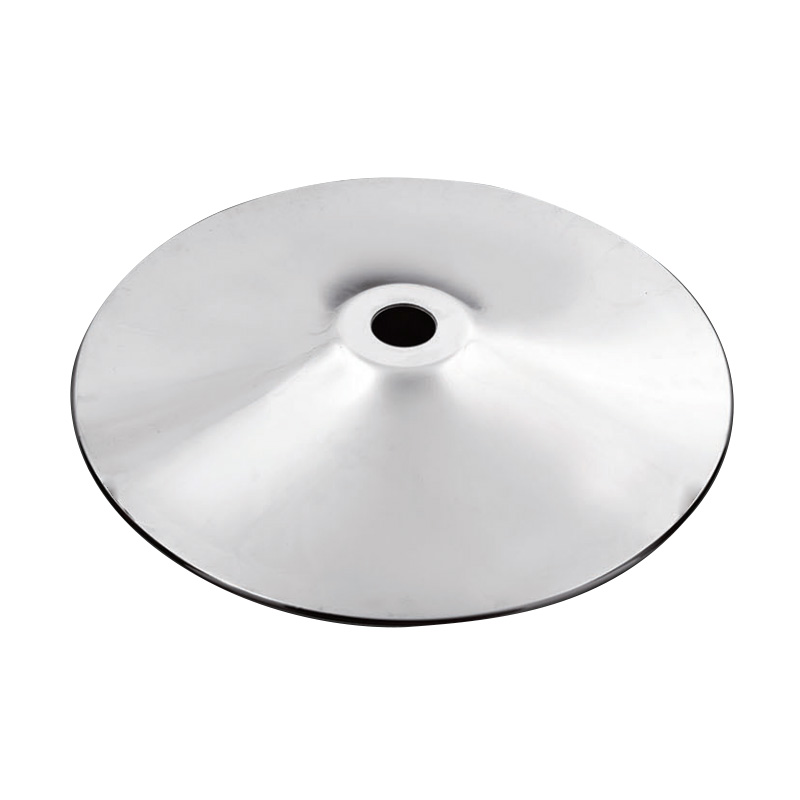
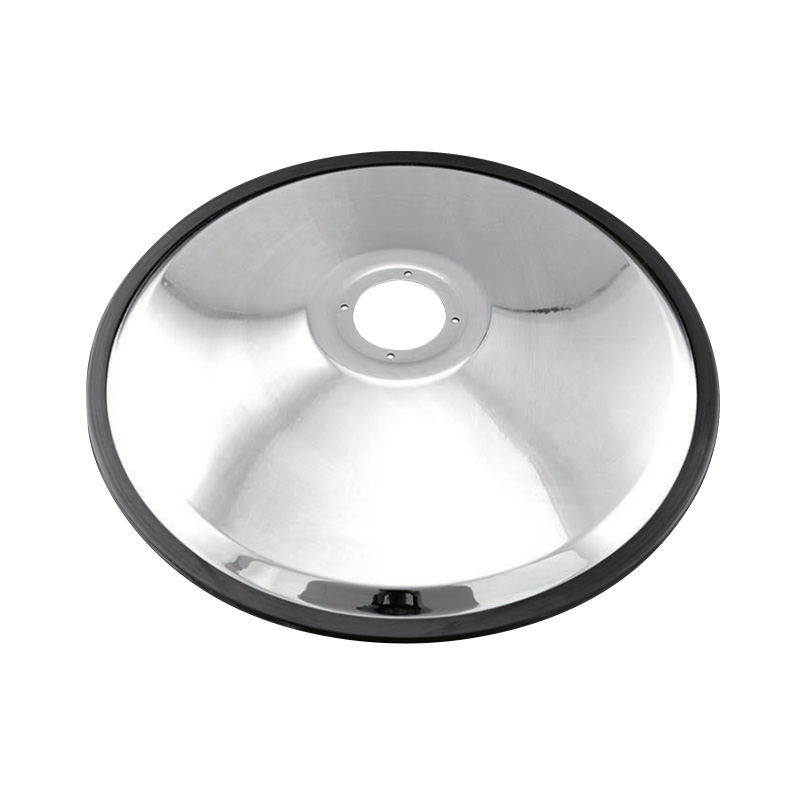
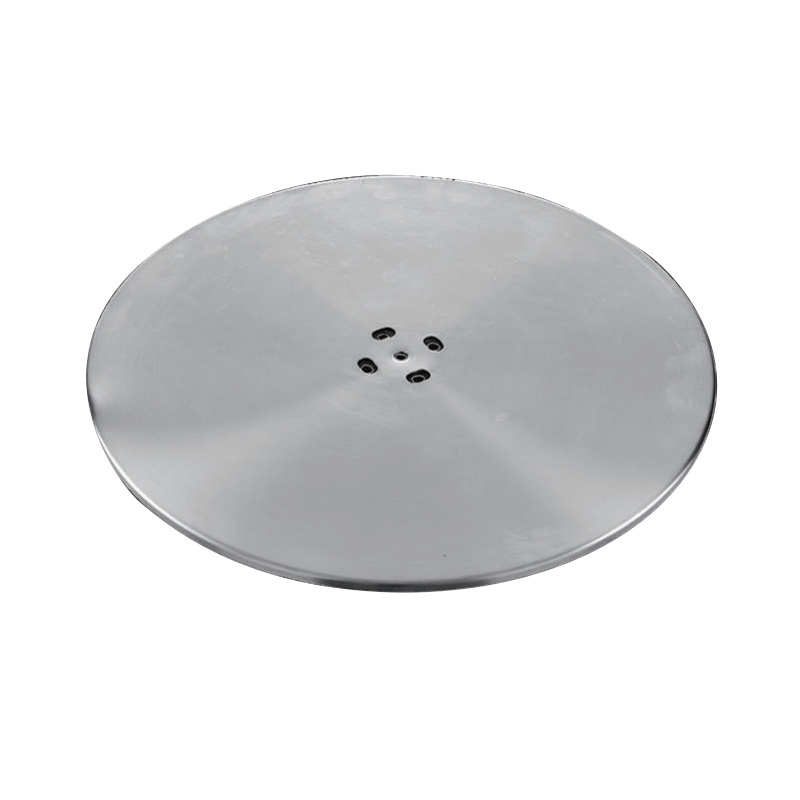
Salon Chair Repair Parts, including hydraulic pumps, footrest assemblies, and armrest hardware, allow targeted fixes without needing to replace an entire chair, which tends to be the more economical route when the core structure remains sound.
How Replacing Worn Parts Restores Comfort and Extends Chair Life
Swapping out degraded components does more than solve an immediate discomfort complaint. It also protects the surrounding structure from additional stress that a failing part can place on adjacent mechanisms.
A hydraulic pump struggling to hold height, for instance, often forces the surrounding frame and locking mechanism to compensate, accelerating wear across the whole assembly rather than staying isolated to the pump alone. Addressing that single failing part early tends to prevent a cascade of related issues down the line.
Quality Salon Chair Repair Parts, matched properly to the original chair specifications, restore both function and comfort without introducing compatibility issues that cheaper or mismatched components sometimes create. Getting this match right matters, since poorly fitted replacement parts can introduce new wobbling or misalignment problems even while technically solving the original complaint.
Building a Routine Maintenance Habit
Preventing discomfort before it starts tends to work out better than reacting to client complaints after the fact. A few habits worth building into regular salon operations:
- Inspecting hydraulic systems periodically for smooth, consistent height adjustment
- Checking cushion firmness across headrests, armrests, and lumbar support areas
- Testing footrest extension and locking mechanisms for smooth operation
- Watching for unusual noises during recline or height adjustment, which often signal early mechanical wear
- Keeping a simple log of which chairs have needed attention, helping spot patterns over time
This kind of routine does not need to be elaborate or time consuming. A few minutes of attention across each chair periodically catches most issues well before they reach the point of client complaints.
Bringing Comfort and Maintenance Together
Client discomfort rarely traces back to a single dramatic failure. It usually builds gradually through small, accumulating wear across headrests, footrests, armrests, and hydraulic systems that owners simply have not gotten around to inspecting closely. Paying attention to these components, understanding when a targeted repair makes more sense than full replacement, and keeping a simple maintenance routine in place all work together to protect both client comfort and the long term value of salon equipment. Wenling Jiafeng Machinery Co., Ltd works with salon owners navigating exactly these maintenance decisions, offering Salon Chair Repair Parts built to match original specifications so replacements restore comfort without introducing new compatibility problems. If your chairs have started showing signs of wear or client comfort has quietly slipped, reaching out to discuss which components need attention is a practical next step toward a smoother, more comfortable client experience.