
 En
En Português
 عربى
عربى
A salon chair that starts creaking, sinking slower than it should, or refusing to lock into position rarely announces itself as an emergency. It just becomes a daily annoyance that eats into appointment time and makes staff nervous about who sits where. For anyone sourcing Salon Chair Repair Parts, the real question underneath the shopping cart isn't "what's broken" but "is it worth fixing, or should this component just be swapped out entirely." That decision, small as it sounds, has a way of quietly draining a maintenance budget if it's made without much thought.
What Actually Wears Out First on a Salon Chair?
Hydraulic pumps, armrests, footrests, and backrest hinges tend to fail at different rates, and not because of bad luck. Chairs get sat in, spun, leaned on, and reclined dozens of times a day, and the stress concentrates in a handful of predictable spots.
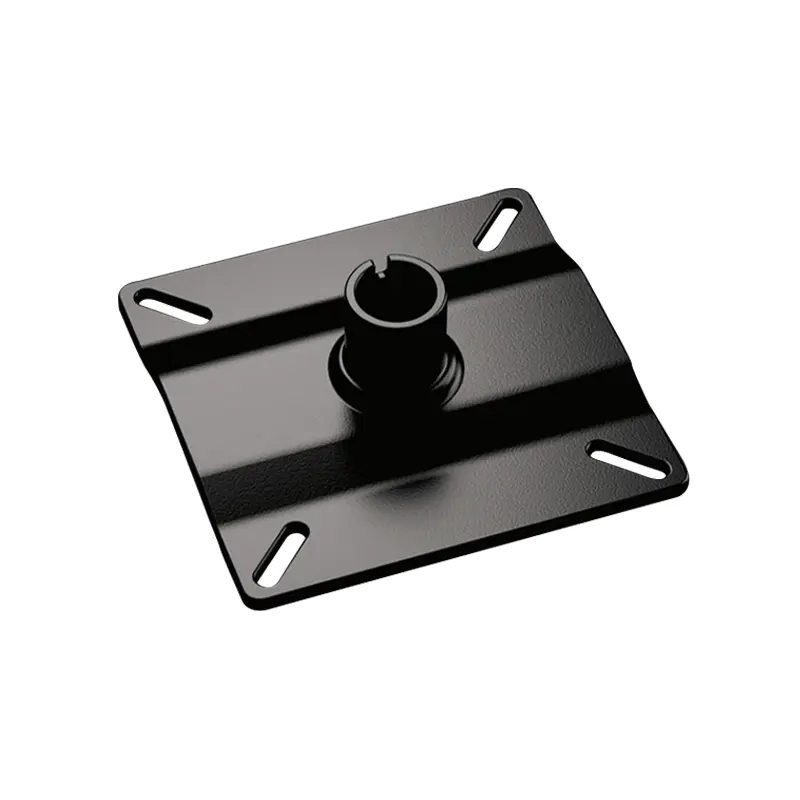
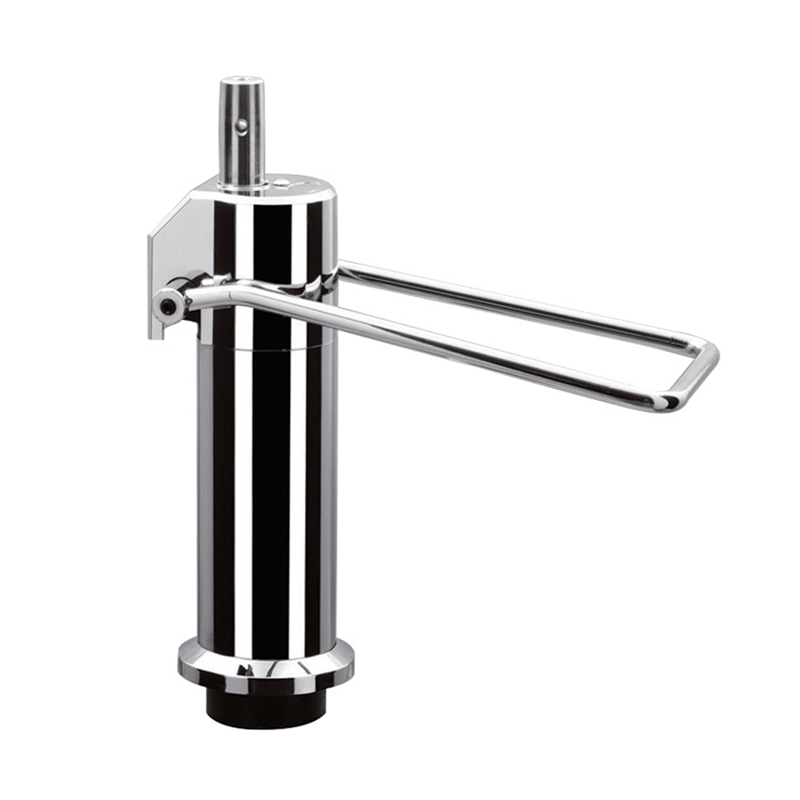
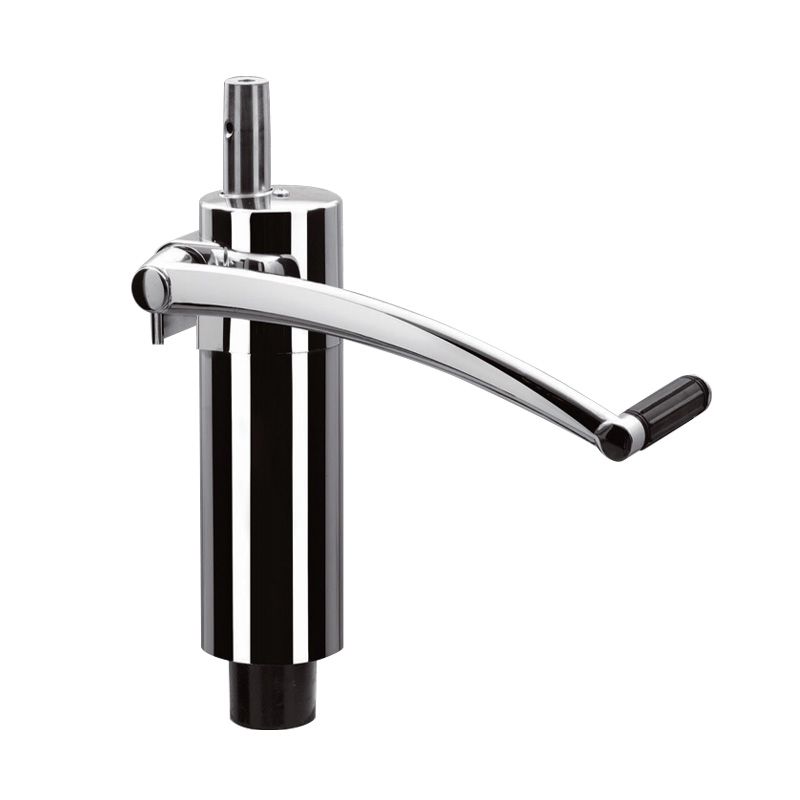
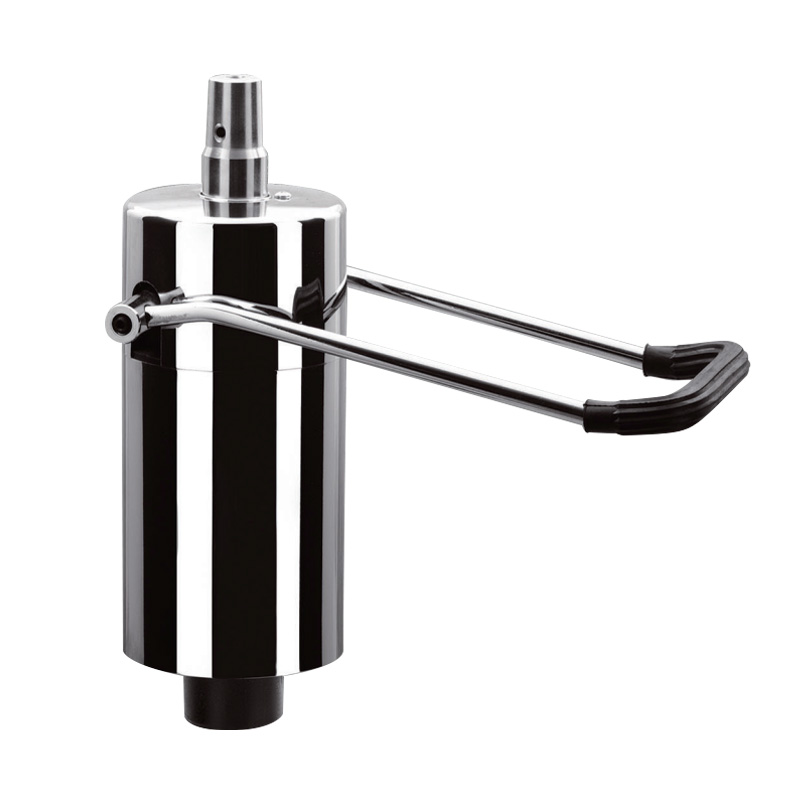
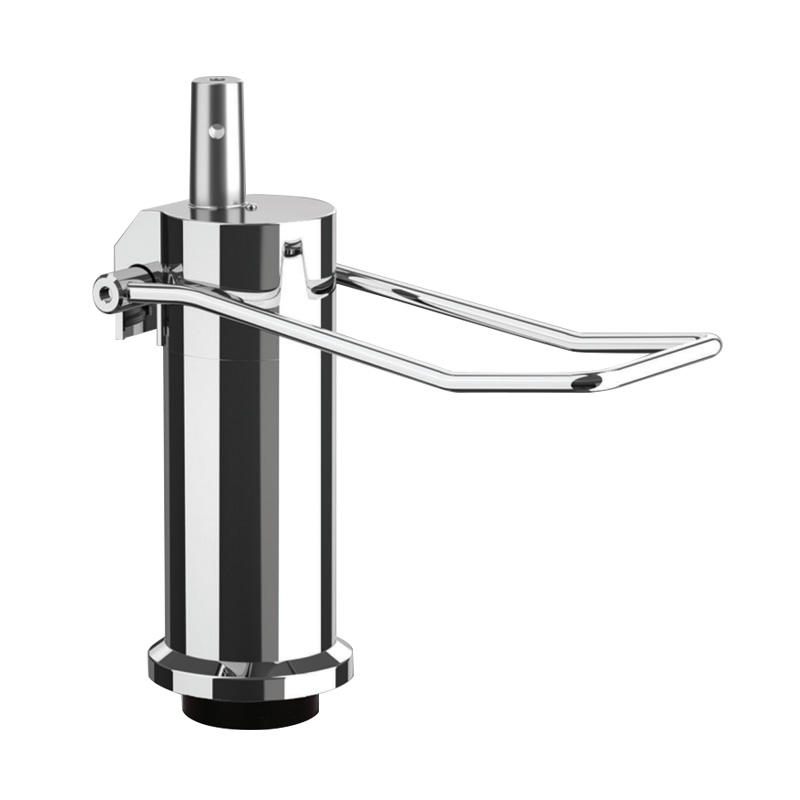
Hydraulic pumps usually go first. They lose pressure gradually, so a chair that used to lift smoothly starts sinking under weight, or takes longer to pump up. Armrests and footrests, meanwhile, tend to crack or loosen from repeated pressure and impact rather than slow wear.
Backrest hinges sit somewhere in between — they don't fail suddenly, but once the tilt mechanism starts sticking or squeaking, it's usually a sign the internal bushing or spring has already begun to give out.
Is the Damage Something a Kit Can Actually Fix?
Not every problem is repairable, and figuring that out early saves a lot of wasted ordering. A rough rule of thumb: if the frame itself is intact and only a single component — a pump, a bolt, a hinge pin — has failed, a repair kit usually handles it. If the frame is bent, cracked, or corroded, no kit is going to solve that.
A few signs point toward repair being realistic:
- The chair still holds weight without wobbling
- Only one function (lift, recline, swivel) is affected
- The part in question is a known wear item, not structural
And a few signs point the other way:
- Multiple systems are failing at once
- There's visible rust or metal fatigue in the base
- The chair has already been repaired once in that same spot
Why Repair Kits Tend to Cost Less Upfront
There's a reason repair kits get chosen so often in salon settings — they're cheaper per unit, and they target exactly the failed component instead of the whole assembly. A hydraulic pump kit, for instance, replaces just the pump, not the base, the cylinder housing, or the upholstery around it.
That said, "cheaper" doesn't always mean "cheaper over time." A kit assumes a certain amount of hands-on installation, and if a technician isn't confident with hydraulics, that labor cost (or the learning curve) needs to be factored in too. It also assumes the rest of the chair is in decent shape — otherwise you're patching one failure while another one is quietly forming nearby.
Salons that keep a small stock of common repair parts on hand — pumps, bolts, footrest brackets — tend to fix issues same-day, which matters more than people expect when a chair is out of commission during business hours.
When Does a New Accessory Make More Sense?
Sometimes replacing a part outright, rather than repairing it, ends up being the more sensible move. This usually comes up when a component has failed more than once, when it's an older chair where matching parts is getting harder, or when downtime itself is the bigger cost — not the part price.
New accessories, whether it's a full footrest assembly or a replacement armrest, tend to install faster because there's less troubleshooting involved. You're not diagnosing why something failed; you're just swapping it. For a salon running a full appointment book, that speed can matter more than the difference in unit cost.
There's also a durability argument worth mentioning. A part that's failed once has already shown its weak point. Replacing it with a new unit resets that clock, whereas repairing the same worn component sometimes just delays the next failure rather than preventing it.
Repair Kit or New Accessory: A Side-by-Side Look
| Factor | Repair Kit | New Accessory |
|---|---|---|
| Upfront cost | Generally lower | Generally higher |
| Installation time | Can take longer, depends on skill level | Usually quicker |
| Best suited for | Isolated, single-part failure | Repeated failure or aging chair |
| Long-term reliability | Depends on remaining chair condition | Resets wear on that component |
| Downtime risk | Higher if diagnosis is uncertain | Lower once replacement part arrives |
| Stock-friendly | Yes, easy to keep spares on hand | Bulkier to stock in volume |
Neither option is universally right. A salon with a handful of newer chairs and a technician comfortable with basic hydraulics will likely lean toward kits most of the time. A salon juggling older, mismatched chairs across multiple stations might find replacement parts save more hassle in practice, even at a higher line-item cost.
OEM Parts or Generic Alternatives — Does It Matter Here?
This question comes up constantly once a buyer starts comparing suppliers. OEM-matched parts are built to the exact specifications of the original chair, so fit tends to be predictable and installation straightforward. Generic alternatives can work fine too, particularly for simple components like bolts or footrest pads, but for anything involving hydraulics or load-bearing brackets, mismatched dimensions can turn a fifteen-minute repair into an afternoon project.
A practical way to think about it: the more mechanical the part, the more it pays to match specifications closely. The more cosmetic or structural-but-simple the part, the more flexibility a buyer has to shop generically without much risk.
How to Approach the Repair-or-Replace Decision Without Overthinking It
Buyers sourcing parts in bulk, for multiple stations or multiple locations, tend to do better with a simple decision process rather than evaluating every chair from scratch. A rough sequence that works for a lot of salons looks like this:
- Identify which component has actually failed — not just where the symptom shows up
- Check whether the surrounding frame or housing is still structurally sound
- Compare the kit price against the replacement price for that specific part
- Factor in how much downtime either option realistically involves
- Consider whether this chair has already had this same part repaired before
That last step matters more than it seems. A part that's needed repair twice is telling you something — usually that a full swap will hold up longer than a third patch job.
Does Chair Age Change the Math?
It does, and buyers sometimes skip over this. Older chairs often have parts that are harder to source in matching specifications, which pushes some buyers toward generic kits simply out of availability. But older chairs also tend to have more wear distributed across multiple components, meaning a single repair might just be delaying a second or third failure nearby.
Newer chairs, on the other hand, usually have parts still readily available and frames in solid shape, so a targeted repair kit tends to be the more efficient path — there's less risk that fixing one thing exposes a problem in another.
Keeping Maintenance Costs Predictable Over Time
Salons that treat chair maintenance as an ongoing, small-scale task — rather than an occasional emergency — tend to spend less overall. Keeping a modest inventory of common wear parts, checking chairs periodically rather than waiting for a failure mid-appointment, and tracking which chairs have needed repairs before all contribute to fewer surprise costs.
It's a bit like maintaining any piece of commercial equipment: small, regular attention tends to be cheaper than reactive fixes done under pressure. A hydraulic pump replaced calmly during a slow afternoon costs less, in every sense, than the same repair rushed through during a fully booked Saturday.
Choosing between a repair kit and a new accessory isn't really about picking the cheaper option on paper — it's about matching the fix to the actual condition of the chair, the urgency of the downtime, and how much that particular component tends to fail again once patched. Buyers who take a few minutes to diagnose properly before ordering tend to spend less over the life of the chair, even if the individual repair costs a bit more upfront. For salons managing several chairs or several locations, having a reliable source for Salon Chair Repair Parts — one that can supply both targeted repair components and full replacement accessories — makes that ongoing decision a lot easier to manage without constantly starting from zero. Wenling Jiafeng Machinery Co., Ltd works with salon owners and maintenance buyers who need dependable parts on hand, whether the goal is a quick targeted repair or a full component swap, and welcomes inquiries from anyone looking to sort out their chair maintenance sourcing for the months ahead.