
 En
En Português
 عربى
عربى
A high-volume barber shop chews through chair hydraulics, footrests, and upholstery at a pace a quiet, appointment-only studio simply never experiences. Most owners learn this the hard way — replacing the same worn part every few months, wondering why a chair that looked solid on the showroom floor is already showing strain within a year. Salon Chair Repair Parts are not interchangeable across every business type, and neither is the hydraulic base sitting underneath each chair. Equipment that holds up beautifully in a calm, low-traffic setting can wear out fast once it lands in a shop where the chair barely gets a moment's rest between clients. This connection between business environment and equipment durability gets overlooked constantly during initial purchasing decisions. Buyers compare price and appearance first. They figure that out later, usually after discovering that the wrong base or the wrong part for their actual workload turns into a recurring expense nobody budgeted for. Matching accessories and components to the daily reality of the shop — traffic volume, service type, cleaning routine, client load — protects the investment in ways that a glossy spec sheet never quite captures.
Why Salon Type Changes What Equipment Needs to Handle
Does a Barber Shop Really Stress Equipment Differently Than a Beauty Salon?
Yes, and the gap is wide enough to shape purchasing decisions on its own. A barber shop typically runs on fast turnover — short appointments, frequent chair adjustments, a steady stream of clients moving through all day long. The chair gets raised, lowered, reclined, spun, raised again, all within a short window. That puts steady mechanical stress on the hydraulic system and every moving joint.
A beauty salon usually plays a different game. Service times stretch longer. Clients sit through coloring, styling, treatments — fewer adjustment cycles per visit, but comfort and appearance carry more weight since the client spends extended time in direct contact with upholstery and armrests.
A premium or luxury salon adds yet another layer entirely. Function matters, sure, but image matters just as much. Chrome finish, upholstery quality, the overall feel under a client's hands — all of it feeds into the experience a premium brand is trying to sell, which reshuffles the priority list compared to a high-turnover, function-first barber shop.
How Daily Workload Shapes Component Wear
What Actually Breaks Down First Under Heavy Use?
Mechanical parts under repeated stress tend to fail in fairly predictable order. Knowing that order helps shop owners get ahead of maintenance instead of reacting to it after the fact.
Components that typically show wear first in high-traffic shops:
- Hydraulic seals and pump mechanisms. Constant raising and lowering puts continuous load on internal seals. Eventually that shows up as slow leakage or a lift that just does not feel as crisp as it used to.
- Footrest pivot points. Frequent adjustment plus repeated weight bearing wears down pivot hardware faster than in a quieter studio.
- Reclining mechanism linkages. Chairs that recline often throughout the day accumulate mechanical fatigue at the linkage points well ahead of chairs used mostly in an upright position.
- Upholstery seams and padding. High client turnover means more sitting-and-rising cycles, and that accelerates seam stress and padding compression compared to longer, less frequent sessions.
- Base swivel bearings. Repeated rotation under load — common in barber-style service where the stylist spins the chair often — wears swivel components down faster than settings with minimal rotation.
Knowing which parts fail first in a given environment lets owners stock the right Salon Chair Repair Parts ahead of time, rather than scrambling for a same-day order once something breaks mid-shift.
Matching Hydraulic Base Selection to Business Volume
Is a Standard Hydraulic Base Strong Enough for Every Shop?
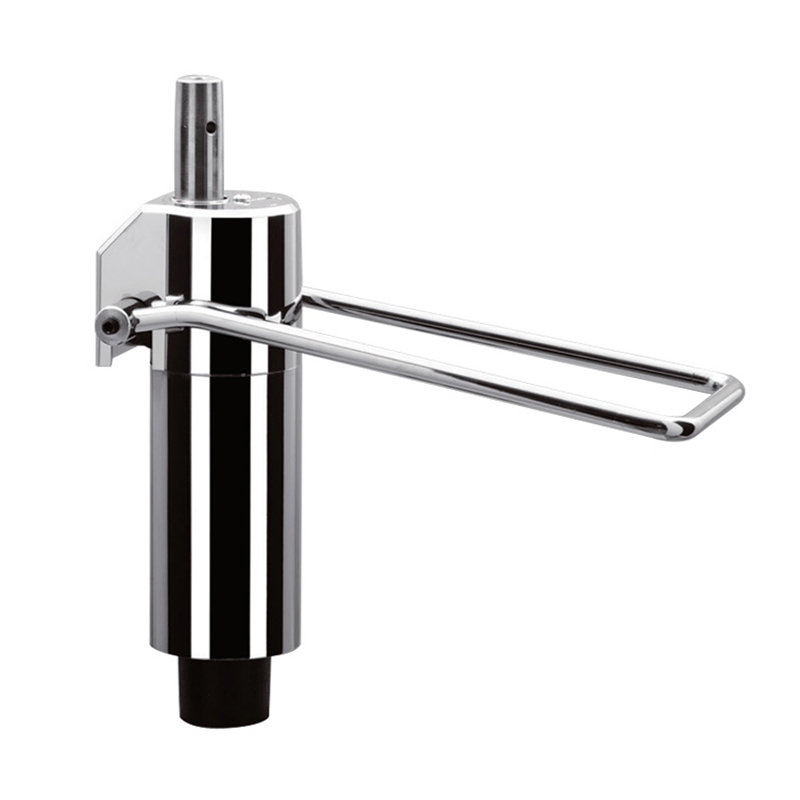
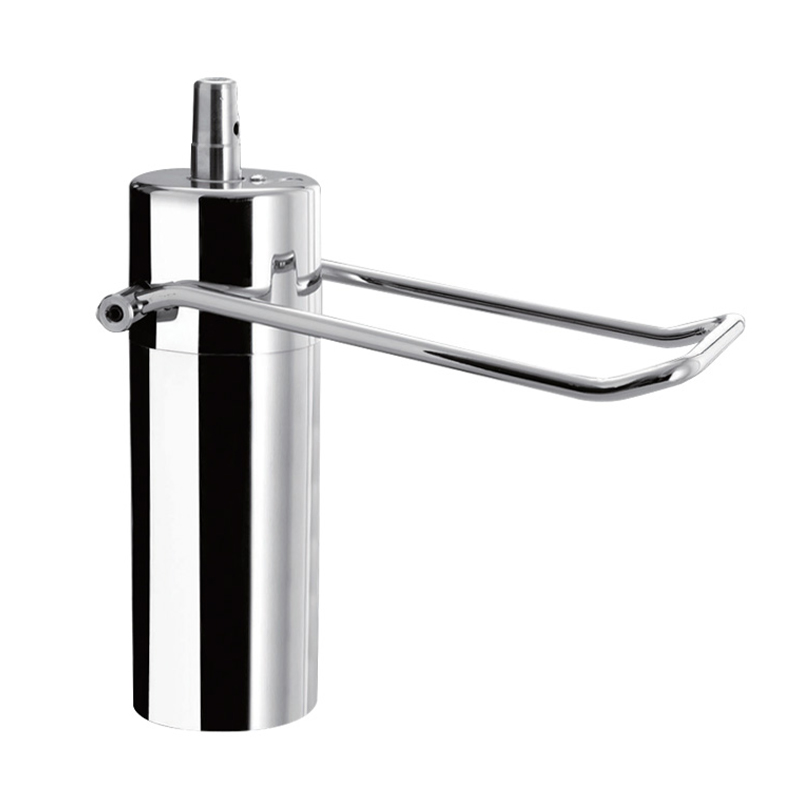
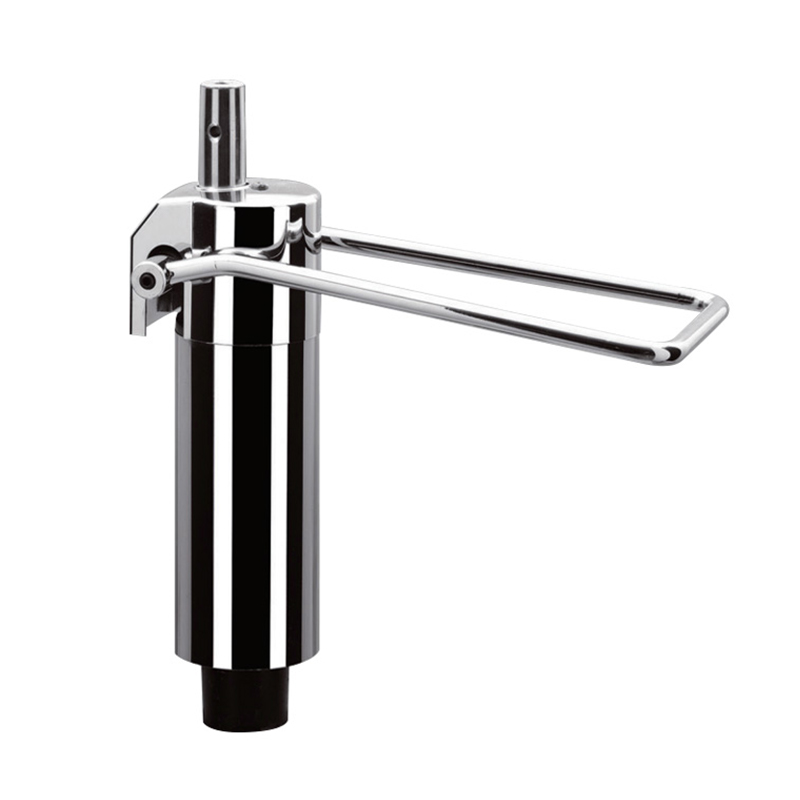
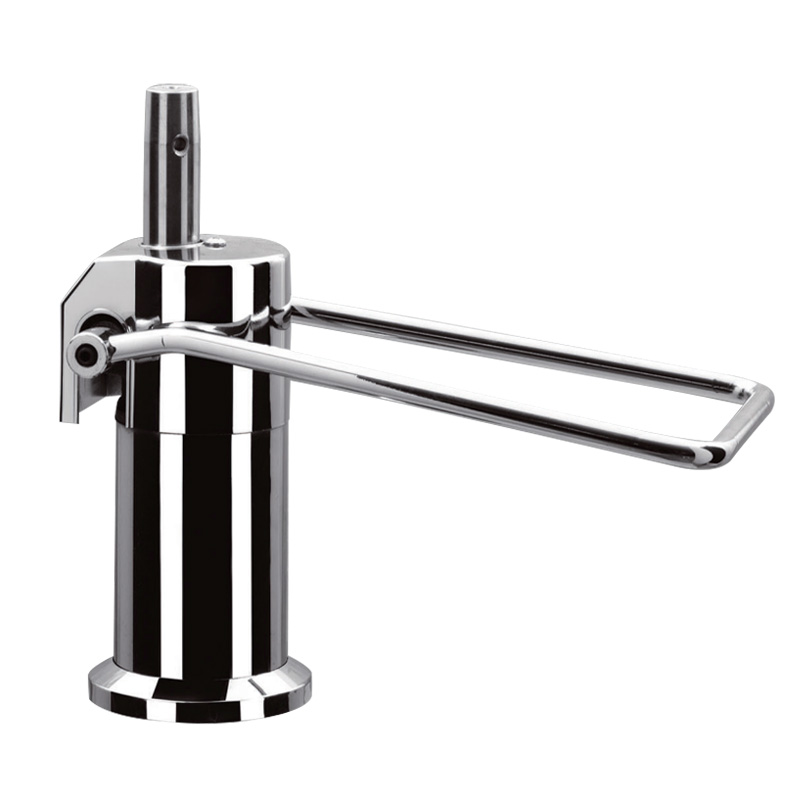
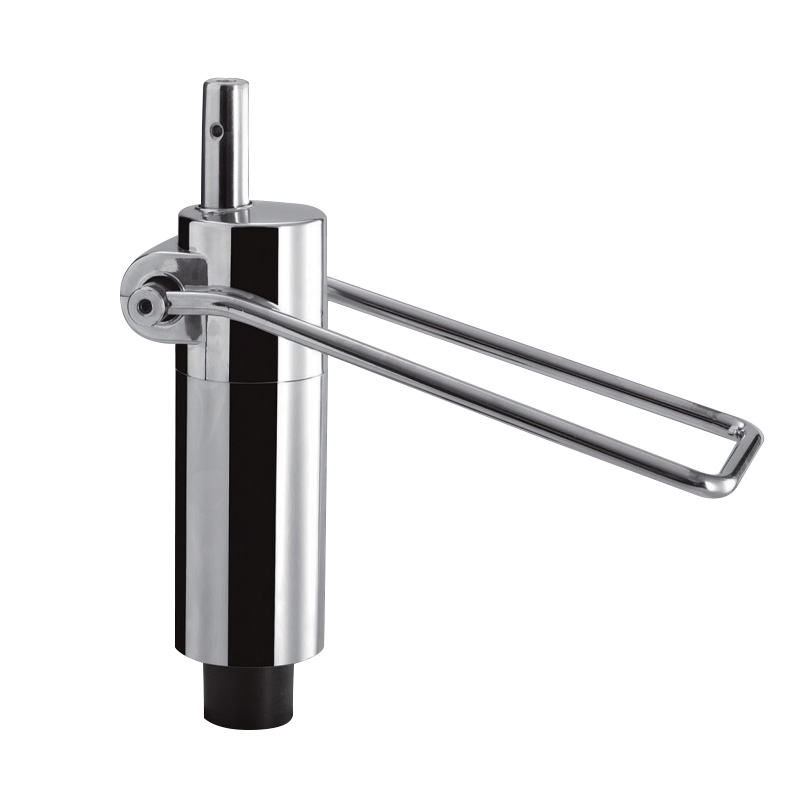
Not always, and this is one of the more consequential calls in salon equipment buying. A Barber Chair Hydraulic Base carries the full weight of chair plus client, absorbing the mechanical stress of every lift, lower, and adjustment across the day. In a low-traffic studio, a standard-duty base might run reliably for years without complaint. Drop that same base into a high-volume shop running near-constant adjustments across long working hours, though, and fatigue shows up much sooner — reduced lift consistency, a little more give than there used to be.
Heavy-duty bases use reinforced internals and components rated for a higher cycle count. They cost more going in. In a high-traffic setting, the longer service life and fewer breakdowns usually make up that difference well before the equipment's working life is over.
Worth weighing before settling on a hydraulic base:
- Average number of clients served per chair per day.
- Typical range of adjustment movements per client visit.
- Average client weight range the business serves.
- How often a single chair gets shared among stylists with different height preferences — more sharing means more adjustment cycles.
- Expected operating hours per week across the full shop schedule.
A shop running long hours with several stylists rotating through shared chairs piles up far more cumulative stress on a hydraulic base than a single-operator studio working scheduled, spaced-out appointments.
A Practical Look at Environment-to-Accessory Matching
Laying salon types next to recommended accessory characteristics makes the decision clearer for anyone evaluating a purchase or a replacement order.
| Salon Environment | Typical Workload Pattern | Recommended Accessory Focus |
|---|---|---|
| High-traffic barber shop | Frequent short appointments, constant adjustment | Heavy-duty hydraulic base, reinforced footrest hardware |
| Beauty salon with longer services | Fewer adjustments, extended sitting time | Comfort-focused upholstery, durable seam construction |
| Premium or luxury salon | Moderate traffic, high visual standard | Premium chrome components, refined upholstery finish |
| Small independent studio | Lower traffic, single or few operators | Cost-effective standard parts, simpler maintenance needs |
| Training school or educational setting | Frequent handling by multiple trainees | Easy-maintenance parts, replaceable components |
| Multi-service salon (hair, beauty, treatments) | Varied service types and durations | Versatile components suited to mixed use patterns |
Running through this kind of mapping before placing an order helps owners sidestep the common mistake of buying on looks or price alone, without asking whether the component spec actually fits how the chair gets used day after day.
Repair Parts Strategy: Reactive vs Proactive Maintenance
Should Shops Wait for Parts to Fail, or Plan Ahead?
Waiting until something breaks before ordering a replacement — reactive maintenance — tends to create downtime at exactly the worst possible moment, often during a busy stretch when the broken chair sits idle while parts get sourced and shipped.
Proactive planning takes the opposite approach, and for shops running multiple chairs, it tends to pay off in ways that are easy to measure once you start tracking.
A few steps that support better parts planning:
- Track which components have failed historically across the shop's chairs, noting how often each failure type shows up.
- Identify the parts most likely to wear out given the shop's specific traffic pattern and service mix.
- Keep a small stock of the most commonly replaced items — footrest hardware, upholstery fasteners, common seal kits — on hand instead of ordering only once something fails.
- Schedule periodic inspection of hydraulic bases and reclining mechanisms, especially in busier shops, to catch early wear before it becomes a full breakdown.
- Build a relationship with a parts supplier capable of fast turnaround for the unexpected replacement that falls outside the planned inventory.
This kind of forward planning cuts down the downtime that comes from waiting on parts during a packed week, and it generally costs less over time than emergency ordering and rush shipping fees tied to reactive repairs.
Cleaning Frequency and Chemical Exposure Considerations
Does Cleaning Routine Affect Which Accessories Hold Up Best?
It does, more than most buyers expect going in. Salons and barber shops clean equipment constantly, sometimes several times a day between clients, and the products used in that routine can affect upholstery, chrome finishes, and certain plastic components over time.
Shops leaning on strong disinfectants or alcohol-based cleaners multiple times a day should think about:
- Upholstery materials rated for frequent chemical contact without premature cracking or fading.
- Chrome or metal finishes with coatings built to resist tarnish from repeated cleaning product exposure.
- Skipping lower-grade plastic components in areas with direct, frequent chemical contact, since these tend to degrade faster than better-grade alternatives under the same conditions.
Smaller studios with lighter cleaning routines and fewer daily clients may not need to prioritize chemical resistance nearly as heavily, which opens up more flexibility on material and finish choices based purely on appearance or cost.
Reducing Downtime Through Smarter Component Choices
What Role Does Downtime Actually Play in Long-Term Cost?
Downtime cost gets underestimated constantly, mostly because it never shows up as a clean line item the way a replacement part invoice does. A chair sitting idle while a Barber Chair Hydraulic Base or repair part is in transit represents lost service capacity, and in a busy shop, lost capacity translates directly into lost revenue and frustrated clients waiting on a chair that is not there.
Practical ways shops reduce that exposure:
- Choosing components with a track record in similar-traffic environments, even at a slightly higher upfront cost, instead of defaulting to the lowest price on the shelf.
- Keeping a working relationship with a supplier capable of fast turnaround, shrinking the gap between spotting a failure and finishing the repair.
- Cross-training staff to handle basic checks — inspecting footrest hardware, spotting early hydraulic leakage — so problems get caught before they snowball into something that demands extended downtime.
- Standardizing compatible parts across multiple chairs in the same shop wherever possible, which simplifies inventory and cuts down the risk of ordering the wrong part under time pressure.
When It Makes Sense to Upgrade Rather Than Repair
How Do You Know When a Component Has Reached the End of Its Useful Life?
Repeated repairs on the same component within a short window usually mean the part itself was never matched to the workload being asked of it. Replacing a standard-duty hydraulic base over and over in a high-traffic shop often ends up costing more across a single year than just upgrading once to a heavier-duty alternative built for that level of use.
Signs that an upgrade, rather than another repair, makes more sense:
- The same component has needed replacement multiple times within a fairly short stretch.
- Cumulative repair costs over recent months are creeping close to, or past, the cost of upgrading outright.
- Shop traffic or service volume has grown since the original equipment was bought, meaning the old spec no longer matches current demand.
- Repeated downtime from repairs has started noticeably affecting scheduling or client satisfaction.
Catching these signals early lets owners make a deliberate upgrade call on their own terms, instead of getting forced into an emergency purchase after a full failure mid-shift on a Saturday.
Matching salon equipment to the actual rhythm of daily business is not some minor checklist item — it is one of the more practical moves an owner can make to protect both budget and client experience over the long stretch. A high-traffic barber shop, a service-focused beauty salon, and a premium studio each place different demands on chair components, and recognizing those differences before buying or replacing parts helps break the cycle of repeated breakdowns and unplanned downtime that comes from mismatched specs. Whether the priority is a heavy-duty hydraulic base built for constant adjustment cycles, durable upholstery suited to a frequent cleaning routine, or a steady supply of Salon Chair Repair Parts for proactive maintenance, lining the choice up with actual workload conditions pays off across the full life of the equipment. Wenling Jiafeng Machinery Co., Ltd produces a range of barber and salon chair components, including hydraulic bases and replacement parts suited to different traffic levels and service environments — reach out to the team to talk through which specifications actually match your shop's working conditions.