
 En
En Português
 عربى
عربى
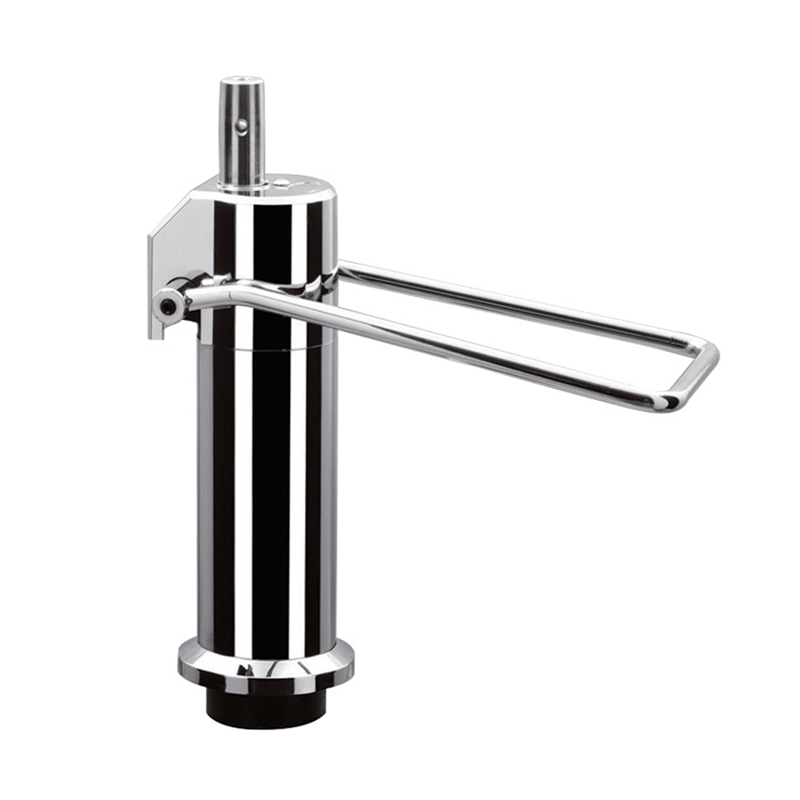
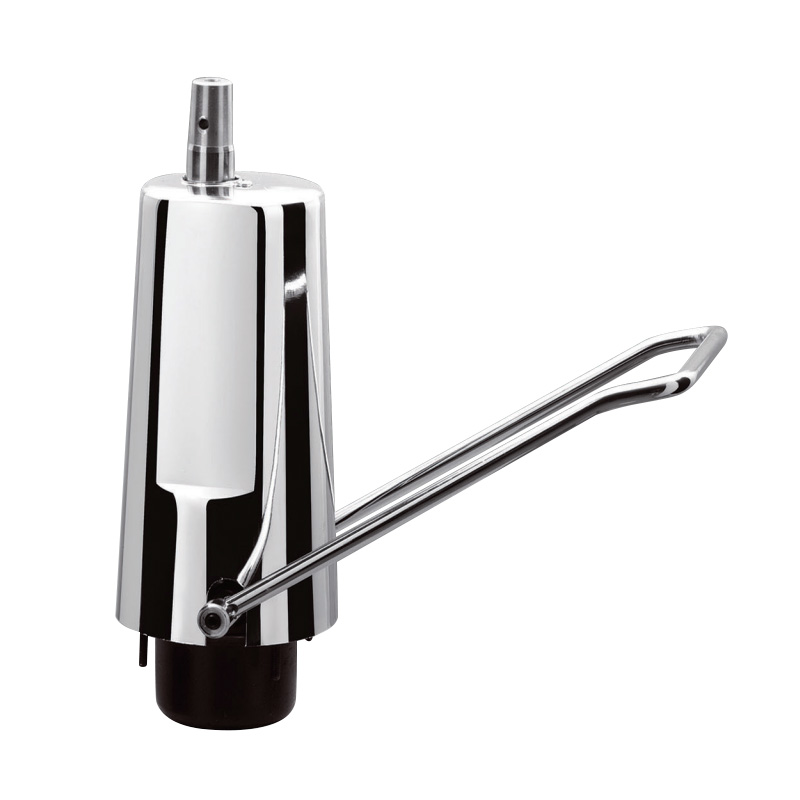
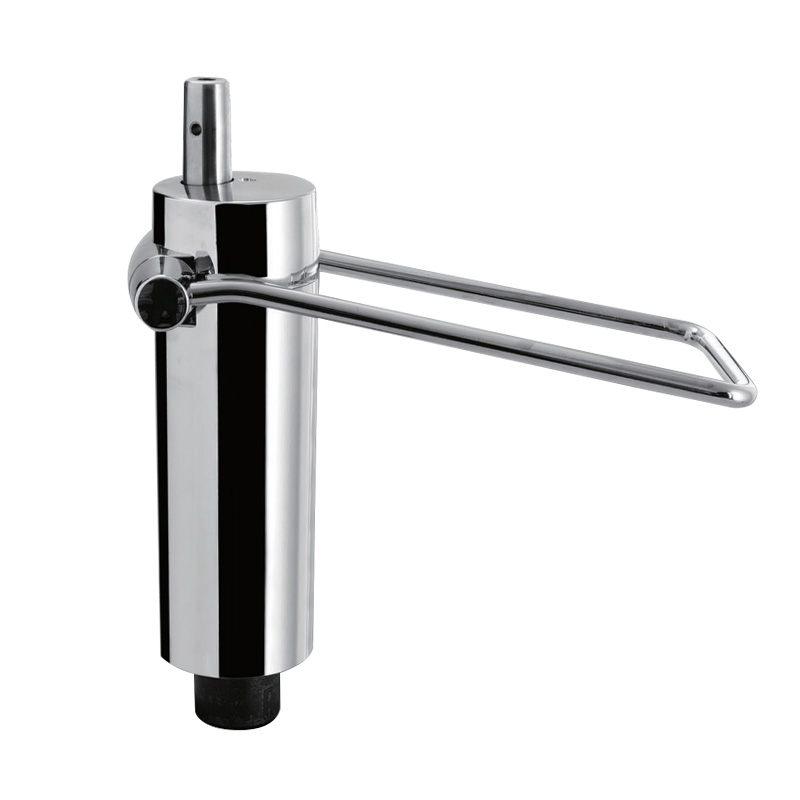
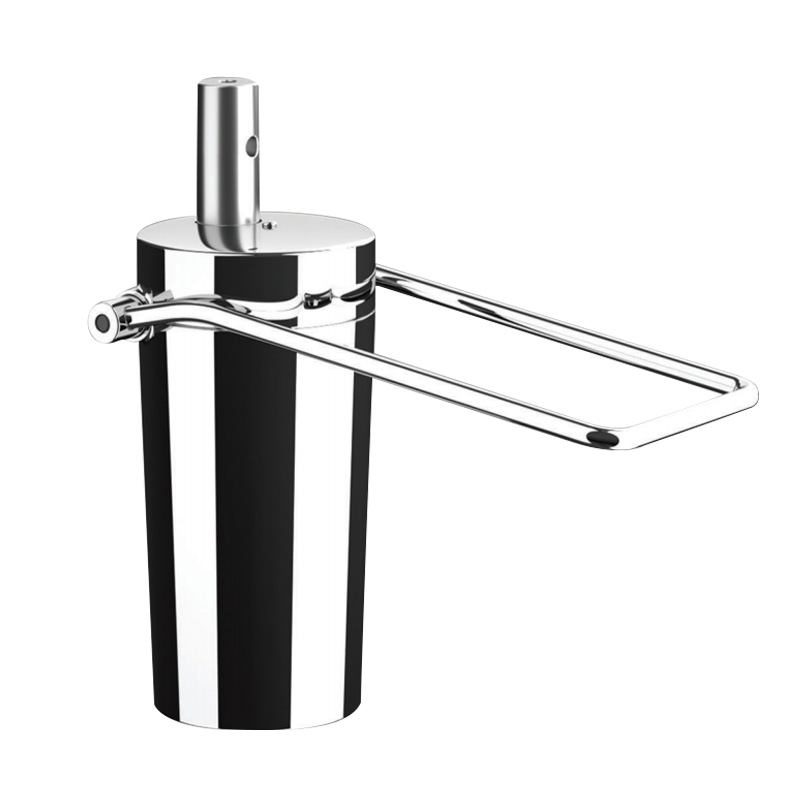
A chair that won't hold its height halfway through a haircut creates more than a brief inconvenience — it interrupts the service, unsettles the client, and forces a decision that often has to be made on the spot, with little time to think it through properly. When a hydraulic system starts giving out, the real question isn't simply how to fix it, but whether fixing it is even worth doing compared to switching to a different mechanism altogether. Salon Chair Repair Parts sit right at the center of that decision, and choosing between repairing the hydraulic system or moving toward a manual alternative shapes cost, downtime, and how the chair performs for years after the decision gets made.
Common Problems in Salon Chair Hydraulic Systems
Before weighing repair against replacement, it helps to understand what's actually going wrong inside a hydraulic chair, since different failures point toward different solutions entirely.
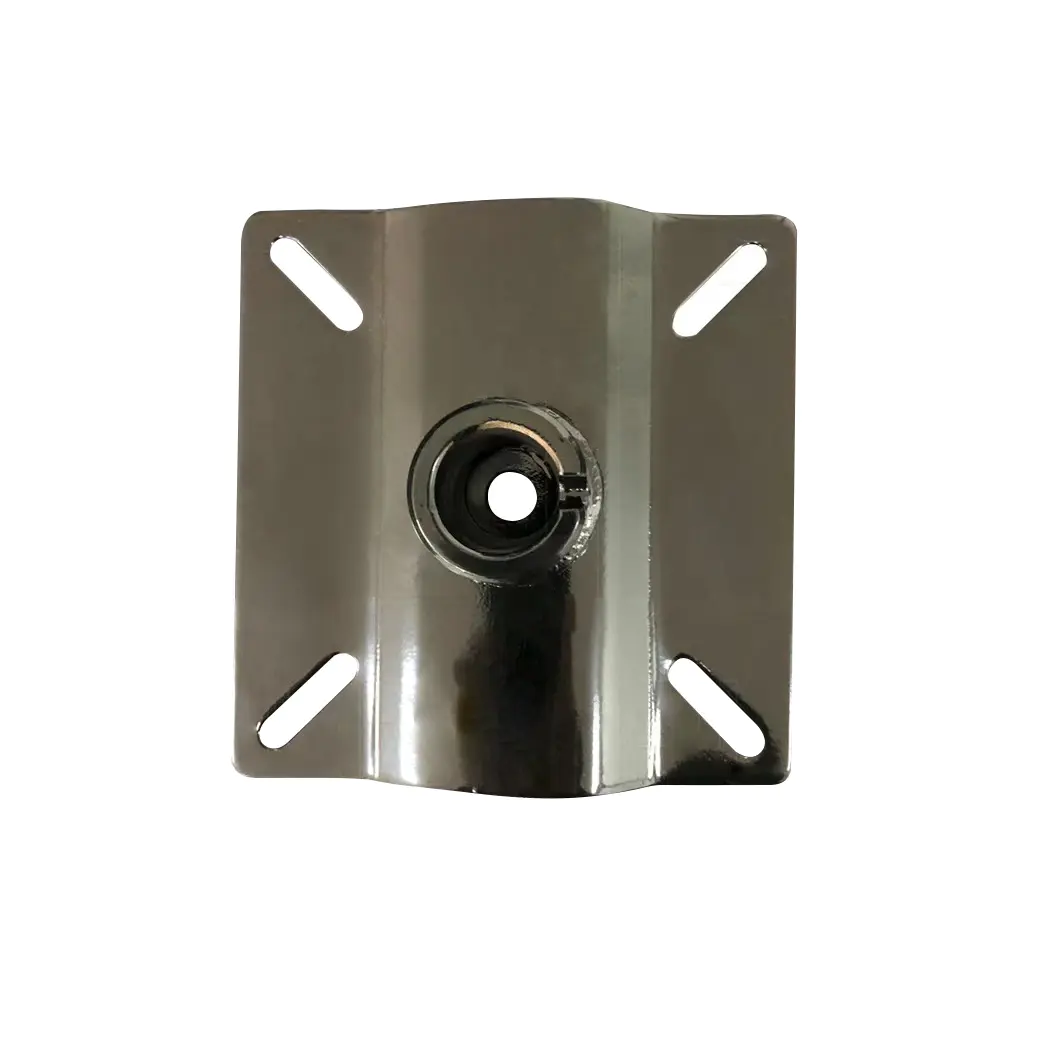
Issues that tend to surface over time:
- Hydraulic oil leakage, often noticeable as residue collecting around the base or a gradual loss of lift pressure during use
- Lifting failure, where the chair stops rising smoothly or won't hold a set height once a client sits down
- Unstable height adjustment, where the chair drifts downward mid-service or jolts unexpectedly when adjusted
- Worn pump systems, where the internal mechanism loses pressure consistency after extended use
These symptoms don't all trace back to the same root cause, and figuring out which one is happening is really the first step toward deciding whether repair makes sense at all.
Hydraulic Parts vs Manual Alternatives: Key Differences
The decision facing salon owners ultimately comes down to comparing how hydraulic systems and manual mechanisms perform against each other across the things that actually matter on a daily basis.
| Feature | Hydraulic Parts | Manual Alternatives |
|---|---|---|
| Adjustment | Smooth, continuous height control | Fixed positions or mechanical lever adjustment |
| Maintenance | Higher — requires periodic seal and fluid checks | Lower — fewer moving components to maintain |
| Cost | Higher upfront and repair cost | Lower upfront and ongoing cost |
| Comfort | High — fluid, stylist-friendly adjustment | Moderate — functional but less refined |
| Lifespan | Depends heavily on usage intensity and maintenance | More stable and predictable long-term |
| Failure pattern | Gradual pressure loss, leakage, pump wear | Mechanical wear, generally more visible and predictable |
Looking across this, hydraulic systems win on comfort and adjustment quality — something that matters a lot for stylists making constant small height changes throughout a workday. Manual alternatives win on predictability and lower upkeep, which matters more for salons trying to cut down on repeat service interruptions.
When Does Repairing Hydraulic Parts Make Sense?
Repair is the more sensible route in a few specific situations, and spotting these conditions early helps avoid unnecessary replacement spending later.
Minor leakage caught early is often fixable through seal replacement or a fluid top-up, without needing to replace the entire pump or cylinder assembly. Catching it before the system loses real pressure keeps the repair cost manageable.
A pump that's still functional but underperforming suggests the core mechanism is basically sound, and targeted part replacement — rather than swapping the whole system — can bring performance back without the cost of a full overhaul.
Affordable, available repair parts matter in practical terms too. When quality salon chair repair parts are accessible at a reasonable price for that specific chair model, repair usually costs considerably less than switching mechanisms entirely, particularly when the chair is otherwise in decent structural shape.
In these situations, repair simply extends the life of an investment already made, without the adjustment period that comes with switching to an unfamiliar mechanism partway through.
When Should a Salon Switch to Manual Alternatives?
Manual systems become the more practical pick under a different set of circumstances, and recognizing that shift early stops salons from sinking money into repairs that never quite fix the underlying issue.
Repeated hydraulic failure is the clearest signal here. If a chair has needed several hydraulic repairs over a fairly short stretch, the system is probably degrading faster than part-by-part replacement can keep up with, which makes continued repair an increasingly poor bet.
High repair cost relative to the chair's value shifts the math considerably. For older chairs or lower-cost units, the cumulative cost of repeated hydraulic repairs can creep close to — or past — what a manual conversion or a new chair would actually cost.
Lower usage requirements also tilt toward manual systems. A chair used only occasionally, or in a setting where rapid height adjustment isn't critical to the service being performed, may not need the smooth, continuous adjustment hydraulic systems offer, which makes the extra cost and upkeep harder to justify.
How Does Cost Compare Between Repair and Replacement?
A fair cost comparison needs to account for more than just the sticker price of parts, since downtime and recurring failure both carry real financial weight that's easy to overlook.
Hydraulic repair cost generally hinges on the specific failed component — seals, pump, cylinder, or fluid — and can range from a small expense for a simple fix up to something substantial if the entire hydraulic assembly needs replacing.
Manual system retrofit cost involves swapping out the hydraulic mechanism for a manual lever or fixed-height alternative, which usually means a single upfront cost but removes ongoing hydraulic maintenance expenses going forward.
Downtime cost gets underestimated more often than it should. Every hour a chair sits unusable is lost service capacity, and chairs with chronic hydraulic problems tend to generate downtime repeatedly rather than as one isolated event. Salons running close to full capacity feel this cost more sharply than ones with spare chairs to absorb a temporary outage.
Weighing all three of these together — rather than just staring at the upfront repair quote — gives a far more accurate picture of which option actually saves money over what's left of the chair's useful life.
How Do Repair Parts Affect Long-Term Chair Performance?
The quality of parts going into any hydraulic repair has a direct bearing on how long that repair actually holds, which in turn affects whether repair stays the right call over time.
Pump quality determines how consistently the chair holds pressure under load. Lower-quality replacement pumps might restore function for a while but tend to degrade faster than original components, leading to repeat failures sooner than expected.
Cylinder durability affects how well the chair stands up to repeated extension and compression throughout a typical workday. A cylinder built to looser tolerances can develop the same leakage or pressure problems that triggered the original repair in the first place, sometimes within a short stretch.
Compatibility problems crop up when replacement parts aren't precisely matched to the original chair specification. Parts that fit imprecisely can create new stress points or seal failures that simply weren't there with correctly matched components.
Aftermarket versus OEM parts is a distinction worth sorting out before buying. OEM-equivalent parts built to match original specs tend to integrate more reliably than generic aftermarket substitutes, though pricing and availability shift depending on the chair model and the supplier involved.
Choosing the Right Salon Chair Repair Parts Supplier
Once repair has been settled on as the right path, supplier selection becomes the factor deciding whether the repair actually solves the problem or just postpones the next failure.
Things worth checking before committing to a supplier:
- Part compatibility with the specific chair brand and model, since hydraulic components vary a fair bit between manufacturers and generic parts don't always fit cleanly
- Material quality in pumps, cylinders, and seals, since lower-grade materials tend to wear out faster under the repeated pressure cycles salon chairs go through daily
- Adherence to hydraulic system standards that keep pressure handling and leakage resistance consistent across the part's working life
- Manufacturing capability, particularly relevant when sourcing from China-based suppliers who can offer competitive pricing alongside the production consistency needed for dependable parts at scale
A supplier who can actually speak to these specifics — rather than just pushing generic parts with no compatibility check — offers considerably more value than one focused purely on undercutting price.
Are Manual Alternatives a Better Long-Term Solution?
There's no single answer here, but weighing the trade-offs honestly helps salon owners land on a decision that fits their own situation rather than a generic recommendation.
Manual systems carry genuine advantages on the maintenance side. Fewer moving parts mean fewer ways for things to go wrong, and whatever maintenance manual mechanisms do need tends to be more straightforward and less specialized than keeping a hydraulic system running.
Breakdown risk tends to run lower with manual alternatives too. Mechanical wear in lever-based or fixed-height systems is usually more gradual and predictable than the sudden pressure loss that defines a lot of hydraulic failures, giving salon owners more warning before a chair actually becomes unusable.
The trade-off comes down to comfort and adjustment quality. Manual systems can't match the smooth, continuous height control that hydraulic mechanisms offer, and that matters for stylists leaning on frequent small adjustments throughout each service. For salons where that flexibility is central to how the service runs, this trade-off might outweigh whatever maintenance benefits manual systems bring to the table.
Practical Questions Salon Owners Often Ask
Should I Repair or Replace Salon Chair Hydraulic Parts?
It depends on the failure pattern and repair history. A single, clearly identifiable issue in an otherwise functional system usually points toward repair, while repeated failures over a short period suggest it's time to consider manual alternatives or a full replacement instead.
What Causes Hydraulic Salon Chairs to Fail?
Common causes include seal degradation that leads to fluid leakage, pump wear from repeated use, and internal pressure loss that builds up gradually over the chair's working life rather than appearing all at once.
Are Manual Salon Chair Systems Better Than Hydraulic?
Neither one is universally better. Manual systems bring lower maintenance and steadier long-term performance, while hydraulic systems offer the smoother, more flexible adjustment that a lot of stylists genuinely prefer during active service.
What Are Salon Chair Repair Parts?
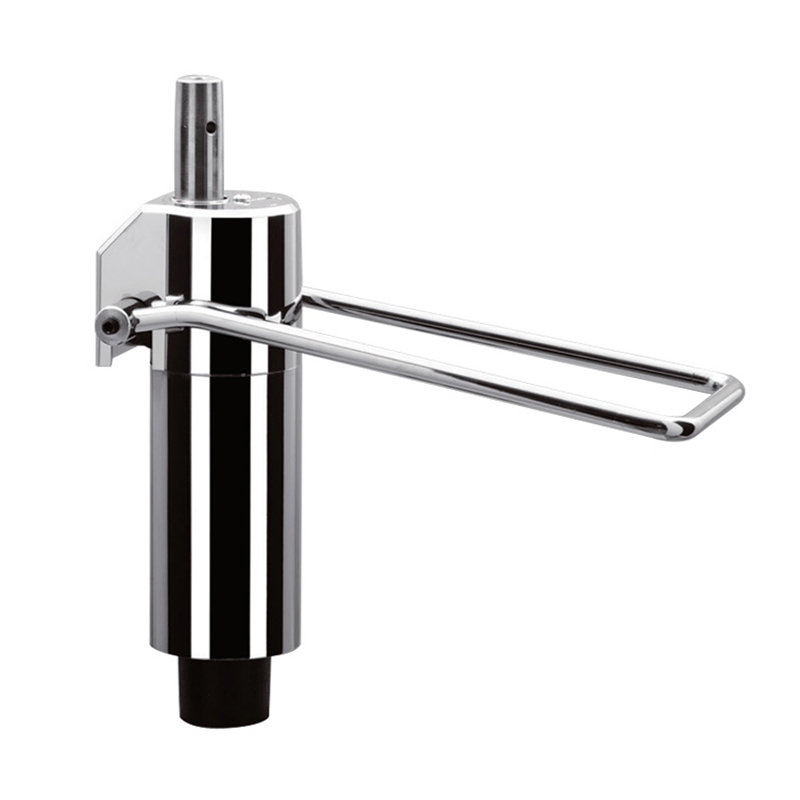
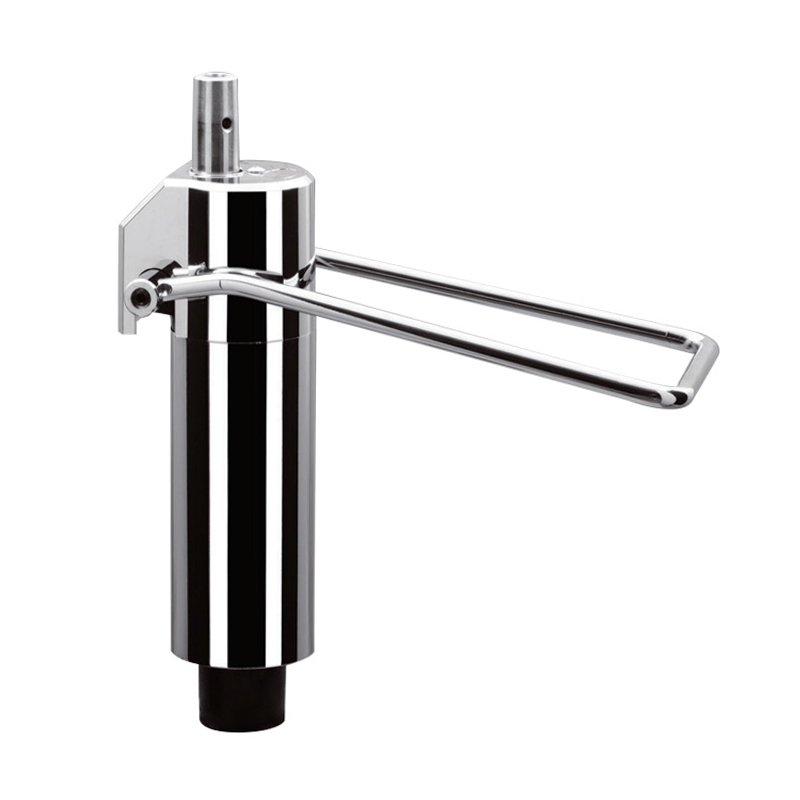
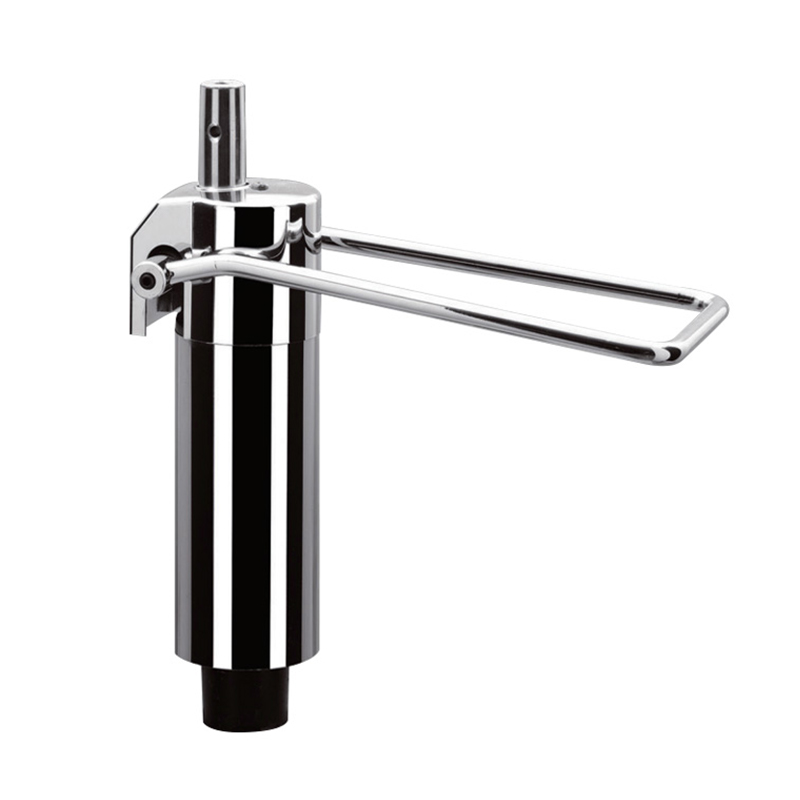
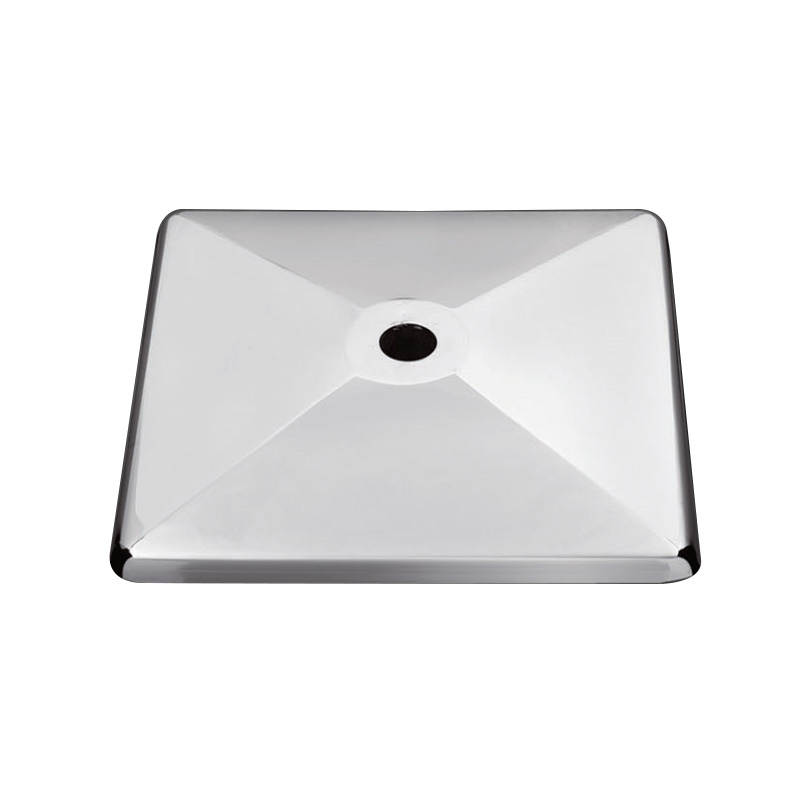
These cover the components needed to get a hydraulic salon chair working again — pumps, cylinders, seals, hydraulic fluid, and the fittings connecting these pieces inside the chair's base assembly.
How Long Do Hydraulic Chair Pumps Typically Last?
Lifespan varies a lot depending on usage frequency, maintenance habits, and part quality, but pumps in heavily used commercial salons generally wear faster than those sitting in lower-traffic settings.
Can Hydraulic Chairs Be Converted to Manual Systems?
In plenty of cases, yes, though it depends on the specific chair design and whether compatible manual mechanism components actually exist for that particular base structure.
Making the Right Decision for Your Salon
Choosing between repairing hydraulic parts and switching to manual alternatives ultimately comes down to the specific condition of the chair, the cost of available repair parts, and how the salon actually uses that particular chair across a working week. Hydraulic systems offer comfort and adjustment quality that plenty of stylists genuinely value, but the ongoing maintenance demands get harder to justify once failures start repeating themselves. Manual alternatives trade away some of that adjustment flexibility in exchange for lower maintenance and steadier long-term performance, which suits salons trying to cut down on recurring downtime and repair bills. Getting this decision right starts with sourcing decent components and working with a supplier who actually understands the compatibility and durability factors that determine whether a repair holds up or falls apart again in a few months. Wenling Jiafeng Machinery Co., Ltd supplies salon chair repair parts and hydraulic system components built for consistent performance under commercial salon use, supporting salon owners and equipment distributors who need reliable parts along with informed guidance on repair versus replacement decisions. If your salon is weighing repair against conversion for an aging hydraulic chair, sharing the specific chair model and failure pattern is a practical way to get a clear recommendation.