
 En
En Português
 عربى
عربى
There is a particular kind of frustration that comes with receiving a replacement part, opening the packaging, and immediately sensing something is off. The dimensions look close. The shape is familiar. But when you hold it against the chair, the bolt pattern does not line up, or the column thread does not engage. Many salon owners and equipment managers have been here — and more than once. Getting the wrong part does not just delay a repair; it creates a second purchasing process, possible downtime, and sometimes damage to components that were working fine before. When sourcing salon chair repair parts for chairs that vary in model or age, compatibility is the variable that determines whether a repair goes smoothly or spirals.
Why Compatibility Is More Complicated Than It Looks
Salon furniture is not manufactured around a shared technical standard. Each product line tends to use proprietary connection points, fastening systems, and structural proportions. A hydraulic base from one chair family might look interchangeable with another at a glance — same general shape, similar finish — but differ in thread pitch, column width, or the spacing between mounting holes. Those differences, invisible from across a room, matter enormously during installation.
The problem compounds in salons that have accumulated equipment over time. A facility that added chairs from different suppliers, or that replaced individual pieces at different points, often ends up with a floor of chairs that are visually similar but mechanically distinct. When one needs repair, the temptation is to order whatever part matches the visible description. The result, too often, is a part that fits none of the chairs on the floor.
Which Parts Tend to Cause the Most Trouble?
Hydraulic Pumps and Cylinders
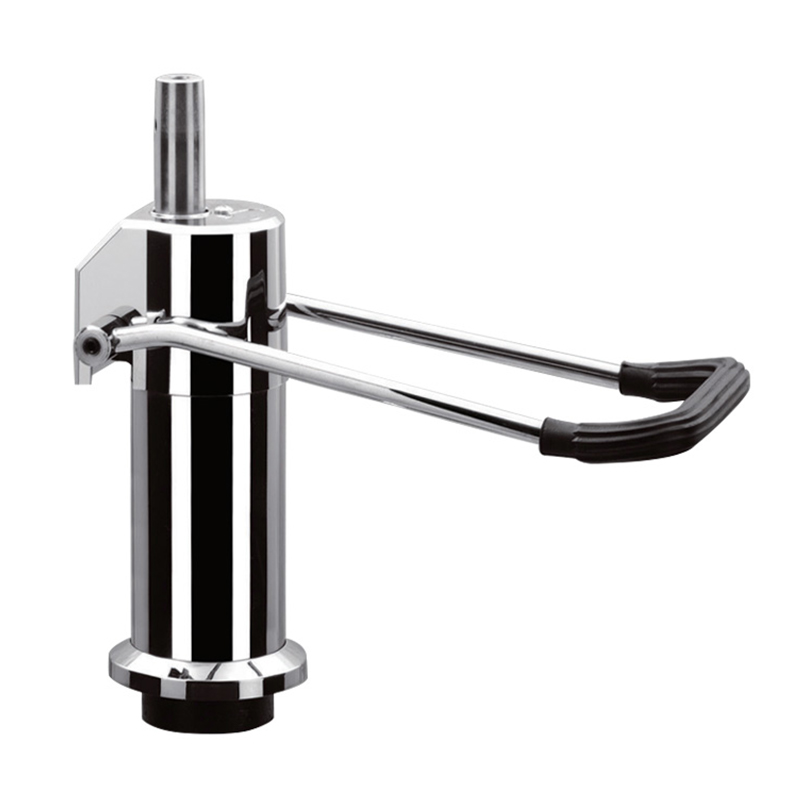
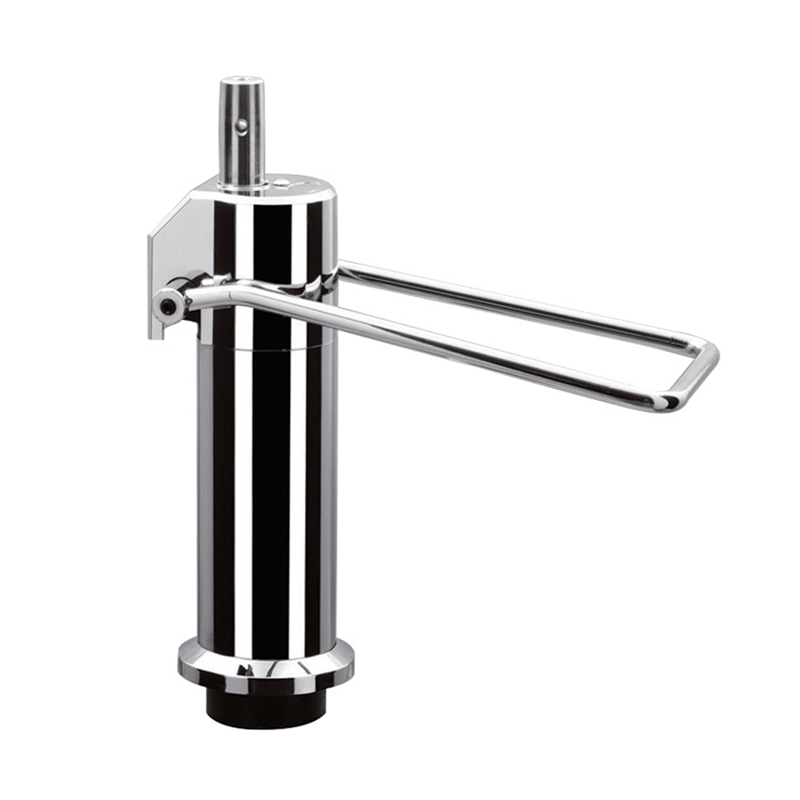
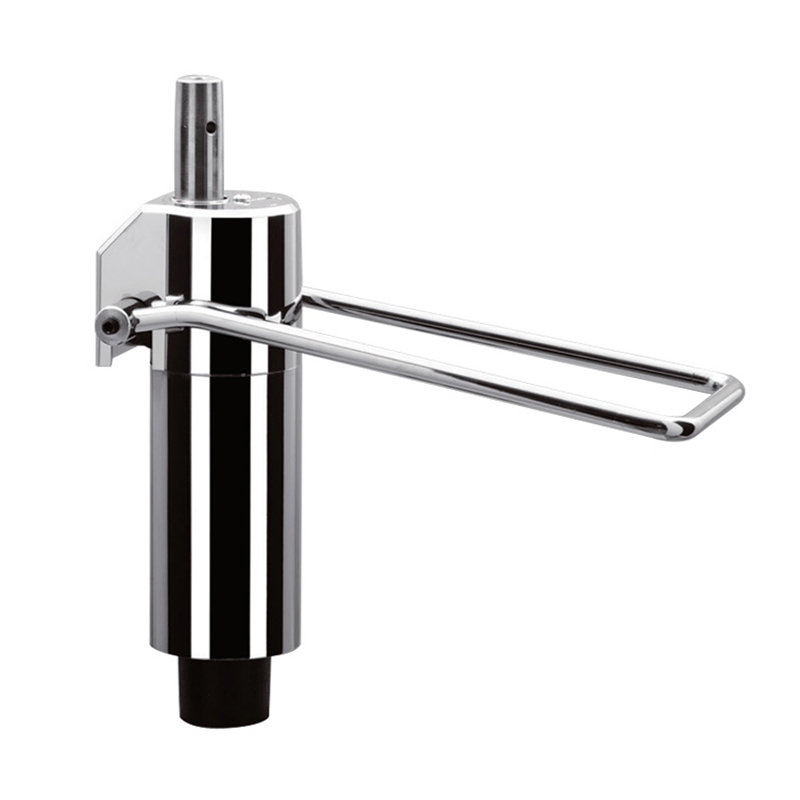
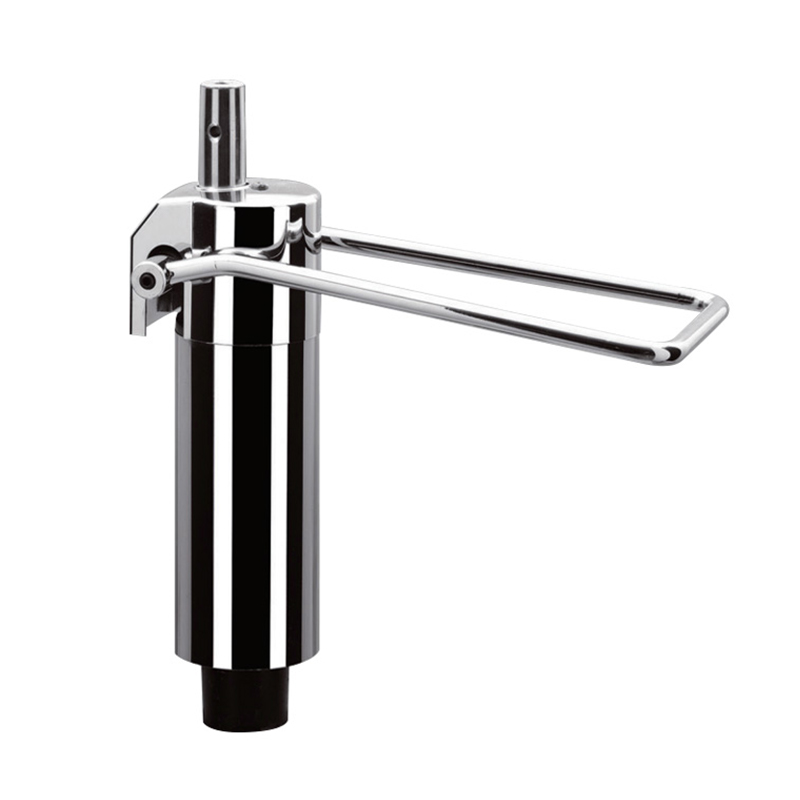
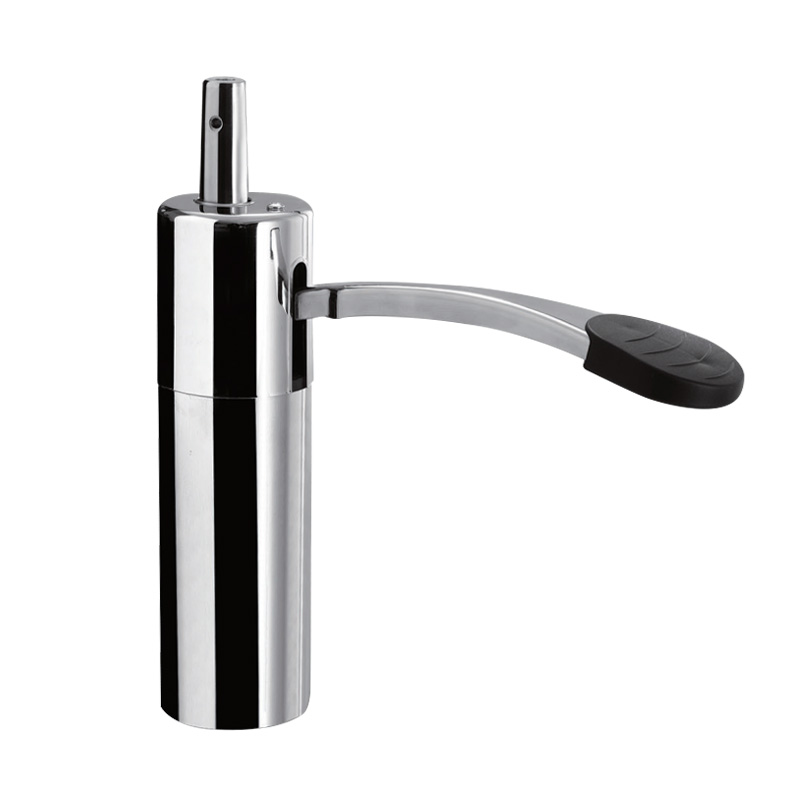
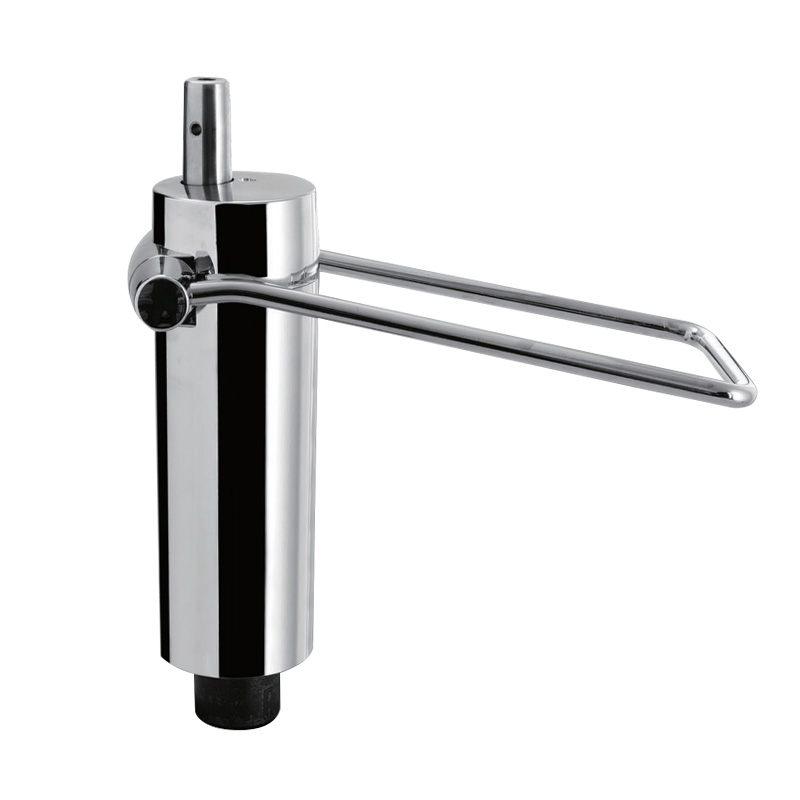
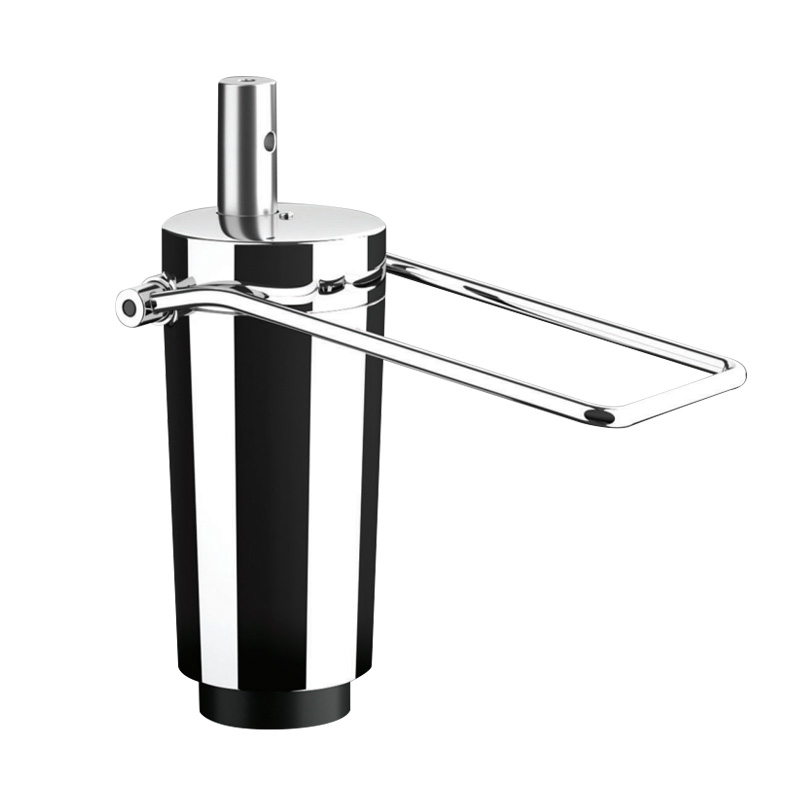
Hydraulic components are where compatibility issues surface most sharply. The pump connects to the base and to the seat column through interfaces that vary by model — cylinder diameter, stroke range, connection thread type. A pump with slightly different stroke geometry may cause the chair to rise unevenly, fail to hold a locked position, or bottom out before reaching a usable height. These are not subtle failures. They show up immediately and make the chair unusable until corrected.
Base Plates and Column Connections
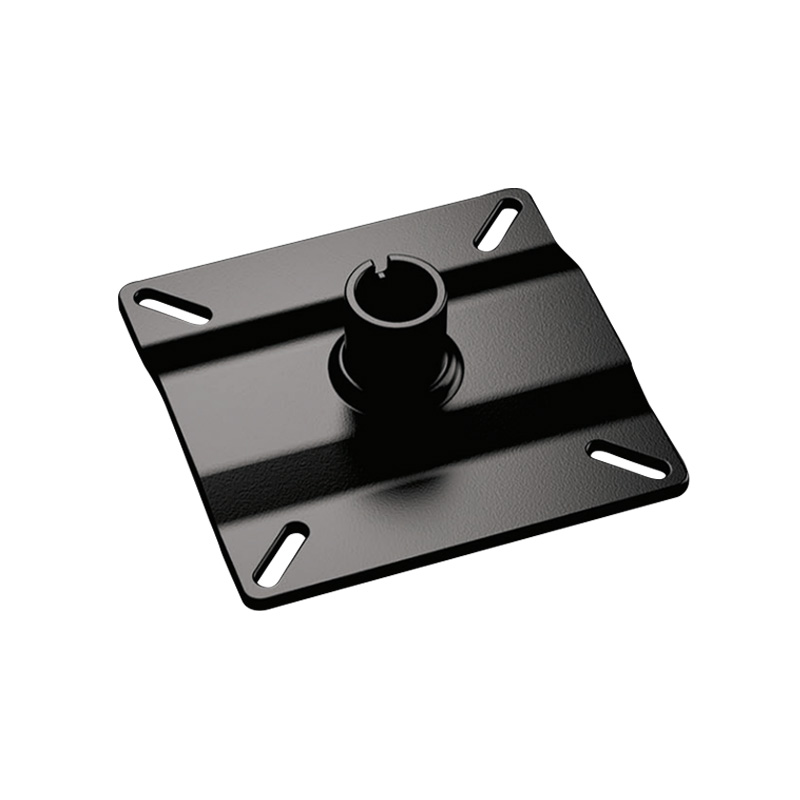
The base of a salon chair carries structural load and connects to the pump column through a precisely fitted interface. When the anchor hole pattern on a replacement base does not match the floor plate, or when the column thread type differs from what the pump expects, the assembly either cannot be completed or sits with mechanical play that affects stability. Bases look interchangeable far more often than they actually are.
Armrests and Seat Frames
Armrest attachment systems vary considerably. Some use recessed bracket slots; others use surface-mounted pivot hardware. The spacing between attachment points, the width of the bracket channel, and the angle of the mount all affect whether a replacement armrest will seat properly. A part that attaches but sits slightly out of alignment will either loosen under regular use or stress the surrounding material.
Footrests and Pivot Hardware
Footrests carry a reputation for being generic, interchangeable accessories. In reality, the pivot mechanism width, the adjustment slot geometry, and the total span of the footrest platform differ across models. Forcing a footrest that does not quite fit can restrict the adjustment range or create a loose connection that shifts during client positioning.
A Practical Process for Checking Compatibility
Step 1 — Track Down the Model Information
Somewhere on the chair — beneath the seat cushion, on the base collar, near the pump housing — there is usually a model label or stamped identifier. That number is the foundation of any compatibility search. If the label has worn away, check original purchase paperwork or contact the supplier who sold the chair originally. Even a general model family name narrows the search considerably.
Step 2 — Take Physical Measurements Directly
Do not skip this step, even when a part appears to match based on description alone. Measure:
- The outer diameter of the pump column where it seats into the base
- The spacing between mounting holes on the base plate
- Thread pitch and direction on all threaded connection points
- The width and screw spacing of armrest bracket attachment points
- The footrest pivot width and the depth of the mounting slot
Record every measurement before contacting a supplier. These numbers are what make a compatibility conversation productive rather than vague.
Step 3 — Compare Your Measurements Against Part Specifications
A reliable supplier will be able to share dimensional specifications for replacement parts before the order is placed. Set your measurements side by side with the part specifications. Where the numbers align, compatibility is likely. Where they differ, raise the question directly — some variation falls within a workable tolerance, while other differences represent a genuine mismatch that will prevent installation.
Step 4 — Understand Whether the Part Is OEM or Aftermarket
Original equipment manufacturer parts are built to dimensional specifications tied to a specific model. They tend to fit precisely with minimal adjustment. Aftermarket parts cover a broader range of chair models but may require minor fitting work. Neither approach is inherently problematic — knowing which you are working with helps set realistic expectations for the installation process and the level of verification required before committing to an order.
Step 5 — Get Compatibility Confirmed Before the Order Ships
When sourcing in volume, or when the chair in question is critical to daily operations, ask the supplier to confirm compatibility in writing before the order is processed. Reference specific model numbers. A written confirmation creates a record that simplifies any exchange or follow-up if the part arrives and does not fit as expected.
OEM vs. Aftermarket: How They Compare Across Key Factors
| Factor | OEM Parts | Aftermarket Parts |
|---|---|---|
| Dimensional Fit | Tied to original model specifications | Covers a wider range of models |
| Sourcing Channel | Through the original manufacturer or authorized distributor | Through general parts suppliers |
| Price Point | Typically higher | Often more accessible |
| Documentation Available | Usually model-specific | May need supplementary verification |
| Fitting Adjustment | Rarely required | Sometimes needed depending on chair model |
| Availability for Older Models | Can be limited | Generally broader stock across generations |
The practical takeaway is that both options can work well, depending on the situation. OEM parts are the cleaner choice when the original model is clearly identified and still in production. Aftermarket parts become more practical when the original model is discontinued or when sourcing flexibility matters — provided the dimensional specifications are verified before purchasing.
Mistakes That Buyers Make More Often Than They Should
Treating Visual Similarity as Technical Compatibility
Two hydraulic pumps can look nearly identical and still differ in ways that prevent installation. Column thread direction, cylinder stroke length, and base attachment geometry are not visible from the outside. Photographs and physical appearance are useful for initial identification, but they are not a substitute for dimensional verification.
Ordering by Component Name Without Dimensional Context
Searching for a "salon chair base" or "hydraulic cylinder" without accompanying measurements produces a long list of options with no clear way to narrow the field. Part names describe function, not fit. Without dimensions, there is no basis for evaluating which option will actually work.
Overlooking Production Period Differences
Manufacturers update component specifications over time, sometimes without changing the external appearance of a chair or the general model name. A replacement part sourced for a current version of a chair may not be dimensionally compatible with an earlier version of that same model. When sourcing for older chairs, ask the supplier explicitly whether the part applies to the production period your chair falls within.
Moving Forward Without Supplier Input
Suppliers who work regularly with salon equipment understand which parts have known compatibility issues and which chair families share interchangeable components. That knowledge rarely appears in a product listing. Skipping the conversation in favor of a faster online transaction means bypassing the single most reliable source of pre-purchase guidance.
What Goes Wrong When a Mismatched Part Gets Installed
Stress on Surrounding Components
A part that fits approximately — close enough to assemble but not quite aligned — transfers mechanical load in ways it was not designed to handle. Seals wear faster. Bearing surfaces develop play. Fasteners that were not under stress begin to loosen. The visible damage often shows up in components adjacent to the mismatched part, making it less obvious that the original mistake was a compatibility error.
Stability and Safety Concerns
Salon chairs support clients in elevated and reclined positions. Any looseness in the base connection, any instability in the pump lock, or any structural play in the column interface creates risk. A chair that settles or shifts during a service session is not just inconvenient — it is a genuine concern for the person seated in it.
Costs That Expand Beyond the Original Repair
A mismatched part that damages adjacent components turns a focused repair into a broader replacement project. The additional cost is not just financial. The time spent identifying secondary damage, sourcing further parts, and completing a more involved repair is time the chair is out of service. Prevention through compatibility verification costs far less than correction after the fact.
Building a Compatibility Reference Worth Keeping
A simple internal record for each chair in a facility reduces sourcing friction significantly over time. For every chair, it is worth maintaining:
- The model identifier and approximate installation date
- Measured dimensions of key connection points (pump column, base plate, seat frame)
- A log of parts replaced, including supplier name and part reference
- Any notes about fit quality or adjustments made during installation
This does not require dedicated software. A shared spreadsheet or even a folder of printed notes kept with service records works. The value comes from having verified measurements on hand the next time a part needs replacing — so the sourcing conversation starts with facts rather than guesswork.
Does the Supplier Know What They Are Selling?
Not every parts supplier has the same depth of product knowledge. Some specialize in salon equipment and maintain organized compatibility data across chair models and component generations. Others operate as broad distributors with limited model-specific information. The difference matters when a purchasing decision needs to be accurate.
When evaluating a supplier, the questions worth asking are direct: Can they confirm that a given part is compatible with a named chair model? Will they provide dimensional specifications for comparison? How do they handle situations where a part arrives and does not fit? Straightforward answers to these questions — or the absence of them — quickly indicate how much confidence to place in a supplier's guidance.
Wenling Jiafeng Machinery Co., Ltd works with procurement teams and salon operators who face exactly this kind of sourcing complexity. Mixed chair environments, aging equipment, discontinued models, varying production generations — these are the circumstances where having a supplier with organized compatibility knowledge and clear communication makes a measurable difference. Teams with specific chair models in need of replacement components are welcome to reach out directly to discuss dimensional requirements, review part specifications, and confirm fit before any order is placed. The goal is always to get the right part the first time, not to manage the fallout from getting it wrong.