
 En
En Português
 عربى
عربى
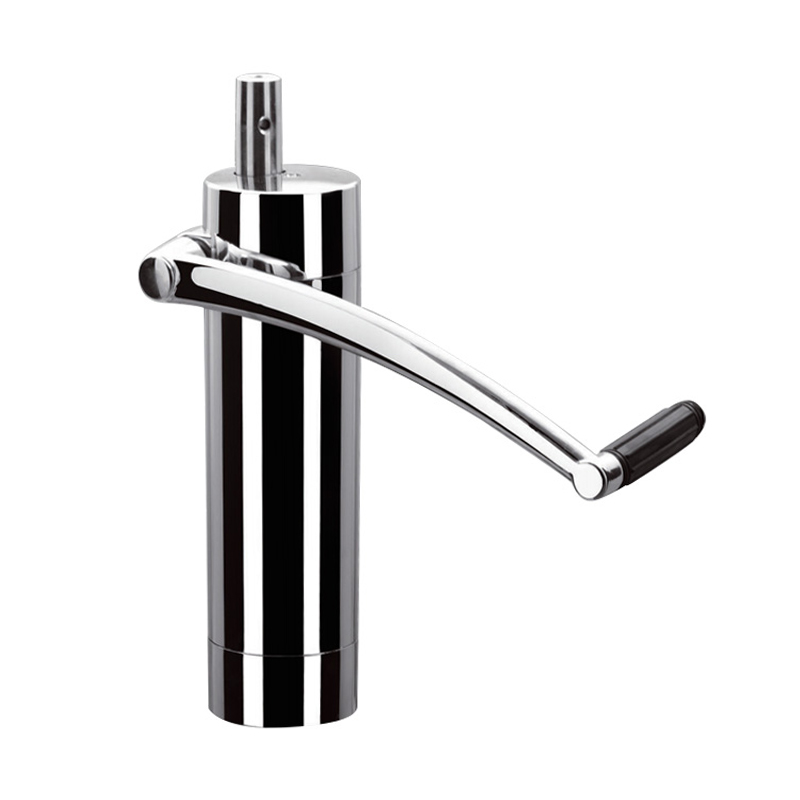
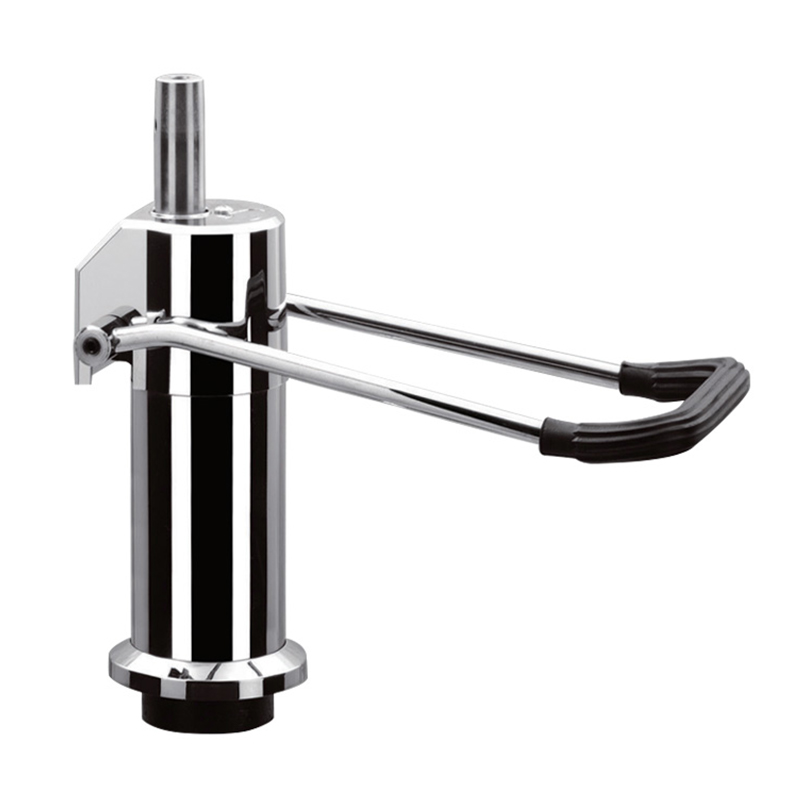
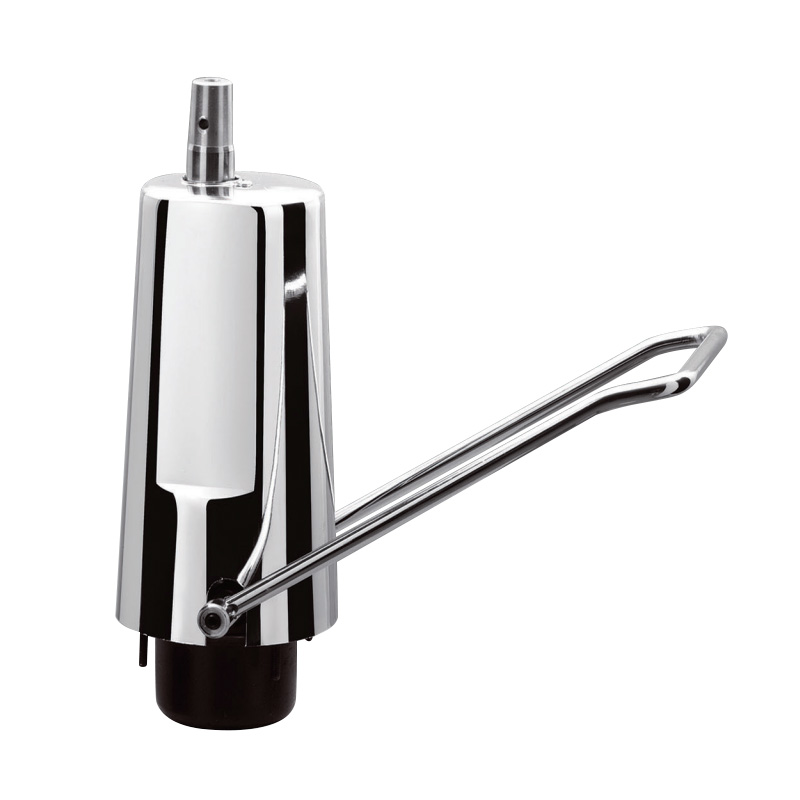
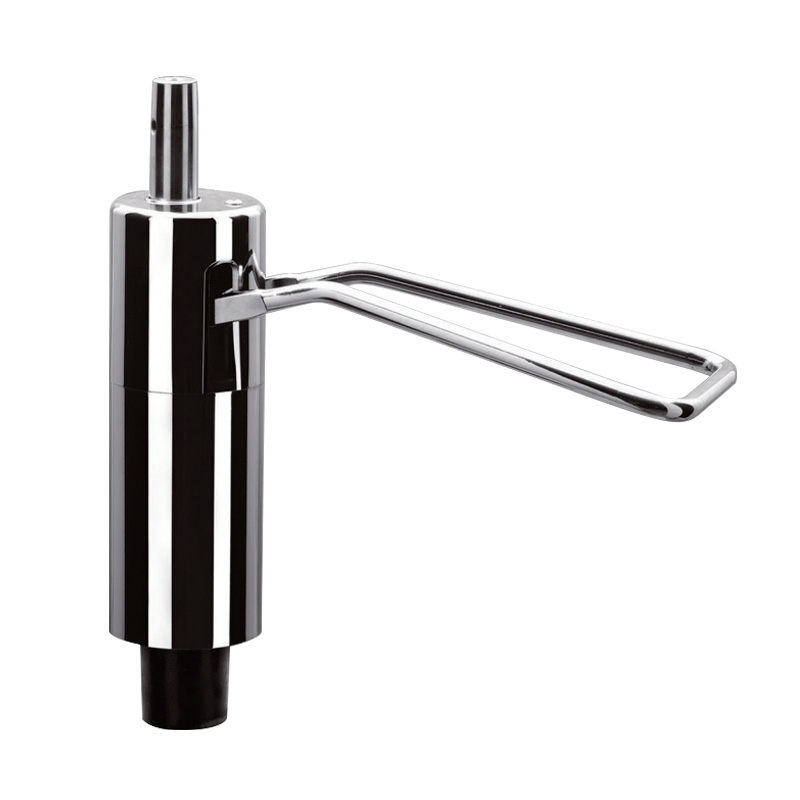
Your styling chair wobbles mid-appointment, the hydraulic pump struggles to hold position, and the base has been making that grinding noise for two weeks. You know a repair is coming — you just do not know when it will become urgent enough to pull the chair off the floor entirely. For salon owners and equipment managers dealing with this kind of slow-burn deterioration, the pattern is familiar: reactive fixes, short-term patches, and the quiet accumulation of costs that nobody tracks until they add up to something impossible to ignore. The quality of Salon Chair Repair Parts used in those repairs is often what determines whether a chair stays reliable for years or returns to the shop floor every few months.
Why Salon Chairs Break Down More Often Than They Should
A salon chair handles a demanding workload. Multiple clients per day, repeated height adjustments, reclining cycles, weight variation across users, and constant cleaning with chemical products — these stresses compound over time in ways that inexpensive components are not always built to handle.
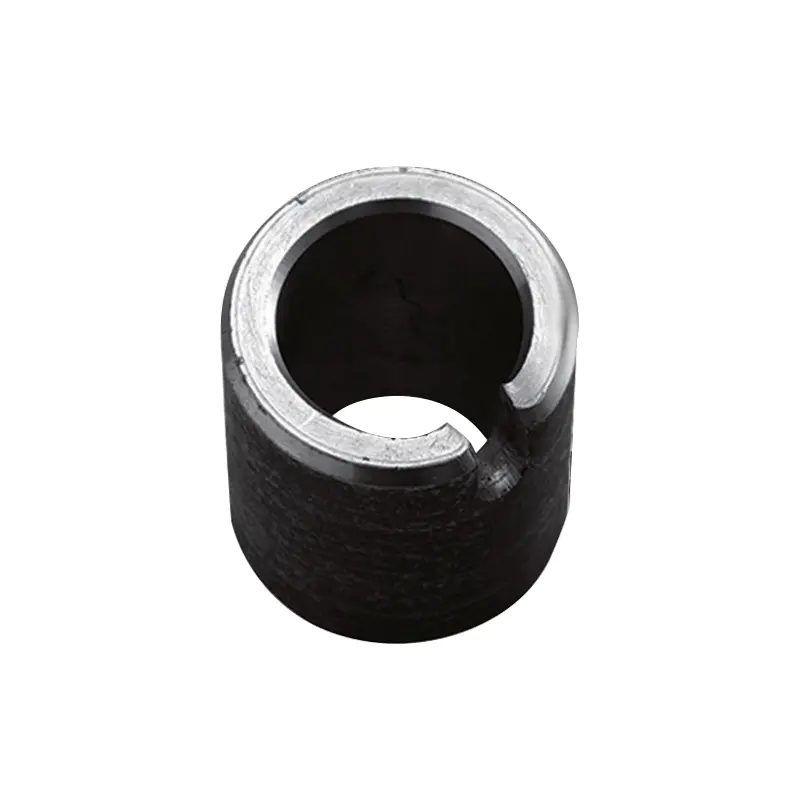
The chairs that end up needing constant attention are usually not failing because of design flaws. They are failing because replacement parts used in previous repairs prioritized low unit cost over functional durability. A hydraulic cylinder sealed with lower-grade materials loses its hold sooner. A base cast from thinner metal develops cracks under lateral load. Casters with undersized bearings flatten and stick after moderate use. Each of these failures is individually small, but together they define a chair that needs attention far more frequently than its original design ever intended.
Understanding why these parts fail — not just that they fail — is what allows owners to make different purchasing decisions going forward.
Which Chair Components Wear Out Fastest?
Not every part of a salon chair experiences equal stress. Some components are essentially structural and last the life of the chair with no intervention. Others sit directly in the path of daily mechanical load and chemical exposure, and their condition determines whether the chair functions reliably or becomes a recurring problem.
The components that account for the majority of salon chair maintenance calls:
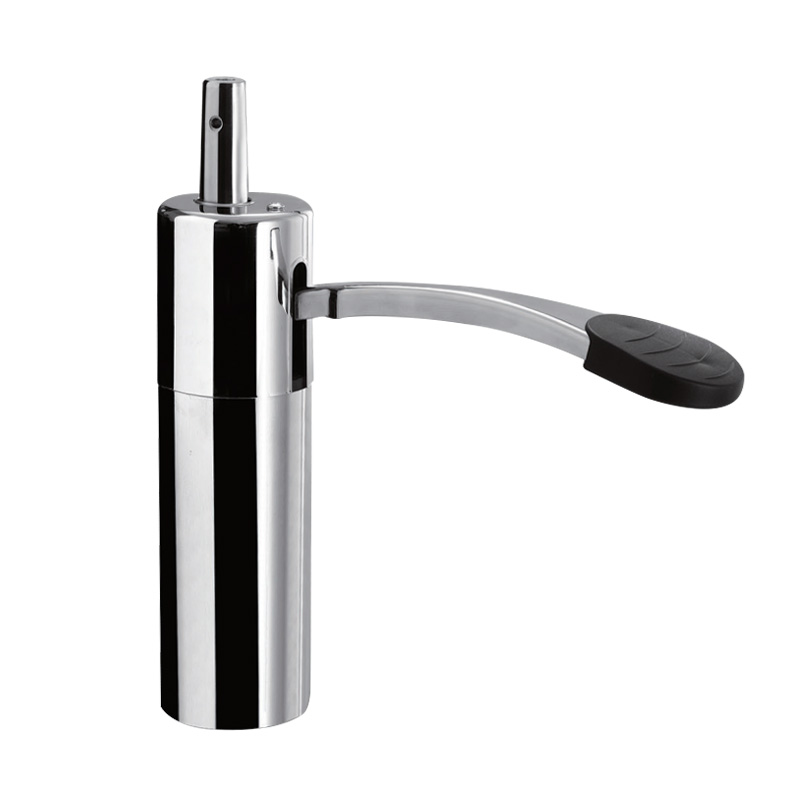
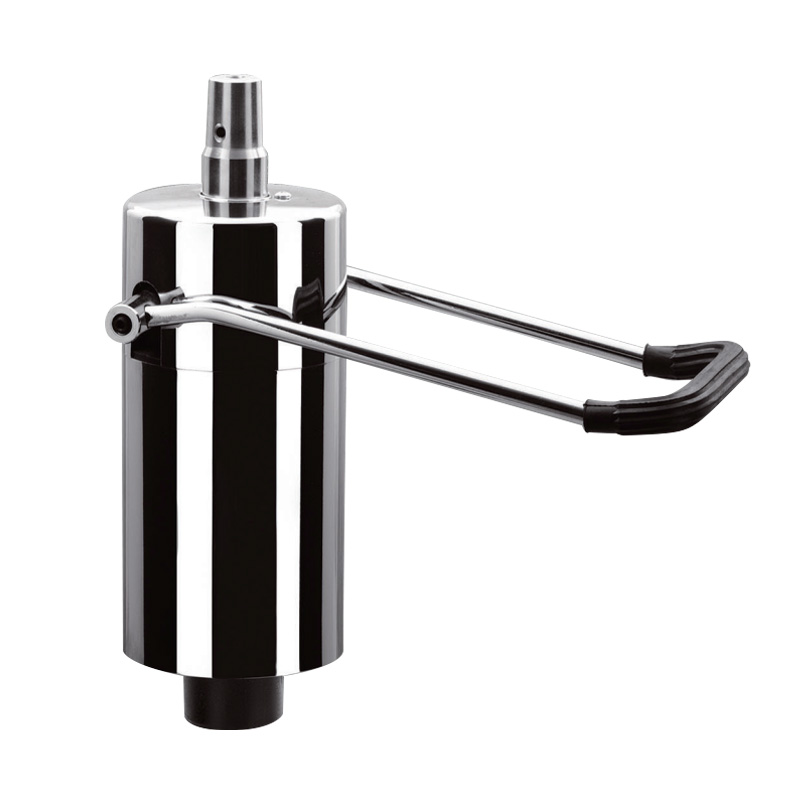
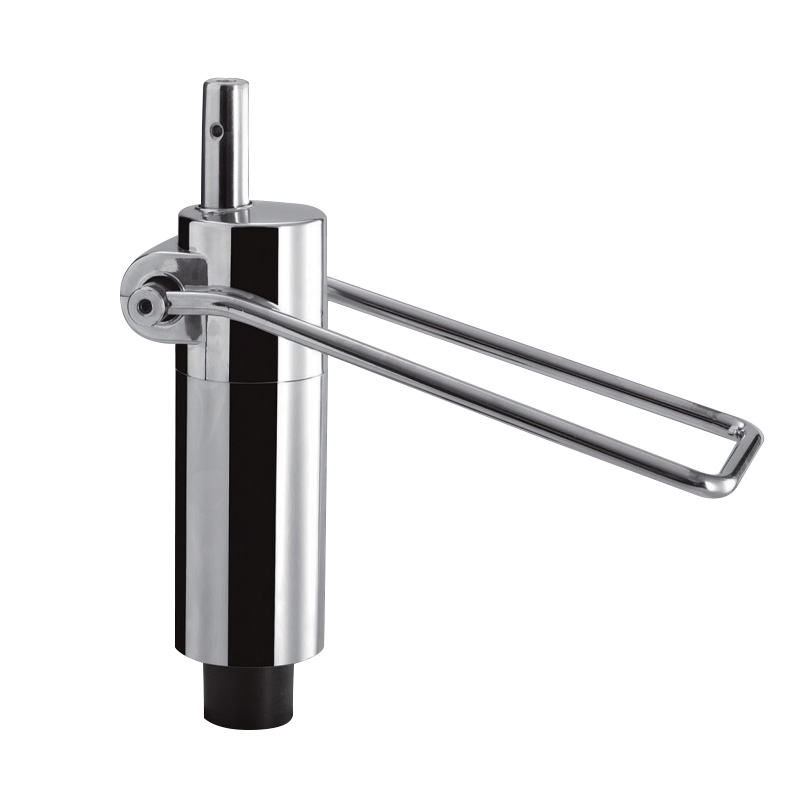
- Hydraulic pump assembly: The mechanism that controls seat height. It undergoes hundreds of actuations per week in a busy salon, and its internal seals are particularly vulnerable to fluid contamination and pressure cycling. When it begins to drift — slowly releasing height under client weight — it is usually a sign the seals have degraded rather than the entire pump having failed.
- Chair base: The foundation that distributes load to the floor. Bases crack and deform under sustained lateral stress, especially on uneven flooring where load is concentrated unevenly across the five arms. A base made from heavier-gauge material with reinforced weld points survives these conditions; a thinner alternative may hold visually intact while developing internal fractures.
- Casters and glides: Direct contact with flooring makes these components a collection point for hair, cleaning chemicals, and debris. Bearings in low-quality casters bind and flatten, which places additional rotational stress on the base. Replacing casters with properly sealed, chemical-resistant versions reduces this failure mode substantially.
- Footrest mechanism: The pivot and locking hardware on adjustable footrests is under load every time a client sits, stands, and repositions. Cheap pivot pins wear oval over time, producing a footrest that wobbles rather than holds position cleanly.
- Recliner mechanism: The latch, spring, and pivot assembly that controls chair recline takes significant force during operation. Worn springs allow the chair to drift from locked positions; worn pivot points create lateral play that clients notice as instability.
- Upholstery attachment hardware: Often overlooked until a seam pulls away from its anchoring point. The hardware beneath the upholstery — staples, screws, and foam retention frames — determines how long the surface material maintains its shape and tension.
Knowing which parts carry the highest functional load is the starting point for deciding where material quality actually matters versus where standard specifications are sufficient.
Does Part Quality Have a Measurable Effect on Maintenance Frequency?
The answer is consistent across salon environments that have tracked it: yes, materially so. The mechanism is straightforward. A component manufactured from higher-grade materials with tighter dimensional tolerances takes longer to reach the point of functional failure. Longer intervals between failures mean fewer service calls, less chair downtime, and lower annual maintenance expenditure.
The effect is most visible in hydraulic components. Two hydraulic pump assemblies with identical external dimensions can have very different service lives depending on the sealing compound used, the surface finish on internal sliding components, and the precision of the valve geometry. The version with tighter manufacturing tolerances holds pressure more consistently, experiences less internal bypass over time, and does not require adjustment or replacement until significantly more use cycles have accumulated.
The same principle applies to structural components. A base manufactured to tighter wall thickness tolerances distributes load more evenly, which means stress concentration — the condition that initiates cracking — develops more slowly. A caster with a sealed bearing instead of an open one keeps debris out of the rolling contact zone, which is where premature wear originates.
None of this requires expensive proprietary components. It requires selecting replacements that meet functional specifications rather than selecting on price alone.
A Practical Comparison: Standard vs. Durable Replacement Parts
| Component | Common Failure Mode | Standard Replacement Behavior | Durable Replacement Behavior |
|---|---|---|---|
| Hydraulic pump | Pressure drift, height loss | Seals degrade within moderate use | Holds pressure through extended cycling |
| Chair base | Cracking at weld points | Develops visible flex under load | Maintains structural integrity under daily stress |
| Casters | Binding, flat spots | Bearings contaminate and seize | Sealed bearings resist debris and chemical exposure |
| Footrest pivot | Wobble, loose positioning | Pin wears oval relatively quickly | Hardened pin holds dimensional tolerance longer |
| Recliner mechanism | Position drift, lateral play | Spring fatigue accelerates | Tempered spring maintains tension through repeated cycles |
| Upholstery hardware | Seam separation, surface pull | Anchoring points loosen under tension | Reinforced attachment sustains upholstery shape |
The pattern across all categories is the same: durable components do not eliminate wear — they extend the interval between meaningful wear events. In a busy salon environment, that extension translates directly into fewer interruptions and lower per-chair maintenance cost over any given period.
How Downtime Affects Salon Operations
A chair that is pulled from service for repair is not a neutral event. Every chair in a salon represents a portion of the daily booking capacity. When a chair needs to come out of rotation — whether for a same-day emergency repair or a scheduled maintenance visit that runs long — the operational ripple is immediate: appointments shifted, clients inconvenienced, revenue deferred or lost entirely.
In salons with tight booking schedules, even a two-hour chair outage on a busy day has a cost that exceeds the price of the repair itself. That calculus changes how the investment in higher-quality replacement parts should be evaluated. The direct question is not just "what does the better part cost" — it is "what does unreliable hardware cost me across a year of operations."
Salons that have made this comparison deliberately — tracking actual repair frequency and downtime across different quality tiers of replacement parts — consistently find that the per-chair annual cost is lower when higher-quality components are used, even after accounting for the higher unit price of the parts themselves.
What Should Buyers Look for When Sourcing Replacement Parts?
Sourcing replacement parts for salon chairs is not as straightforward as it might appear. The market includes a wide range of suppliers, and external appearance does not reliably predict functional quality. A hydraulic pump that looks identical to a quality unit in photographs may use different internal materials and deliver a very different service life.
Practical evaluation criteria when comparing replacement parts:
- Material specifications: For hydraulic components, the seal compound and metal alloy used in sliding surfaces matter. For bases, wall thickness and weld method matter. For casters, bearing type and whether it is sealed or open matters. Suppliers who can provide this information — rather than just a catalog image and a price — are generally more reliable sources.
- Dimensional compatibility: Replacement parts need to fit the specific chair model without modification. Parts that are nominally compatible but require adaptation create installation problems and may not restore the chair to its original performance envelope. Confirming exact model fitment before ordering prevents this.
- Load rating alignment: Components should be rated for loads consistent with salon chair use. Under-rated parts — particularly bases and hydraulic assemblies — accelerate through their rated life quickly in heavy-use environments.
- Chemical resistance: Cleaning products used in salons are often aggressive. Caster materials, upholstery hardware finishes, and pump body coatings should be evaluated for resistance to the specific cleaning chemicals in regular use at the facility.
- Supplier track record: The reliability of the supply relationship matters alongside the quality of the parts. A supplier who can confirm availability, provide consistent lead times, and respond to technical questions reduces the operational risk of sourcing from a distance.
Repair vs. Replace: When Does Chair Condition Change the Calculation?
Investing in durable replacement parts makes clear sense for chairs that have sound structural integrity and a functioning core mechanism. The calculation changes when the chair has accumulated damage beyond what targeted repair can address.
Indicators that a chair has moved past the point where part replacement delivers reliable value:
- The base has visible cracking or permanent deformation that affects load distribution
- Multiple systems are failing simultaneously or in close succession — hydraulic, footrest, and recliner all showing problems within the same period
- The welded frame has visible fatigue points or has been previously repaired by welding
- The overall chair height, reclining geometry, or swivel function has changed in ways that cannot be traced to a specific replaceable component
- The chair model is discontinued and compatible parts are no longer straightforwardly available
In these situations, continued repair investment tends to produce diminishing returns. The cost of successive repairs on a deteriorated chair often approaches or exceeds the cost of replacement within a relatively short period, without restoring the reliability that good-condition chairs with quality parts can provide.
Recognizing this boundary clearly — rather than extending a repair cycle indefinitely because each individual repair seems manageable — is part of sound equipment management for any salon operation.
Building a Maintenance Strategy Around Part Quality
Reactive maintenance — fixing things when they break — is the default for many salons simply because it requires no planning. It is also consistently more expensive than the alternative. A structured approach to chair maintenance, organized around part quality and service intervals, reduces both the frequency and urgency of repairs.
A workable framework:
- Audit current chair inventory by age and repair history. Chairs with repeated failures on the same component are signaling a sourcing issue, not just an age issue. Identify which chairs are costing disproportionate maintenance time.
- Establish a parts sourcing standard. Decide in advance which components will be sourced at quality tiers that prioritize durability, rather than making that decision reactively under time pressure when something has already failed.
- Schedule preventive checks for high-wear components. Hydraulic function, caster condition, and footrest locking should be assessed on a regular schedule rather than waiting for client complaints. Early identification of wear allows planned replacement rather than emergency repair.
- Track repair costs per chair. Without tracking, it is easy to underestimate the cumulative cost of maintaining a problematic chair. With even basic records, the point at which repair investment exceeds replacement value becomes visible and actionable.
- Standardize on compatible parts where possible. In salons with multiple chairs of the same or similar models, standardizing on a consistent parts source reduces inventory complexity and simplifies ordering.
This kind of structured approach does not require significant administrative overhead. It requires treating chair maintenance as a planned operational activity rather than a series of unrelated emergencies.
Finding a Reliable Source for Salon Chair Components
The quality of replacement parts is only as accessible as the reliability of the supplier relationship. For salon owners and equipment managers sourcing replacement components at scale — whether for a chain of locations, a distribution business, or a high-volume repair operation — the consistency of that supply relationship matters alongside the specification of individual parts.
When evaluating a parts supplier, the relevant questions go beyond catalog availability. Can the supplier confirm material specifications on request? Do they carry inventory depth that supports prompt delivery rather than extended lead times on standard components? Can they support non-standard fitment requirements for less common chair models? Do they have a technical contact who can confirm compatibility when the chair model documentation is incomplete? Wenling Jiafeng Machinery Co., Ltd supplies Salon Chair Repair Parts and related chair hardware to equipment buyers across a range of salon chair configurations. If you are evaluating replacement components for a specific chair model, assessing sourcing options for a maintenance program, or looking to establish a consistent supply relationship for ongoing operations, reaching out directly is the practical next step. Having the right hardware available reliably — before the next failure rather than after it — is what keeps chairs in service and appointments on schedule.