
 En
En Português
 عربى
عربى
The hydraulic pump sinks again, the footrest wobbles, and the upholstery has been patched twice already. Every barber shop and salon reaches a point where the same question surfaces: keep putting money into the chair, or cut the losses and replace it? There is no single answer that works for every situation - but there is a clear way to think through it, and getting the decision right has a direct impact on operating costs, client experience, and how much time the chair spends out of service. Whether the right path is a targeted Salon Chair Repair Parts upgrade or a full replacement depends on what the chair is actually showing you.
What Accessories Can Be Upgraded Without Replacing the Chair?
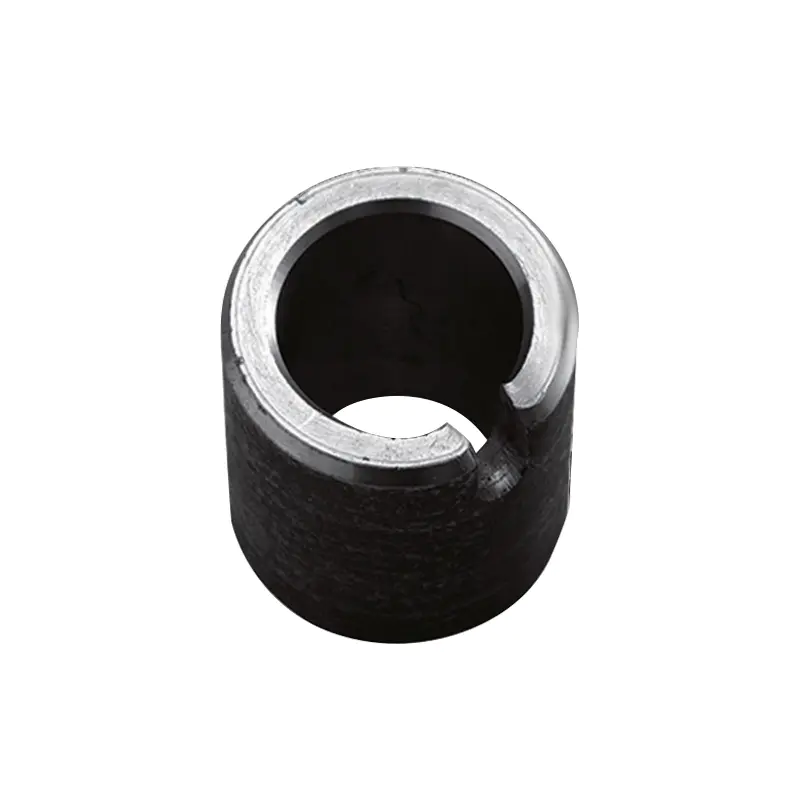
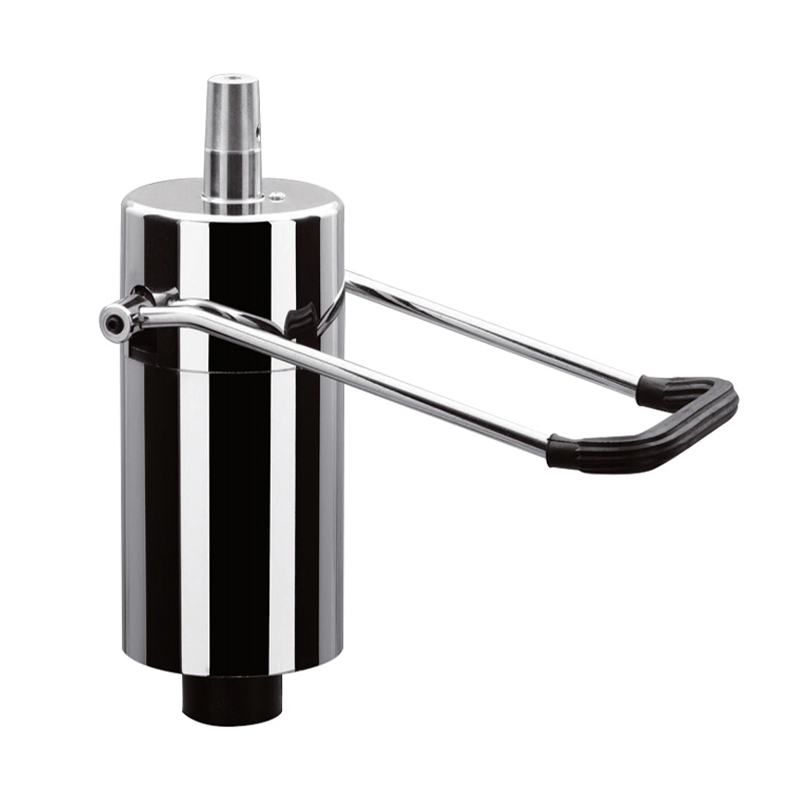
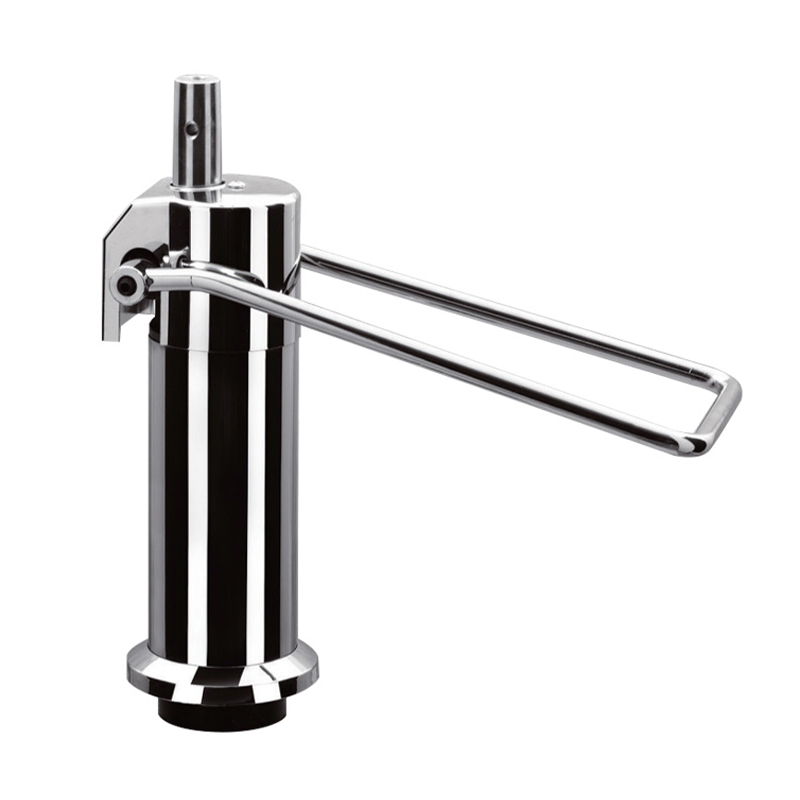
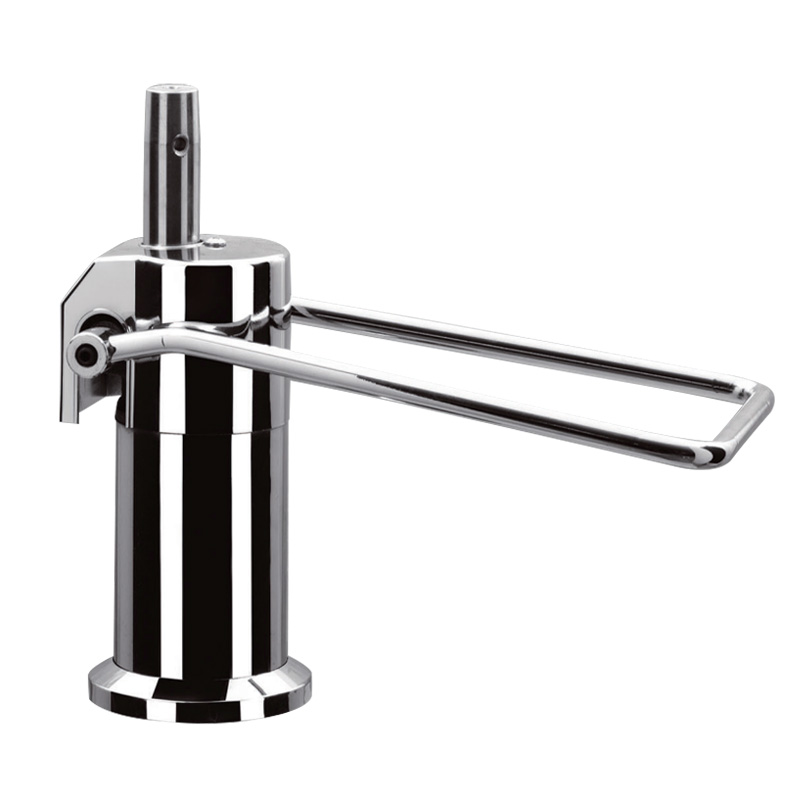
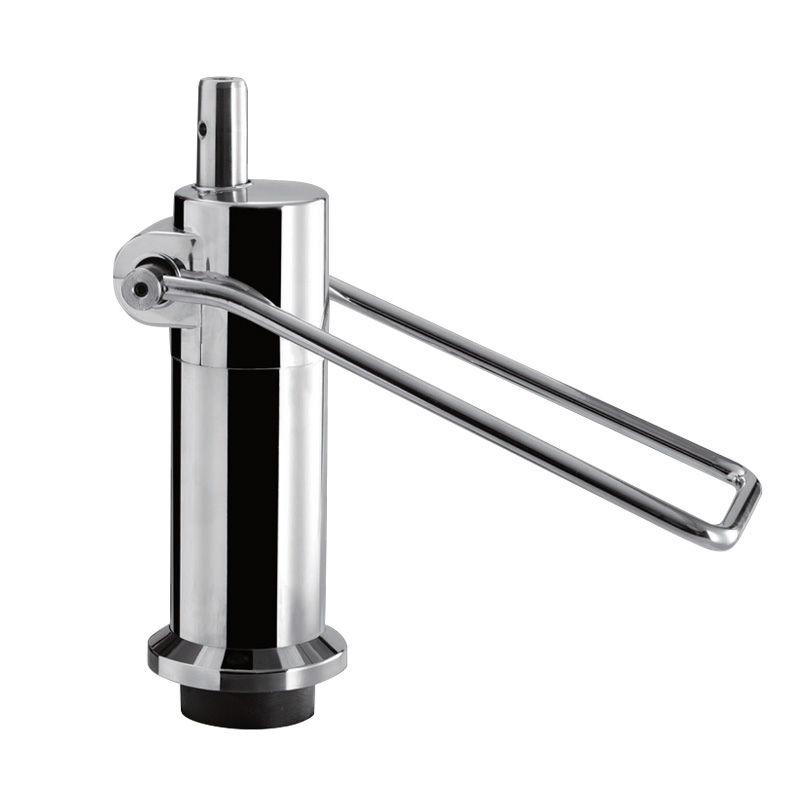
Hydraulic Pump Replacement
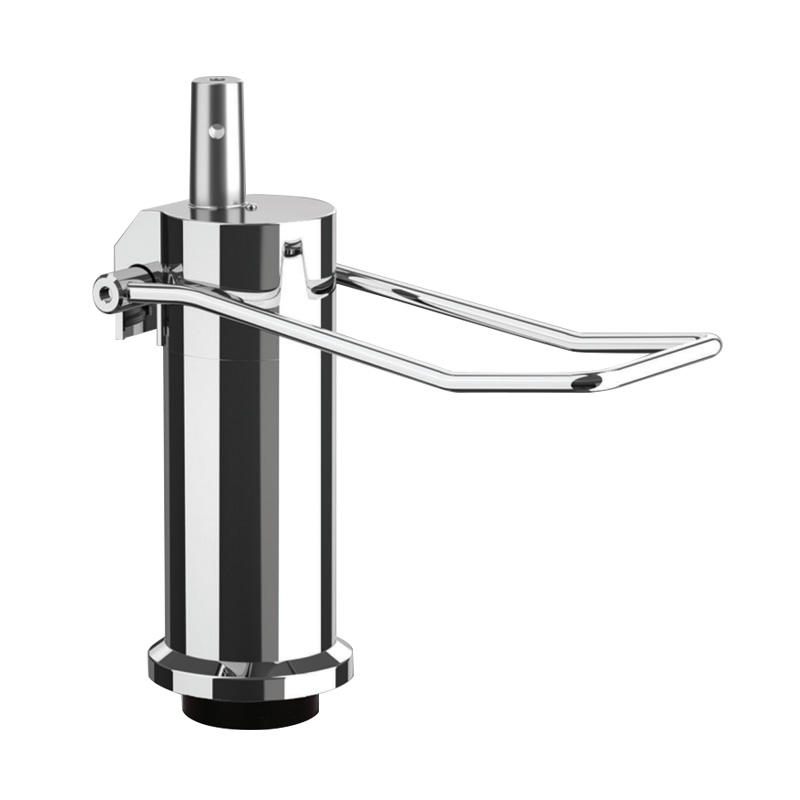
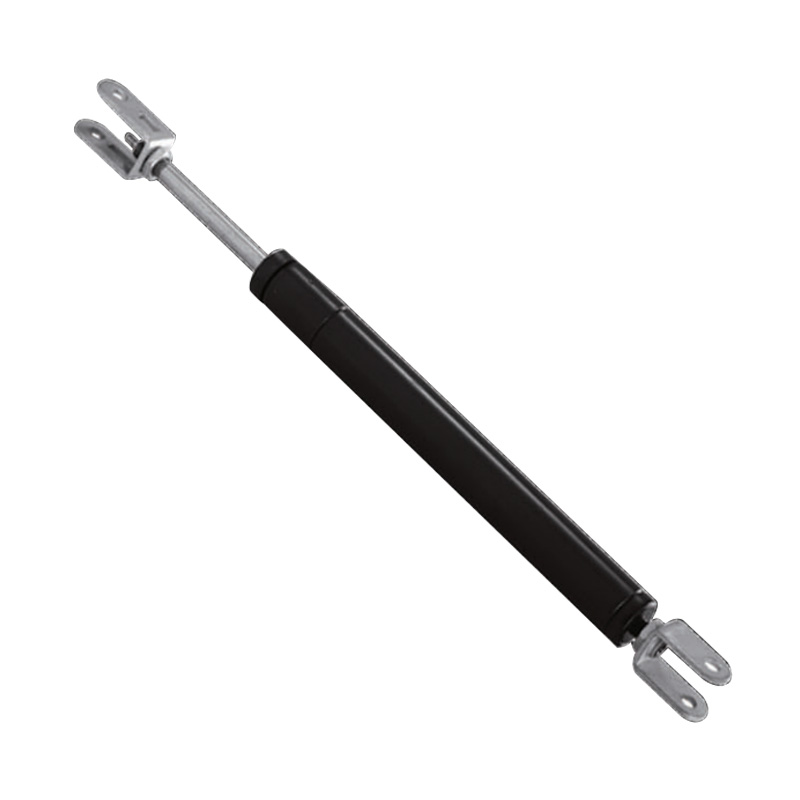
The hydraulic base is the component that fails on most chairs long before the rest of the structure wears out. A pump that sinks under client weight, fails to hold height, or leaks fluid is a functional failure - but it is also one of the most straightforward repairs in the category. Replacement hydraulic cylinders are widely available for most commercial chair models, and swapping the pump does not affect any other part of the chair.
A chair that sinks but has a sound frame, intact swivel, and good upholstery is a strong candidate for a pump-only repair. The cost is a fraction of a replacement unit, and the outcome restores the chair's core function completely.
Upholstery Refresh
Worn, cracked, or stained upholstery affects client perception more directly than almost any other wear indicator. It also has no structural significance - deteriorating vinyl or fabric does not affect the chair's mechanical function, which means reupholstering is a cosmetic upgrade that can extend the chair's working life without touching any functional component.
For chairs with sound frames and working mechanisms, a full reupholstery gives the appearance of a new chair at a much lower cost. The considerations are whether a competent upholstery service is accessible and whether the foam beneath the vinyl has degraded - hardened or collapsed foam should be replaced at the same time, or the result will look better but feel the same.
Base and Swivel Components
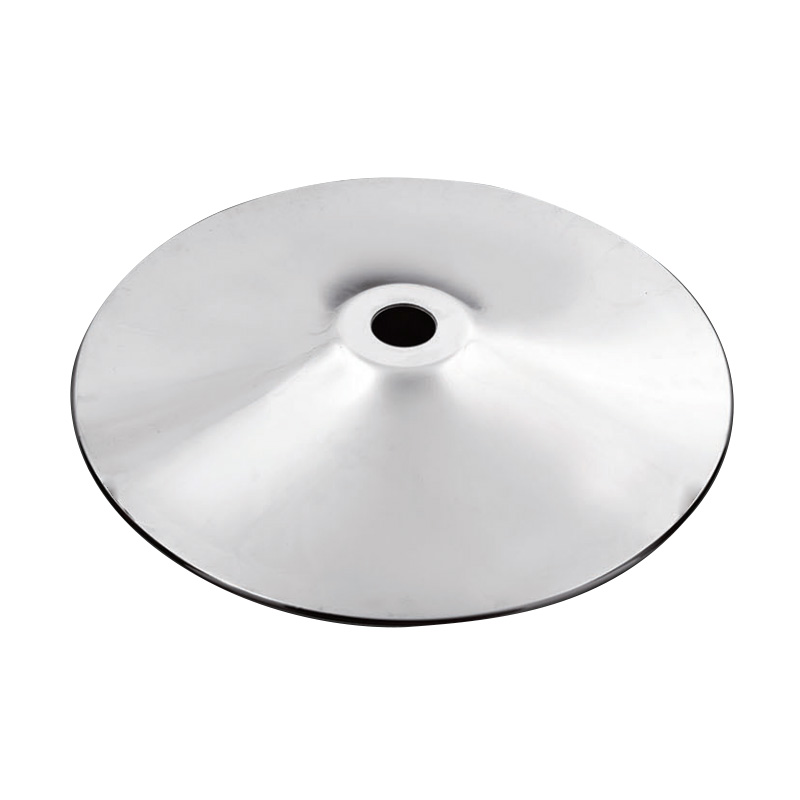
A wobbling or grinding swivel bearing causes client discomfort and projects an impression of neglect. Swivel assemblies and chair bases are discrete components on most commercial chairs, and replacing them restores stability without requiring a new chair. For chairs where the swivel or base is the only failing component, this is one of the clearer cases for accessory repair rather than replacement.
Footrest Replacement
Footrests receive significant mechanical stress across a working day - they are pushed, pivoted, stepped on, and adjusted repeatedly. Cracked or structurally compromised footrests are both a cosmetic and a safety issue. Replacement footrests are available for most commercial chair platforms and install without specialized tools in most cases.
What Conditions Indicate the Chair Should Be Replaced?
Structural Frame Damage
Frame cracks, weld failures, and metal fatigue at the joint points are not repairable to a commercial standard in most shop environments. A frame that has cracked under normal use has already demonstrated that it is no longer structurally sound for the loads it will continue to experience. Patching or welding a cracked frame may restore appearance but does not restore the safety margin that a sound frame provides.
This is the clearest indicator that replacement is the appropriate decision. A chair that is not structurally reliable creates a liability that no accessory upgrade can address.
Severe Corrosion
Surface rust on chrome or painted components is a cosmetic issue. Rust that has penetrated the base columns, the hydraulic housing, or the frame joints is a structural issue. Corrosion at load-bearing points reduces the material cross-section that carries the chair's weight rating, and the degree of internal corrosion is often much greater than what is visible at the surface.
Chairs with significant base or frame corrosion in an active barber shop environment will continue to corrode in service, and the rate typically accelerates once the surface protection is compromised.
Multiple Simultaneous Failures
A single component failure - pump, footrest, swivel - is a normal maintenance event for a commercial chair in extended use. Two or three component failures occurring within a short period is a different signal. It indicates that the chair has reached a general age threshold where components are wearing out across the board, and addressing one will be followed shortly by another.
At this point, the cumulative cost of sequential repairs begins to approach the cost of a replacement unit, and each repair extends the life of a chair that will continue generating maintenance costs rather than running reliably.
Discontinued Parts
Chairs that are no longer in production eventually reach a point where replacement components are no longer available or require custom fabrication. When a chair needs a specific pump, base fitting, or armrest component that is no longer stocked, the repair becomes a sourcing problem as well as a technical one. Shops should assess parts availability before committing repair investment to a chair platform that may face this constraint.
Repair vs. Replacement: A Practical Decision Framework
| Situation | Recommended Action | Reasoning |
|---|---|---|
| Hydraulic pump failure only | Replace pump | Isolated failure, low cost, straightforward repair |
| Worn upholstery on sound frame | Reupholster | Cosmetic issue, no structural implication |
| Wobbling or grinding swivel | Replace swivel / base | Discrete component, does not indicate wider failure |
| Cracked frame or weld failure | Replace chair | Structural safety cannot be restored by repair |
| Active corrosion at base or frame joints | Replace chair | Corrosion will continue and is not a surface-only issue |
| Two or more simultaneous failures | Evaluate cumulative repair cost | If repair cost approaches replacement value, consider replacement |
| Parts no longer available | Replace chair | Repair is not feasible without parts supply |
| Chair approaching end of commercial lifespan | Replace chair | Continued investment does not improve long-term reliability |
How to Calculate Whether Repair Makes Financial Sense
The comparison is not just the repair invoice against a new chair price. The full picture includes:
- Cumulative repair cost over the past year. If the chair has had multiple repairs within a short window, the running total matters more than any single invoice.
- Expected remaining service life after repair. A pump replacement on a chair with a sound frame extends useful life meaningfully. The same repair on a chair with corroding joints and degraded upholstery extends life by a shorter and less certain period.
- Downtime cost. Every day a chair is out of service in a busy shop is revenue lost. A chair that requires repeated short repairs generates more cumulative downtime than a replacement that runs reliably after installation.
- Client experience impact. A chair that shows visible wear - patched upholstery, inconsistent height adjustment, an audible grind during swivel - affects how clients perceive the shop. This is harder to quantify but it is a real operational cost.
When the repair cost for a specific issue is clearly lower than the cost of replacement and the chair is otherwise sound, the repair decision is straightforward. When repair costs are climbing, the chair is showing multiple wear indicators, and the expected post-repair life is uncertain, the replacement decision becomes progressively easier to justify.
Which Parts Are Worth Upgrading Even on Aging Chairs?
Not every upgrade needs to be repair-driven. Some accessory improvements make sense as proactive investments on chairs that are structurally sound but showing surface wear:
- Hydraulic pump upgrade: Installing a higher-rated replacement pump on a well-used chair can actually improve performance over the original - newer pump designs often have better sealing and more consistent hold height than older units.
- Armrest replacement: Cracked or degraded armrests affect client comfort and shop appearance. Replacement armrests are available for many platforms and improve the chair's presentation without a full replacement investment.
- Headrest replacement: A fresh headrest on a refurbished chair significantly changes the client experience at a relatively low cost.
- Footrest replacement: Beyond repair, a footrest upgrade to a more ergonomic or wider platform can improve client comfort on a chair that will continue in service.
These targeted upgrades make the most sense on chairs that have a reliable frame, a functional hydraulic, and a confirmed parts supply. They are investments in extending the life of a sound platform, not attempts to salvage a chair that is past its reliable service window.
What Does Long-Term Fleet Management Look Like?
For shops operating multiple chairs, the repair-versus-replace decision becomes a fleet management question rather than a per-chair decision.
A pragmatic approach for multi-chair operations:
- Establish a documented service history for each chair - component replacements, repair dates, costs, and current condition
- Set a threshold for cumulative repair spending above which replacement is automatically evaluated
- Stagger chair replacements across years rather than replacing all chairs simultaneously - this smooths capital expenditure and ensures the shop always has a mix of new and established equipment
- Standardize on chair platforms where possible, so repair parts are interchangeable across the fleet and stocking replacement components is practical
Shops that manage chairs reactively - replacing parts when failures occur with no broader tracking - tend to spend more over time than those that maintain service records and make proactive replacement decisions based on documented history.
Does Chair Age Alone Determine the Decision?
Age is a factor but not the deciding one. A well-maintained commercial chair in a lower-volume shop can remain reliable for a long service life. A chair in a high-volume shop that has been heavily used, infrequently maintained, and repeatedly repaired may reach a practical end of service life much sooner.
The relevant question is not how old the chair is, but what condition it is in - specifically:
- Is the frame structurally sound?
- Are parts available?
- Has the cumulative repair spend justified continued investment?
- Is the chair reliable enough that clients will not notice its condition?
If the answers to these questions are positive, the chair has remaining useful life regardless of its age. If two or more of these conditions are negative, replacement is likely the more practical path regardless of how recently the last repair was done.
The decision between upgrading Salon Chair Repair Parts and replacing the chair entirely is a financial, operational, and structural question - and the answer is different for every chair in every shop. A sound frame with a failed pump is a clear repair case. A corroded frame with multiple failing components is a clear replacement case. Most situations fall somewhere between these two ends, and working through the specific condition of the chair - not just the most recent problem - is what produces a decision that holds up over time. For shop owners and equipment buyers evaluating their options, having access to a reliable supply of commercial-grade repair components for chairs worth maintaining is as important as knowing when those repairs have reached their limit.