
 En
En Português
 عربى
عربى
A chair that sinks mid-haircut, a footrest that rattles, or a headrest that no longer holds position — these problems do not just affect equipment. They affect how clients feel during a service and how smoothly a barber can work. Most of the time, the issue is not the chair itself but a worn or underspecified component that was never replaced. Investing in the right Salon Chair Repair Parts and accessories is often what separates a shop that runs efficiently from one that is constantly dealing with equipment interruptions.
What Do Salon Chair Accessories Actually Cover?
The Category Is Broader Than Most Shop Owners Expect
Salon chair accessories include everything attached to or supporting the chair that affects function, comfort, or appearance. Some are structural, some are ergonomic additions, and some exist purely to extend the working life of the chair.
The category broadly breaks into two groups:
Functional repair and replacement parts:
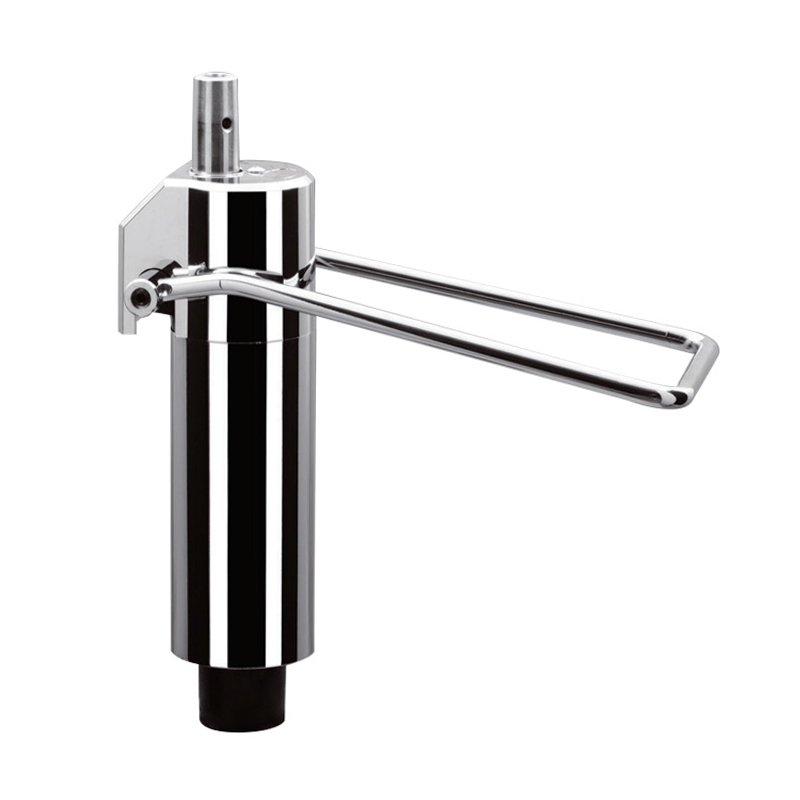
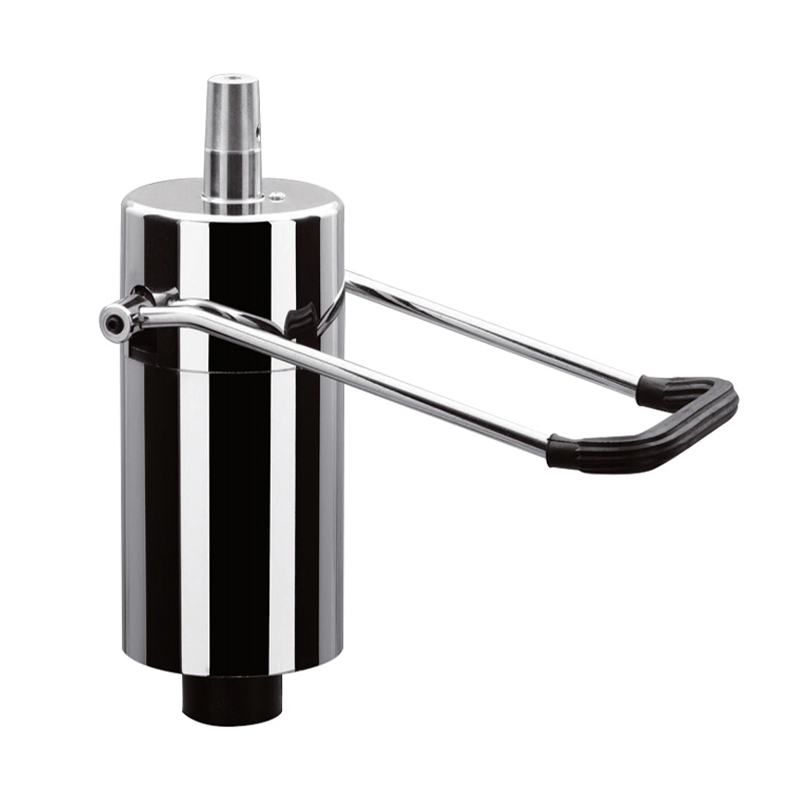
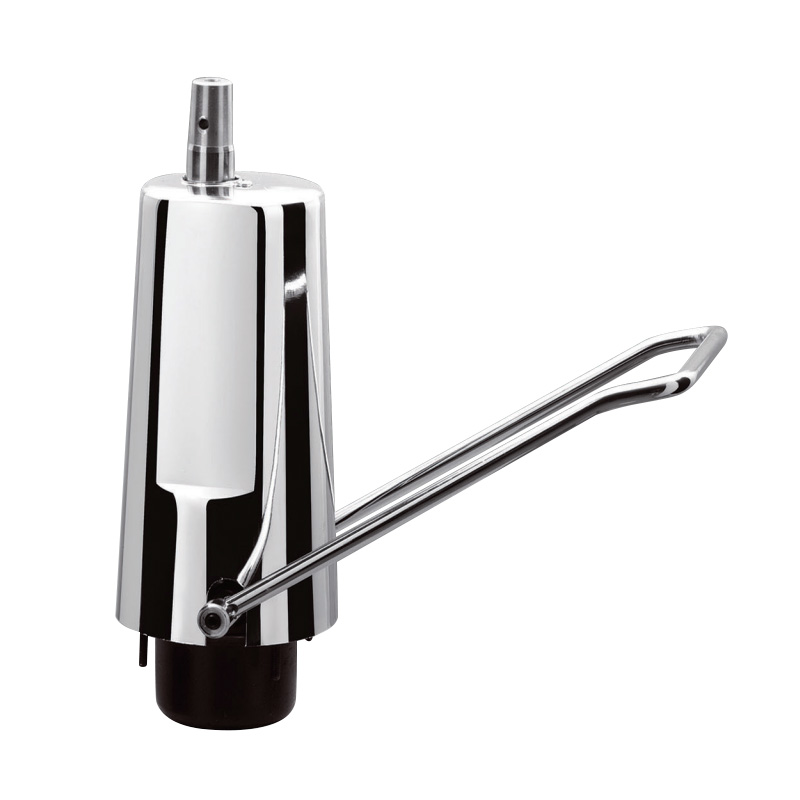
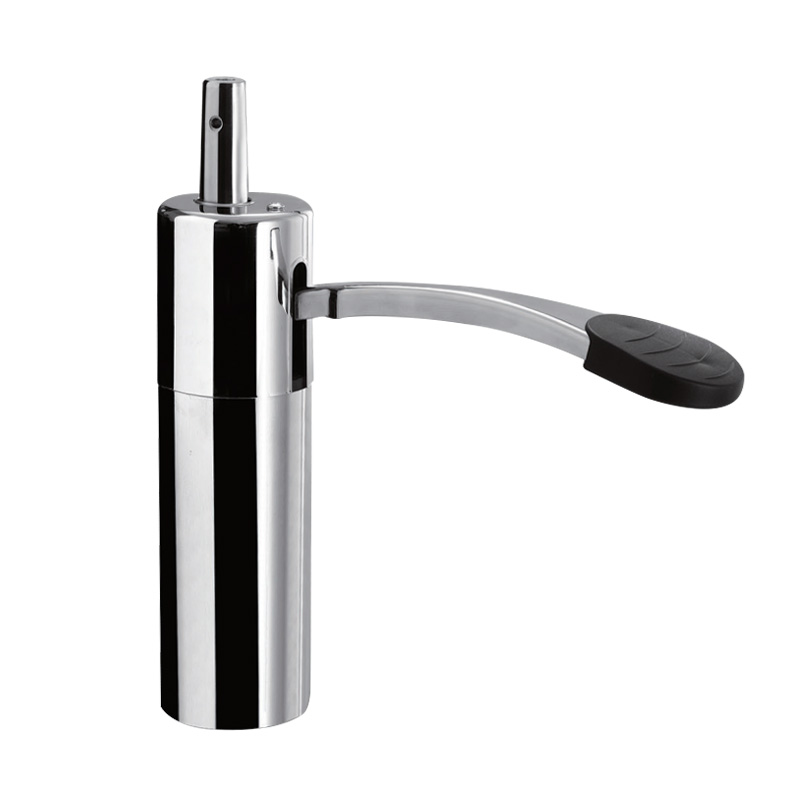
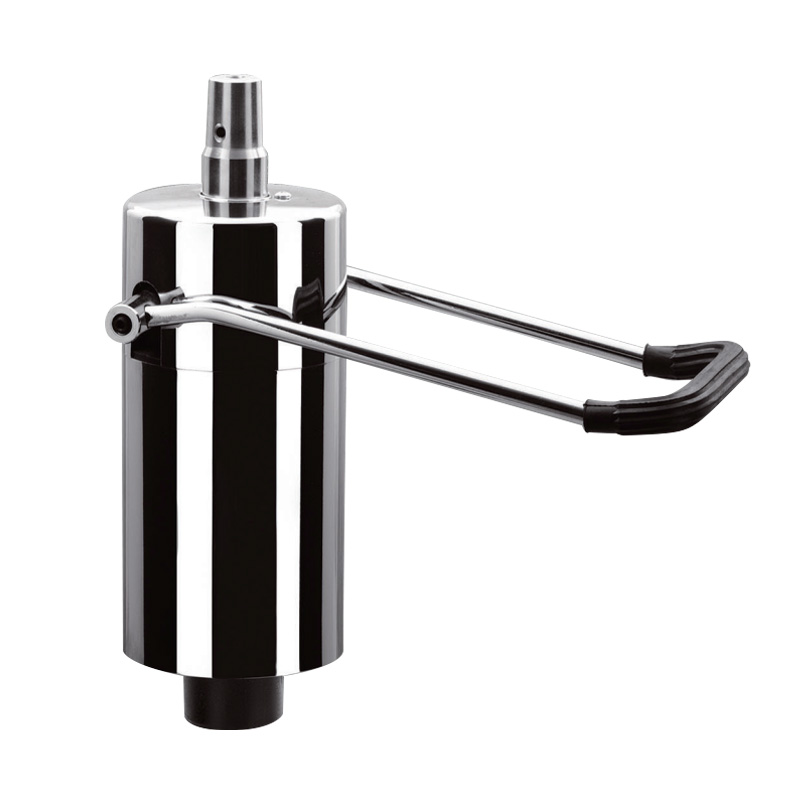
- Hydraulic pump assemblies
- Reclining mechanisms
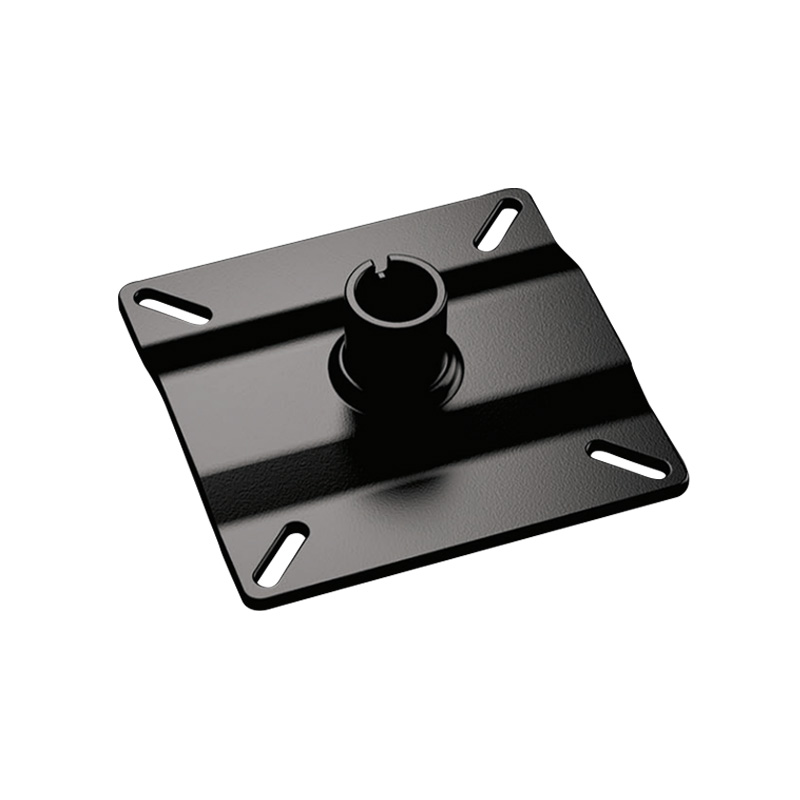
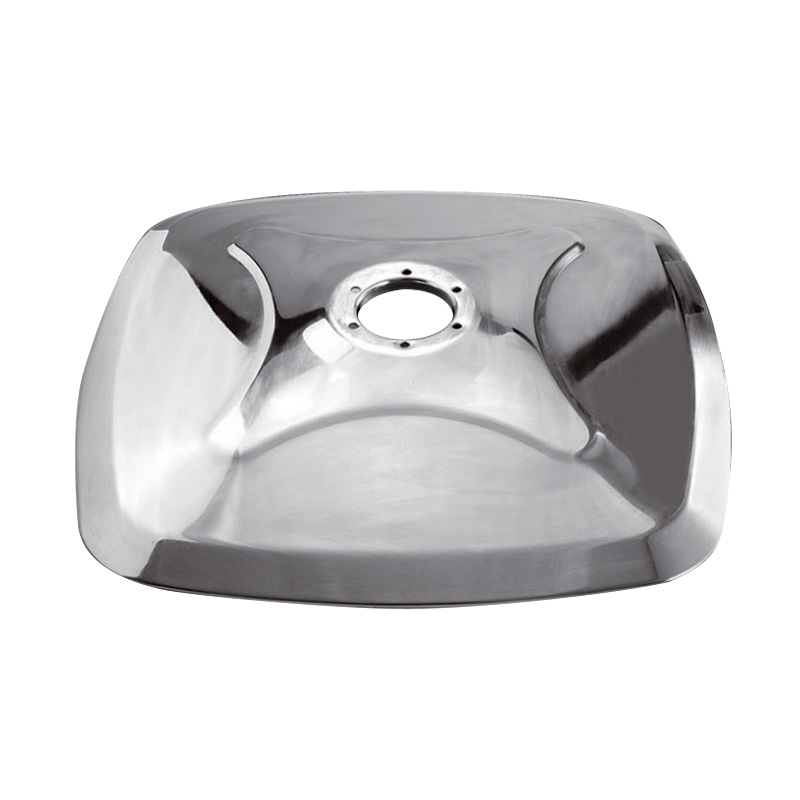
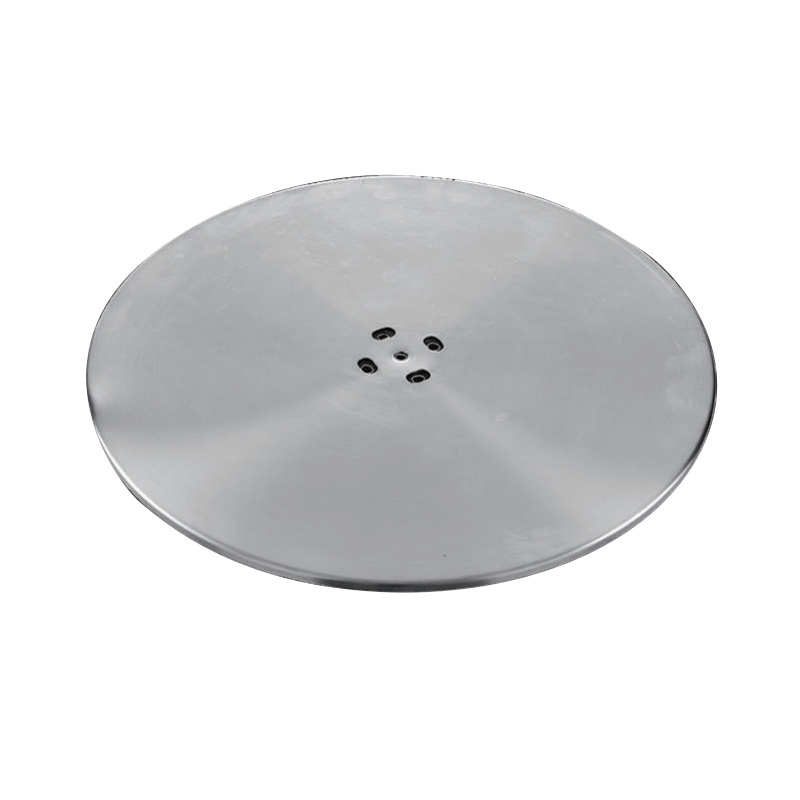
- Base rings and star bases
- Armrest brackets and cushion replacements
- Footrest assemblies
- Swivel mechanisms
Comfort and workflow accessories:
- Headrests and adjustable neck supports
- Booster seats for shorter clients
- Side trays and tool holders
- Seat and back cushion overlays
- Child seat inserts
Understanding which group a component belongs to helps prioritize spending. Repair parts address existing failures. Comfort accessories improve the service experience for both client and barber.
Why the Hydraulic Pump Is the Component Worth Getting Right
When the Pump Fails, the Chair Fails
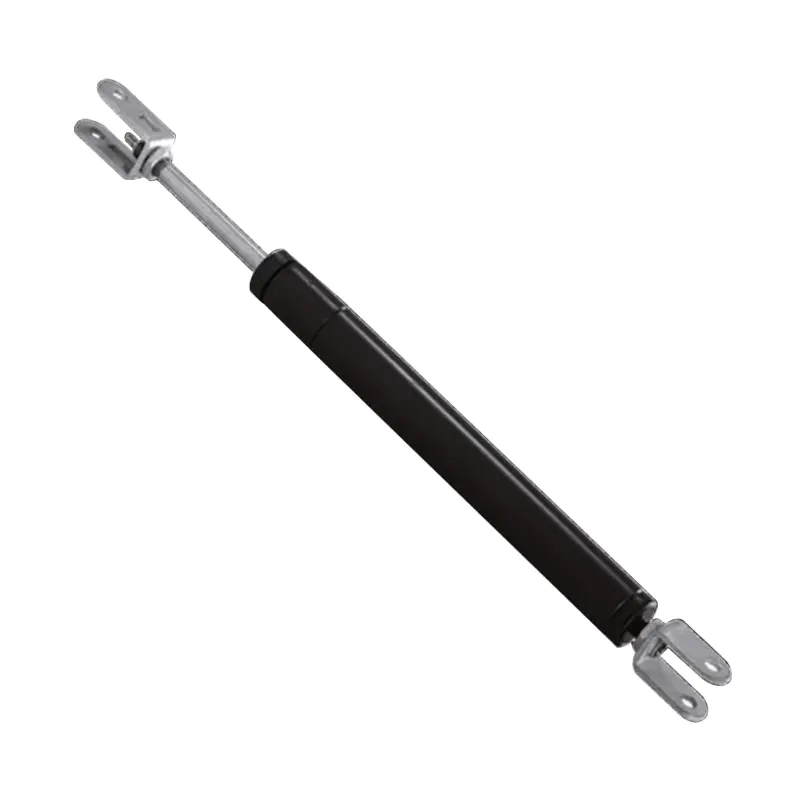
A hydraulic pump controls seat height and is under load every time a client sits down or the barber adjusts position during a service. In a busy shop, a single chair may go through dozens of height adjustments in a single day. Over time, this wear shows up as slow descent, inability to hold height, or complete failure to lift.
Replacing a hydraulic pump is one of the most common Salon Chair Repair Parts purchases in commercial settings. When evaluating a replacement pump, the key factors are:
- Load capacity: The pump must handle the weight range typical in the shop's clientele without straining the seal
- Stroke length: This determines the height adjustment range; a replacement should match or improve on the original
- Base compatibility: Not all pumps fit all chair bases; thread pattern and mounting dimensions need to match
- Seal quality: Internal seals determine how long the pump holds pressure without gradual sinking
A pump that matches the chair's original specifications will restore function. One that exceeds those specifications in seal quality and load tolerance will last longer under commercial use conditions.
Does the Base Design Affect Chair Stability Over Time?
It Does, and It Is Often Overlooked Until the Chair Starts Wobbling
The base is the foundation of the chair's stability. A base that is undersized, made from low-grade material, or poorly matched to the hydraulic column creates wobble that worsens progressively. In a barber shop environment where clients shift position during a cut, instability is both a comfort issue and a safety concern.
Base replacement options include:
- Five-star bases: Wider footprint, greater stability under lateral movement
- Round bases: Traditional aesthetic, adequate stability for lighter use
- Chrome vs. matte finish bases: Chrome is more common in classic barber shop setups; matte finishes suit contemporary salon interiors
When sourcing a replacement base as a Salon Chair Accessory, confirm the center bore diameter matches the hydraulic column before ordering. A mismatch at this point requires adapters that introduce their own reliability concerns.
Footrests: A Small Component With a Measurable Impact on Workflow
A Functional Footrest Changes How the Barber Positions the Client
Footrests affect how easily a barber can adjust a client's seated position during a haircut. When a footrest is cracked, bent, or no longer adjusts smoothly, it limits the barber's ability to work at the correct angle. This slows down the service and can contribute to fatigue over a long shift.
Replacement footrests vary in:
- Material: Cast iron footrests are heavier but more durable under repeated use; aluminum options are lighter but may flex under load over time
- Adjustability: Some footrests mount at a fixed angle; others pivot to accommodate clients of different heights
- Attachment method: Bolt-on footrests are easier to replace; welded designs may require more disassembly
For high-volume shops, a footrest that adjusts easily and locks firmly in position is worth the additional cost over a basic fixed model.
Headrests and Neck Supports: Comfort Accessories That Affect Repeat Business
Client Comfort During Longer Services Directly Influences How They Experience the Appointment
A headrest that holds position reliably allows clients to relax during shaving, coloring, or longer cutting sessions. One that slips or requires constant manual correction creates interruptions. From the barber's perspective, a stable headrest also makes precision work easier.
Headrest options for barber chairs include:
- Fixed extension headrests: Attach to the chair back at a set height; suitable when client height variation is limited
- Adjustable telescoping headrests: Allow height and angle adjustment to accommodate different clients
- Removable cushion headrests: Can be cleaned or replaced independently when the cushion wears
For shops offering shaving services, an adjustable headrest is closer to a functional requirement than an optional add-on.
Booster Seats and Child Inserts: Serving a Wider Range of Clients
Shops That Serve Children or Clients of Varying Heights Benefit from Adaptable Seating
A booster seat sits on the existing chair seat and raises the effective seating height for shorter clients or children. Without one, the barber either works at an uncomfortable angle or attempts to compensate through chair height adjustment, which often creates an ergonomically poor working position.
When evaluating booster seats as a Salon Chair Accessory:
- Weight rating: Commercial booster seats should handle the weight range they will encounter without compressing or shifting
- Surface material: Easy-clean vinyl or synthetic surfaces are practical for a barbershop environment
- Attachment method: A booster that slides or shifts during the service creates more problems than it solves; look for non-slip bases or strap attachments
A removable child seat insert that attaches securely to the chair arms is an alternative approach for shops that primarily serve adult clients but occasionally work with children.
Armrests: When Replacement Makes More Sense Than Repair
Worn Armrests Affect Both Appearance and Client Comfort
Armrests take direct contact wear from clients leaning on them throughout every service. Cracked or compressed padding, peeling upholstery, and loose bracket connections are all common failure points. Because armrests are visible and frequently touched, their condition contributes to the overall impression the shop makes.
Replacement armrest options include:
- Full armrest assemblies: Replace the bracket and cushion together; cleaner result but higher cost
- Cushion-only replacements: Reuse the existing bracket if it is structurally sound; lower cost option
- Adjustable-height armrests: Allow positioning for different service types; useful in shops that offer both haircuts and shaving
Before replacing armrests, confirm whether the bracket mounting pattern on the replacement matches the chair body. Universal fit components exist but may require minor adjustment for a clean installation.
How to Decide Between Repairing and Replacing a Component
The Decision Depends on the Component Type and the Chair's Overall Condition
Not every worn component justifies replacement. Some repairs are practical; others consume time and money that would be better directed toward a replacement part or, in some cases, a new chair.
A practical framework for the decision:
| Component | Repair Viable? | Replacement Recommended When |
|---|---|---|
| Hydraulic pump | Limited | Pump sinks under load or fails to lift |
| Chair base | Rarely | Visible cracks, wobble under normal use |
| Footrest | Sometimes | Adjustment mechanism fails or structural damage present |
| Headrest | Often | Cushion wear only; replace cushion separately |
| Armrests | Often | Upholstery worn; bracket sound |
| Reclining mechanism | Depends | Mechanism slips or fails to lock in position |
| Seat and back cushion | Yes | Surface cracking or compression without structural damage |
A chair with a failing hydraulic pump and a cracked base may still be worth restoring if the frame and reclining mechanism are sound. A chair where multiple structural components are failing simultaneously may cost more to restore than a replacement is worth.
What Compatibility Factors Matter When Sourcing Replacement Parts?
Universal Fit Sounds Convenient but Does Not Always Deliver a Clean Result
Replacement parts marketed as universal fit cover a wide range of chair models but may require adaptation to install correctly. Purpose-made replacement parts for specific chair models install more cleanly and perform more predictably, but require more precise sourcing.
Key compatibility factors to confirm before purchasing Salon Chair Repair Parts:
- Hydraulic column diameter and thread pattern for pump replacements
- Base center bore size for base replacements
- Mounting hole pattern and spacing for armrest and footrest replacements
- Cushion dimensions for seat and back replacements
- Weight and load rating for booster seats and footrests
Requesting product specifications from a supplier before placing an order reduces the likelihood of a compatibility mismatch that requires a return or additional modification.
Cleaning and Maintenance Accessories That Extend Component Life
Regular maintenance reduces how often repair parts need to be replaced
Some wear is unavoidable in a high-use commercial environment, but a portion of premature component failure is preventable through routine maintenance. Cleaning and maintenance accessories that support longer service life include:
- Hydraulic pump lubricants: Reduce friction on the pump column and extend seal life
- Chrome and metal surface cleaners: Prevent oxidation and surface degradation on bases and footrests
- Upholstery cleaners and conditioners: Keep vinyl and synthetic surfaces flexible, reducing cracking
- Touch-up paints and coatings: Address surface damage before it progresses to structural issues
These are low-cost inputs that protect higher-cost components over time.
Sourcing Accessories That Hold Up in Commercial Use
The difference between a salon chair accessory that lasts a season and one that holds up through years of daily commercial use usually comes down to material specification and manufacturing consistency. For shop owners and equipment buyers evaluating suppliers, the relevant questions are whether components are manufactured to commercial load tolerances, whether replacement parts are available consistently over time, and whether the supplier can accommodate custom specifications for specific chair models or shop configurations. Wenling Jiafeng Machinery Co., Ltd manufactures salon chair components and Salon Chair Repair Parts for commercial and wholesale applications, with production capability covering hydraulic pumps, bases, footrests, and related accessories. If your sourcing requirements include specific load ratings, finish options, or compatibility with a particular chair model, reaching out with those details allows for a more accurate product match.