
 En
En Português
 عربى
عربى
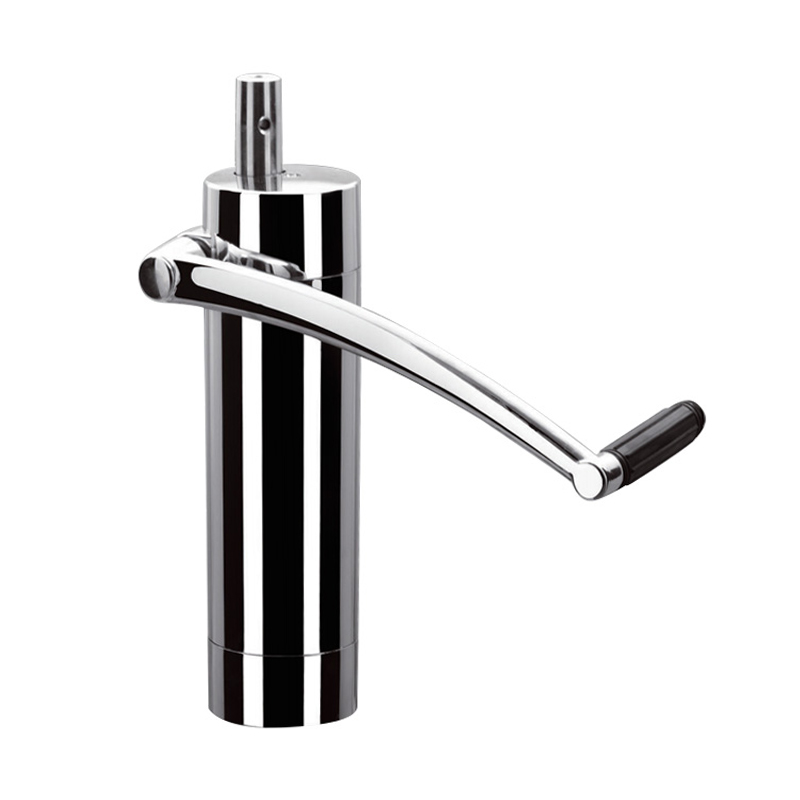
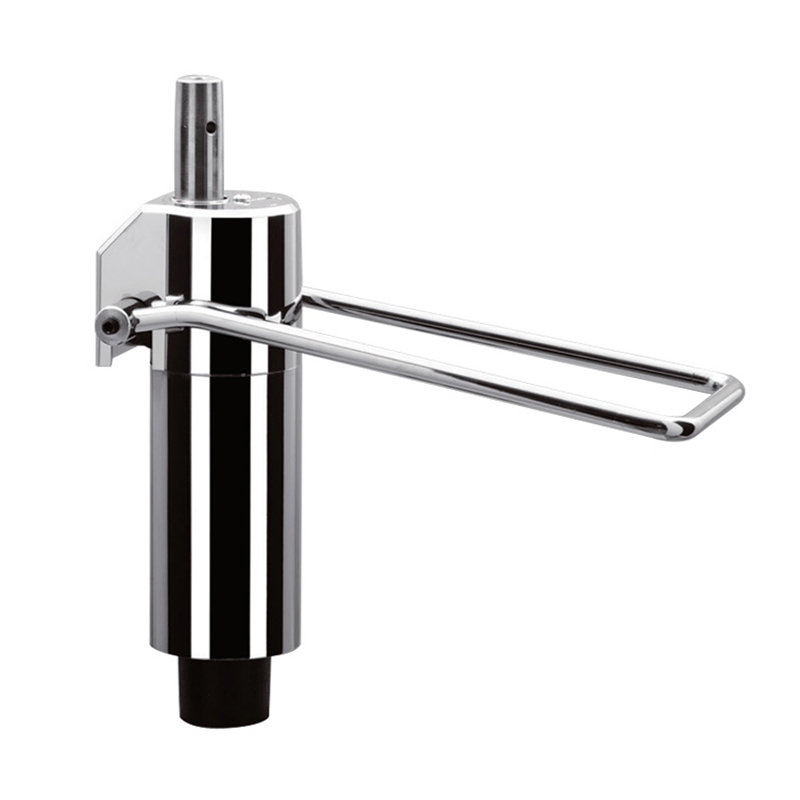
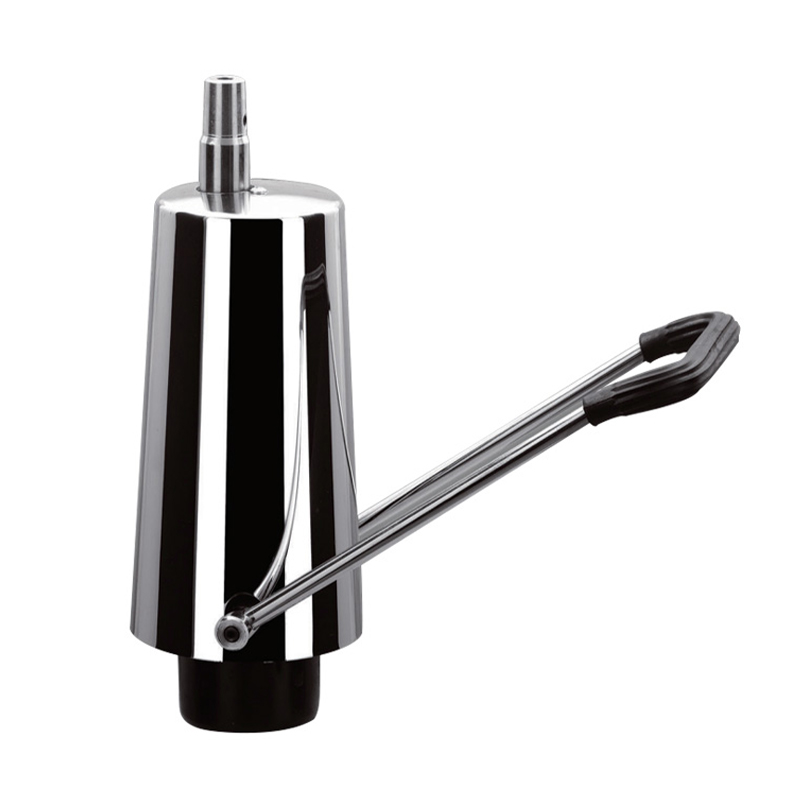
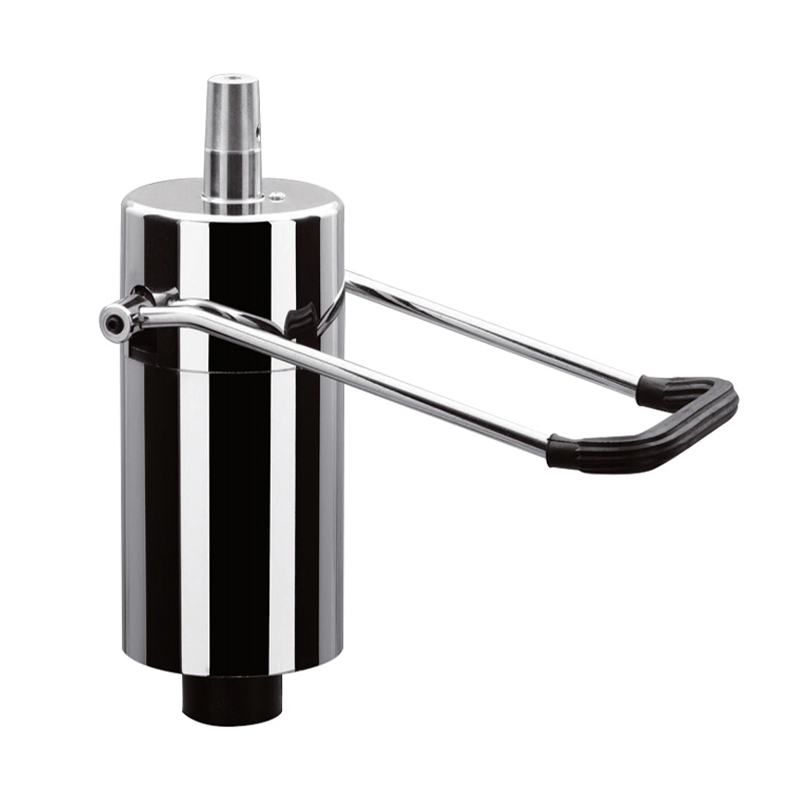
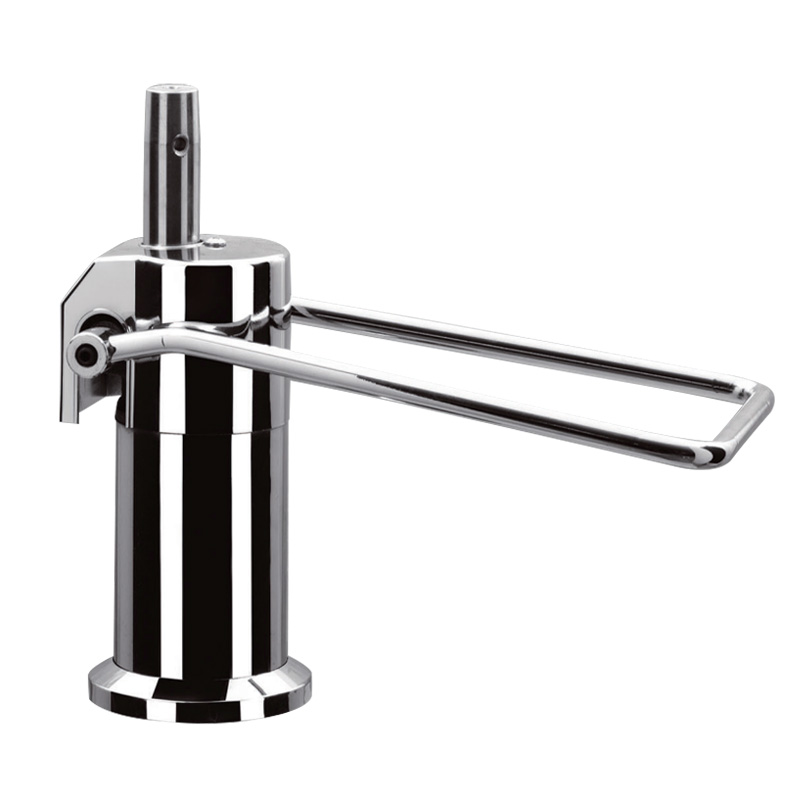
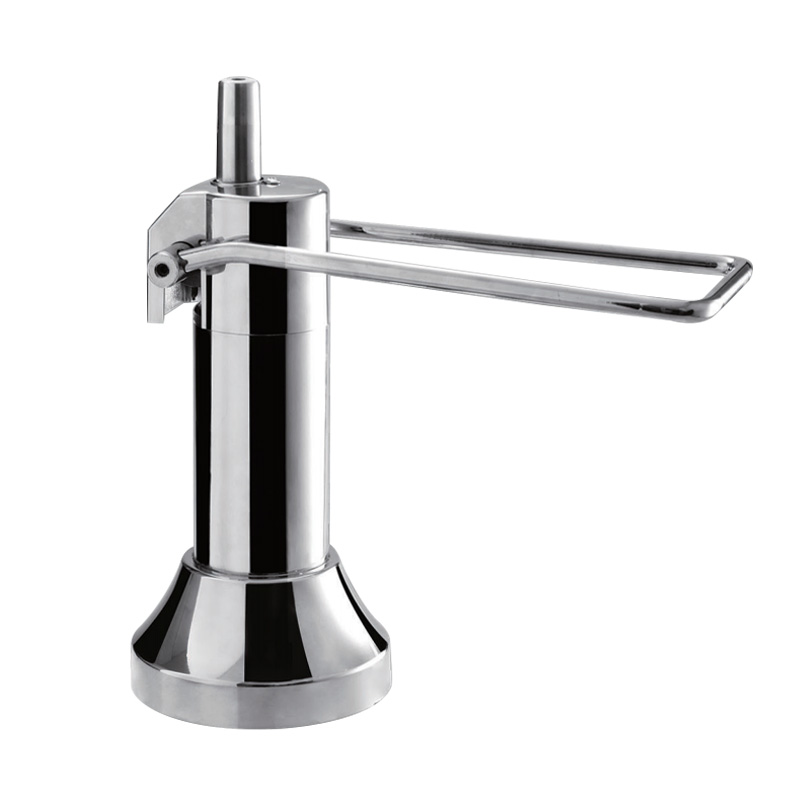
A chair that slowly sinks during a service, a wobbly base that rocks under a client's weight, a hydraulic pump that has stopped holding position — these are the maintenance realities that push salon and barbershop owners into the parts market. The challenge is not finding Salon Chair Repair Parts . It is knowing which comparison points actually matter before placing an order, because the wrong part wastes money twice: once on the purchase and again on the labor to discover it does not fit.
Why Compatibility Comes Before Everything Else
Fit Is Not Guaranteed Just Because a Part Looks Right
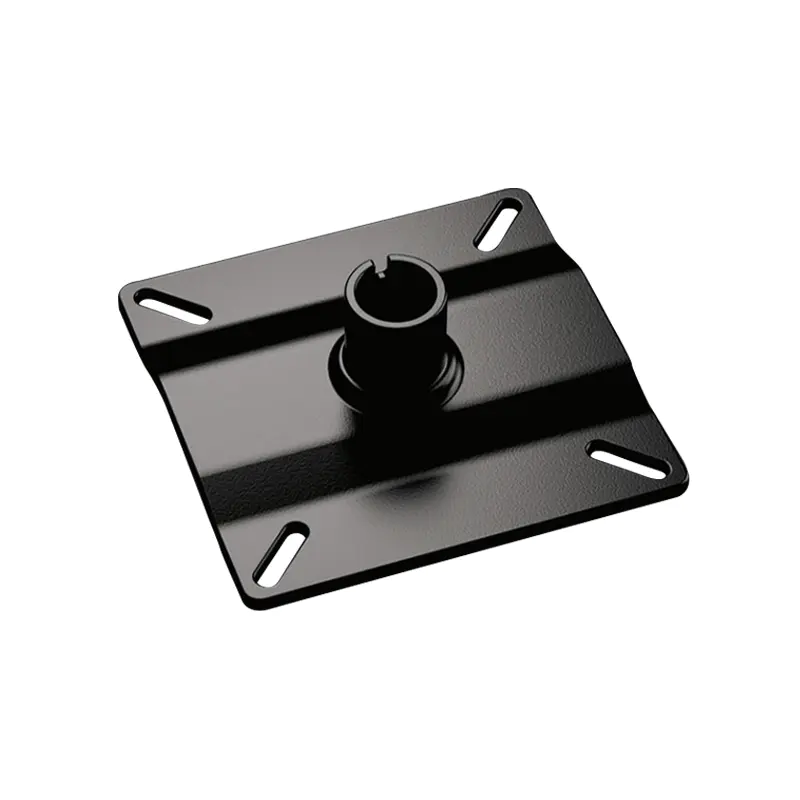
Salon chairs are produced across a wide range of manufacturers, model lines, and production periods. Two chairs that appear visually identical can have different hydraulic pump bore diameters, different base mounting hole patterns, or different swivel ring dimensions. A Salon Chair Accessory that fits one chair may create alignment problems or fail to seat correctly on a superficially similar model.
Before comparing price or material grade, confirm:
- The chair manufacturer and model, if that information is available on a label or documentation
- The outer diameter and bore size of any hydraulic pump or cylinder being replaced
- The base plate dimensions and mounting hole spacing for any base replacement
- The thread specification and diameter of any locking ring or retaining hardware
If this information is not available from the chair manufacturer, a qualified supplier should be able to cross-reference from measurements of the existing part.
Understanding Which Part Is Actually Failing
Diagnosing the Fault Before Ordering Anything
The most common reason for ordering the wrong Salon Chair Repair Parts is misidentifying the faulty component. Chair problems tend to produce overlapping symptoms, and a chair that sinks and wobbles may have one root cause — not two.
A systematic approach to fault identification:
- Chair sinks under load: The hydraulic pump has lost its ability to hold pressure. The seal inside the pump has worn or failed. This is a pump replacement scenario, not a base issue.
- Chair wobbles side to side: The swivel bearing or ring inside the base has worn. In some cases the base itself is cracked or deformed. Check whether the wobble is in the base-to-floor contact or at the swivel point above the base.
- Chair rocks on uneven legs: The base legs are bent or the rubber feet have worn to different heights. This is a base replacement issue, not a pump issue.
- Chair swivel stiff or locked: The swivel mechanism is seized from lack of lubrication, or the swivel lock mechanism has failed internally.
- Footrest does not stay in position: The footrest bracket or locking pin has failed. This is typically an accessory hardware issue rather than a structural chair problem.
Getting this diagnosis right before ordering saves the cost and delay of a return and reorder cycle.
Hydraulic Pump Comparison: What to Evaluate
Load Capacity and Stroke Range Must Match tbhe Application
Not all hydraulic pumps for salon chairs are interchangeable, even between chairs of similar size. When comparing replacement pumps, the variables that determine whether a pump will function correctly in a specific chair include:
- Cylinder outer diameter: This must match the bore of the chair's base cylinder housing. Even a small dimensional difference creates a loose fit or prevents installation entirely.
- Stroke length: The travel distance of the pump piston determines the height adjustment range. A pump with insufficient stroke produces a chair with reduced height range.
- Load capacity: The rated weight capacity of the pump must meet or exceed the working load of the chair. Using an undersized pump accelerates seal wear and reduces service life.
- Release valve type: Different pump designs use different lever or pedal release mechanisms. The replacement pump must be compatible with the chair's existing foot pedal assembly.
A pump that meets all of these criteria will install correctly and perform to expectation. A pump that meets only some of them will create functional problems that are difficult to trace back to the part choice after installation.
Base Comparison: Round vs Square, Steel Grade, and Diameter
Base Geometry Affects Stability, Appearance, and Compatibility
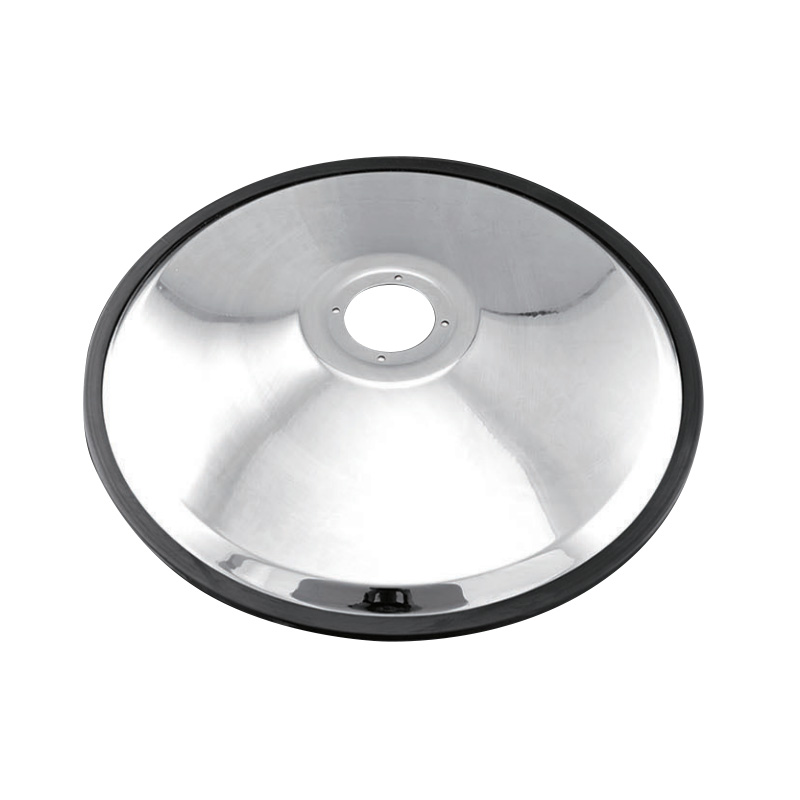
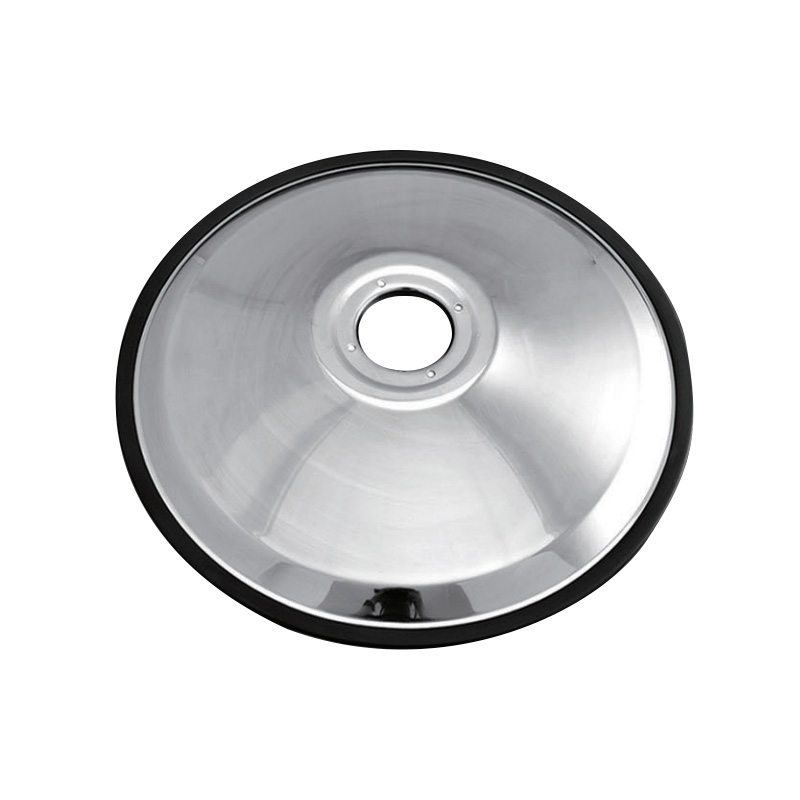
The base is the foundation of the chair's stability, and replacement bases are not universal. When comparing base options for a salon chair, the relevant factors include:
- Diameter: A wider base increases stability and reduces the risk of tipping under lateral load. However, it also increases the footprint, which affects room layout in smaller salon spaces.
- Geometry: Round bases are the traditional form and suit most salon and barbershop chair styles. Square or star-shaped bases are used on specific chair designs and may not be compatible with round-base hydraulic pumps without an adapter.
- Material grade: Commercial-grade bases use heavier gauge steel with a higher-quality plating or coating finish. Budget replacements use thinner steel that can flex under load, affecting chair stability over time. Stainless steel bases offer better corrosion resistance in environments where cleaning agents are used frequently.
- Mounting pattern: The hole pattern on the base plate must match the pump's base mounting plate. This is a dimensional check that must be done before ordering.
Swivel Bearing and Locking Ring: Small Parts, Significant Impact
Does a Worn Swivel Bearing Affect Chair Safety?
Yes, and this is why it is worth treating swivel bearings as a maintenance item rather than waiting for complete failure. A degraded swivel bearing produces the rocking or play sensation that clients often interpret as a chair being unstable — even when the hydraulic pump and base are in good condition.
When comparing swivel bearings and related hardware:
- Check the bearing diameter against the chair's swivel ring housing
- Confirm the bearing type — ball bearing vs roller bearing vs plain bearing ring — as these are not interchangeable
- Look at the steel grade and surface finish, as cheap bearings corrode quickly in environments exposed to water and cleaning chemicals
- Assess whether the locking ring that retains the bearing is included or sold separately
The locking ring is frequently overlooked in bearing replacement orders. An old, weakened locking ring on a new bearing creates a situation where the bearing is properly seated but not securely retained — which produces the same wobble the replacement was supposed to fix.
Material Quality Comparison Across Component Types
Understanding how material grade affects different components changes how the comparison should be weighted:
| Component | Material Consideration | Why It Matters |
|---|---|---|
| Hydraulic pump | Seal material and cylinder finish | Determines seal life and pressure retention |
| Base | Steel gauge and coating type | Affects structural rigidity and corrosion resistance |
| Swivel bearing | Ball grade and race finish | Affects smoothness and wear rate |
| Locking ring | Steel hardness | Determines how well it retains the bearing under load |
| Footrest bracket | Cast vs fabricated steel | Cast brackets are stiffer and hold adjustment better |
| Pump release lever | Pivot pin material | Cheap alloy pivots wear quickly under repeated use |
| Mounting hardware | Thread quality and plating | Poor threads strip on installation |
Comparing on price alone without understanding material differences produces parts that fail ahead of schedule and require the process to be repeated.
OEM vs Universal Replacement Parts
When Does OEM Matter and When Is Universal Acceptable?
OEM parts are manufactured to the original chair specifications and are a reliable compatibility match. Universal parts are designed to fit a range of chairs and typically require more careful dimensional verification before ordering.
OEM is worth prioritizing when:
- The chair is a current production model with available OEM supply
- Precise dimensional matching is critical — particularly for hydraulic pumps and bases
- The chair is used in a high-volume commercial setting where reliability is important and downtime is costly
Universal parts are a practical option when:
- The chair model is discontinued and OEM parts are no longer available
- The price difference is significant and the dimensional specifications have been confirmed to match
- The replacement is for a lower-wear component such as footrest hardware or decorative trim
For hydraulic pumps specifically, dimensional compatibility is non-negotiable. A universal pump that is slightly out of specification will either not install at all or will create a leak path that causes premature failure.
Installation Difficulty as a Comparison Factor
Can a Salon Owner Replace the Part Without a Technician?
This is a practical question that affects the total cost comparison. Some salon chair components can be replaced with basic tools and no specialized knowledge. Others require the chair to be partially disassembled or require specific tools to seat components correctly.
Generally, by difficulty level:
Lower difficulty:
- Rubber base feet replacement
- Footrest pin or bracket replacement
- External pump release lever replacement
Moderate difficulty:
- Hydraulic pump replacement — requires lifting the chair and detaching the base
- Swivel bearing replacement — requires accessing the interior of the base assembly
- Locking ring replacement — requires the correct ring tool to seat properly
Higher difficulty:
- Base replacement combined with pump replacement
- Repairs requiring disassembly of the chair's internal frame
If a repair requires moderate or higher difficulty, factoring in labor cost changes the comparison between repairing the existing chair and purchasing a replacement chair or assembly.
Repair vs Replace: When Does the Calculation Shift?
At What Point Does Replacing the Whole Chair Make More Sense?
There is a threshold where accumulated repair costs exceed the value of continuing to maintain a specific chair. Reaching that threshold happens faster with some chairs than others, and the comparison should be made honestly before ordering a significant repair.
Signs that replacement may make more economic sense than continued repair:
- The chair has already had the hydraulic pump replaced once and is failing again within a short period
- Multiple components are failing simultaneously — pump, base, and swivel bearing all need attention at the same time
- The chair's frame has visible cracks, corrosion, or structural damage that no accessory replacement will address
- Replacement parts for the specific model are difficult to source, slow to arrive, or only available at a premium
If the chair is in fundamentally good structural condition and only one or two components have failed, repair is generally the more economical path. If the chair is failing broadly, the economics shift toward replacement.
How to Approach a Parts Comparison Systematically
Before placing any order for a Salon Chair Accessory, work through the comparison in this sequence:
- Identify the specific failure — confirm which component is actually faulty before ordering anything
- Measure the existing part — record the outer diameter, bore, and mounting dimensions before the part is removed if possible
- Check material specifications — understand what steel grade, seal material, or bearing type is being offered
- Confirm installation requirements — assess whether the installation can be completed in-house or requires a technician
- Compare OEM vs universal availability — if OEM is available and the price difference is reasonable, it reduces compatibility risk
- Calculate total cost including labor — a cheaper part that requires more labor may not produce the expected saving
Buying a salon chair component without working through these comparison points is how shops end up with parts that do not fit, fail ahead of schedule, or require professional labor to correct an avoidable installation problem. The comparison process takes time upfront but consistently produces better outcomes than ordering on price alone. Wenling Jiafeng Machinery Co., Ltd manufactures Salon Chair Repair Parts and accessories for the professional salon and barbershop equipment market, working with salon owners, equipment distributors, and maintenance buyers on component specifications, compatibility requirements, and volume sourcing. If you are working through a chair repair decision and need guidance on which parts will correctly fit your specific equipment, their team is a practical contact for that conversation.