
 En
 Português
 عربى
Home / News / Industry News / How Barber Chair Pump Manufacturers Use Cycle Testing to Verify Product Reliability
A new barber chair may lift smoothly during a showroom demonstration, but that single operation says very little about how its hydraulic pump will behave after months of use. In a busy salon, the chair may be raised and lowered dozens of times a day. The pump, seals, valves and pedal mechanism have to tolerate this repeated movement without developing leaks or losing their ability to hold the seat in position.
This is the reason manufacturers perform cycle testing during product development and quality inspection. They repeatedly operate the hydraulic assembly under controlled loads, watching for changes in lifting force, pressure retention and mechanical behavior. A component that works perfectly when new may reveal weaknesses only after repeated operation.
What Happens During a Barber Chair Pump Cycle Test?
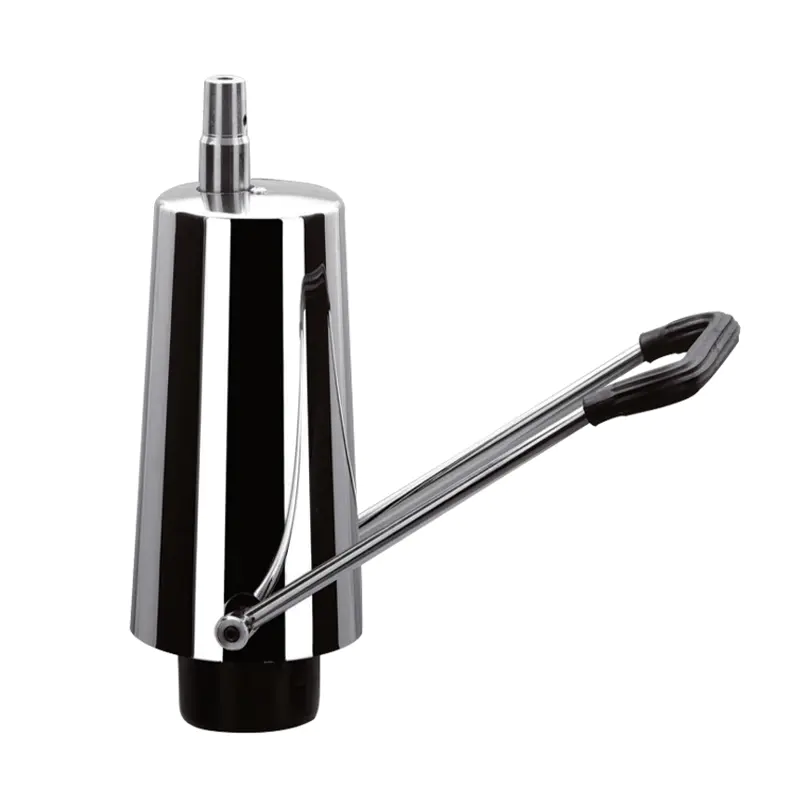
For a foot-operated hydraulic pump, one cycle generally covers a complete lifting and lowering sequence.
The operator presses the pedal, forcing hydraulic fluid into the cylinder and raising the test load. Once the desired height is reached, the pedal is released and the system must retain pressure. The release mechanism is then activated to lower the load before the next cycle begins.
Manufacturers may also test partial pedal strokes and different load conditions, depending on the pump design.
One detail matters when comparing test reports: the cycle count has little meaning without the test conditions. A pump tested under a light load and slow operating speed has not necessarily experienced the same stress as one tested under its specified working load. The applied pressure, stroke length, temperature and operating frequency should all be documented.
Which Parts Receive the Most Attention?
Hydraulic pump failures often develop around components that repeatedly move, seal or carry mechanical loads.
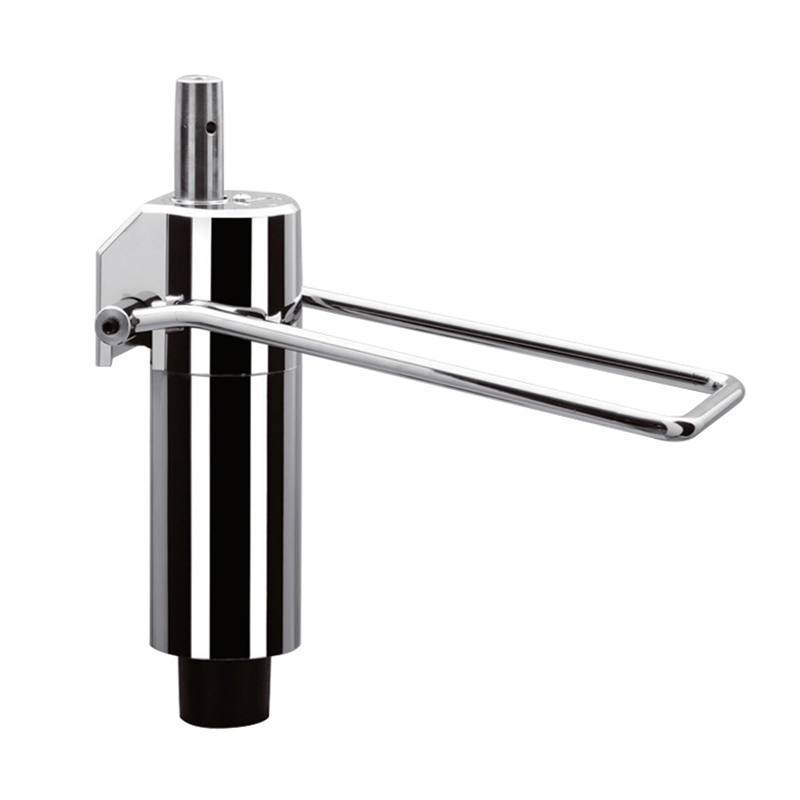
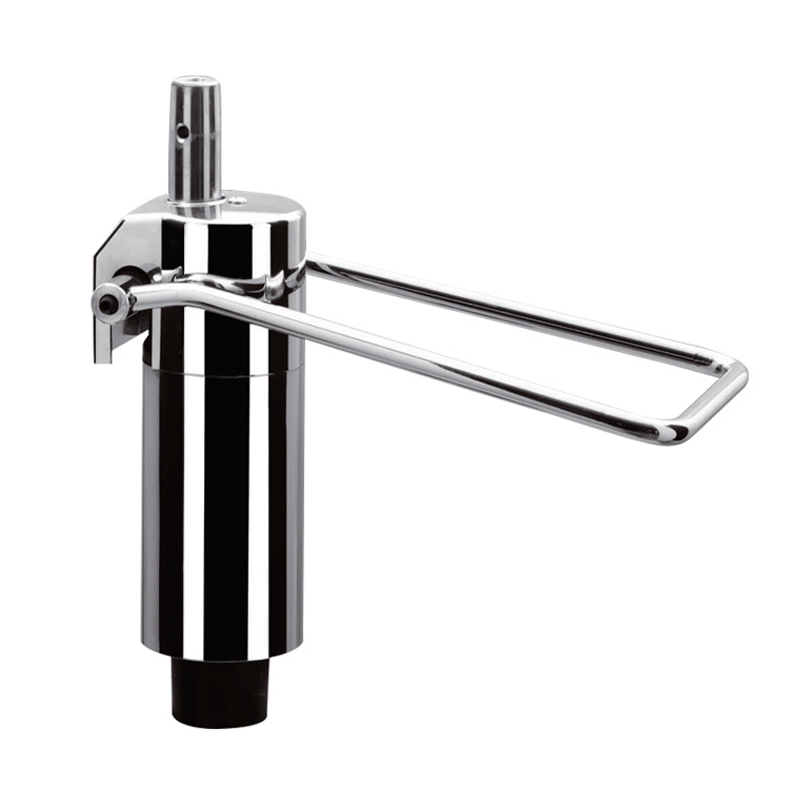
- Piston and cylinder: The piston moves inside the cylinder under hydraulic pressure. Scratches, surface wear or dimensional inaccuracies can affect sealing and allow fluid to bypass the piston.
- Seals and O-rings: These components prevent oil from escaping between moving and stationary surfaces. Repeated movement can cause hardening, deformation or damage, particularly when the seal material is unsuitable for the hydraulic fluid.
- Check valve: This valve helps prevent reverse fluid movement after lifting. If its sealing surface becomes damaged or contaminated, the chair may gradually sink.
- Release valve: The release mechanism controls how hydraulic fluid returns during lowering. Inconsistent valve movement can make the chair descend unevenly.
- Pedal linkage and springs: These parts experience repeated mechanical movement. Loose connections, weakened springs or worn joints can change pedal resistance and affect operation.
Looking at the complete assembly is important. A pump may contain individually acceptable components but still perform poorly because of incorrect assembly or misalignment.
How Manufacturers Control the Testing Process
Cycle testing needs a repeatable operating procedure. Without one, results from different samples or production batches cannot be compared reliably.
The applied load should represent the pump's intended operating conditions, and pressure should remain within the specified working range. Pedal movement and release operations must also follow a consistent sequence.
Testing speed requires attention. Operating the mechanism too quickly can generate additional heat and produce a different wear pattern from ordinary salon use. Temperature should therefore be monitored, particularly during extended tests.
Manufacturers should record the conditions before testing begins, including:
- Applied load and operating pressure.
- Lifting stroke and lowering sequence.
- Cycle frequency.
- Hydraulic fluid specification.
- Test temperature.
- Inspection intervals and required cycle count.
These records make it easier to identify why two pumps from different production batches may show different results.
Measurements That Reveal Deterioration
A pump can complete thousands of cycles without completely failing, yet its performance may gradually deteriorate. Measuring only whether the chair still moves would miss these early changes.
| Test Parameter | What It Evaluates | Warning Sign |
|---|---|---|
| Lifting Performance | Ability to raise the specified load | Slower or inconsistent lifting |
| Pressure Retention | Ability to maintain the selected height | Unintended chair descent |
| Fluid Leakage | Condition of seals and connections | Visible oil leakage |
| Pedal Force | Effort required for operation | Increasing or irregular resistance |
| Operating Consistency | Repeatability between cycles | Changes in lifting or lowering |
| Noise and Vibration | Condition of moving components | Unusual sounds or excessive vibration |
| Component Wear | Internal mechanical condition | Scoring, deformation or seal damage |
Measurements should be taken at several points during the test, not just at the beginning and end. A gradual increase in pedal force, for example, may be an early indication of internal friction even when the pump continues to lift normally.
What Happens When a Pump Fails the Cycle Test?
The failed component needs to be examined before the manufacturer decides how to correct the problem.
Suppose a pump begins leaking after repeated operation. The cause might be a seal with incorrect dimensions, an unsuitable elastomer material or a rough cylinder surface that damages the seal during movement. Replacing the seal may restore operation, but it will not prevent another failure if the cylinder surface is responsible.
A chair that slowly descends presents a different investigation. Engineers may need to examine the check valve, piston seals and internal pressure paths to determine where the fluid is passing.
Dimensional inspection, seal examination and pressure measurements help distinguish between material defects, machining variation and assembly problems.
This investigation is particularly useful during production development. If several test samples show the same failure at a similar cycle count, the manufacturer has a reason to review the design or manufacturing process rather than treating each failure as an isolated incident.
Setting Acceptance Criteria Before Testing
There is no single cycle count that guarantees the same service life for every barber chair pump. The required test duration depends on the design, rated load, intended operating conditions and customer specifications.
Before testing, manufacturers should establish measurable acceptance requirements. These commonly cover external leakage, pressure retention, lifting consistency, pedal force and visible component damage.
After the specified number of cycles, selected samples can also be disassembled. This allows engineers to inspect internal seals, valve seats and cylinder surfaces for wear that may not yet have caused an obvious operating failure.
A report should identify the number of samples tested, actual operating conditions, completed cycles and any failures observed. Simply stating that a pump passed a 10,000-cycle test provides limited information without these details.
What Should Buyers Request From Manufacturers?
For OEM projects and bulk purchases, cycle-test records are useful when comparing hydraulic pump suppliers. Buyers should look beyond the final pass result and examine how the test was conducted.
Ask whether the pump was tested under its specified load, how often measurements were recorded and whether failed samples were investigated. Material specifications for seals, dimensional inspection records and batch traceability provide additional information about manufacturing control.
Cycle testing also has limitations. Laboratory results do not guarantee an identical service life in every salon. Installation quality, usage frequency, maintenance and load conditions all influence actual performance.
What Cycle Testing Reveals About a Barber Chair Pump
The value of cycle testing lies in what happens between the first operation and the final test cycle. Changes in lifting speed, pedal resistance, pressure retention or leakage can expose weaknesses that an ordinary factory demonstration will never reveal.
For manufacturers, these observations provide practical information for improving seals, valves, cylinder machining and assembly procedures. For buyers sourcing a Barber Chair Pump, detailed test records offer a better basis for judging product consistency than a cycle-count claim printed on a specification sheet.