
 En
En Português
 عربى
عربى
Hydraulic Pump and Lifting Mechanisms
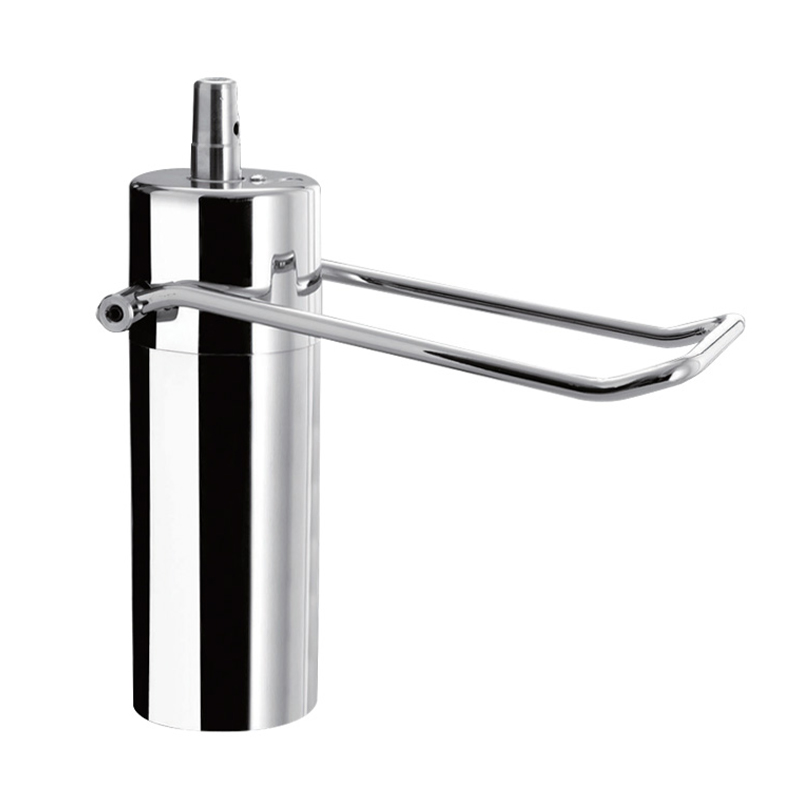
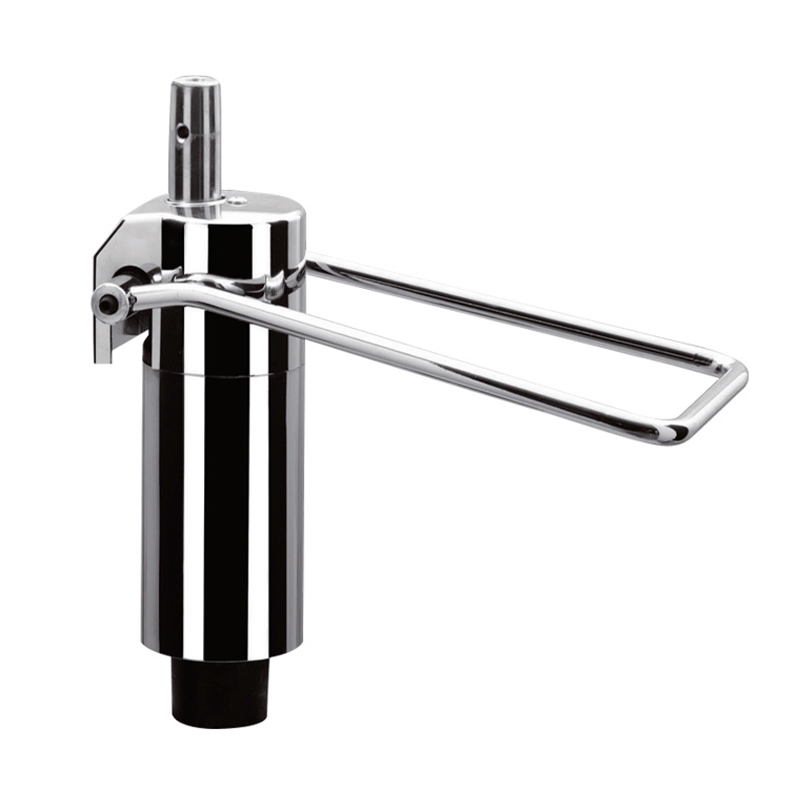
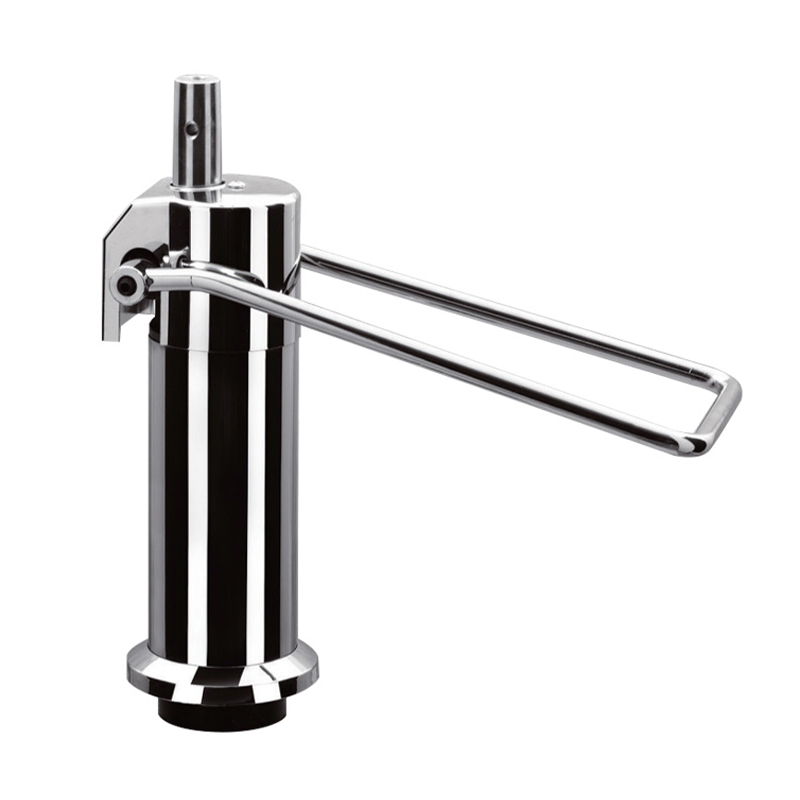
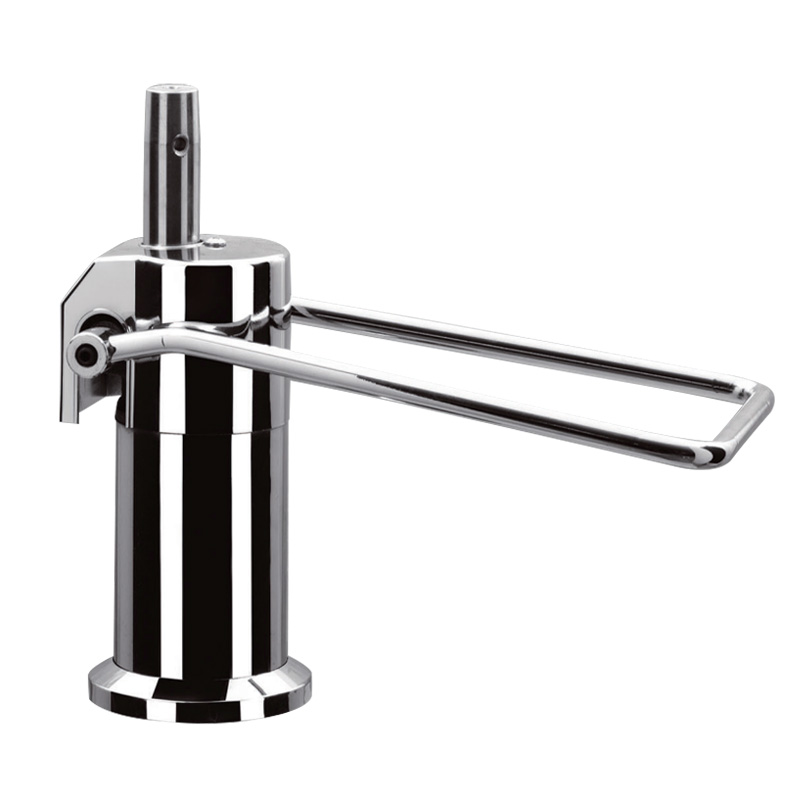
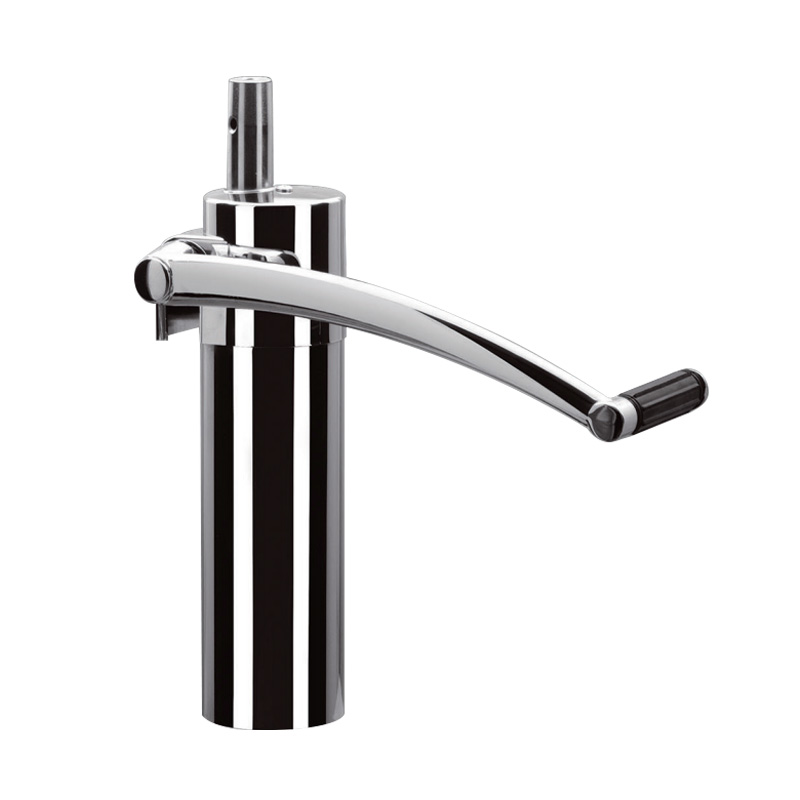
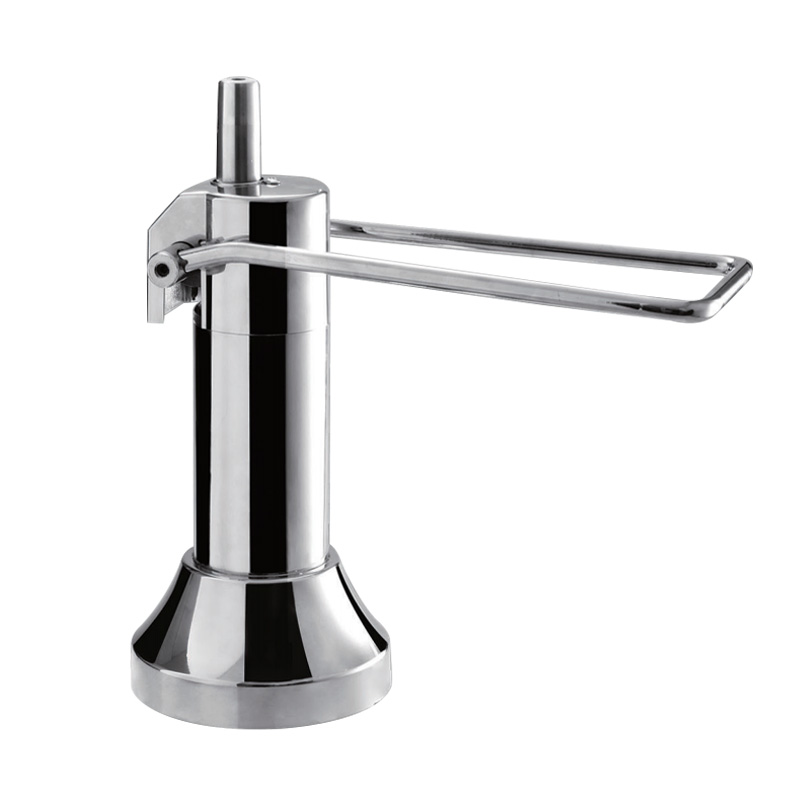
The hydraulic pump and lifting mechanism constitute the core functional component of salon chair accessories, enabling height adjustment to accommodate clients of varying statures and to position them for different services.
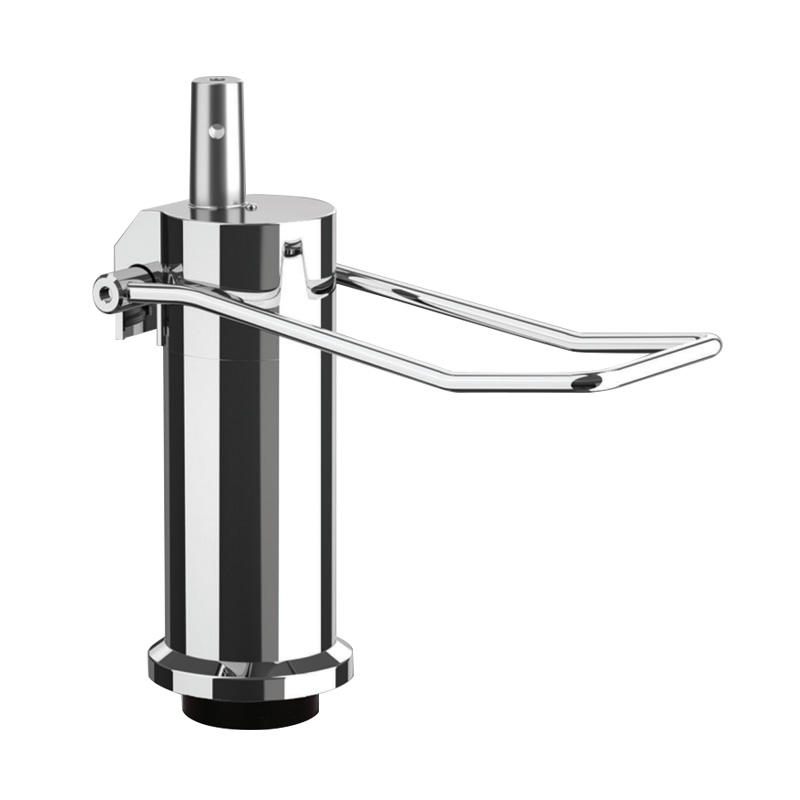
Many professional salon chairs utilize a Class 3 or Class 4 hydraulic pump—classifications that denote durability and the number of lifting cycles the mechanism can withstand before requiring replacement. Class 3 pumps are rated for approximately 50,000 to 70,000 cycles and are common in chairs used in medium-volume salons, while Class 4 pumps, rated for 100,000 cycles or more, are specified for high-traffic establishments.
The hydraulic pump operates through a closed system containing hydraulic fluid, typically a specialized oil with viscosity characteristics that maintain consistent performance across temperature ranges. When the pump lever is actuated—either by a foot pedal or a hand lever depending on the chair design—a piston forces fluid into a cylinder, raising the chair. Releasing the valve allows fluid to return, lowering the chair under controlled descent. The quality of the valve mechanism determines the smoothness of the height adjustment; precision-ground valves provide incremental height control without sudden drops, while lower-quality valves may result in jerky movement or unintended lowering under load.
Reclining and Tilt Systems
The reclining mechanism of a salon chair enables the backrest to pivot relative to the seat base, providing positioning options essential for shampooing, facial treatments, and extended comfort during chemical services. Salon chairs employ either mechanical or hydraulic reclining systems, each with distinct operational characteristics and maintenance requirements.
Hydraulic reclining systems, more common in luxury salon chairs and barber chairs, use a hydraulic cylinder similar to the lift mechanism but oriented to control backrest angle. These systems allow infinitely variable positioning within the range of motion and provide damped, controlled movement. The hydraulic cylinder operates in a push-to-recline configuration; actuating a remote valve allows the cylinder to extend or retract, changing the backrest angle. These systems offer smoother operation than mechanical gear systems but are more complex to repair, typically requiring cylinder replacement rather than component-level servicing.
The range of motion in salon chair reclining systems varies by design. Standard shampoo chairs typically recline to near-horizontal positions—often 170 to 180 degrees—to allow comfortable access to the sink. Styling chairs may have more limited recline ranges of 30 to 45 degrees, prioritizing stable upright positioning for precision work. The pivot mechanism incorporates bearings or bushings that support the backrest's weight while allowing smooth rotation; bronze bushings offer durability with minimal maintenance, while ball bearings provide smoother operation but may require more frequent cleaning to prevent debris accumulation.
Base Construction, Casters, and Floor Interaction
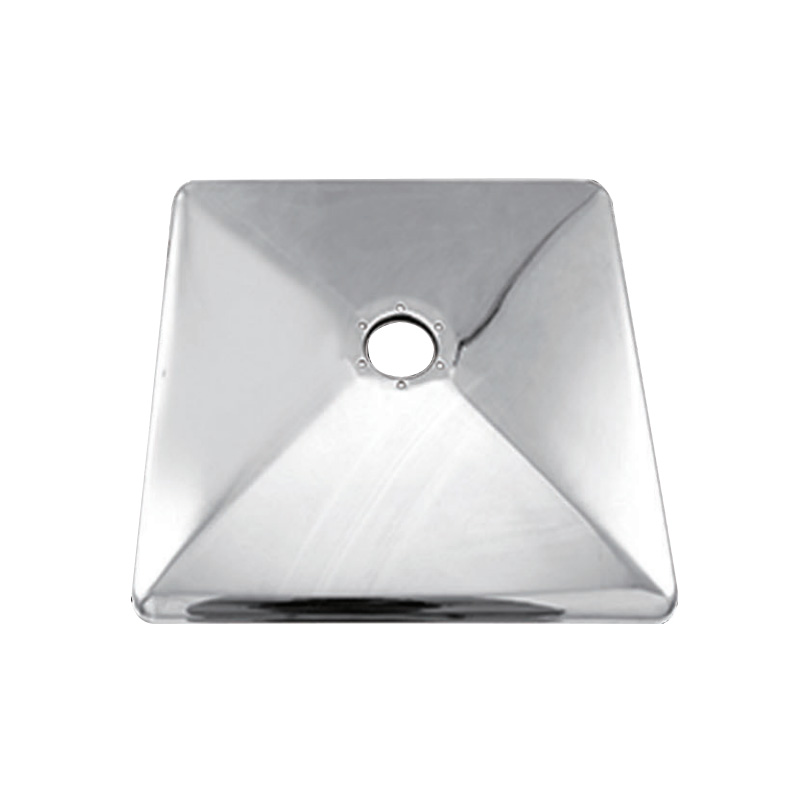
The base of a salon chair provides structural support and mobility, significantly affecting both the chair's stability and the ease with which it can be repositioned within the salon environment. Salon chair bases are typically constructed from cast aluminum, stamped steel, or chrome-plated steel tubing, each offering different balances of strength, weight, and aesthetic characteristics.
Cast aluminum bases are prevalent in mid-range to high-end salon chairs due to their combination of strength, relatively light weight, and design flexibility. The casting process allows for complex shapes with integral reinforcement ribs, creating bases that are both structurally sound and visually appealing. Cast aluminum bases do not rust, though they may develop surface oxidation over time if the protective coating is compromised. Stamped steel bases, formed from sheet steel, offer lower manufacturing costs and adequate strength for many applications but may be heavier and more susceptible to corrosion in environments with frequent moisture exposure.
The diameter of the base—typically 550 to 700 millimeters (22 to 28 inches)—directly affects stability. A wider base provides greater stability against tipping when clients lean forward or when the chair is fully reclined. However, wider bases require more floor space and may be more difficult to maneuver in compact salon layouts. The base's structural design must account for the lever forces created by the chair's height and the client's weight; bases with inadequate reinforcement may flex or develop stress cracks over time.
Casters are integral to salon chair functionality, allowing repositioning of the chair for different services and cleaning of the salon floor. Salon chair casters are typically dual-wheel designs with ball bearings in the swivel mechanism to allow smooth directional changes. The wheel material selection affects both floor protection and rolling resistance:
Polyurethane casters: Provide quiet operation, good floor protection, and moderate rolling resistance. Suitable for hard floor surfaces including tile, hardwood, and sealed concrete. Hardness ratings of 85 to 95 Shore A offer a balance of durability and floor protection.